
The following contains spoilers for The Long Walk
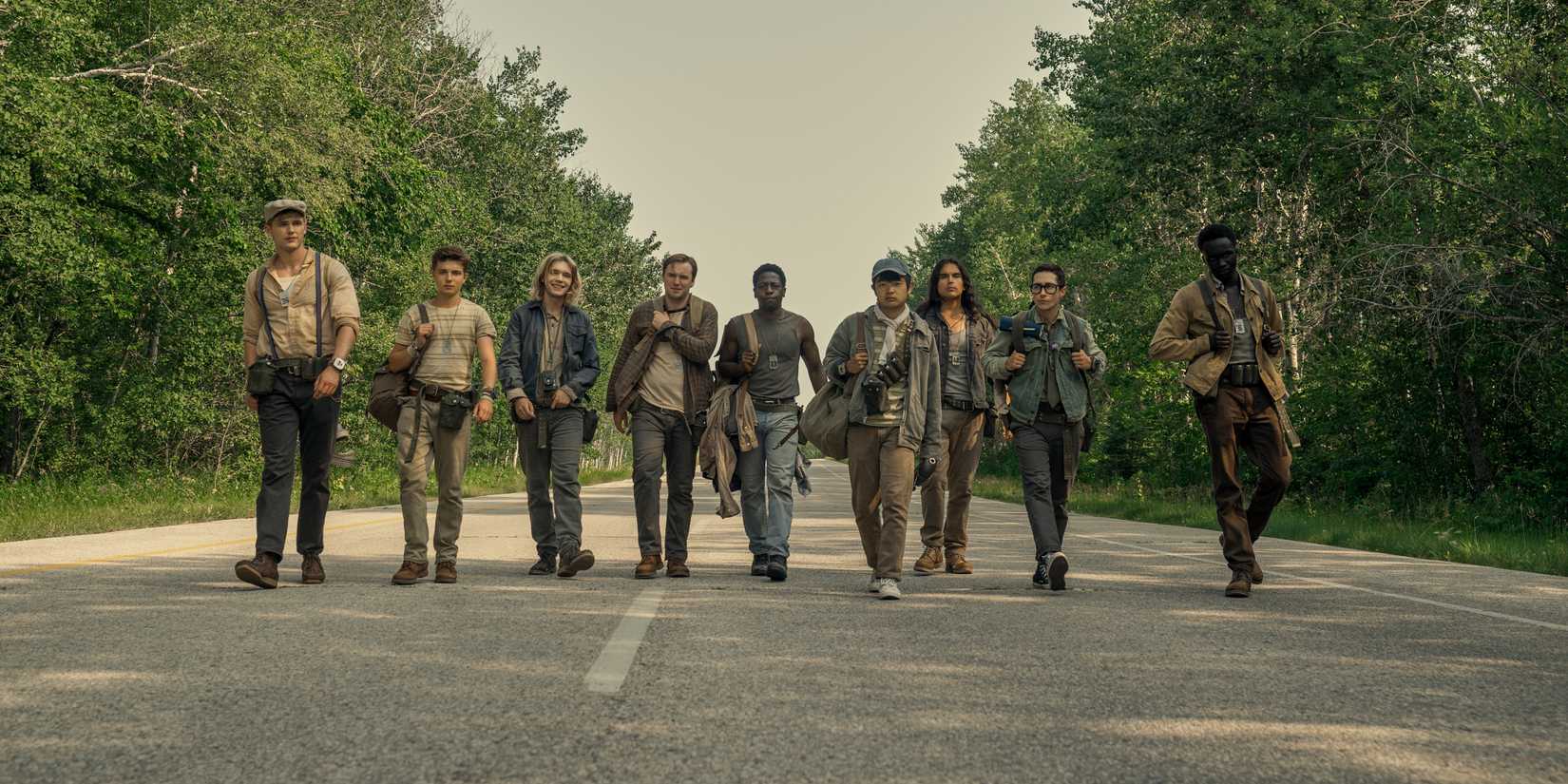
The Long Walk is a faithful adaptation of the Stephen King novel of the same name, even as it makes some significant changes to the characters and ending. In both versions of The Long Walk, the plot focuses on a group of young men who participate in a dystopian endurance competition where the penalty for failure is death.
The Long Walk‘s cast of characters is mostly true to their book counterparts, albeit with a bit more diversity incorporated into the modern portrayals. However, there are some notable differences made to the cast, all building to an ending that alters the final winner and his fate (even if it retains the bleak moral core of the original story).
Garraty Has A Different Motivation Between The Book And The Movie
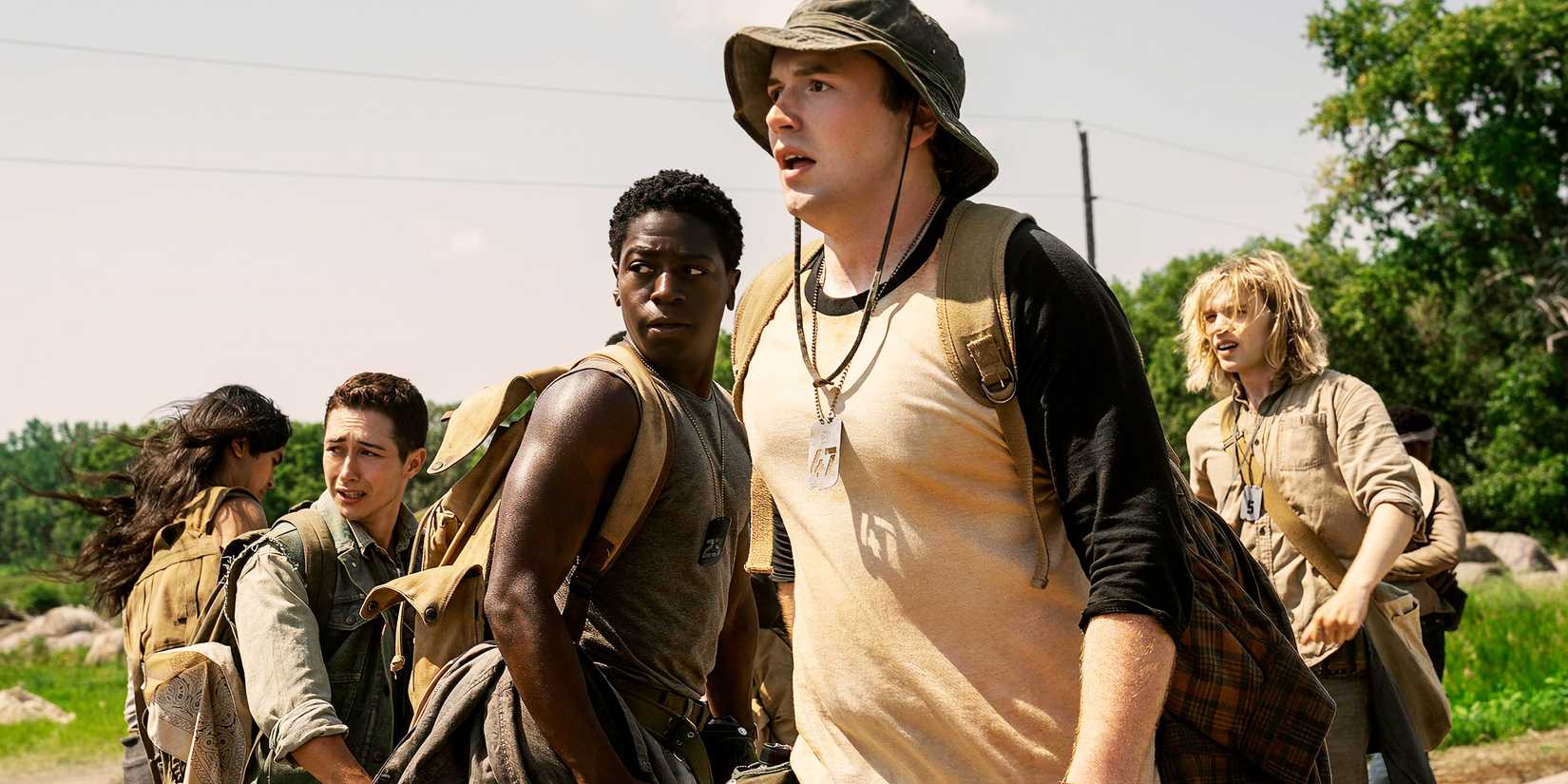
Garraty is the main character in both versions of The Long Walk, but has very different motivations in both versions of the story. In the film, Garraty eventually reveals to McVries that he entered the competition for a chance to reach the Major. Having seen the Major kill his father years beforehand, Garraty wants revenge.
This gives Garraty’s dogged determination a harsher edge and makes his regret upon seeing his mother all the more heartbreaking. However, it’s also a significant difference from the book, where the Major doesn’t have such a direct connection to Garraty. Although both versions of Garraty lost their father to the Major’s regime, it's much more personal in the movie.
In the book, Garraty admits his father was “squaded” and taken away by the secret police. In contrast, the movie version of Garraty witnesses his father, defiant in the face of the Major, being executed in the street. As opposed to his desire for wealth in the book, this gives the movie Garraty revenge as a primary motivation.
Garraty Doesn’t Have A Girlfriend In The Movie
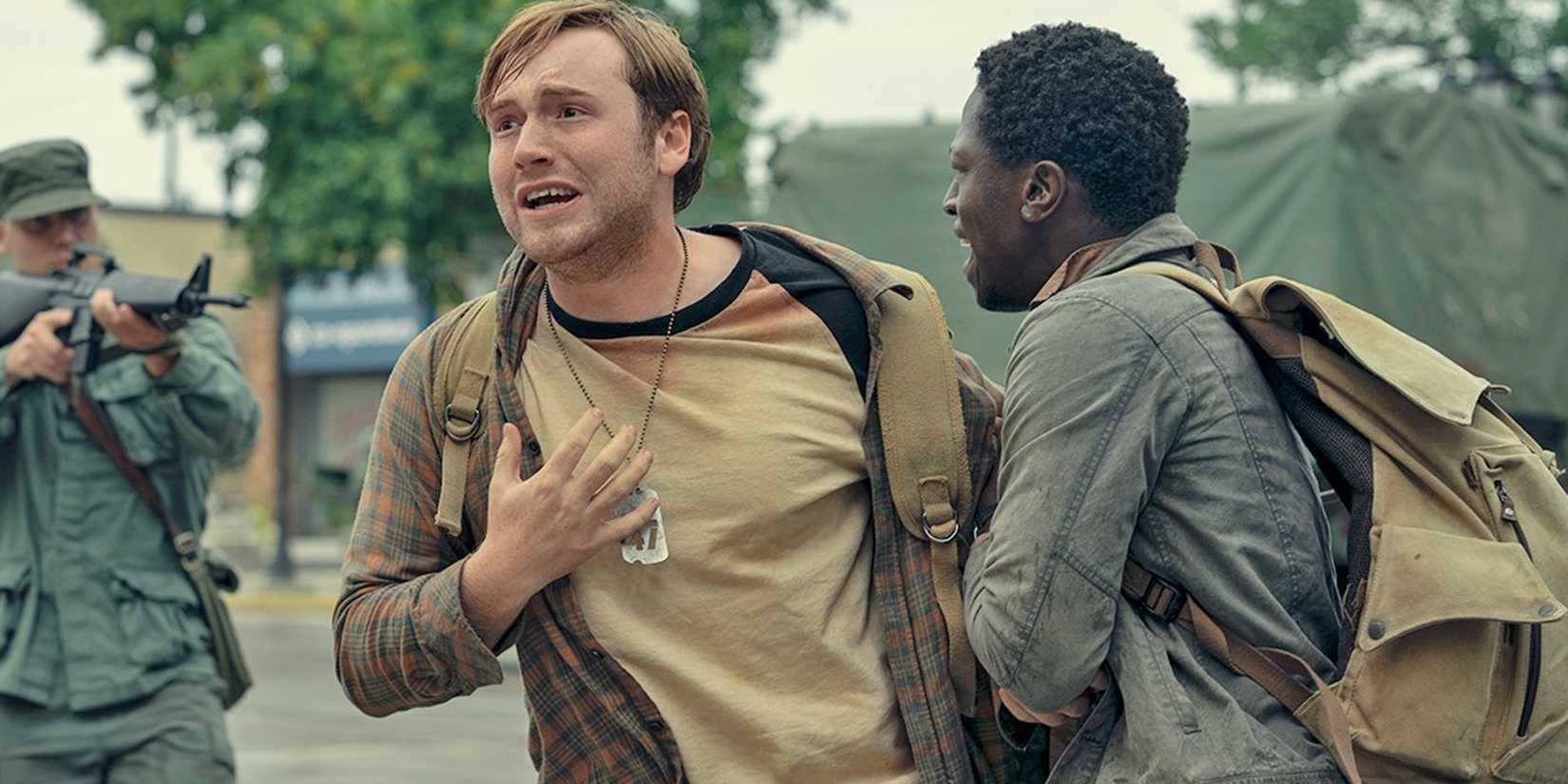
In the movie, Garraty’s major emotional connection outside of the long walk is his mother. She is the one who drops him off at the beginning of the race, and who he sees when the walk eventually reaches his hometown of Freeport.
While Garraty’s mother does have a minor role in the book, the more overt relationship Garraty has is with his girlfriend, Jan. Jan is the person that Garraty sees in Freeport in the book, and whom he eventually collapses into when they reach the town.
In both versions of the story, McVries is the one who saves Garraty by pulling him away. However, in the novel, it’s made clearer that Garraty has fully lost any hope of winning by that point and even intends to let himself be killed. In the movie, Garraty’s reunion with his mother is emotional but doesn’t come with that overt self-destructive element.
The Movie Cut Scramm (And Gave His Wife To Hank)
One of the more notable walkers in the book is Scramm, who is established early on as the Vegas odds-favorite to win the entire competition. Scramm also has a pregnant wife, which he initially believes will motivate him to victory. However, he develops pneumonia and ends up allowing himself to die after the others promise to provide for his family.
Scramm is cut entirely from the movie version of The Long Walk, with many elements of the character split between Hank Olson and Stebbins. Hank is given a wife back home (although it’s not revealed if she’s pregnant). This reveal comes after he’s already died, although the group still vows to provide for her.
Stebbins has his physical traits amplified somewhat, taking on Scramm’s strength, speed, and endurance. He is also affected by an illness during the walk, preventing him from actually becoming the winner. Although it’s not clear if it’s pneumonia, Stebbins ends up suffering a similar fate to Scramm from the book.
Hank Olson’s Death Is Even More Horrifying In The Book

Hank Olson is one of the more talkative members of The Long Walk‘s cast, and in the movie, he’s one of the first characters that audiences connect with before he dies. Although their deaths are fairly similar in both versions, the book takes things even further.
In both versions of this story, Olson is left almost catatonic by this walk. Eventually reaching his limit, Olson makes a scene by attacking soldiers — getting shot as a result. In this film version, Olson is left on street to bleed out instead of being put out of his misery, serving as a warning for other walkers.
In contrast, Olson initially ignores gunshot wounds he suffers and keeps trying to move forward in book version.This results in him being shot several more times, with Olson explicitly still walking even as his intestines hang out of his body. It’s only after he collapses that he dies at which point he’s shot again to ensure he’s dead.

Here you can find the original article. The photos and images used in our article also come from this source. We are not their authors and they have been used solely for informational purposes with proper attribution to their original source.[nospin]
[INPUT_HTML_END]