

Key Insights
- Cinematic Genius: True cinematic genius is rare and transcends mere technical skill.
- Influential Directors: The directors listed have profoundly impacted the art of filmmaking.
- Unique Styles: Each filmmaker has a distinct style that reshapes audience perceptions of cinema.
- Lasting Legacy: Their works continue to inspire and influence generations of filmmakers.
The word “genius” gets thrown around far too casually in film discourse. Any director who makes a great movie or two can find themselves saddled with the label, but true cinematic genius is something rarer, deeper, and harder to define. It’s not just about craft or technical mastery but about vision, audacity, and the ability to reshape how we see movies — maybe even the world itself.
A cinematic genius leaves fingerprints on every frame, builds images and rhythms that feel unlike anyone else’s, and often changes the art form in their wake. The storytellers on this list all fit that bill. Their work is studied, debated, worshiped, and often imitated, albeit seldom matched. If cinema had a Mount Rushmore, their faces would be carved in the rock.
Quentin Tarantino
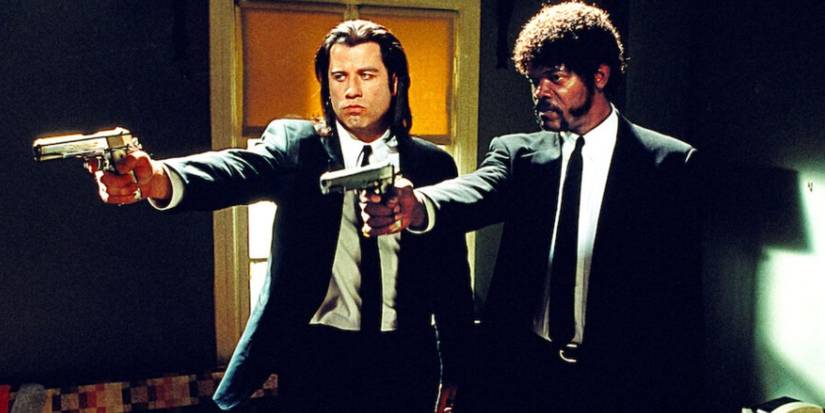
Quentin Tarantino is one of the few modern filmmakers whose name alone guarantees a distinct cinematic experience. “Tarantinoesque” has become an adjective for a reason. Bursting onto the scene in the 1990s with Reservoir Dogs and <em>Pulp Fiction</em>, QT reinvigorated indie cinema through his sharp, pop-culture-soaked dialogue and nonlinear storytelling. He blends genres into something uniquely his own, pulling from sources as varied as kung fu flicks, spaghetti Westerns, blaxploitation, and grindhouse schlock.
Yet beneath the surface style, his films also pulse with an encyclopedic love for cinema, referencing everything from French New Wave to Hong Kong action films. Conversations quotes other movies, shots and edits are borrowed wholesale from other filmmakers, giving them a strange postmodern edge. On top of that, Tarantino’s plots are simply killer, the dialogue is vivid, and his best characters, like Jules Winnfield, The Bride, and Hans Landa, are instantly iconic. At their best, Tarantino’s movies are a powerful reminder of how fun the medium can be.
Jean-Luc Godard
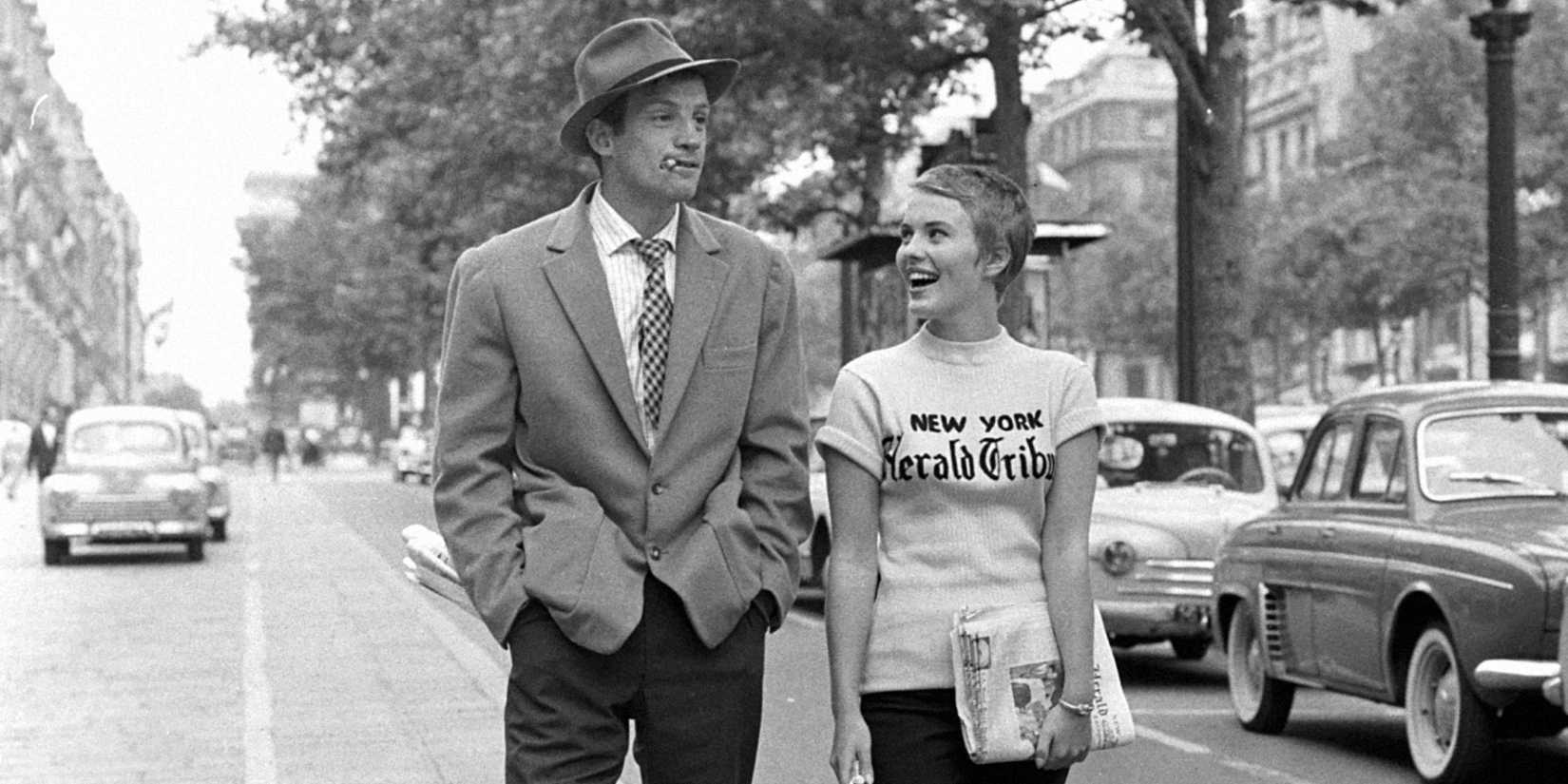
Jean-Luc Godard was the enfant terrible of the French New Wave, a director who refused to play by cinema’s rules and in doing so rewrote them. In particular, he rejected Hollywood polish in favor of raw immediacy, intellectual depth, and playful provocation. His groundbreaking film Breathless, released in 1960, shattered conventions with its jump cuts, fourth-wall breaks, and radical storytelling, setting the stage for decades of experimentation. Sixty-five years later, that movie still feels bold and fresh, and many directors have cited it as a foundational influence.
Works like Contempt, Pierrot le Fou, and Weekend mixed philosophy, politics, and genre deconstruction in even more striking ways. Godard’s brilliance lay in forcing audiences to notice film as a constructed medium, reminding us of the artifice while still enthralling us emotionally and intellectually. He was never afraid to take risks or alienate his audience, an approach that opened up countless cinematic possibilities. By dismantling tradition, Godard liberated generations of filmmakers.
Federico Fellini
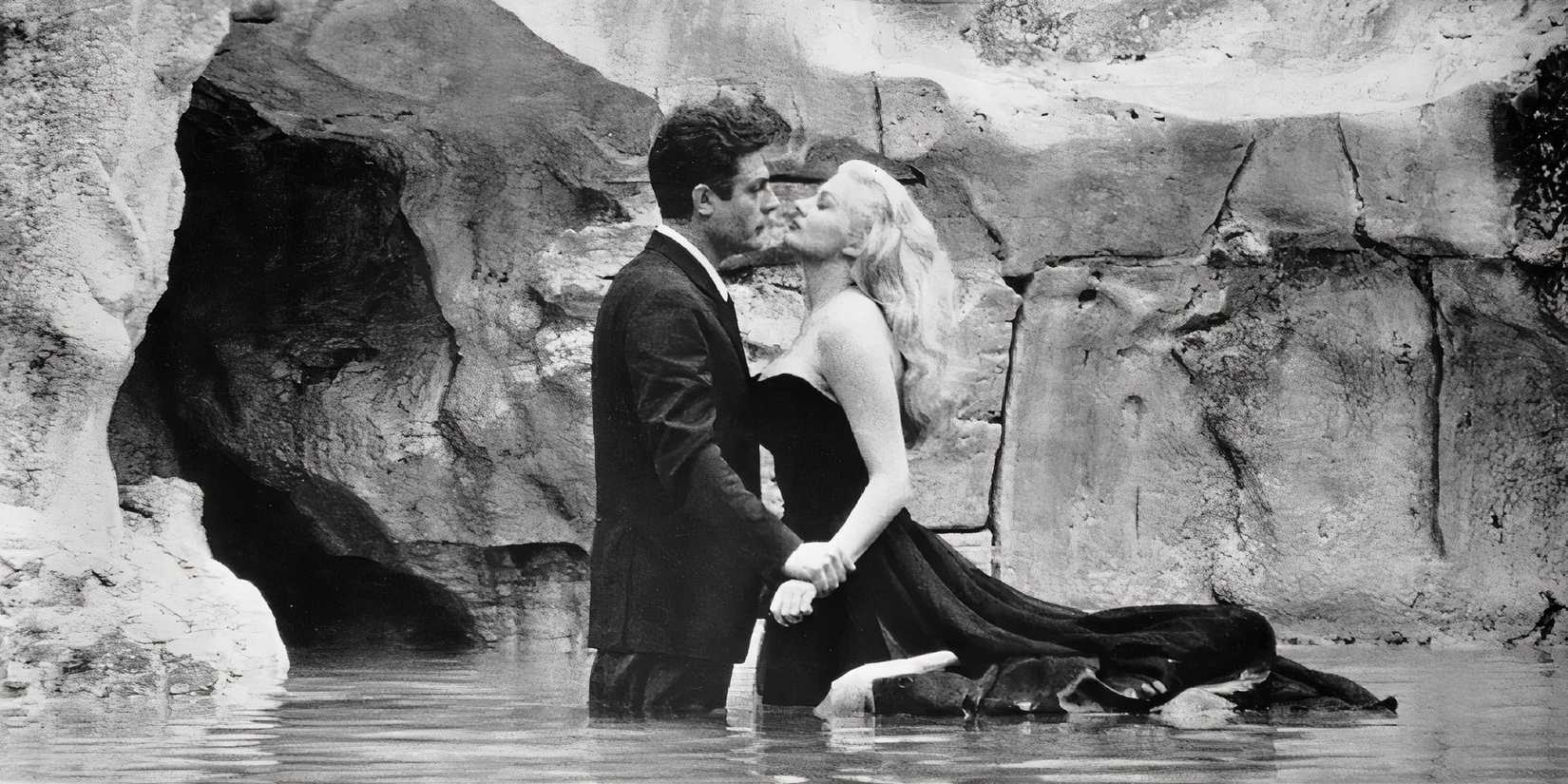
Federico Fellini turned cinema into a circus of dreams, memory, and desire. His style was a fusion of earthy realism and surreal fantasy. Starting with neorealist films like <em>La Strada</em> and Nights of Cabiria, Fellini eventually leaned toward the flamboyant and autobiographical, culminating in La Dolce Vita and 8½. Perhaps most of all, Fellini excelled at transforming personal reflection into universal stories, using spectacle to explore loneliness, faith, and the search for meaning.
Where others sought narrative clarity, Fellini embraced chaos and dream logic. His films frequently meld the beautiful and the grotesque: priests and clowns, aristocrats and peasants, the holy and the profane, all coexisting in carnivalesque tableaux. In this regard, they often drew visual inspiration from baroque art, translating that sensibility to the silver screen. Practically every significant filmmaker since has cited Fellini as an inspiration, from Martin Scorsese and George Lucas to Greta Gerwig and Ari Aster.
Steven Spielberg
Steven Spielberg is the most successful director of all time… and yet he’s arguably still kind of underrated. When it comes to combined blockbuster entertainment with genuine artistry, he is quite literally unmatched. From Jaws and E.T. to Jurassic Park and Schindler’s List, Spielberg has mastered practically every genre: adventure, science fiction, historical drama, and even war films. This remarkable versatility is paired with an ability to inject wonder, fear, or sorrow into universal human experiences.
Spielberg’s movies often center on ordinary people caught in extraordinary circumstances, giving spectacle a relatable emotional core. His legacy speaks for itself. Spielberg’s technical mastery has shaped the visual grammar of modern cinema, so much so that it’s easy to forget that a lot of these techniques originated with him. At the same time, his serious works likeSaving Private Ryan andMunich prove he’s as adept at confronting history as he is at thrilling families.
Ingmar Bergman
…
…
…
…
…
…
…
…
…
…
…
…
…
…
…
…
…
…
…
…
…
…
…
…
…
…
…
…
…
…
…
…
…
…
…
…
…
…
…
…







