
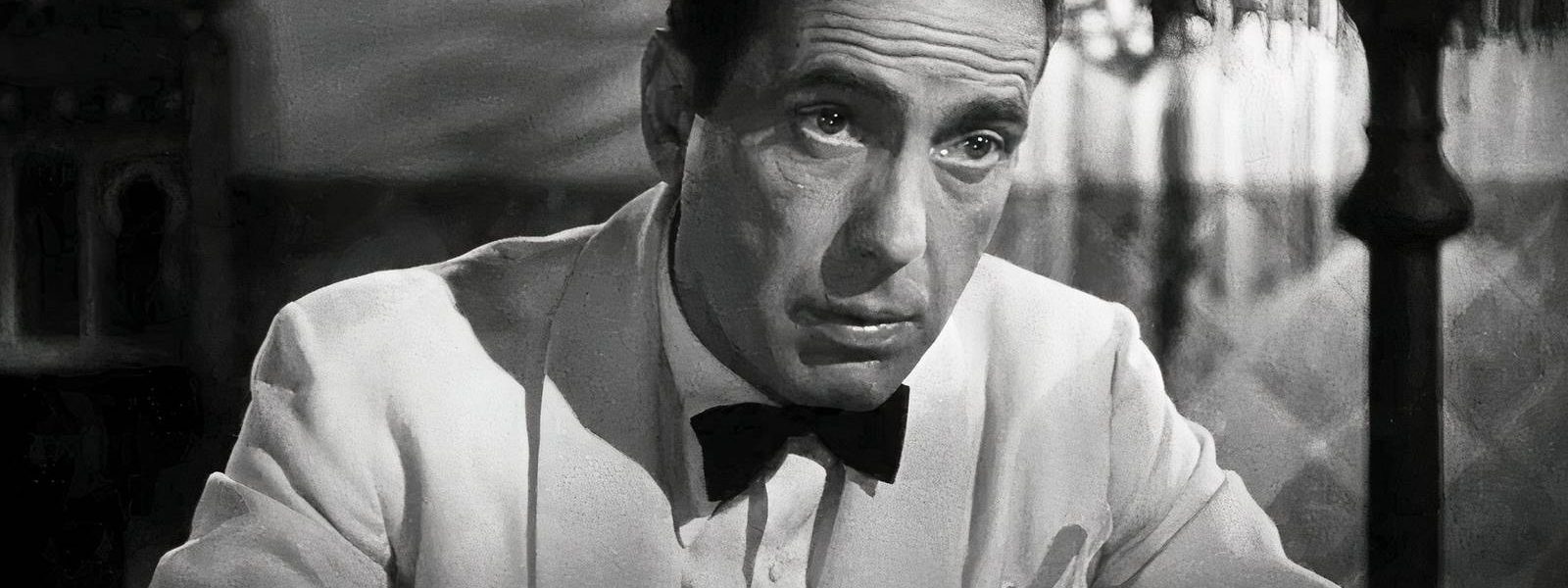
1942 was a year when Hollywood and world cinema were responding to global upheaval. The shadow of World War II hung over everything, and filmmakers were telling new stories about resilience, romance, suspense, and moral conviction. The best films of that year balanced wartime urgency with timeless human emotion, from shadowy noirs and daring political comedies to sweeping melodramas and animated masterworks.
These were movies that comforted, challenged, and inspired audiences in uncertain times, while advancing the craft of classical filmmaking. More than eight decades later, they still hold up.
10
‘This Gun for Hire’ (1942)
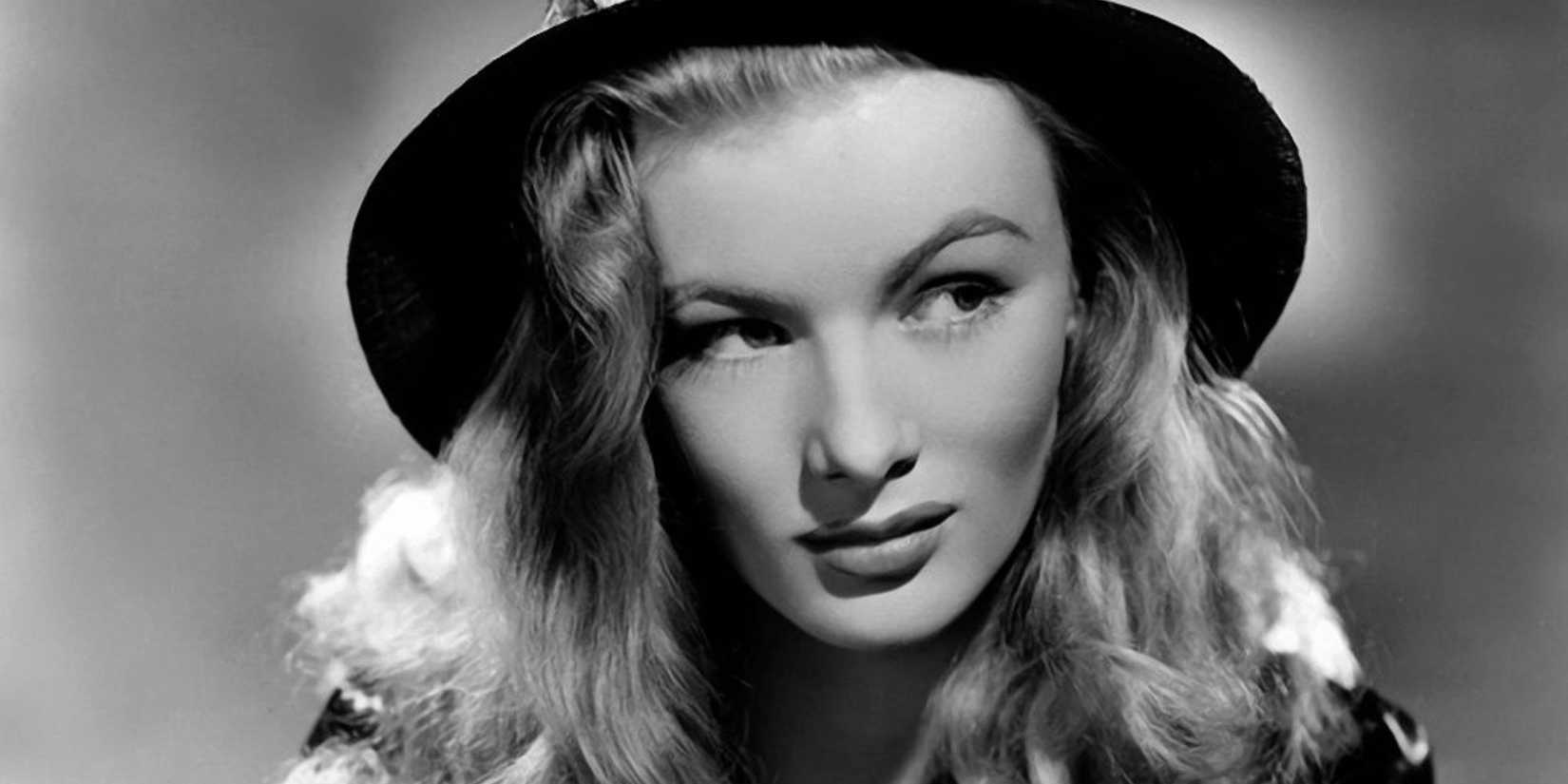
“I work alone. I always have.” In This Gun for Hire, Alan Ladd delivers a breakthrough performance as Philip Raven, a cold and methodical hitman betrayed by the employer who hires him. As Raven seeks revenge, his path intersects with nightclub singer Ellen Graham (Veronica Lake), who becomes entangled in a conspiracy involving industrial espionage and wartime intrigue. Their chemistry, wary, tender, and edged with distrust, established the stars as one of classic Hollywood’s defining duos. They would go on to collaborate three more times.
Director Frank Tuttle handles their intertwined stories with shadowy elegance, establishing many of the conventions that would define film noir. Visually, the movie embraces the stylistic hallmarks of noir: low-key lighting, deep shadows, urban nightscapes, and claustrophobic interiors. The shot framing frequently isolates Raven within stark compositions. All this amplifies the themes of identity and betrayal, which very much spoke to the day’s wartime anxieties.
9
‘Mrs. Miniver’ (1942)
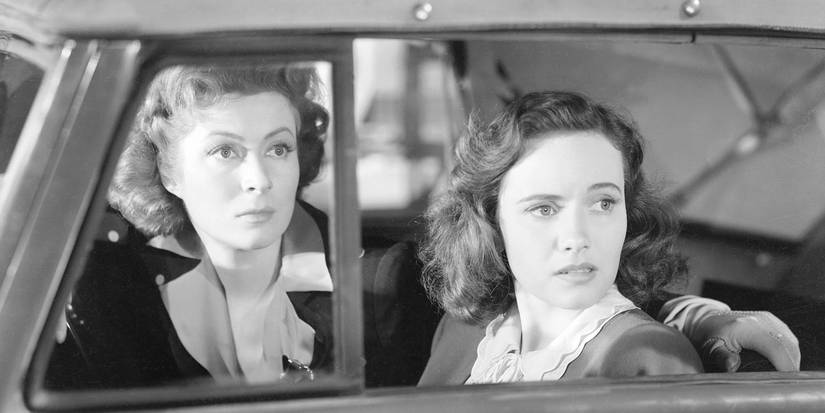
“This is the people’s war.” That year’s Best Picture winner, Mrs. Miniver follows the everyday struggles of the Miniver family as they navigate air raids, separation, and uncertainty in an English village during World War II. At the heart of the story, Kay Miniver (Greer Garson) becomes a symbol of quiet strength, maintaining her household while supporting the war effort and caring for her loved ones. The star’s performance, for which she won the Best Actress Oscar, very much anchors the movie.
Released in 1942, as the United States had just entered the war, Mrs. Miniver served as a powerful piece of morale-building cinema. (Indeed, so much so that Joseph Goebbels considered it a formidable work of propaganda). Yet the film’s effectiveness lies in character, not rhetoric. Rather than glorifying conflict or big actions, it simply honors perseverance. The focus is on the family level, playing out against family dinners, village flower shows, and church gatherings instead of battlefields.
8
‘Now, Voyager’ (1942)
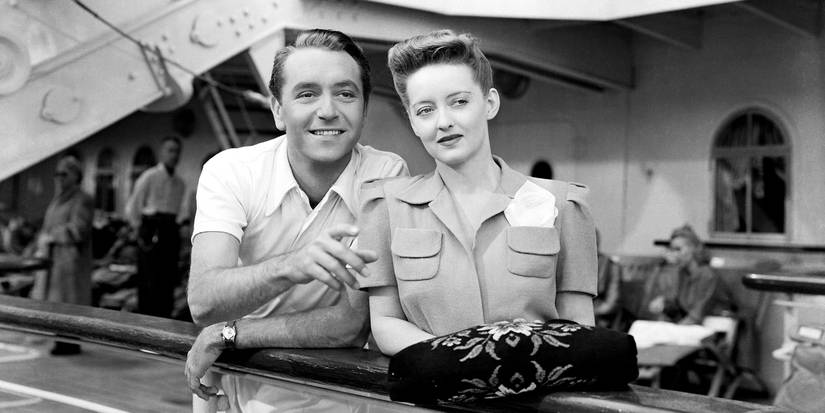
“Don’t let’s ask for the moon. We have the stars.” In Now, Voyager, Bette Davis is Charlotte Vale, a repressed woman dominated by her controlling mother. After undergoing treatment at a sanatorium, Charlotte emerges with newfound confidence and embarks on a transformative journey. Her encounter with a married man, Jerry Durrance (Paul Henreid), soon changes her understanding of independence and love. While certainly dated, Now, Voyager is nevertheless a solid study of personal awakening.
Davis’ performance is great. She charts Charlotte’s evolution with remarkable subtlety, convincingly going from hunched insecurity to poised self-assurance. Yet the story never settles for simple wish fulfillment. Charlotte’s romance cannot culminate in conventional happiness. Instead, the film embraces emotional maturity over fairy tale endings, which is a refreshing change of pace for a 1940s movie. Plus, this was also one of the earliest Hollywood depictions of psychotherapy, and it’s more grounded and realistic than one might expect for the era.
7
‘Yankee Doodle Dandy’ (1942)