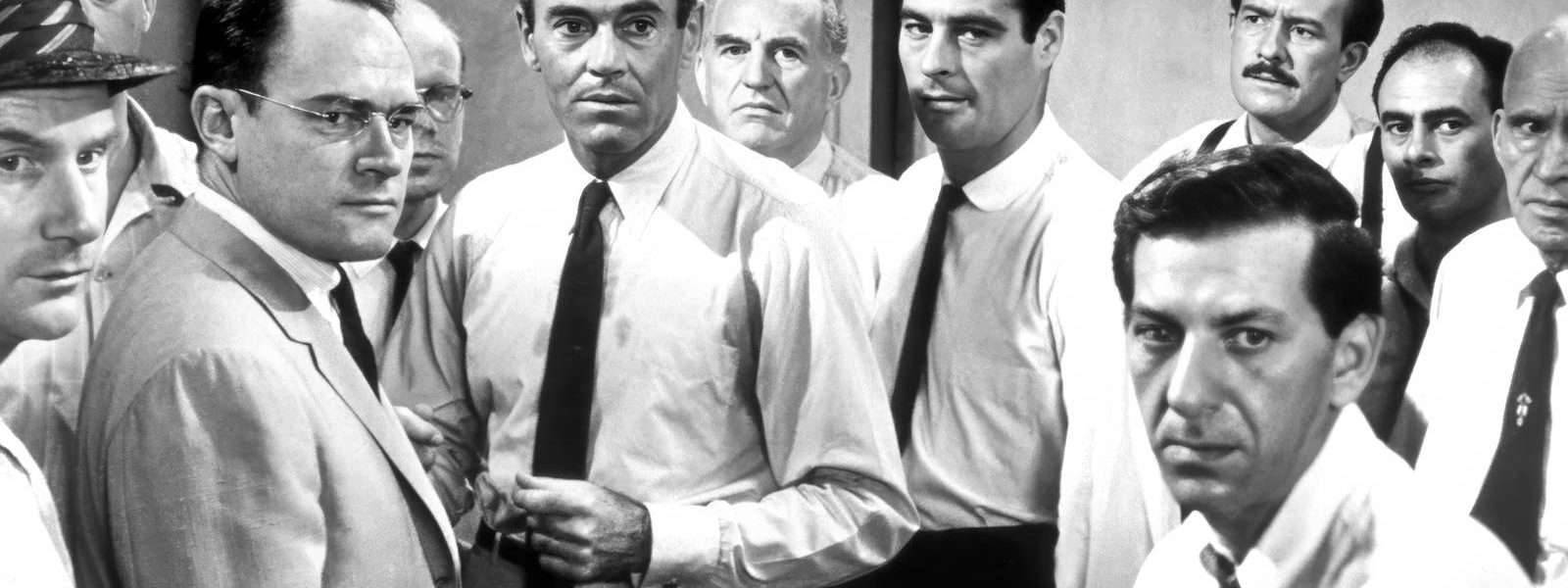
1957 was a solid year for cinema, one where the medium seemed to be maturing in multiple directions at once. Hollywood was still capable of grand studio craftsmanship, but cracks were forming in the old narrative formulas that had dominated earlier decades. At the same time, filmmakers outside the US were pushing boldly into new philosophical, psychological, and existential terrain.
The titles below represent some of the most enduring classics to come out of that year. They cover a range of styles and tones, from bitter war dramas to pulpy sci-fi, character studies to ambitious Shakespeare adaptations.
10
‘The Incredible Shrinking Man’ (1957)
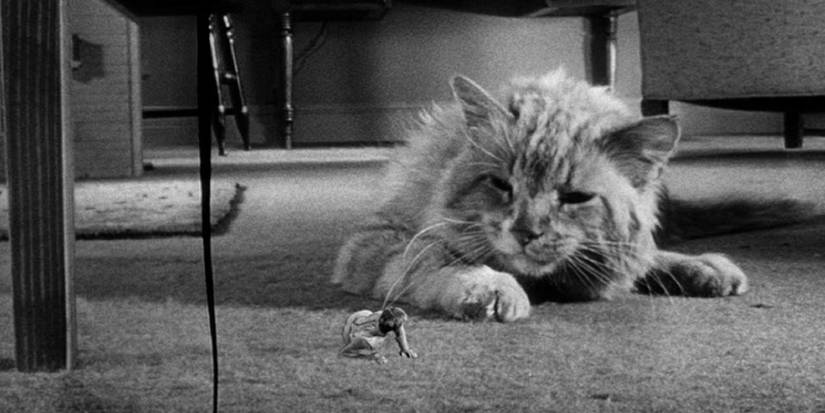
“I still exist.” ‘Although quaint and dated by today’s standards, The Incredible Shrinking Man deserves props for being an inventive, pioneering work of ’50s sci-fi, inspiring so many stories that would follow. (Without it, there is no Ant-Man, for example.) The premise is simple and entertainingly pulpy: ordinary man Scott Carey (Grant Williams) is exposed to a mysterious radioactive cloud and begins to shrink uncontrollably. As his body diminishes, his life collapses around him: his marriage strains, his independence vanishes, and he becomes trapped in his own home.
The plot escalates from social discomfort to outright survival horror as Scott is reduced to navigating a basement filled with everyday threats like spiders and falling debris, now rendered gargantuan in comparison to him. Most genre movies would stop there, but The Incredible Shrinking Man goes further, striving to be a little philosophical. Scott’s narration frames his physical reduction as a spiritual reckoning, forcing him to redefine his place in the universe.
9
‘An Affair to Remember’ (1957)
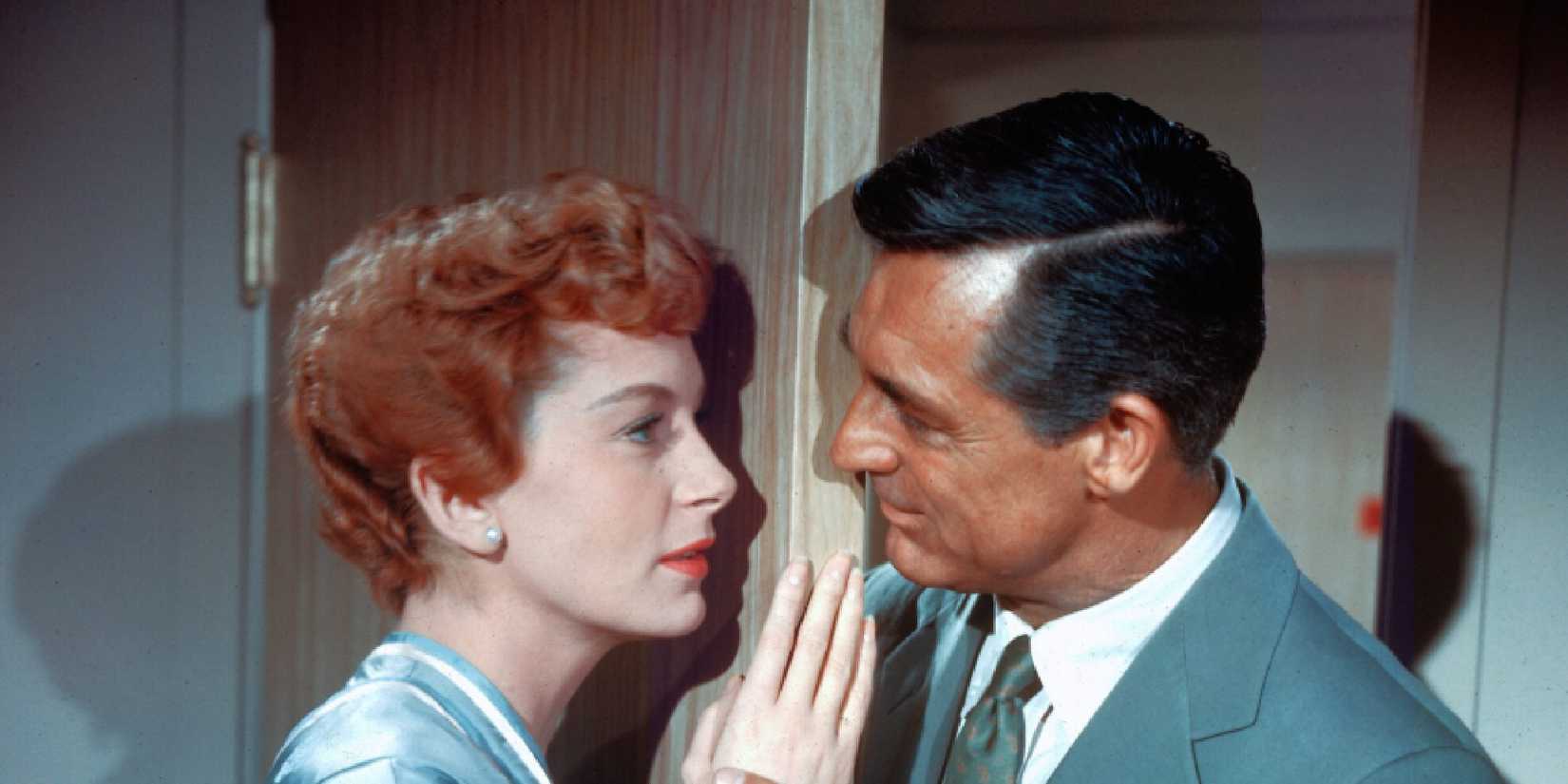
Image via 20th Century Studios
“If you can paint, I can walk.” An Affair to Remember is a finely crafted romance from director Leo McCarey, who worked on the likes of Duck Soup and Going My Way. This one follows Nickie (Cary Grant) and Terry (Deborah Kerr), two strangers who meet aboard an ocean liner and fall in love despite being engaged to other people. They agree to reunite months later at the top of the Empire State Building, believing fate will guide them back together. But when tragedy intervenes, misunderstandings and pride keep them apart.
Rather than being melodramatic, An Affair to Remember is sincere and restrained. It takes romance seriously, treating love not as infatuation but as a commitment shaped by patience and sacrifice. It allows the emotion to accumulate slowly. The performances are fittingly measured, letting small gestures and pauses carry weight. All this builds up to a fantastical and memorable final act.
8
‘Nights of Cabiria’ (1957)
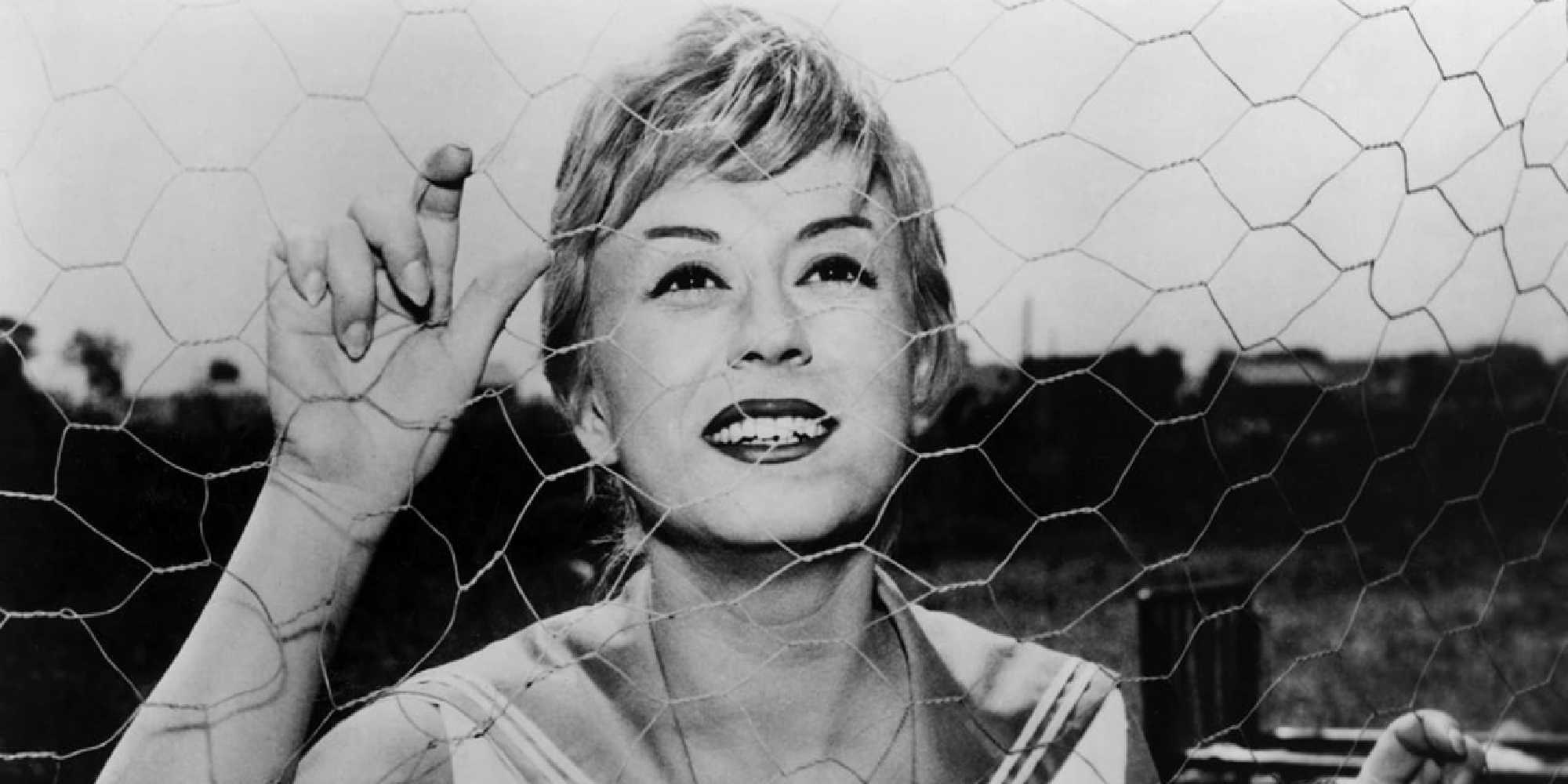
“Why do I have to suffer so much?” Nights of Cabiria is one of many masterpieces by the great Federico Fellini. It revolves around Cabiria Ceccarelli (Giulietta Masina), a small-time sex worker living on the outskirts of Rome, whose boundless optimism repeatedly collides with cruelty and betrayal. The plot unfolds episodically, presenting a series of encounters that test her spirit. Over the course of the story, she is robbed, humiliated, abandoned, and deceived, yet she continues to hope for love and dignity.
This could have been a grim morality tale or a didactic social commentary, but instead, Federico makes it a compassionate character study. He refuses to mock or sentimentalize Cabiria, instead allowing her contradictions to coexist: toughness and vulnerability, cynicism and hope. The final scene, often cited as one of the most moving endings in movie history, crystallizes the film’s central insight: that endurance itself can be a form of grace.
7
‘Sweet Smell of Success’ (1957)