The New Hollywood era marks a significant period in cinema history, particularly during the 1970s, when filmmakers were granted unprecedented freedom from studio constraints. This creative liberation allowed directors and writers to delve into innovative storytelling and emotional depth, resulting in some of the most iconic and enduring American films ever made. While the 1970s is often celebrated for its remarkable American productions, global cinema flourished during this decade as well, introducing audiences to a plethora of masterful films that have since been immortalized as classics. Noteworthy films that embody the essence of 70s cinema include A Clockwork Orange, Chinatown, The Deer Hunter, The Last Picture Show, Badlands, All the President’s Men, the entire body of work by Andrei Tarkovsky, as well as Jeanne Dielman, among many others. This list serves as just the starting point for exploring the rich and inventive landscape of this remarkable decade in cinematic history.
You don’t need to be a die-hard cinephile to appreciate the significance of the 1970s. Even those who casually enjoy movies may unknowingly be fans of the decade, given the sheer volume of influential works that emerged during this time. Through an American lens, certain films have become so iconic and deeply rooted in popular culture that viewing them is essential for understanding the myriad references that pervade everyday conversations and media. The films listed below are not only culturally significant but also aesthetically important, and they are best understood when examined in the context of their release years.
10
‘The Godfather’ (1972)
Directed by Francis Ford Coppola
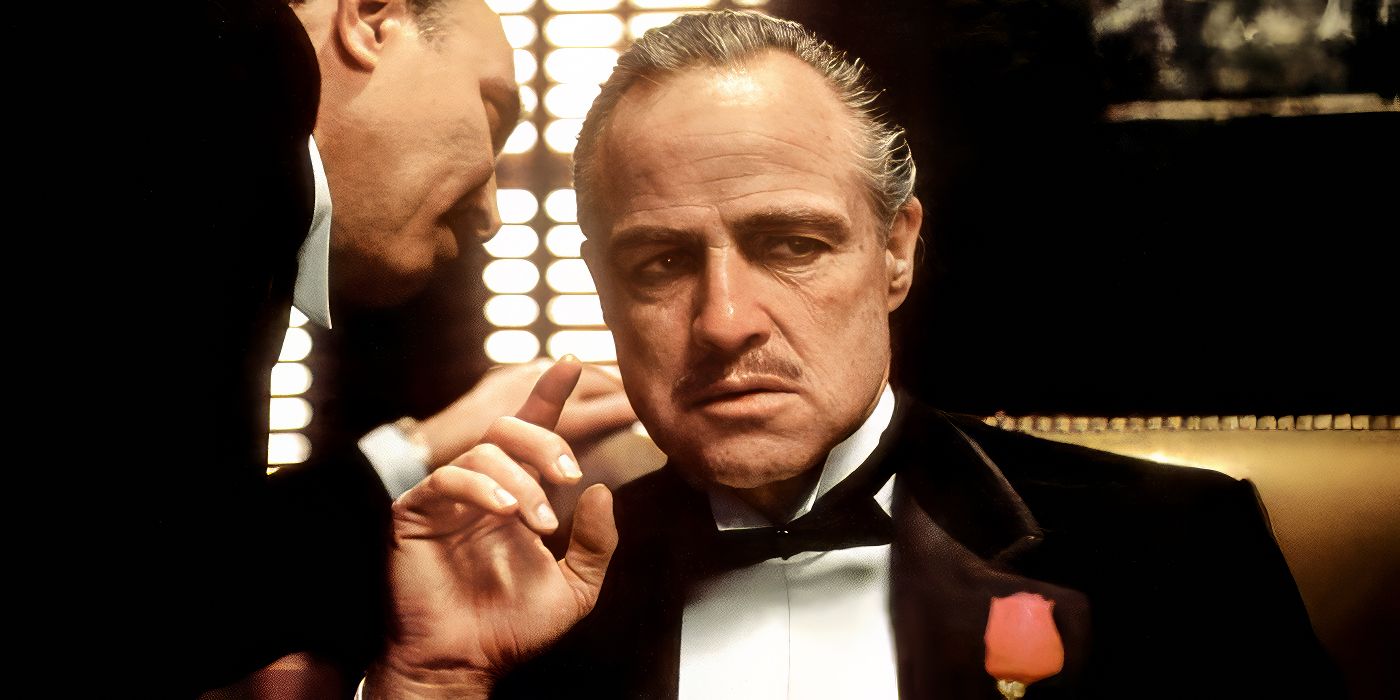
It’s impossible to discuss influential films without starting with The Godfather. This cinematic masterpiece has become so deeply embedded in our culture that even those who do not consider themselves movie enthusiasts are familiar with its iconic quotes and scenes, from the infamous “offer you can’t refuse” to the chilling phrase about someone “sleeping with the fishes.” The portrayal of the mafia in this film was groundbreaking, and it is largely credited to the visionary direction of Francis Ford Coppola, who masterfully navigated complex themes of power, loyalty, and family.
Featuring unforgettable performances from acting legends such as Al Pacino, Marlon Brando, and Robert Duvall, this film remains a must-see for fans of dramatic storytelling and character-driven narratives. Although it runs just under three hours, the pacing and narrative structure keep the viewer engaged throughout its entirety. The sequel, Part II, also released in the 1970s, is often debated for its merits, but it is universally acknowledged that viewing the original is essential for context. Indeed, the first installment of The Godfather is often regarded as one of the greatest films of all time and played a pivotal role in shaping the cinematic landscape of the decade.
9
‘The Exorcist’ (1973)
Directed by William Friedkin
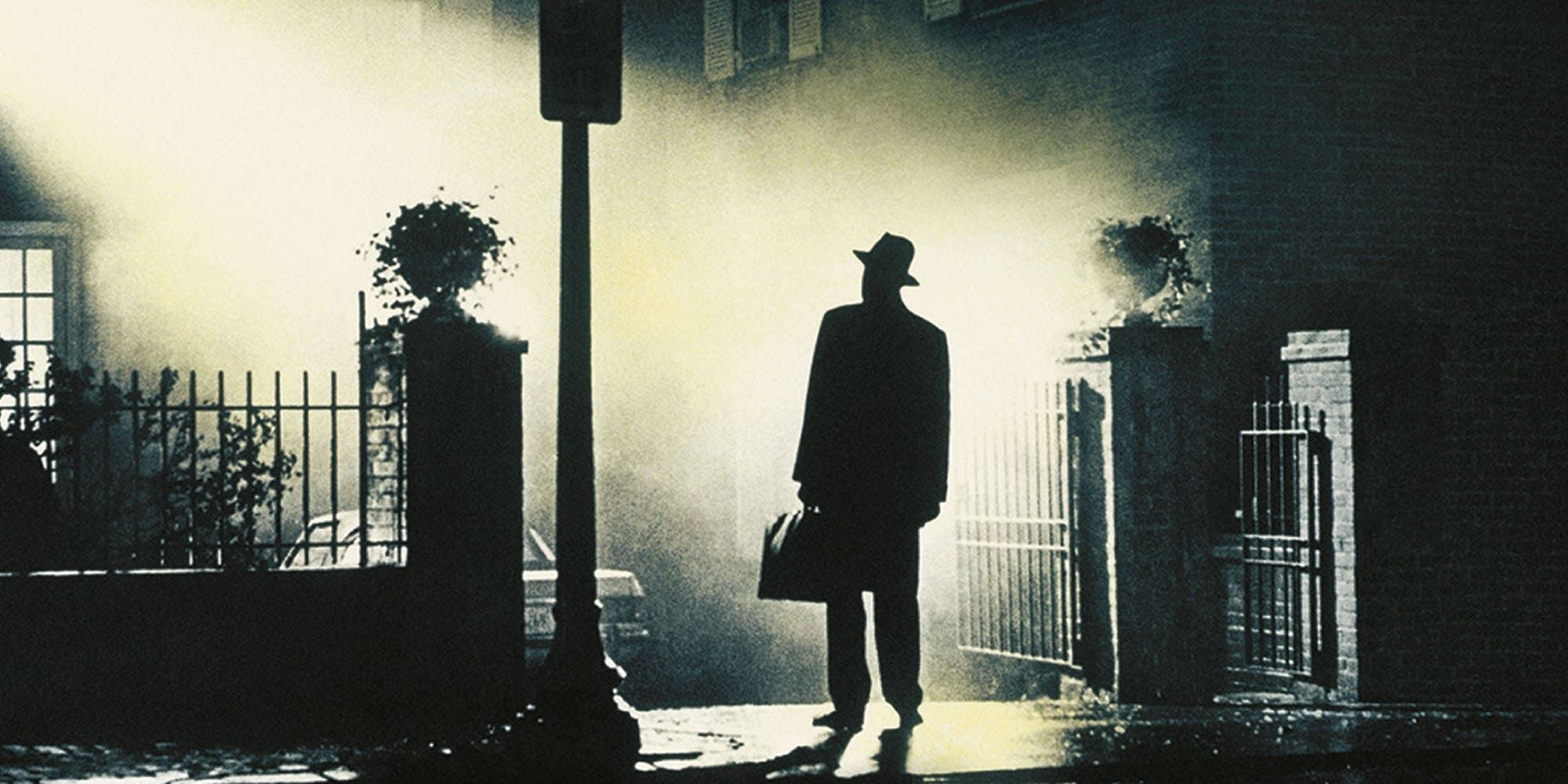
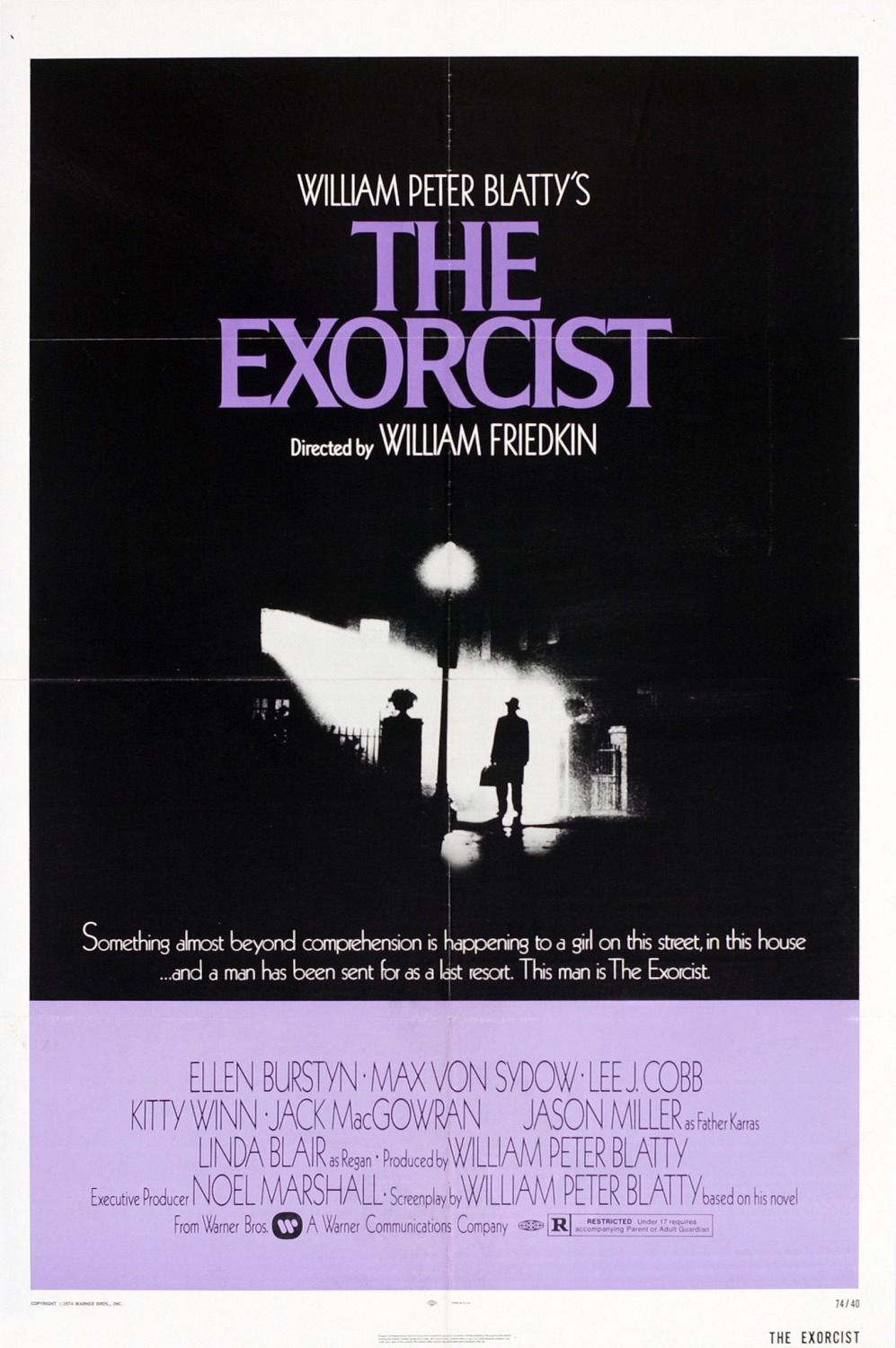
Even individuals who typically shy away from the horror genre are likely familiar with William Friedkin‘s The Exorcist. Much like The Godfather, it achieved both commercial success and critical acclaim. Although some viewers criticized its depictions of violence and religious themes, the film garnered an impressive ten Oscar nominations, ultimately winning two for Best Sound and Best Adapted Screenplay.
The phrase “The power of Christ compels you!” has seeped into popular culture, showcasing the film’s profound impact on the collective consciousness. Moreover, the film’s unsettling atmosphere is heightened by its chilling depiction of medical examinations, which perfectly encapsulate the desperate search for answers regarding a young girl’s drastic transformation in demeanor and appearance. As a pioneering work in the possession horror sub-genre, this film is widely regarded as one of the best horror films in cinematic history.
8
‘Jaws’ (1975)
Directed by Steven Spielberg
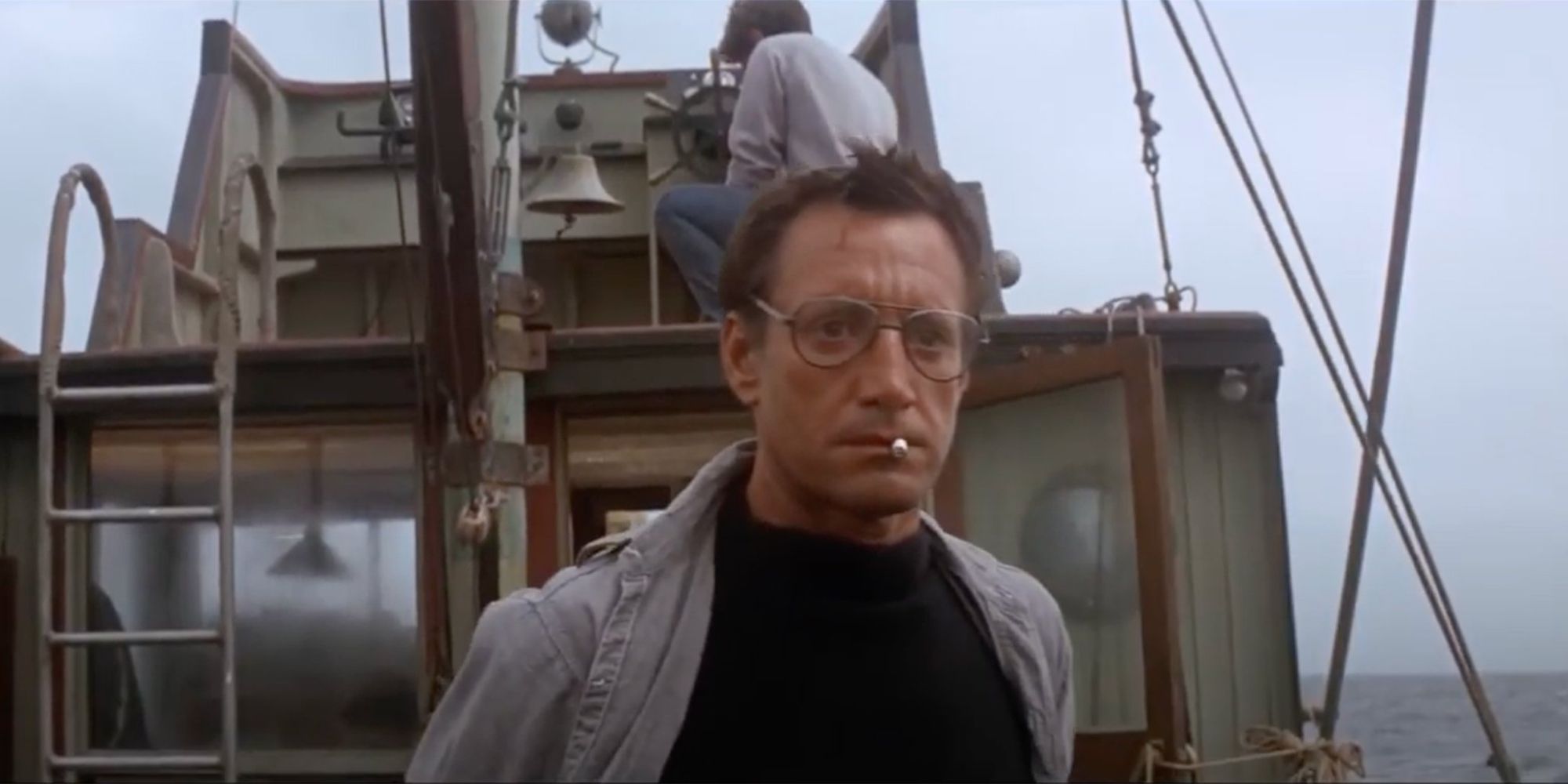
From the iconic score of John Williams that begins with a simple yet haunting two-note motif, Jaws has established itself as a cornerstone of American thriller cinema. Directed by Steven Spielberg, this film transcends traditional horror classifications and is often hailed as a captivating thriller that showcases the director’s unparalleled ability to create and maintain tension. The plot centers around a menacing great white shark that terrorizes the small beach town of Amity Island, instilling fear in both residents and visitors alike.
The shark, which is mostly unseen for much of the movie, serves to heighten the suspense and dread throughout the film. Spielberg’s decision to keep the shark hidden for a significant portion of the runtime is a masterful move, as it compels the audience and characters to grapple with the uncertainty of its whereabouts, leading to a heightened sense of anticipation. While the film may not be the most scientifically accurate portrayal of sharks, it remains a hallmark of cinematic achievement, solidifying Spielberg’s reputation as one of the greatest filmmakers in history.
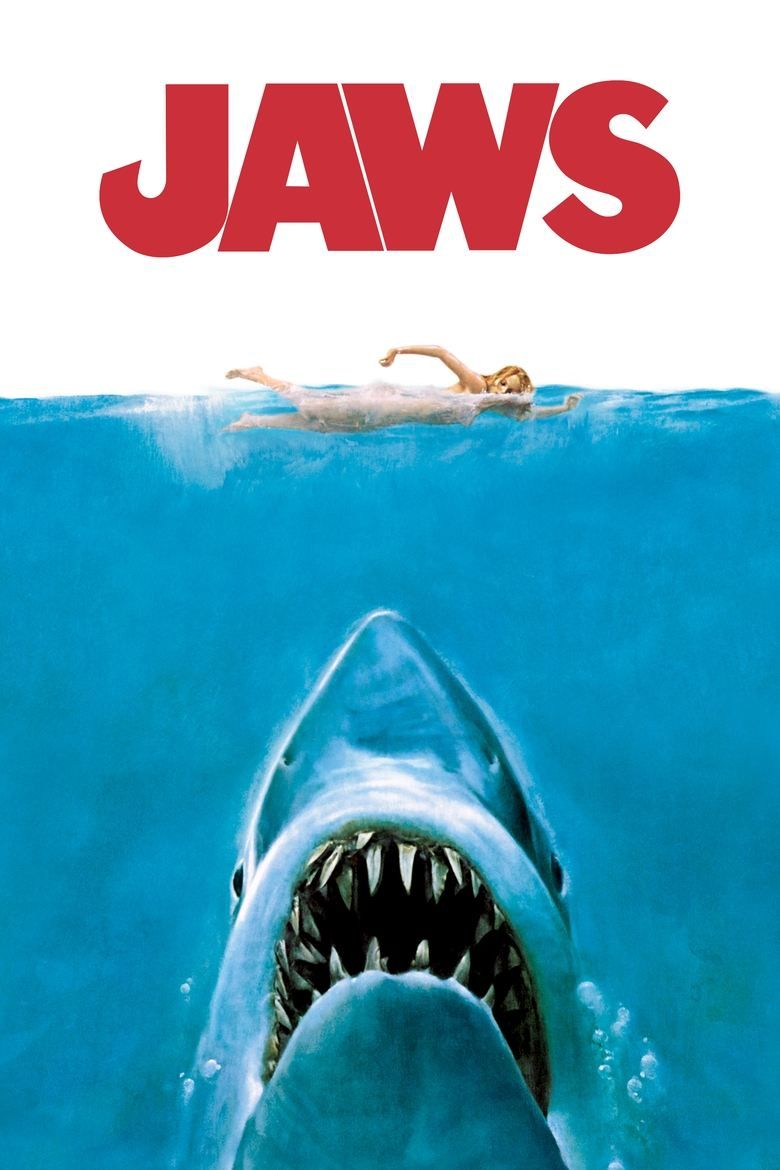
Jaws
- Release Date
-
June 20, 1975
- Runtime
-
124 minutes

7
‘One Flew Over the Cuckoo’s Nest’ (1975)
Directed by Milos Forman
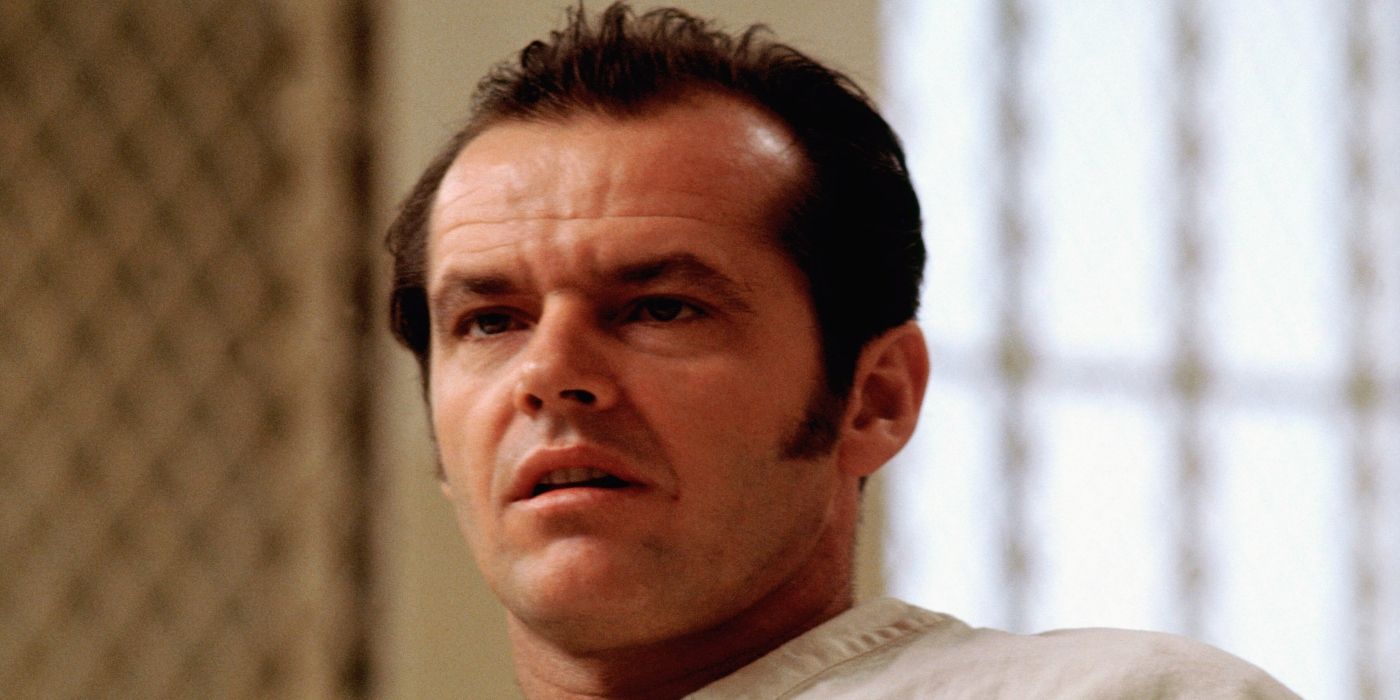
One Flew Over the Cuckoo’s Nest is a powerful exploration of mental health and institutionalization, centered around the character Randall McMurphy, portrayed by the brilliant Jack Nicholson. McMurphy feigns insanity to escape a prison sentence, only to discover that life in a mental health facility under the strict control of Nurse Ratched (Louise Fletcher) is far from the refuge he expected. The film offers a rich tapestry of humor, insight, and poignant drama as it navigates themes of freedom, conformity, and the human spirit.
The performances in this film are nothing short of extraordinary, with every actor contributing to the film’s authenticity. The screenplay, adapted from Ken Kesey‘s acclaimed novel, captures the essence of each character and their struggles, creating a timeless narrative that resonates even decades after its release. Cuckoo’s Nest remains a powerful Best Picture winner, urging viewers to reflect on the nature of sanity and the societal structures that govern us.
6
‘Rocky’ (1976)
Directed by John G. Avildsen
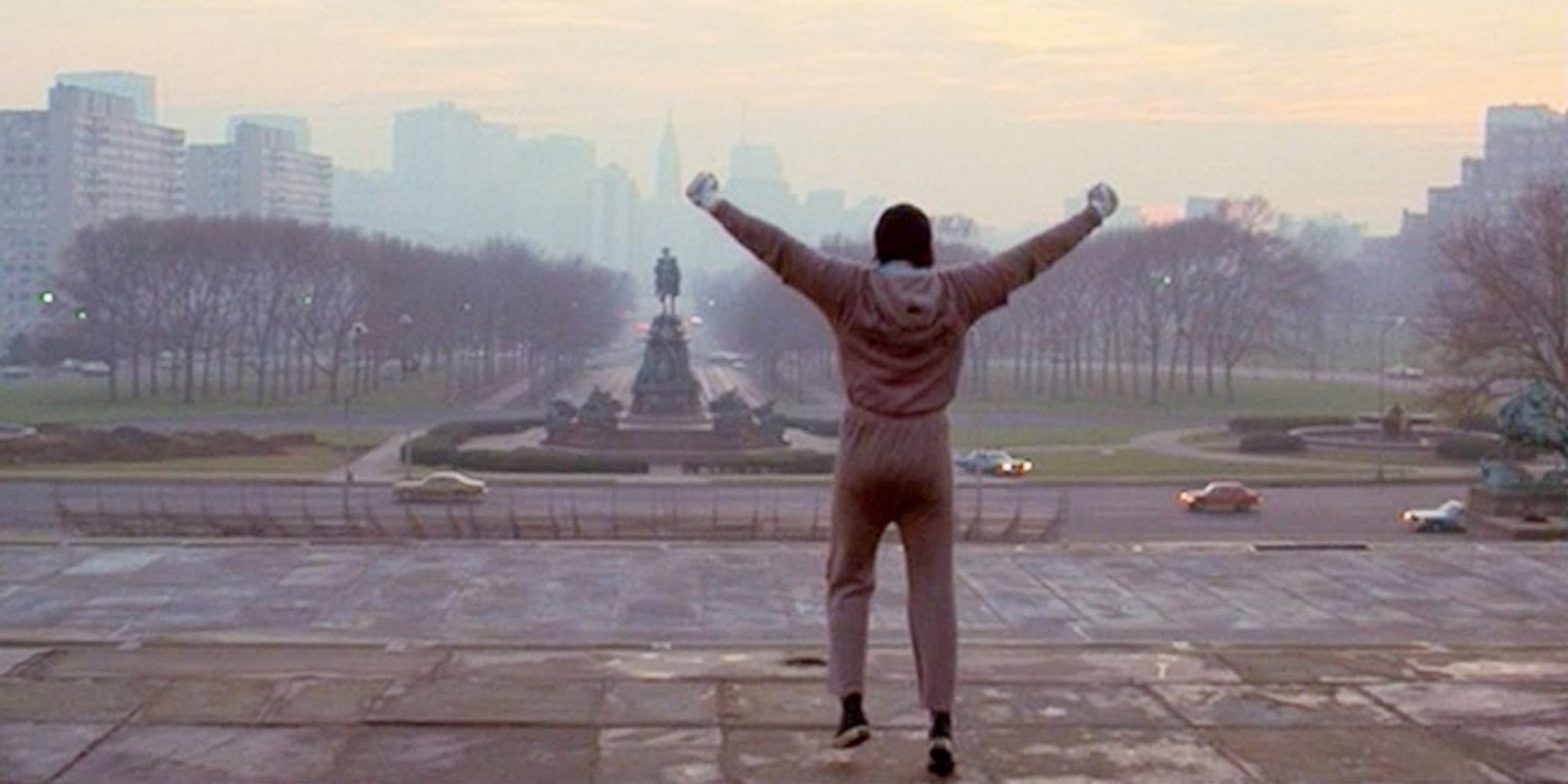
Rocky, directed by John G. Avildsen and written by its star Sylvester Stallone, is the quintessential underdog story, capturing the essence of the American Dream. The film follows Rocky Balboa, a down-and-out boxer who gets an unexpected shot at the heavyweight title against the reigning champion, Carl Weathers. One of the film’s most iconic moments occurs when Rocky is first approached about the title fight; he hesitates, revealing his deep-seated insecurities and doubts about his abilities.
Alongside his burgeoning romance with Adrian (Talia Shire), his mentorship with Mick (Burgess Meredith), and his complicated relationship with Paulie (Burt Young), Rocky presents a rich narrative that resonates with audiences, inspiring them to believe in their own potential. This film, which won the Academy Award for Best Picture, not only launched a successful franchise but also left a lasting impact on the boxing genre and popular culture as a whole.
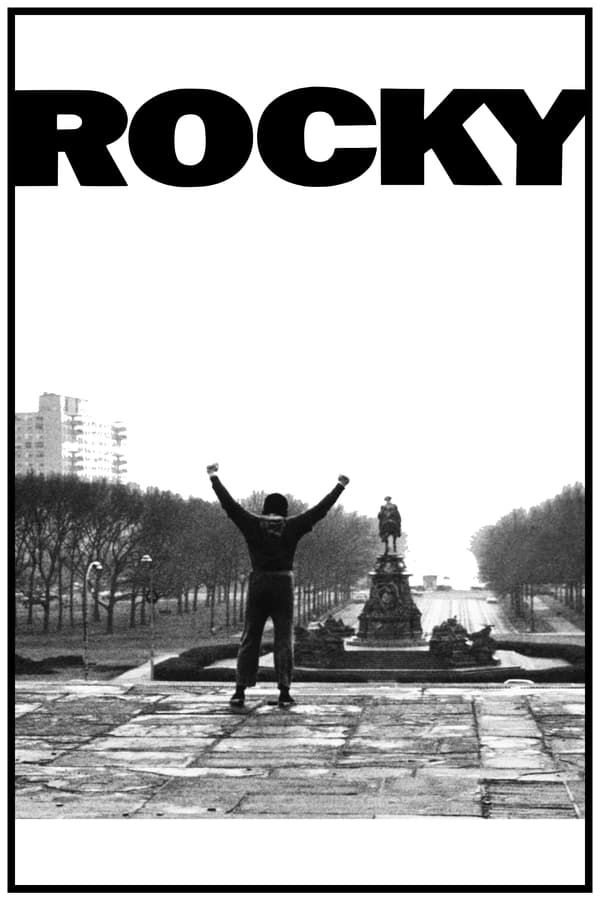
Rocky
- Release Date
-
November 21, 1976
- Runtime
-
120 Minutes
5
‘Network’ (1976)
Directed by Sidney Lumet
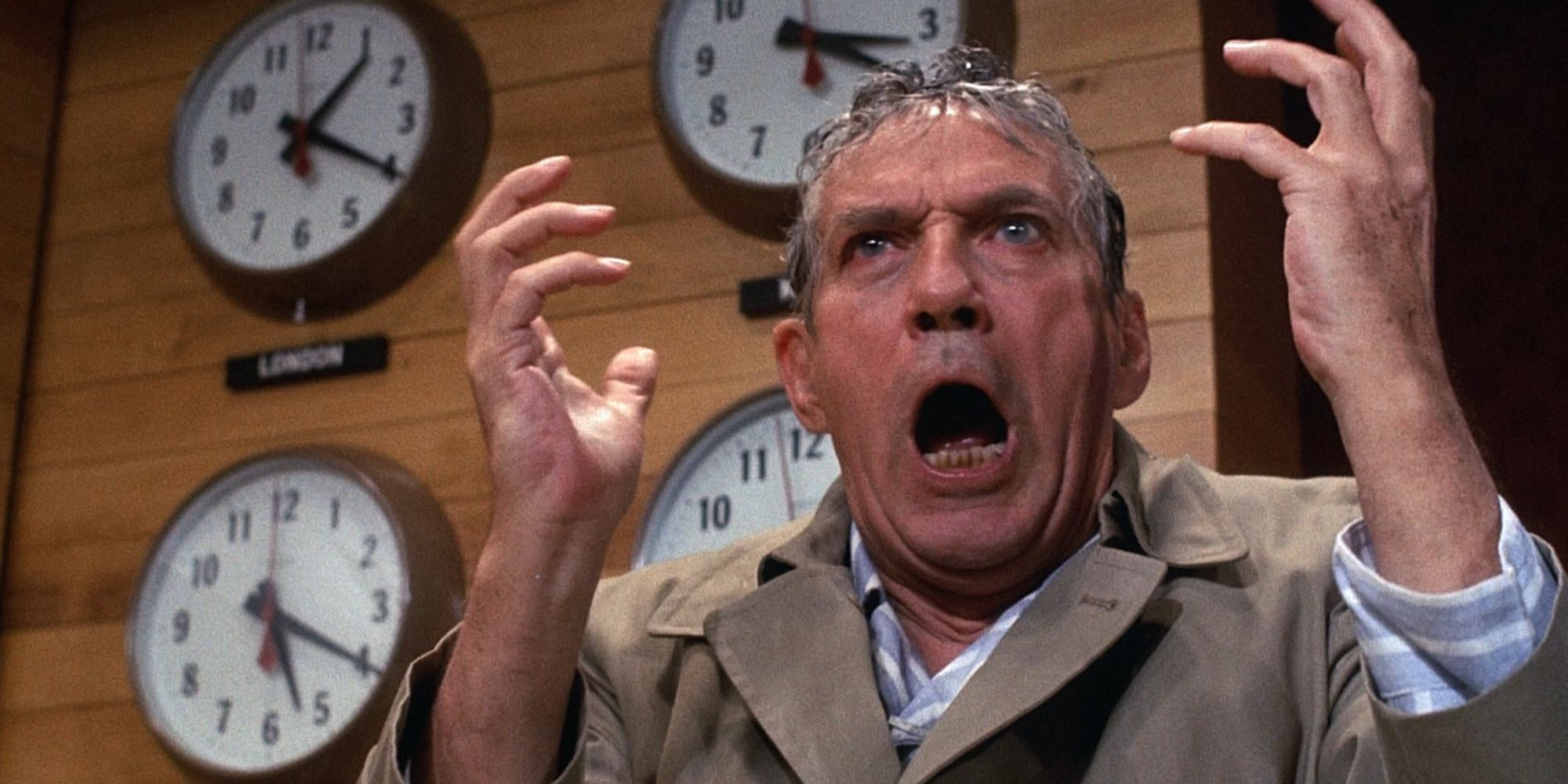
Network is a brilliant satire that delves into the world of television and the media’s impact on society. The film follows an aging news anchor, Howard Beale, portrayed by the dynamic Peter Finch, who becomes a voice of dissent against the corporate powers controlling broadcast news. Beale’s famous declaration, “I’m as mad as hell, and I’m not going to take this anymore!” resonates with audiences as he challenges the complacency of viewers, urging them to wake up and question the narratives they consume.
This film exposes the manipulative nature of television and its capacity to shape public perception, making it relevant even decades after its release. As we navigate an age of countless streaming platforms and media channels, Network serves as a cautionary tale about the dangers of sensationalism and the responsibility of consumers to critically engage with the content they consume.
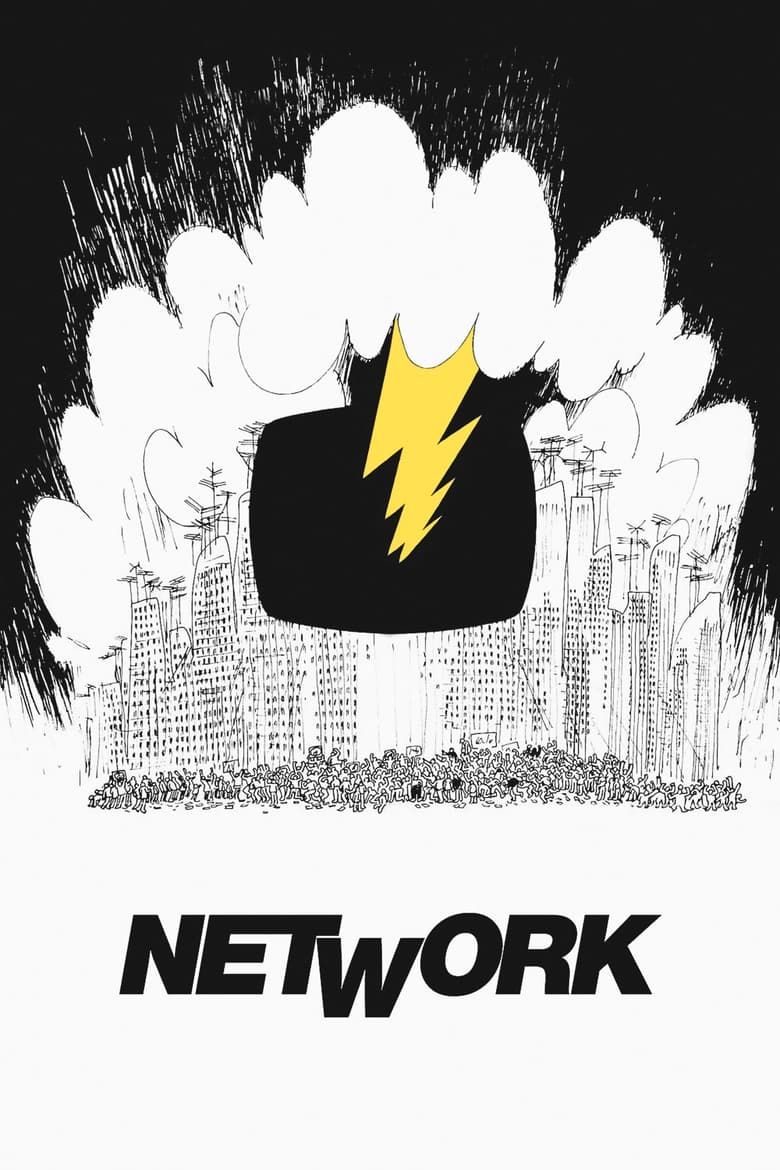
Network
- Release Date
-
November 27, 1976
- Runtime
-
121 Minutes
4
‘Taxi Driver’ (1976)
Directed by Martin Scorsese
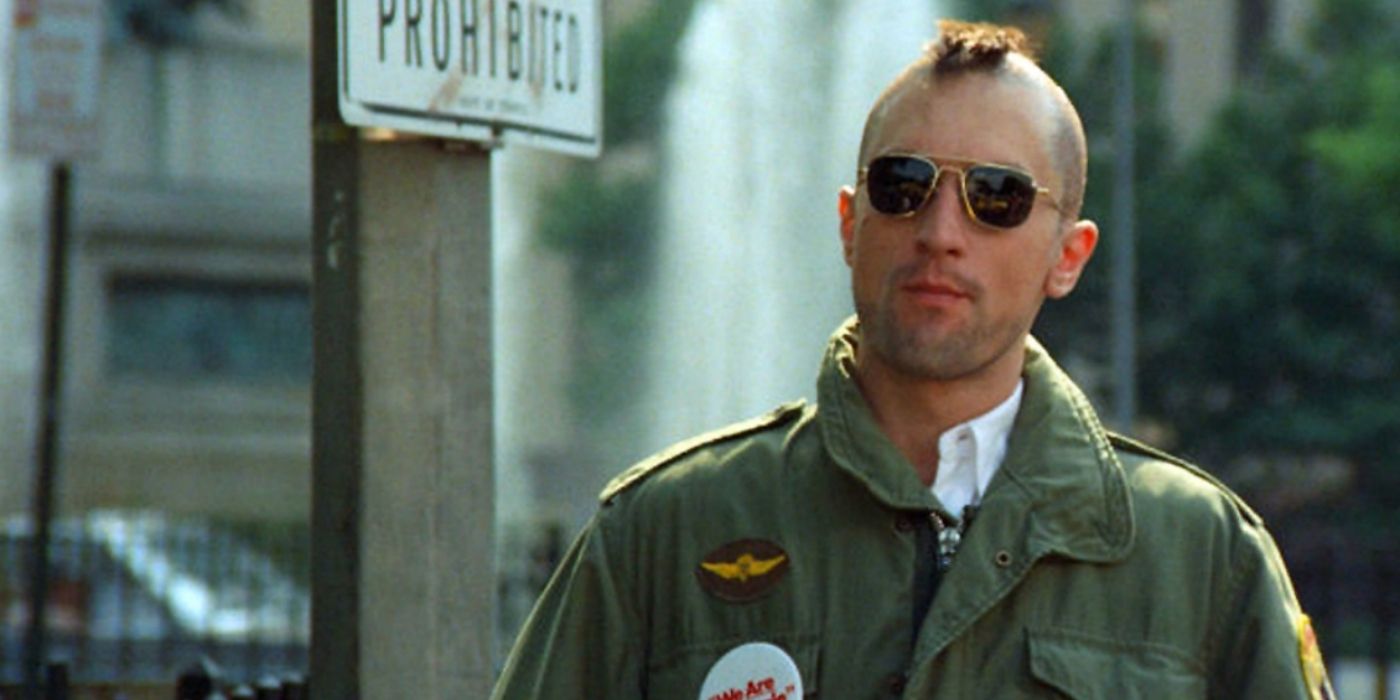
Taxi Driver, directed by the masterful Martin Scorsese, is an unflinching character study that delves into the complexities of urban alienation and psychological turmoil. The film stars Robert De Niro as Travis Bickle, a disillusioned Vietnam War veteran who navigates the gritty streets of New York City in search of purpose and connection. Bickle’s gradual descent into madness is vividly portrayed, capturing the essence of a troubled mind grappling with loneliness and despair.
This film’s screenplay, written by Paul Schrader, is often hailed as one of the greatest ever crafted, as it authentically conveys the struggles of its protagonist. With its haunting voice-over narration and disturbing themes of violence and redemption, Taxi Driver remains a seminal work that resonates with audiences, offering a profound commentary on the human condition and the societal issues that continue to plague us.
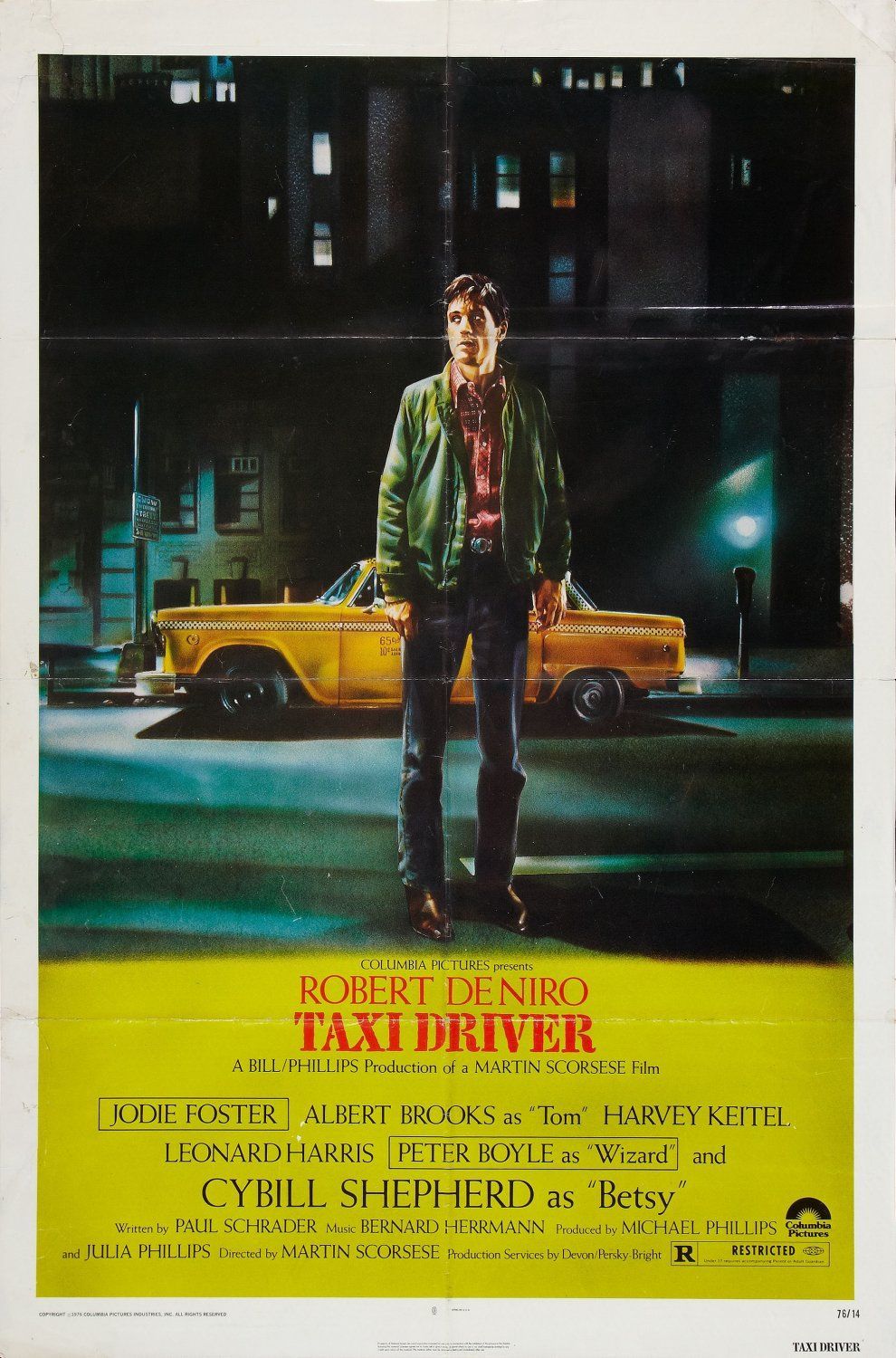
Taxi Driver
- Release Date
-
February 9, 1976
- Runtime
-
114 Minutes
3
‘Star Wars’ (1977)
Directed by George Lucas

The cultural phenomenon of Star Wars began long before the franchise expanded under Disney’s ownership. Released in 1977 as simply Star Wars, it captivated audiences worldwide and is often credited with revolutionizing the film industry. This cinematic masterpiece not only ushered in the age of the summer blockbuster but also changed the way films were marketed and distributed. The narrative follows Luke Skywalker (Mark Hamill), who embarks on a daring quest to rescue Princess Leia (Carrie Fisher) from the clutches of the evil Galactic Empire, all while discovering his connection to the mystical Force.
Even those who have never seen the film are likely familiar with its central themes and characters. The iconic battles against the Death Star and the struggle between good and evil resonate with audiences of all ages. While it may have initiated some less favorable trends in filmmaking, Star Wars remains a timeless adventure filled with excitement, innovation, and a rich mythology that continues to captivate generations.
2
‘Alien’ (1979