

The 1970s stands out as a pivotal decade in the realm of popular music. This era witnessed a remarkable fragmentation of genres within rock music, with a deep curiosity driving the exploration that refracted Rock ‘n’ Roll, folk, and blues into an array of diverse subgenres. In 1976, The Modern Lovers made waves with their iconic track “Roadrunner,” which emerged after numerous recordings, showcasing its resilience amidst the radical transformations of the ‘70s. This seminal song subtly began to shape what would eventually become the defining sound of 2000s indie music. The Modern Lovers pioneered an uncomplicated musical structure combined with an eccentric romanticism, a hallmark that resonates with many contemporary bands today, such as The Strokes and Arctic Monkeys.
Discovering the Proto-Indie Sound of The Modern Lovers
Initially released as a single in 1976, “Roadrunner” underwent multiple recordings before making its way to the public. Jonathan Richman, the mastermind behind the song, composed it at the tender age of 19 in 1970, and its first recording took place two years later with the legendary John Cale, a founding member of the Velvet Underground. Over time, the rawness of the song emerged as its signature trait. This unrefined sound acts as a deliberate contrast to the highly polished productions typical of prog-rock and disco that dominated the musical landscape at that time. “Roadrunner” represents a unique opportunity to appreciate music as an expression of everyday poetry, rather than as a product aimed at commercial success.
The essence of the song lies in its prioritization of feeling over grandeur, which is reflected in its minimalist structure and lyrical approach. Unlike the traditional build-up to a climactic chorus, “Roadrunner” maintains a steady repetition and minimalistic style throughout. While it does feature moments of heightened drama to capture the listener’s attention, the intensity feels remarkably consistent. The lyrics, simple yet evocative, narrate Richman’s experiences driving along the Massachusetts Route 128 as a teenager, as he sings about “goin’ faster miles an hour / I’m gonna drive by the Stop & Shop.” This ability to romanticize mundane experiences in a laid-back, almost comedic manner has become the very foundation upon which indie music is built. Notably, music critic Greil Marcus described the song as “the most obvious song in the world, and the strangest,” aptly suggesting that the tension between the mundane and the profound is where indie music truly resides.
This concept of embracing mundanity is also evident in Jonathan Richman’s distinctive performance style. He often blends singing and speaking in his vocal delivery, diverging from the flashy showmanship exhibited by frontmen like Mick Jagger and Freddie Mercury during that era. This balance between Richman’s earnestness and irony creates a grounded aesthetic that allows the band to romanticize their lives, as well as those of their listeners, paving the way for the contemporary vibe found in indie music. Frequently, The Modern Lovers are categorized as proto-punk, but this may stem from a limited understanding of indie music in the latter half of the 20th century or a tendency to overlook the genre as a serious force within the broader rock scene.
Related
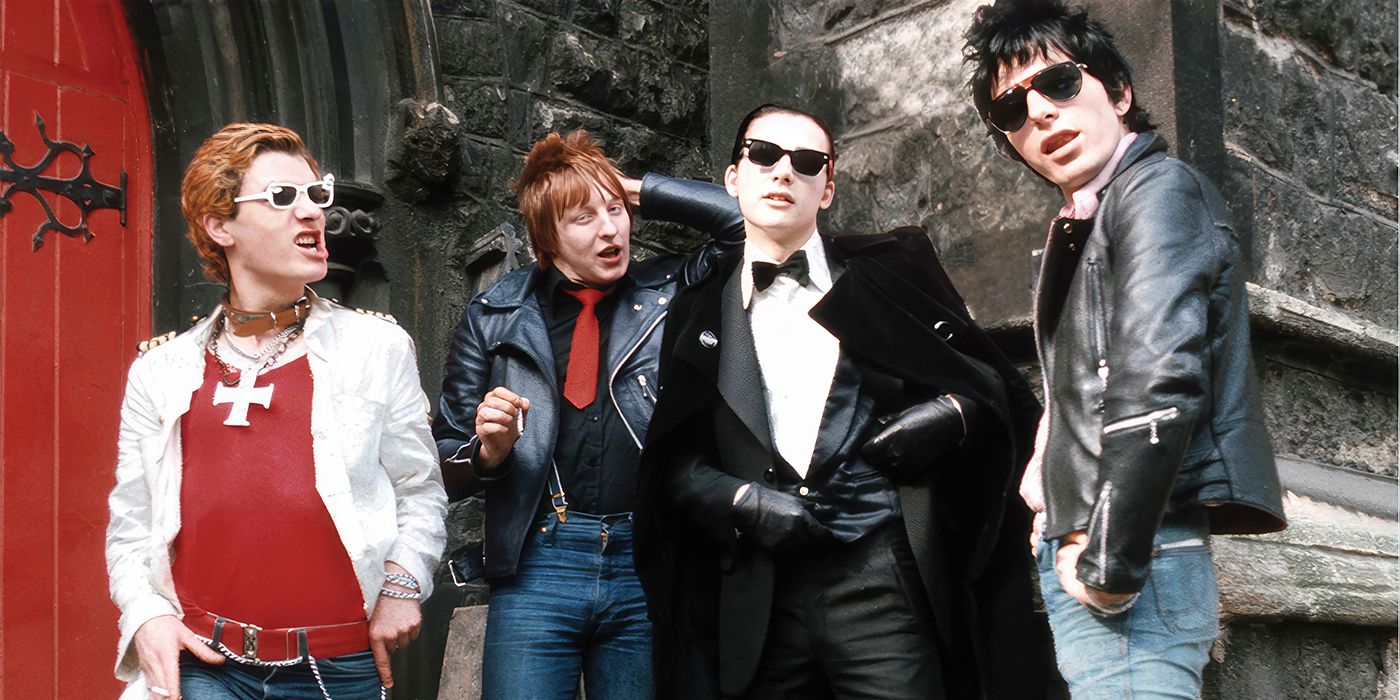
The Sex Pistols Ruled ’70s Punk Rock, But Another Band’s Song Truly Defined the Genre
This song paved the way for punk.
Recognizing The Influence of The Modern Lovers on The Strokes and Yeah Yeah Yeahs
The early 2000s marked a notable resurgence of indie music, characterized by the emergence of bands like The Strokes, Arctic Monkeys, and Yeah Yeah Yeahs. The sonic identity of these bands has been significantly shaped by aesthetic choices pioneered by The Modern Lovers. The hallmark of their unpolished songs creates a casual atmosphere that distinctly separates indie from traditional rock music. These bands focus on narrating authentic life experiences rather than constructing a mythical persona of rock stardom, fully embracing the weirdness and awkwardness of real life.
In particular, the frontman of The Strokes, Julian Casablancas, has channeled Richman’s laid-back demeanor, infusing the band’s music with a distant yet romantic quality that resonates throughout their everyday confessional tracks. Similarly, Alex Turner, the frontman and chief songwriter for Arctic Monkeys, has adopted the conversational lyrical style that The Modern Lovers exemplified, combined with a grittier, less exuberant band sound. This influence is particularly evident in Arctic Monkeys’ acclaimed 2006 album, Whatever People Say I Am, That’s What I’m Not, where they candidly depict the gritty nightlife of Yorkshire and craft relatable narratives, as seen in the song “Mardy Bum,” which portrays a lover’s quarrel in the kitchen. Finally, the lo-fi, unrefined sound that initially distinguished The Modern Lovers continues to resonate in the early works of Yeah Yeah Yeahs. Their 2003 debut album, Fever To Tell, employs guitar feedback and relaxed instrumental techniques to create a distinctly laid-back sound, embodying the essence of imperfection that echoes the standards established in “Roadrunner.”
Related
The Beatles Were All Legends—But One Member Quietly Stood Above the Rest
The unsung hero.
Despite the vast expanse of rock music, it is all too easy for “Roadrunner” to fade into obscurity. However, within the foundational framework of indie music, this track is incredibly significant. It serves as a vital bridge connecting the raw intensity of punk with the effortless charm of indie music. While many point to bands such as Joy Division, Talking Heads, and The Smiths as cornerstones of indie music, it is important to recognize that The Modern Lovers laid the groundwork long before them. They quietly began to construct the landscape of indie, shaping the sound of the bands that would follow. “Roadrunner” introduced a fresh ethos to alternative music, rooted in sincerity and an appreciation for the mundane. The boldness of The Modern Lovers to craft a catchy, guitar-driven, minimalist anthem that narrates the tranquil aspects of their lives is precisely what resonates through the greatest indie albums of the 2000s, and for that, they deserve significant recognition.








