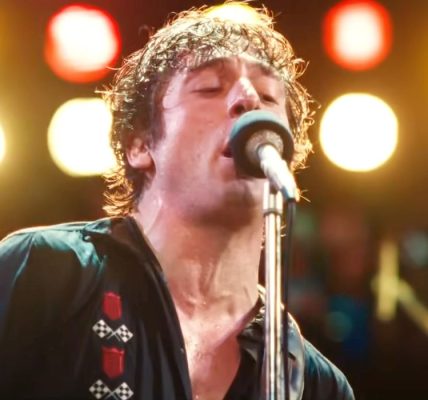

1978 was a year when the ambitions of New Hollywood collided with the birth of modern blockbuster culture and a darker, more cynical genre sensibility. Political paranoia, post-Vietnam trauma, and distrust of authority still shaped the stories being told, but they increasingly shared space with crowd-pleasing spectacle.
What unites the classics of 1978 is confidence: confidence in strong directorial vision, in bold tonal choices, and in the belief that popular cinema could still be unsettling, political, or formally daring. Nearly fifty years later, the best of these movies remain reference points for filmmakers everywhere.
9
‘Midnight Express’ (1978)
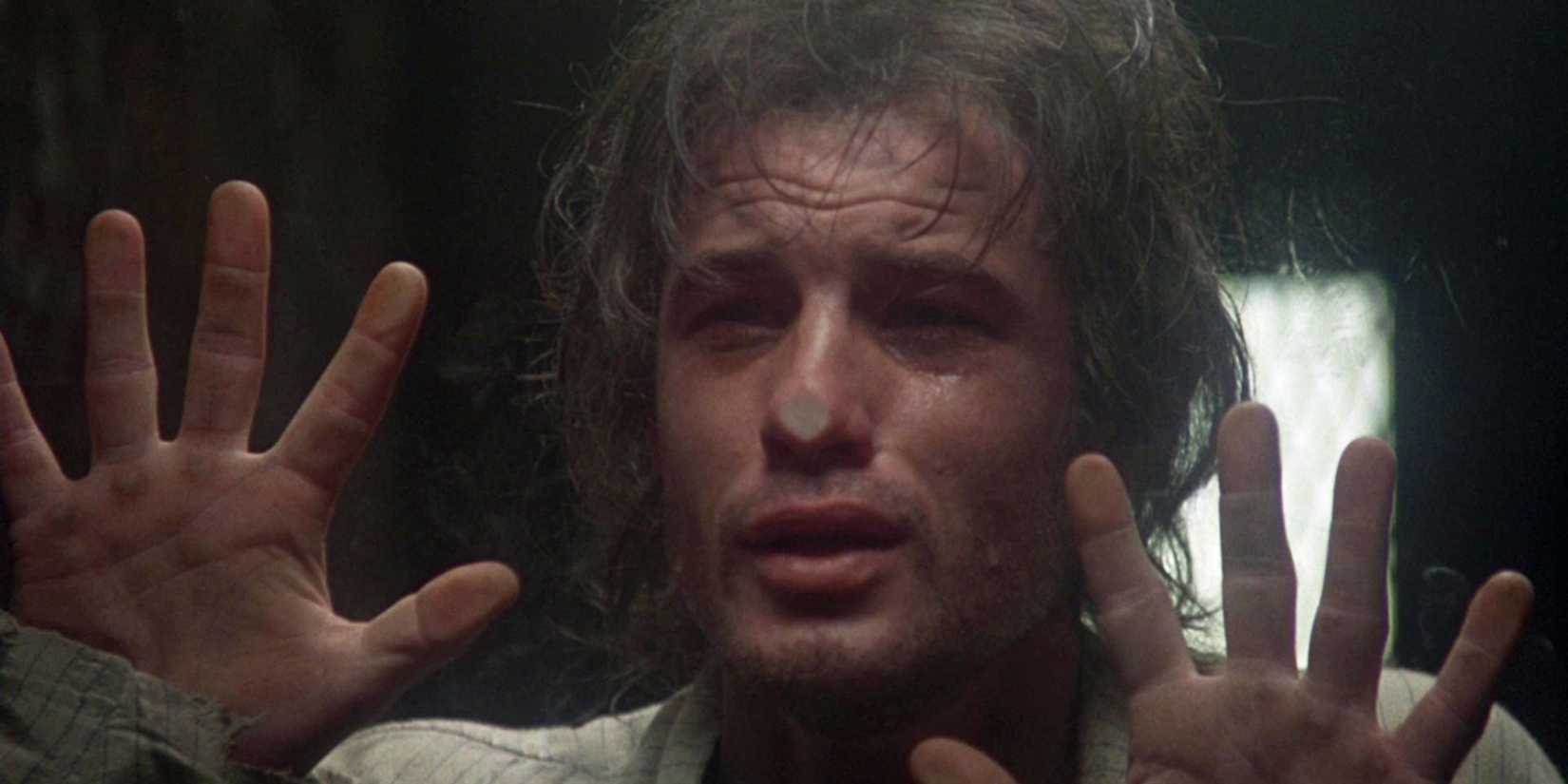
“Bad things happen to people who don’t drink.” Midnight Express is a harrowing prison drama based on the real-life experiences of an American student arrested in Turkey for attempting to smuggle hashish. Billy Hayes (Brad Davis) is sentenced to years in a brutal prison system, where violence, corruption, and psychological degradation are part of daily life. The plot charts his gradual loss of innocence and his growing desperation to escape, culminating in a tense and morally complicated final act.
The whole thing is unflinchingly intense. Director Alan Parker stages suffering with relentless pressure, turning the prison into a nightmarish space stripped of dignity and hope. This approach was controversial on release, and the movie drew some criticism for its portrayal of Turkish authorities, but its emotional power is undeniable. Over time, Midnight Express has come to be seen as a defining example of late-1970s realism pushed to an extreme.
8
‘Invasion of the Body Snatchers’ (1978)
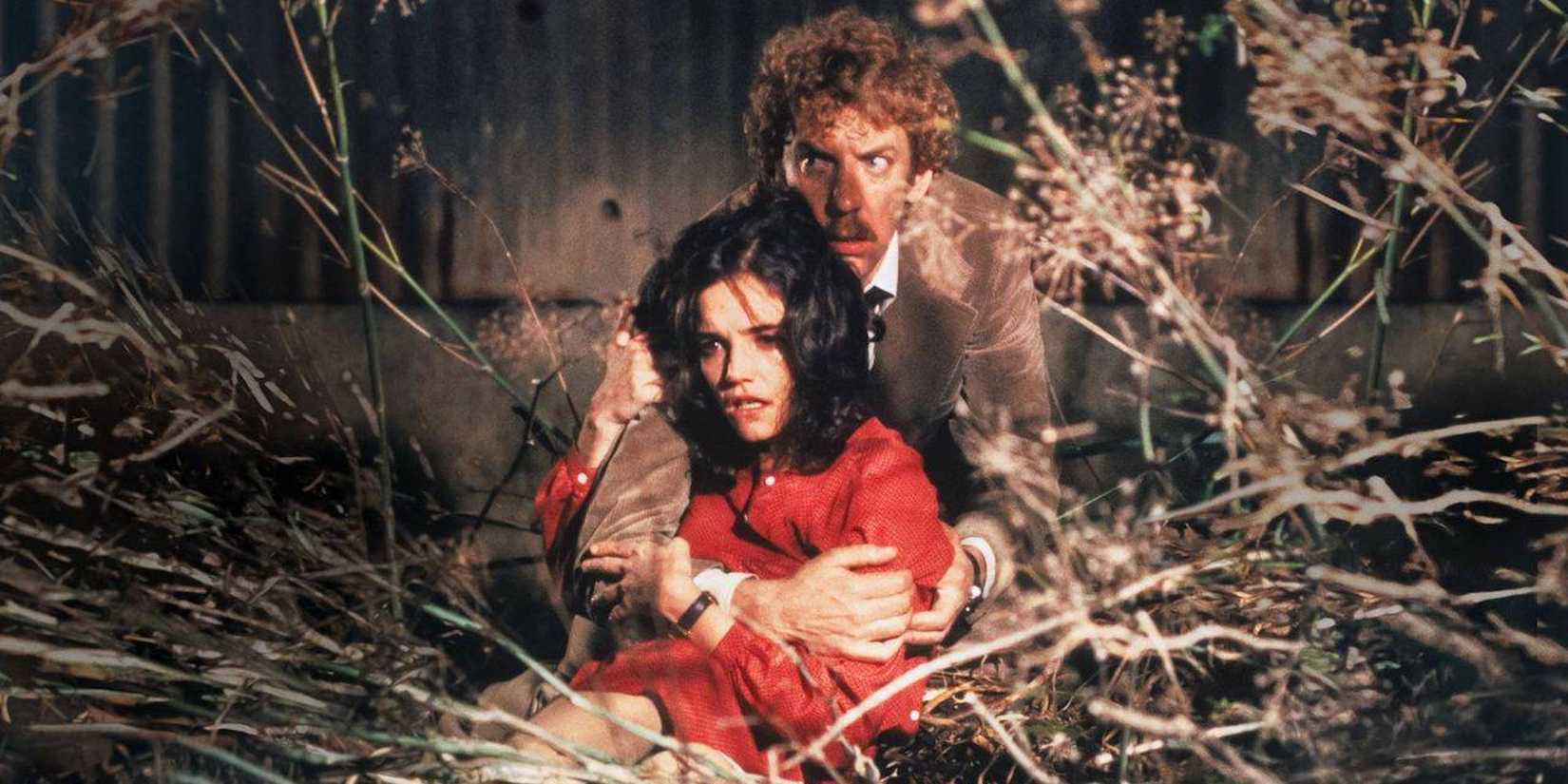
“They’re here already! You’re next!” With The Right Stuff‘s Philip Kaufman at the helm, the 1978 remake of <em>Invasion of the Body Snatchers</em> updates the classic paranoia premise for a post-Watergate, post-Vietnam America. The main character is health inspector Matthew Bennell (Donald Sutherland), an ordinary man who gradually realizes that people around him are being replaced by emotionless duplicates grown from alien pods. From here, the plot unfolds slowly, allowing dread to seep in through small behavioral changes and mounting disbelief.
A big part of what distinguishes this version is its sheer bleakness. Unlike earlier iterations, it offers little comfort in community or authority; institutions fail, explanations collapse, and resistance feels futile. In particular, the movie captures a profound fear of social conformity and loss of individuality. In other words, the horror feels existential rather than sensational. This message very much spoke to the malaise of late ’70s America, a time when all the old certainties were in doubt.
7
‘Dawn of the Dead’ (1978)
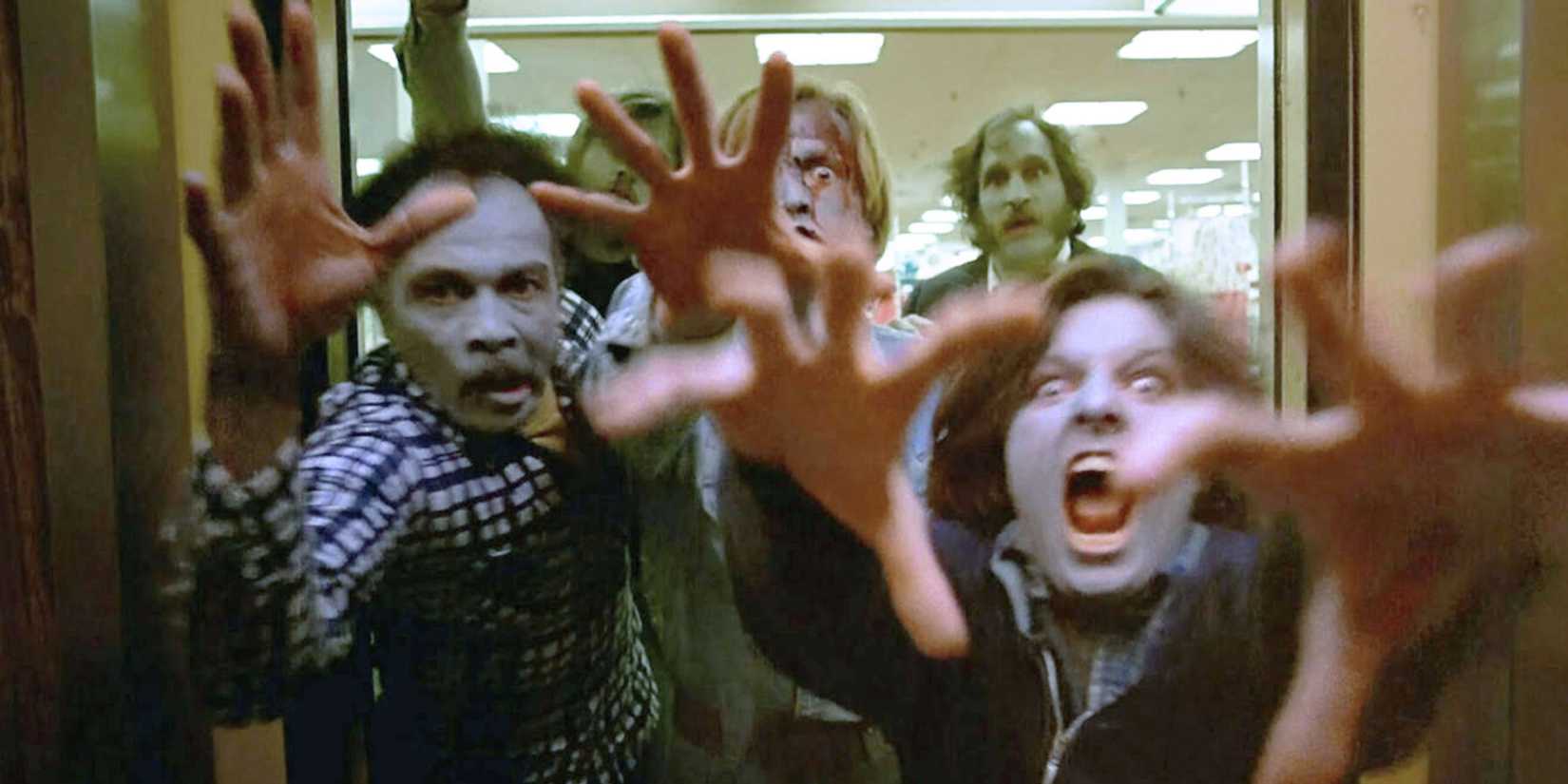
“They’re us. That’s all they are, that’s us.” Night of the Living Dead practically created the zombie genre single-handedly, but Dawn of the Dead got more complex and thematic with it. Here, George A. Romero expands his zombie mythology into something grander, angrier, and more overtly satirical. Story-wise, the movie follows a group of survivors who take refuge in a suburban shopping mall during the undead apocalypse. As they secure the space and indulge in its consumer comforts, the dead gather outside, drawn by instinct and memory.
Dawn of the Dead innovated by balancing survival horror with social commentary, using the mall as a symbol of mindless consumption and spiritual emptiness. Romero stages action sequences with chaotic energy while never losing sight of his critique of American materialism. The violence is graphic but purposeful, underscoring how quickly civilization collapses under pressure. This approach was a shot in the arm for the subgenre, opening up all kinds of new possibilities.
6
‘The Boys from Brazil’ (1978)
Image via 20th Century Studios<br />n "’ >
…
…