

There are few films that compel you to drop everything and take immediate action, but that’s precisely what occurred when I experienced Point Break for the very first time. Directed by Kathryn Bigelow and starring the iconic Keanu Reeves, this exhilarating action film revolves around an undercover FBI agent who infiltrates a gang of criminal surfers. The movie left such a profound impact on me that the very next morning, I found myself eager to dive into the ocean.
What makes Point Break transcend the typical action genre is its immersive experience that marries high-octane thrills with a compelling narrative about self-discovery and identity through action. Witnessing Reeves share the screen with the legendary Patrick Swayze was just a glimpse into a film that masterfully intertwines adrenaline with philosophy, style, and a deeper meaning behind the exhilarating sequences.
Discover How Point Break Portrays Surfing As A Profound Lifestyle, Not Just A Sport
Explore the Spiritual Elements Embedded in Point Break
In Point Break, surfing transcends being a mere recreational activity; it embodies a way of life that profoundly shapes the identity of the Californian bank robbers. From the moment Johnny Utah (played by Reeves) steps onto the sandy shores, he isn’t just entering a foreign landscape; he is embarking on a transformative journey into a vibrant new world.
Upon meeting the skilled surfer Bodhi (portrayed by Swayze), Utah is initially unaware that he is standing face-to-face with the leader of the notorious “Ex-Presidents” gang he’s tasked with investigating. Despite Bodhi being the very figure Utah is meant to apprehend, this charismatic surfer quickly takes Utah under his wing, imparting the belief that surfing is more than just a thrill; it is a pathway to freedom and self-actualization.
Although Utah is expected to maintain a strict professional demeanor, the allure of this new lifestyle swiftly captivates him. He finds himself grappling with a powerful internal conflict between his responsibilities as an FBI agent and the enlightening sense of purpose and discovery he experiences while surfing. The ocean waves offer him a form of liberation, allowing him to escape the stringent confines of his professional life.
In conventional action films, the sport of surfing might serve as a mere backdrop, yet in Point Break, the exhilarating nature of surfing propels the narrative forward. Surfing symbolizes the pursuit of a life that transcends the drudgery of everyday existence, and Bodhi’s aspiration to ride the waves during a once-in-a-lifetime “50-year storm” at Bells Beach in Australia epitomizes the ultimate expression of freedom.
Point Break illustrates that true freedom cannot be achieved through strict adherence to societal norms. The wild and unpredictable ocean serves as a powerful metaphor for breaking free from the constraints of conventional expectations. Despite their opposing roles—Utah as the law enforcer and Bodhi as the outlaw—there exists a mutual respect for each other’s unwavering commitment to live by their respective codes.
Examine the Unmatched Chemistry Between Keanu Reeves and Patrick Swayze
Analyze the Dynamic Characters of Johnny Utah and Bodhi ‘Bodhisattva’
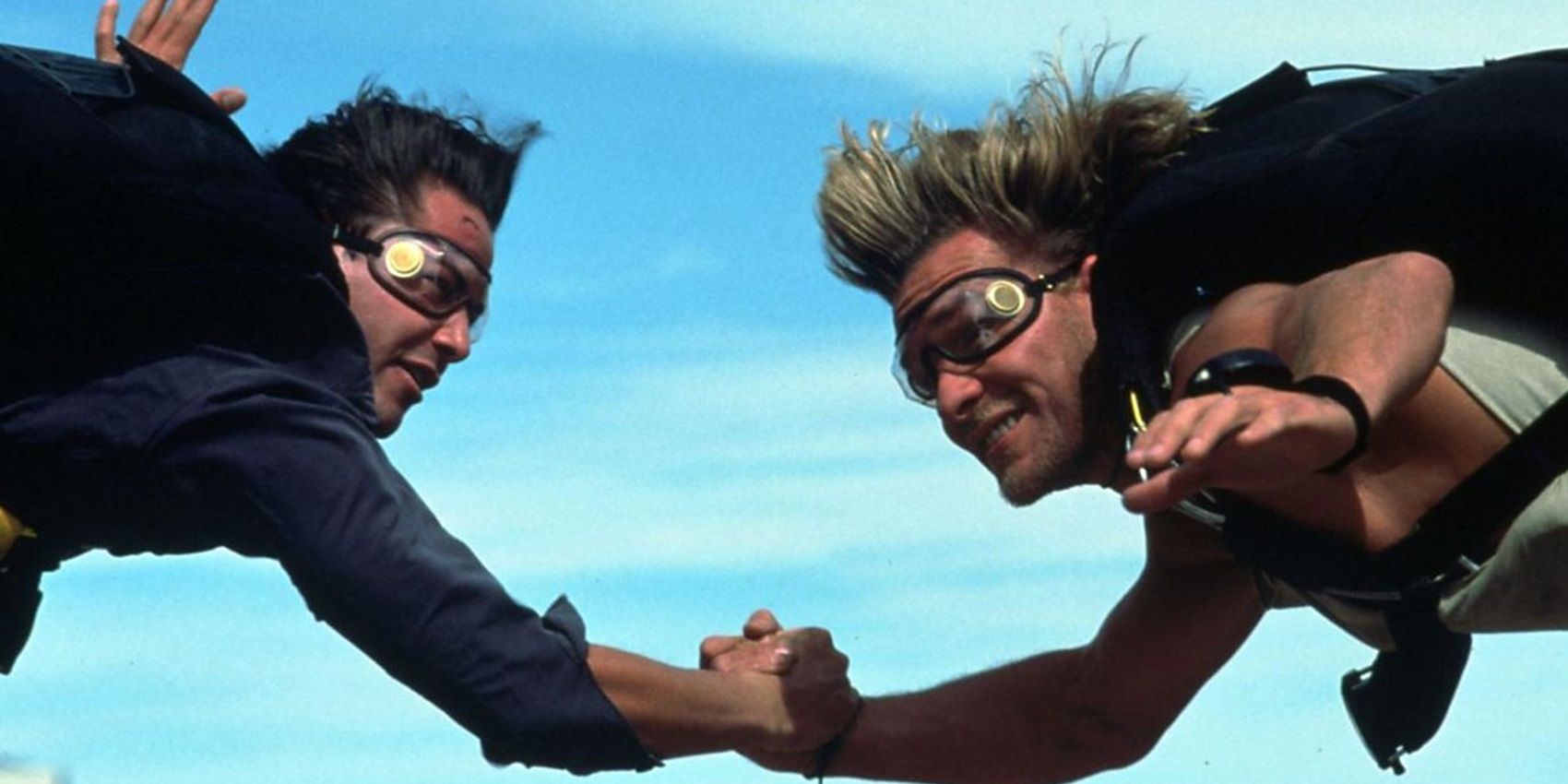
While many remember Point Break for its exhilarating action scenes, including the adrenaline-pumping skydiving moments, it is the profound dynamic between Reeves and Swayze that lends the film its emotional gravitas. Although there is a romantic subplot involving Utah and the female surfer Tyler (played by Lori Petty), the most powerful connection in the film lies between Reeves and Swayze.
With Utah embodying order and Bodhi representing chaos, the phrase “opposites attract” has never been more fitting. From their initial encounter, it’s evident that these characters are drawn to each other. Utah perceives Bodhi as more than just a thrill-seeking outlaw, while Bodhi recognizes that there’s depth beyond Utah’s facade as a straight-laced cop.

Related
10 Movie Quotes That Define Keanu Reeves’ Career
From Bill & Ted to The Matrix, Keanu Reeves has starred in some of the best movies of modern times and delivered some all-time great movie quotes.
Reeves’ performance in Point Break masterfully encapsulates Utah’s evolution from a rule-abiding rookie into a man confronting his identity crisis through the liberating experience of surfing. Meanwhile, Swayze’s magnetic screen presence positions him as the ideal antagonist. Together, they elevate Point Break from a conventional action film to a profound character exploration of two men fundamentally challenged and transformed by their contrasting worlds.
Discover How Watching Point Break Inspired My Desire to Surf
My Journey to Riding Waves Started the Very Next Morning
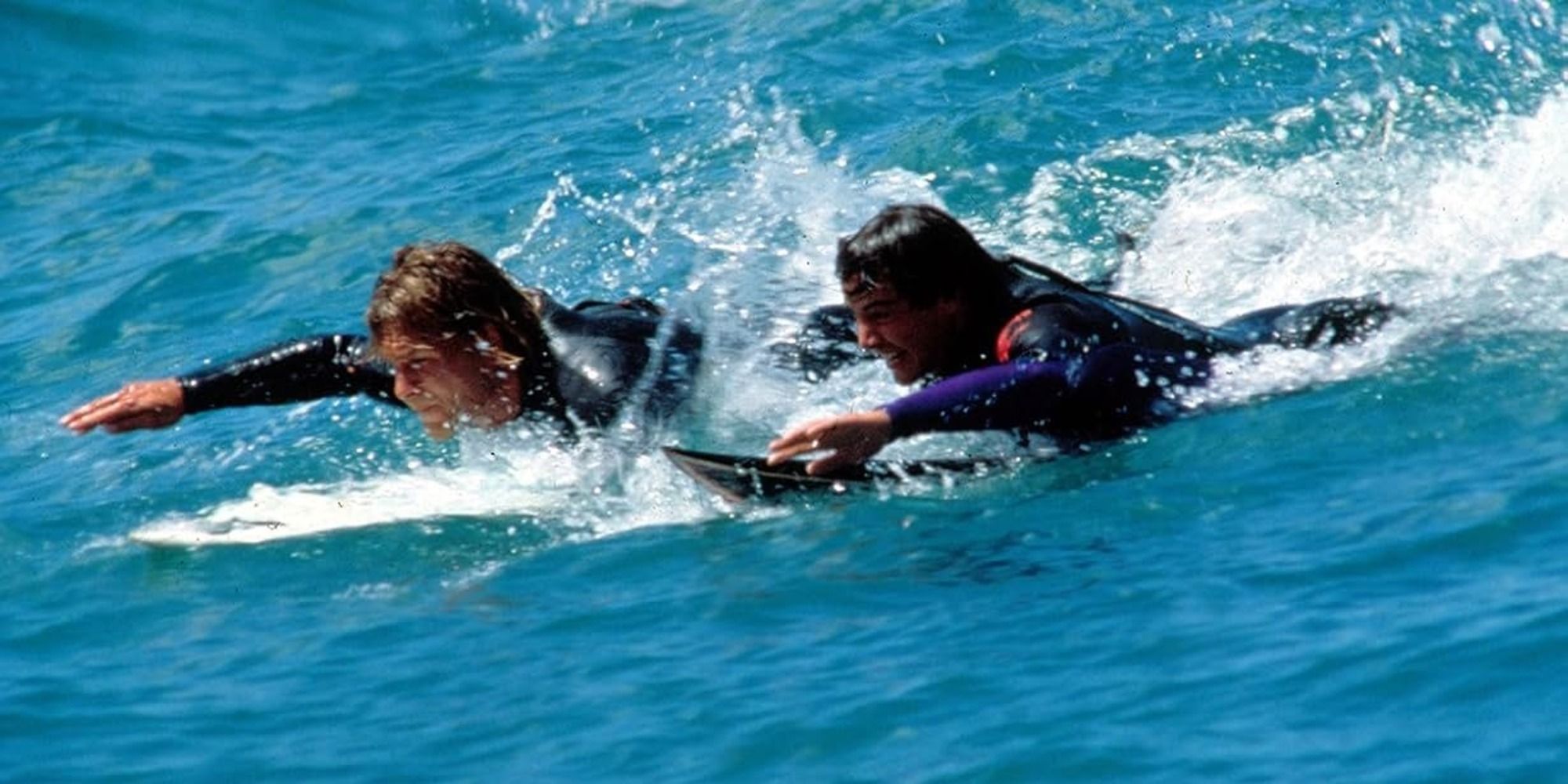
After recently watching Point Break for the very first time, I found myself unable to recall the last instance a film had inspired me to leap into action. The very next morning, fueled by the sight of Reeves conquering the enormous waves at a California beach, I was determined to surf the chilly waters of the Irish ocean near my hometown of Sligo, Ireland.
Point Break resonated with me deeply as it encapsulated the spiritual exhilaration of surfing and the quest for harmony amid the ocean’s formidable might.
Point Break resonated with me deeply as it encapsulated the spiritual exhilaration of surfing and the quest for harmony amid the ocean’s formidable might. Riding the waves with Point Break fresh in my mind that morning served as a powerful reminder that cinema has the potential to inspire us to forge connections with something larger than ourselves.
Initially, catching waves proved challenging, yet my determination led me to experience the indescribable thrill of being propelled toward the shore by the ocean’s energy. To an onlooker from the beach, my attempts to ride the smaller waves might have seemed underwhelming, but to me, it felt akin to Bodhi riding his once-in-a-lifetime wave in the film’s breathtaking finale.
Understanding Why the 2015 Remake Missed the Mark of the Original
Analyzing the Impact of Point Break 2015 Compared to the Original
As someone who found immense significance in the original film, I was eager to experience the 2015 remake of Point Break, directed by Ericson Core. While there was an attempt to infuse modern elements with extravagant stunts and flashy visuals, it ultimately lacked the soul that made the 1991 classic resonate so profoundly.
The new Point Break neglected the mystical aspects of surfing in favor of uninspired machoism.
The absence of Reeves and the late Swayze, who originally delivered unforgettable performances, rendered this reimagining of Point Break lackluster. Ray Winstone fell short of capturing the charisma and charm that Gary Busey brought to the role of Utah’s partner, Angelo. The new <em>Point Break sacrificed the spiritual essence of surfing for uninspired machoism, resulting in a film that flopped like a surfboard wiped out in turbulent waters.
Point Break
- Release Date
-
July 12, 1991
- Runtime
-
122 minutes
- Director
-
Kathryn Bigelow
- Writers
-
W. Peter Iliff, Rick King