
The 2000s marked a transition for television. On one hand, you had the typical network formulas with sitcoms and crime procedurals that the audience had grown used to. However, the decade also saw creators experimenting with complex, long-form storytelling that challenged not only the viewers but the medium itself.
This era gave rise to shows that tackled impossible themes, blended genres, and broke the rules of traditional TV. This set new standards for writing, worldbuilding, and character development that most shows can’t match to this day. Let’s step back in time and revisit 2000s shows that can be called masterpieces thanks to the risks they took.
7
‘Arrested Development’ (2003–2006)
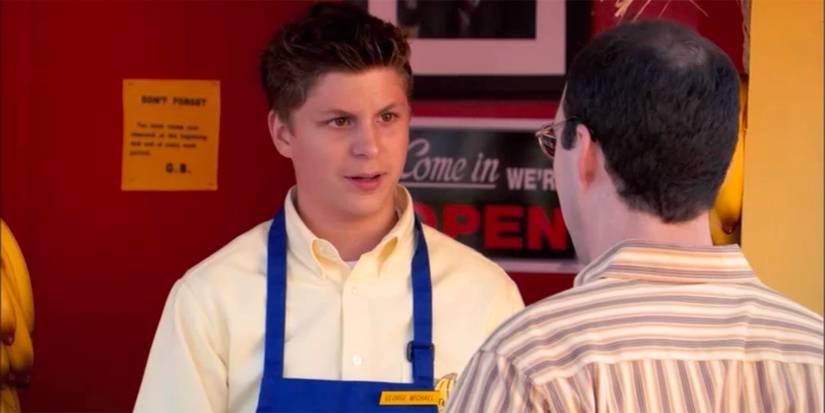
The original run of Arrested Development on Fox is hands down the smartest show the network has ever produced. The sitcom premiered in an era when laugh tracks and three-camera setups were the formula to strike comedy cold. However, Arrested Development dared to do something different with its documentary-style satire about an unbelievably dysfunctional Bluth family in Orange County. The story follows Jason Bateman as Michael Bluth, the one competent adult, trying to hold his family together after his father, George Sr. (Jeffrey Tambor), is arrested for fraud.
Michael Cera, David Cross, Jessica Walter, Will Arnett, Portia de Rossi, and Tony Hale round out the show’s cast and deliver performances that are guaranteed to leave anyone in stitches. Watching Michael trying to run his family’s real estate empire amidst prison breaks, fake illnesses, and family rivalries feels both absurd and realistic. The show is full of clever callbacks and sight gags that demand the viewers’ full attention. At the same time, Arrested Development works because it lets the audience actively interpret its comedy without ever overexplaining things. Ron Howard’s all-seeing narration is just the cherry on top and turns the sitcom into one of the most experimental yet brilliant shows of the 2000s.
6
‘Lost’ (2004–2010)
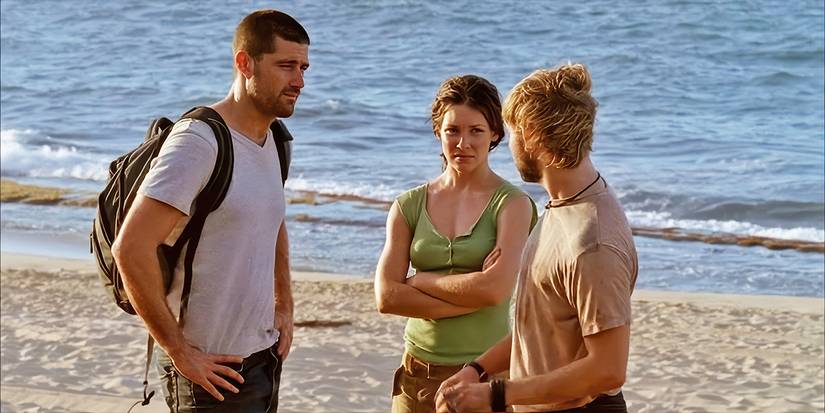
No show can ever come close to the genius of Lost. What could have been a straightforward survival drama about a plane crash ended up being one of the most influential TV series of all time. The show was a philosophical exploration of human nature set against the backdrop of adventure, sci-fi, supernatural thriller, and drama all at once. It sounds complex, but somehow, Lost made it all feel effortless. The show begins with the crash of Oceanic Flight 815 that scatters 70 survivors across a remote island that seems deserted, but that isn’t really the case.
Turns out that the place holds strange creatures known as the Others, along with other mysteries that pull surgeon Jack Shephard (Matthew Fox) into a reluctant leadership role. From there, the show balances Jack’s attempts to uncover the island’s secrets with the survivors’ backstories. In doing so, the show constantly challenges the viewers’ expectations through its nonlinear storytelling and eventually even alternate realities. You are just as invested in who these people were before the crash as you are in their successful escape from the island. Lost plants clues, symbols, and recurring motifs in episodes to invite the audience to participate in the narrative and really pay attention to every small detail. Watching Lost is an experience and a masterclass in storytelling.
5
‘Firefly’ (2002–2003)
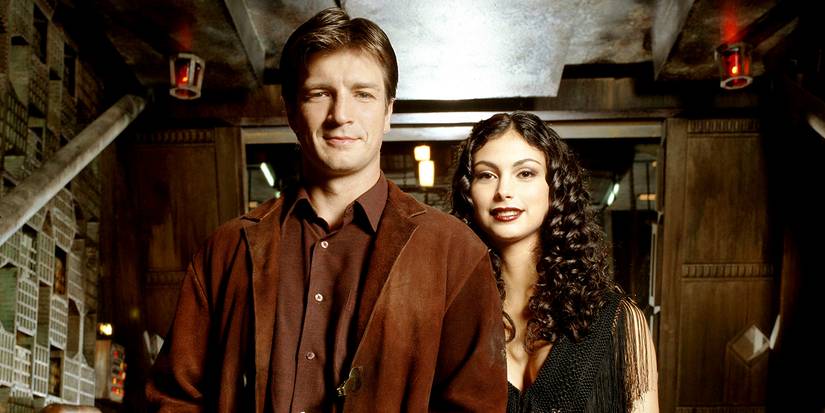
Firefly was canceled too soon, and fans are still upset about it for all the right reasons. The space Western was a daring take on war and progress and was way ahead of its time. Firefly takes place in the year 2517 after humanity has fled Earth to inhabit a new star system. However, Joss Whedon crafts a universe where technology isn’t the answer to everything. In fact, the aftermath of a recent civil war has resulted in a class divide like never before. The story follows the Firefly-class ship Serenity and its captain, Malcolm Reynolds (Nathan Fillion), a former soldier on the losing side of that war. His second-in-command, Zoe (Gina Torres), fought beside him and carries the same trauma while her husband, Wash (Alan Tudyk), is the ship’s charming pilot. Mal’s crew is a group of misfits who are trying to outrun the powerful central government that is desperate to retain control of the outer planets.
What sets Firefly apart, though, is how lived-in the world feels. The show completely subverted all expectations one might have from a sci-fi fantasy and comes across as a documentary-like exploration of a lost culture. Firefly had a brief 14-episode run, but that was enough for the story’s depth to shine through. The writing asked audiences to embrace moral ambiguity and explore the consequences of war. The show was anti-authoritarian and anti-corporate at a time when most series wouldn’t even think of crossing that boundary. That’s why it holds up as one of Fox’s biggest missed opportunities even two decades later.
4
‘Band of Brothers’ (2001)

[INPUT_HTML_END]







