Launched in 2024, Mohammad Rasoulof’s gripping drama, The Seed of the Sacred Fig, emerged as one of the most acclaimed films of the year. However, the film’s production led to severe repercussions for Rasoulof, who was sentenced to prison for his work. The narrative critically examines the oppressive Iranian government and highlights the role of smartphones as tools for surveillance and control.
To complete The Seed of the Sacred Fig, Rasoulof operated covertly, demonstrating the lengths to which filmmakers must go to express their vision. Before the film’s start, a powerful message appears on screen: “When there is no way, a way must be made.” Following its release, Iran issued an arrest warrant for the director, resulting in a brutal sentence of flogging and eight years in prison.
Discover Why The Seed Of The Sacred Fig Is Considered One Of 2024’s Top Films
Exploring The Movie’s Cannes Awards & Its Oscar Nomination
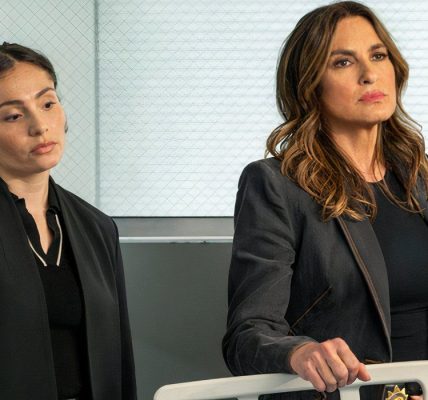
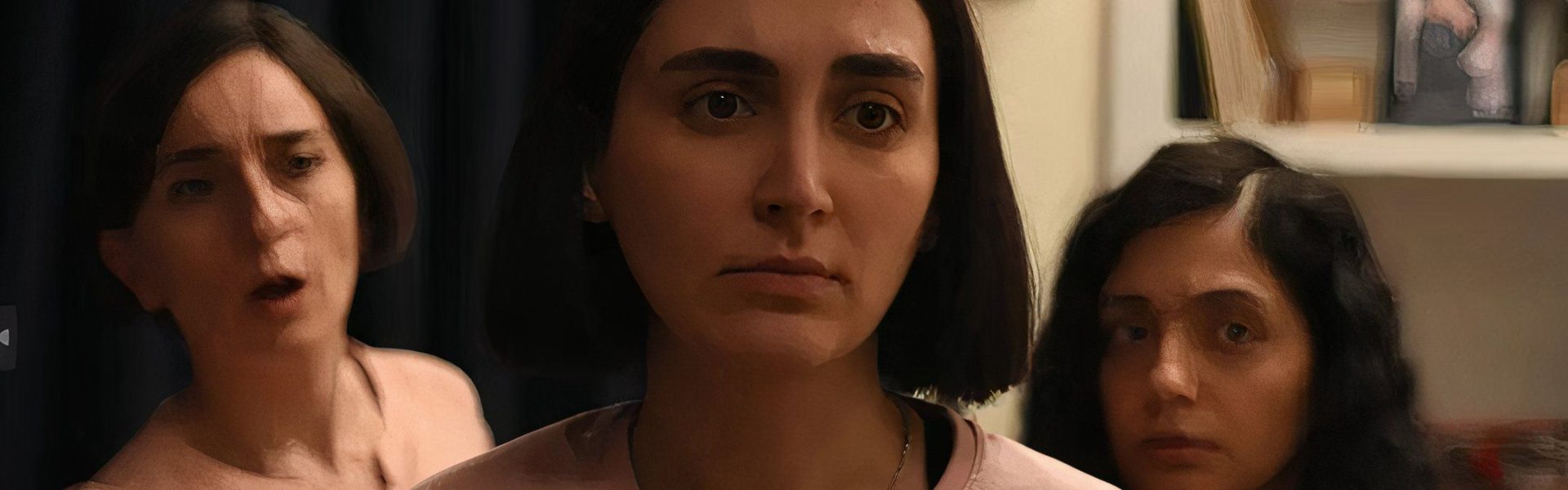
The Seed of the Sacred Fig is a compelling political drama that centers around the character Iman (played by Missagh Zareh), an upright attorney who is caught in a web of moral dilemmas. He lives with his wife, Najmeh (Soheila Golestani), and their two daughters, 21-year-old Rezvan (Mahsa Rostami) and her younger sister, Sana (Setareh Maleki). Iman’s appointment as an investigating judge in Tehran’s revolutionary court places him in a position where he must navigate the harsh realities of the legal system while grappling with his own conscience.
Related
15 Best International Movies Of The Decade
International films have gained immense popularity over the past decade; here are some of the very best.
Despite Iman’s intentions to uphold justice, he quickly realizes the futility of his efforts. The oppressive Iranian government pressures him to issue harsh sentences without any thorough investigations. He comes to accept that Iranian laws are “God’s laws,“ which he feels morally obligated to enforce, irrespective of their fairness. This fundamental conflict is exacerbated by his daughters’ contrasting beliefs.
This internal struggle forms the movie’s core, as Iman’s duty to the state clashes with his family’s values, particularly their differing views on morality. Rasoulof crafts an intimate narrative, set primarily within the confines of the family’s modest apartment, highlighting their deteriorating relationships as Iman’s role in the government changes.
The film serves primarily as a family drama that delves into the nuances of conflicting beliefs. Yet, Rasoulof pushes the envelope further, drawing the ire of the Iranian authorities. He includes real footage of protests and the tragic murder of Mahsa Amini, who died while in police custody in 2022, illustrating the harsh realities faced by citizens.
Mahsa Amini was reportedly beaten by Iranian police and died in 2022.
The Seed Of The Sacred Fig boasts an impressive 97% score on Rotten Tomatoes, with a remarkable audience rating of 94%. It has received nominations for both the Academy Award and the BAFTA Award for Best International Feature Film. At the Cannes Film Festival, Rasoulof earned several accolades, including the Jury Special Prize, the FIPRESCI Award, the Prize of the Ecumenical Jury, and the François Chalais Award for Best Film.
Understanding The Iranian Government’s Response To The Seed Of The Sacred Fig
The Challenges Of Censorship In Iranian Cinema
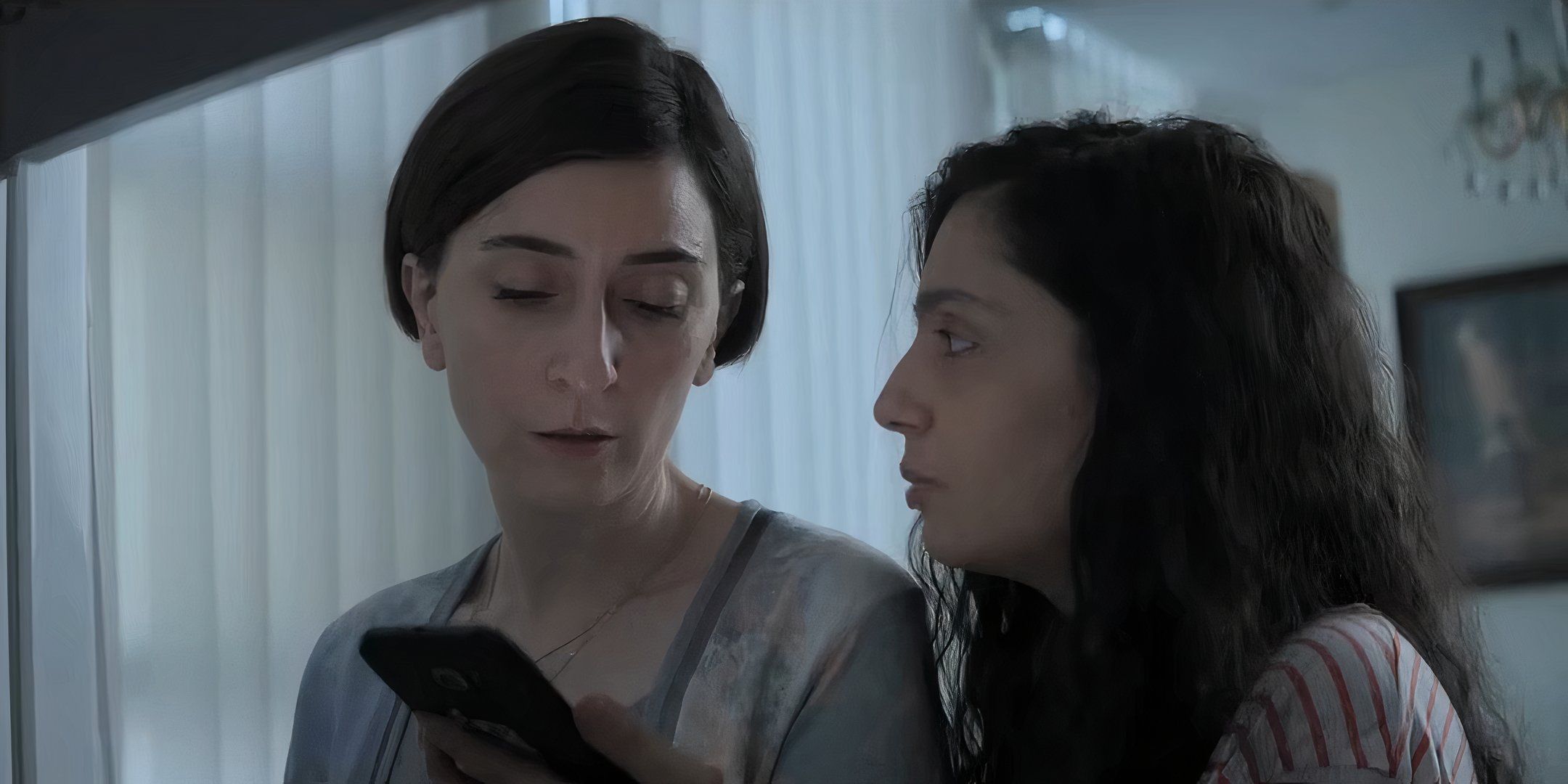
After The Seed of the Sacred Fig was accepted for screening at the prestigious Cannes Film Festival, the Iranian government swiftly took action. According to The New York Times, they interrogated the cast and crew, subsequently imposing travel bans on them. This escalated to the Iranian government ordering the arrest of director Mohammad Rasoulof, who faced a sentence of flogging and eight years in prison.
Negative portrayals of religious figures and explicit criticism of the government or Islam are strictly prohibited.
Filmmakers in Iran operate under stringent censorship laws. In recent years, numerous filmmakers have faced severe consequences, including death and imprisonment, due to government crackdowns on artistic expression. Negative representations of religious figures and direct critiques of the government or Islam are strictly forbidden, as reported by ABC News.
This is the reason Rasoulof found himself at odds with the government and was deemed to have violated the law. Other regulations imposed on Iranian filmmakers include mandatory hijab for women, prohibitions on singing or dancing on screen, and restrictions against depicting sexual contact or the consumption of alcohol.
According to Amnesty International, hundreds of individuals are subjected to flogging in Iran annually, often in public settings. Under the country’s legal framework, over 100 so-called “offenses” can result in flogging penalties. Randa Habib, Amnesty International’s Regional Director for the Middle East and North Africa, addressed this issue, stating:
“These cruel and inhuman punishments represent a shocking violation of human dignity and breach the international prohibition against torture and other forms of ill-treatment.“
The Journey Of Mohammad Rasoulof: Director Of The Seed Of The Sacred Fig
Mohammad Rasoulof’s Escape From Iran To Evade Arrest
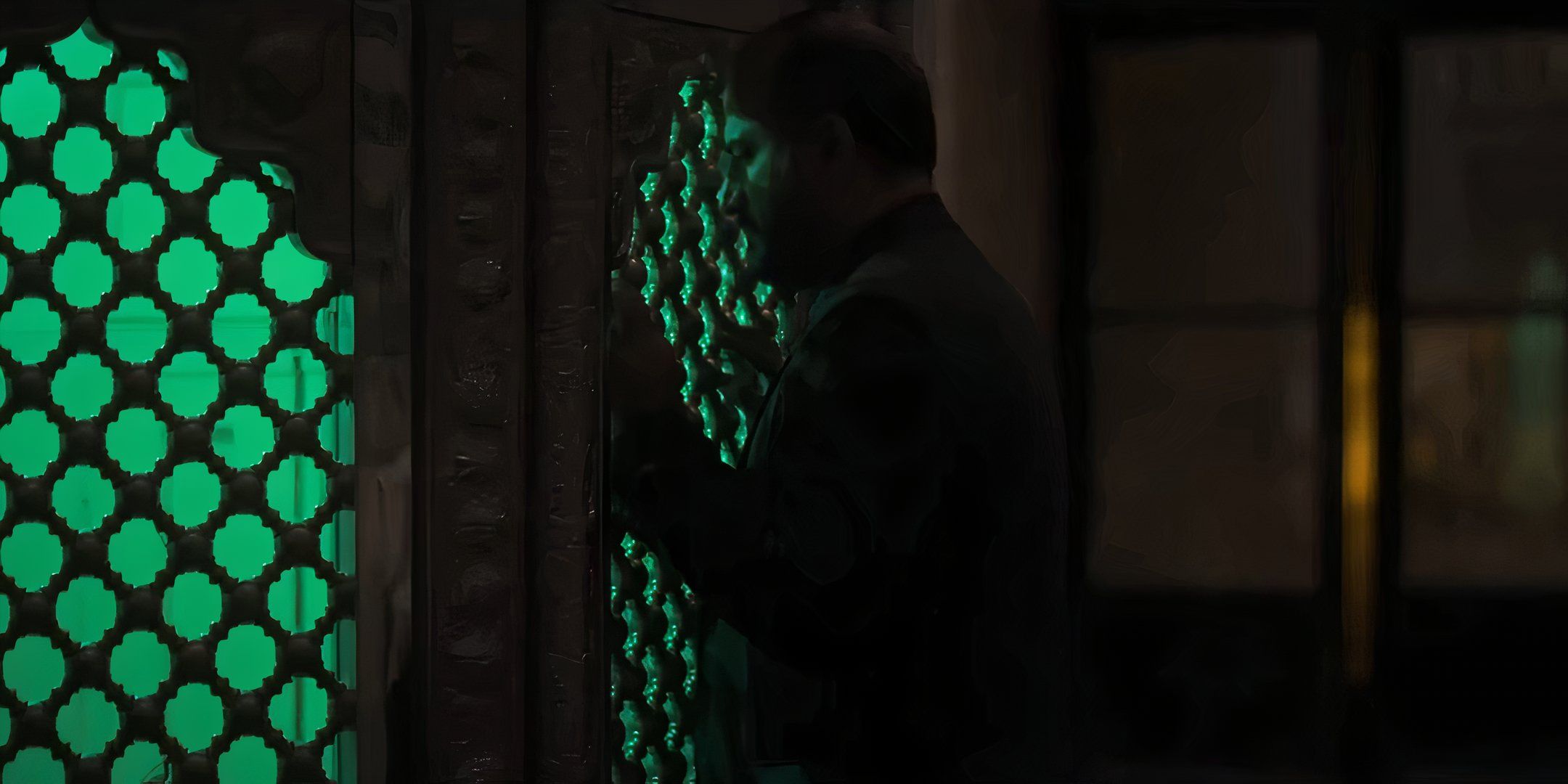
Fortunately, Mohammad Rasoulof has not yet faced flogging or imprisonment. Instead, he and several crew members managed to escape Iran, living in exile. Rasoulof had received intelligence about the government’s plans to arrest him while still completing the film. His lawyer confirmed that he had sufficient time to finish his project, as reported by The New York Times.
|
The Seed Of The Sacred Fig at Cannes |
|
|---|---|
|
Award |
Result |
|
Palme d’Or |
Nominated |
|
Special Award (Prix Spécial) |
Won |
|
FIPRESCI Prize |
Won |
|
Prize of the Ecumenical Jury |
Won |
|
François Chalais Prize |
Won |
|
Prix des Cinémas Art et Essai |
Won |
However, Rasoulof soon learned that the Iranian authorities intended to make an example of him. He had previously faced arrest in 2010 for a film he made about the Green Movement during the controversial 2009 presidential election, a project he never completed. Additionally, he spent seven months in jail in 2022 for signing a petition that criticized the government.
Understanding that the government would become aware of The Seed of the Sacred Fig upon his arrest meant he would face even more severe repercussions than just imprisonment. He recognized that this could signal the end of his filmmaking career, and despite his aspirations to be a filmmaker within Iran, he ultimately decided to flee the country.
This journey was perilous, taking 28 days to reach safety.
Rasoulof abandoned all his possessions, including electronic devices and identification, and connected with a network dedicated to assisting individuals in escaping Iran. This led to a harrowing journey that spanned 28 days before he finally reached safety, where he was then brought to the German Embassy, which facilitated his relocation to Germany.
Just six days later, he had his film ready for screening at the Cannes Film Festival. Following the presentation of The Seed Of The Sacred Fig, he was met with a standing ovation. Despite his exile, he expressed a desire to return:
“I had the opportunity to live comfortably outside Iran for some 20 years, but I was determined to stay as long as I could keep my camera on… I will go back there. It could be next week or a few years down the line, after making a few movies here. But I know that I will go back.”
Source: The New York Times, ABC News, Amnesty International, The New York Times