


A truly unforgettable scene transcends mere plot movement; it envelops you completely, elongates time, and draws you into its emotional or thematic depth. This often results in scenes that exceed typical lengths. The ten remarkable scenes highlighted in this list, each lasting five minutes or more, exemplify some of the most masterful, bold, and gripping storytelling in film history.
From relentless war sequences to slow-burning interrogations and unbroken shots that redefine the boundaries of filmmaking, these extended scenes demonstrate that when done right, five minutes can feel like an eternity—or sometimes, not nearly long enough. You may find yourself completely unaware of time’s passage and, in some instances, wishing the moments would last even longer.
10
The Profound Emotional Depth of ‘Blue is the Warmest Colour’ (2013)
The Heart-Wrenching Parisian Apartment Scene
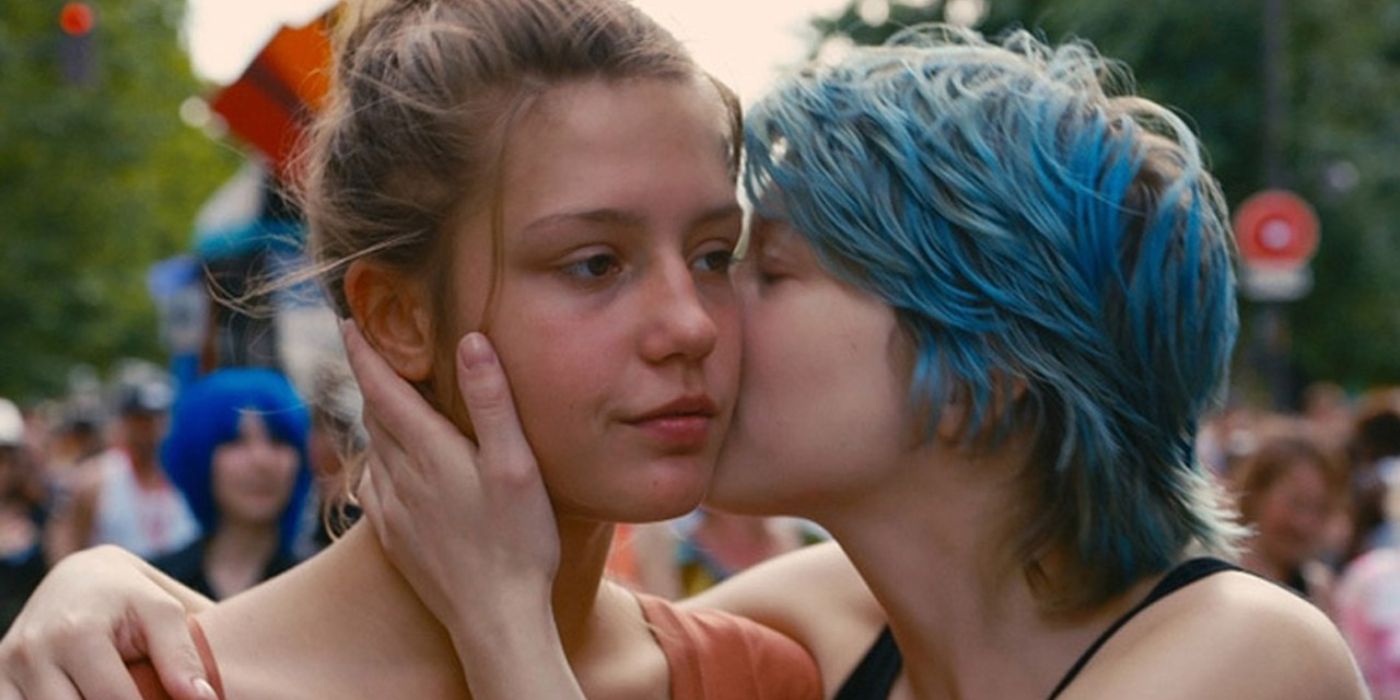
“I have infinite tenderness for you.” This poignant and emotionally charged scene encapsulates the heart-wrenching dissolution of a relationship between two young women, portrayed by Léa Seydoux and Adèle Exarchopoulos, who once shared a deep, all-consuming love. Filmed with intense intimacy, the camera fixates on their faces as they exchange accusations, relive painful memories, and attempt to find some semblance of emotional stability amidst the chaos of their breakup. It’s a masterclass in sustained dramatic tension, where every pause and subtle shift in body language conveys profound meaning.
The scene’s raw realism is striking, often making it feel more like a documentary than a work of fiction. Few cinematic breakups have ever felt this intimate, prolonged, or brutally honest. The sequence is a painfully drawn-out farewell that spans five devastating minutes and significantly contributed to this film winning the prestigious Palme d’Or. While some viewers criticized the explicit nature of the sex scenes as potentially exploitative, such critiques overlook the fact that every element serves the narrative, and the film has aged remarkably well.
9
The Unforgettable Interrogation Scene in ‘The Dark Knight’ (2008)
The Tense Interrogation Sequence
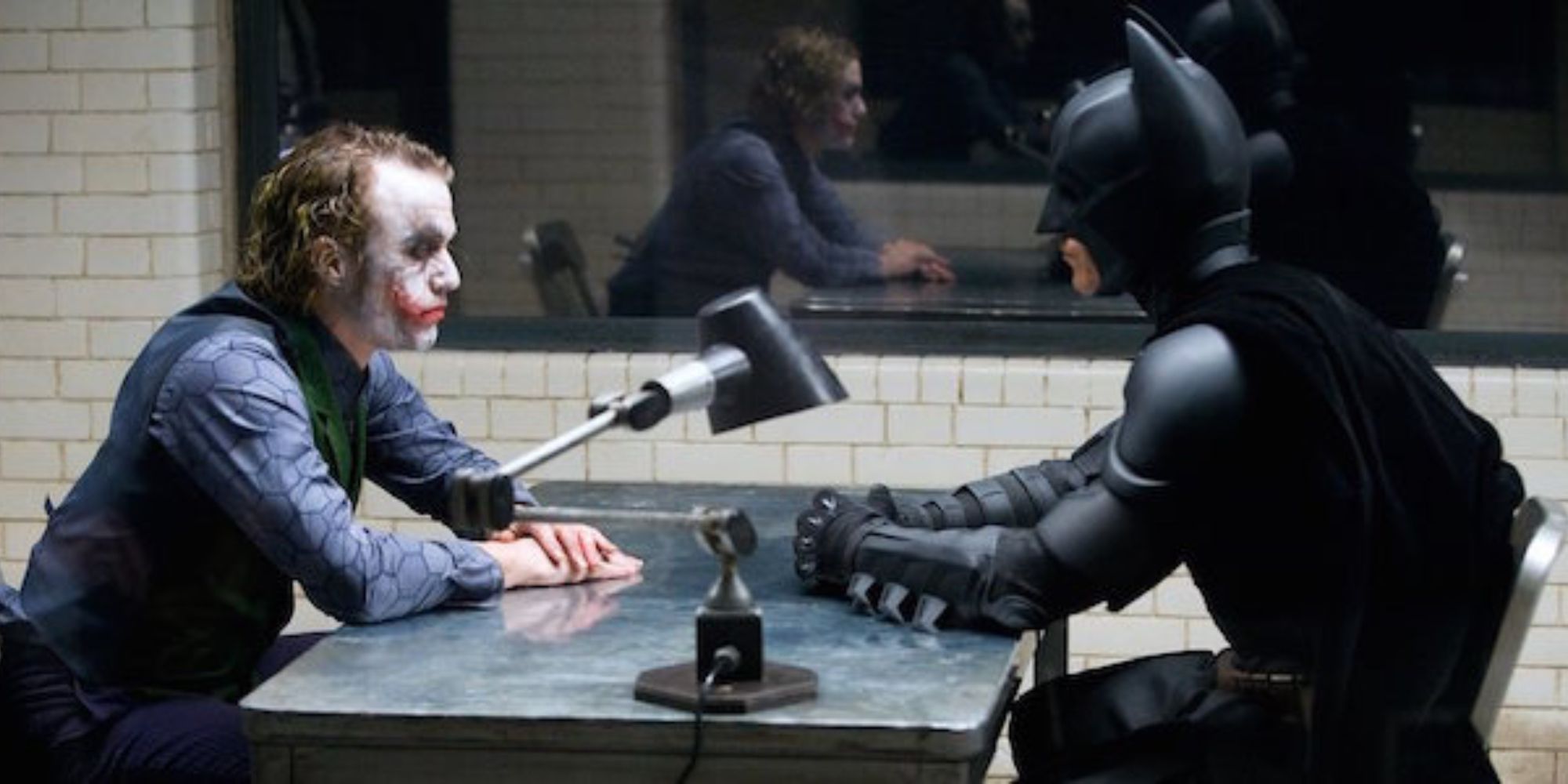
“You have nothing, nothing to threaten me with.” This pivotal scene serves as the moral and thematic heart of The Dark Knight. Inside a stark, fluorescent-lit room, Batman (Christian Bale) confronts the Joker (Heath Ledger), attempting to extract crucial information while gradually realizing that brute force is futile against genuine chaos. Ledger’s performance is nothing short of legendary, transforming every word into a psychological chess move and each silence into an insidious trap.
This scene is a meticulously orchestrated dialogue. The pacing is intentional, and tension escalates with each passing moment, as the power dynamic shifts repeatedly. What initially starts as an intimidating confrontation transforms into a profound revelation: Batman cannot win this battle. This moment marks the inception of the Joker’s philosophy—illustrating how society is merely one bad day away from madness—and solidifies the pervasive darkness enveloping Gotham City. The Joker’s final blow is the chilling revelation of Rachel’s (Maggie Gyllenhaal) address, signaling that this villain knows no boundaries.
8
The Gripping Reactor Room Confession in ‘Chernobyl’ (2019)
The Eye-Opening Reactor Room Confession
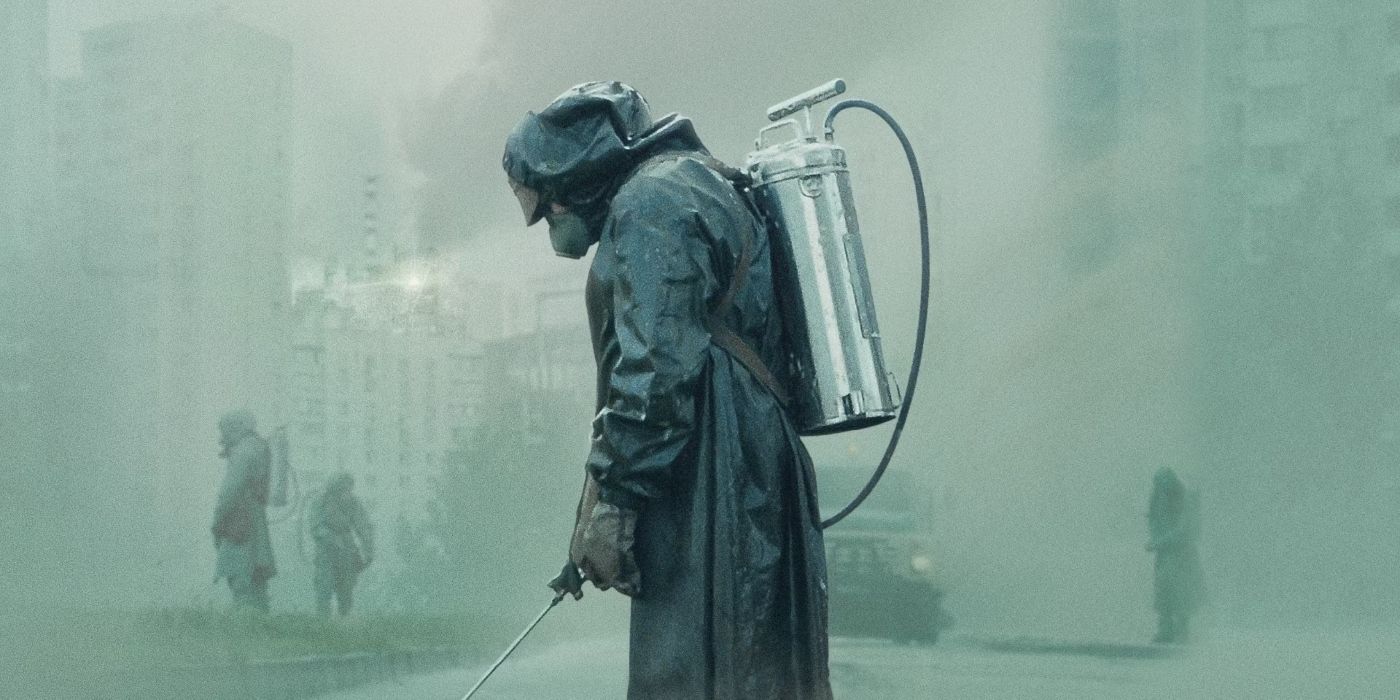
“Every lie we tell incurs a debt to the truth. Sooner or later, that debt is paid.” In the gripping finale of HBO’s Chernobyl, Valery Legasov (Jared Harris) recounts the series of catastrophic decisions that led to the worst nuclear disaster in history. Standing before a tribunal, he employs a chalkboard and a soft, measured tone to unveil the human errors, bureaucratic corruption, and state-sponsored denial that ultimately led to devastating consequences. Even though the scene extends well beyond five minutes, not a single second feels wasted.
This sequence is a courtroom monologue that evolves into an existential reckoning. Both the acting and the writing are exceptional. Harris delivers Legasov’s confession with a weary resolve, gradually drawing the audience into a devastating moral argument about the intersection of science, responsibility, and the cost of deceit. These themes remain eternally relevant, serving as a sharp warning about the ramifications of those in power suppressing the truth at any cost. However, a glimmer of hope flickers within the monologue, suggesting that all lies will eventually be unveiled. Ultimately.
7
The Incredibly Tense Café Conversation in ‘Heat’ (1995)
The High-Stakes Café Conversation
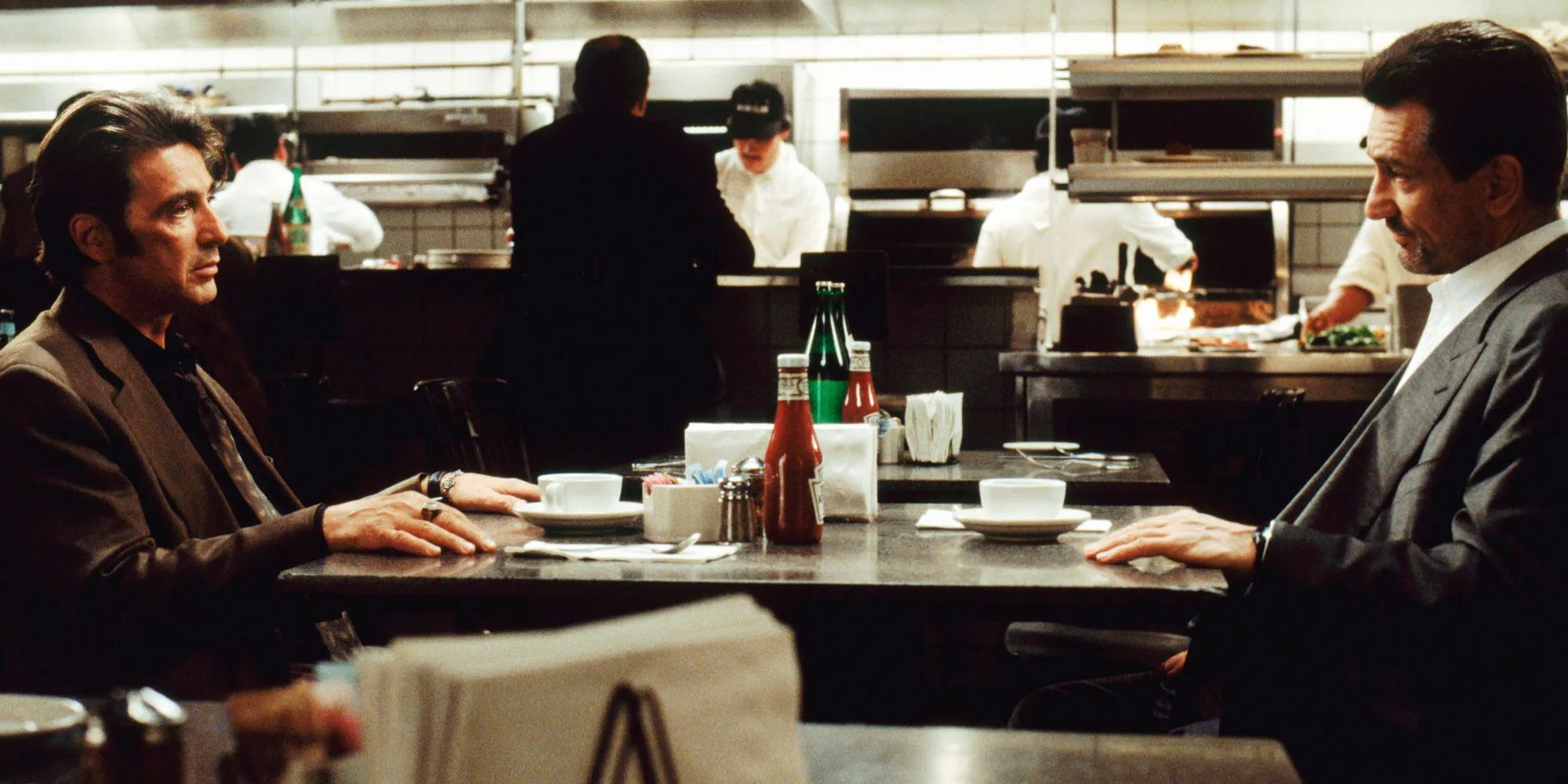
“I do what I do best: I take scores. You do what you do best: try to stop guys like me.” In this strikingly calm scene, two men, one a detective and the other a master thief, sit across from each other in a diner. While another film might have them exchanging punches or one-liners, here, they share philosophies. This scene radiates electricity through its tranquility; it’s a moment of eerie, mutual respect between two professionals who understand their intertwined fates. Both Al Pacino and Robert De Niro, sharing the screen for the first time, command attention with their quiet gravitas.
Over the course of this seven-minute scene, they articulate their respective codes of honor, fatalism, and an unyielding refusal to concede. There are no raised voices, no threats—none are required. This conversation doesn’t merely interrupt the tension of Heat; it is the tension itself. The entire film revolves around this pivotal exchange, and its length allows for each idea to breathe and simmer. It’s a moment where both men are forced to confront their moral reflections, fully aware that a collision is inevitable.
6
The Unforgettable Omaha Beach Landing in ‘Saving Private Ryan’ (1998)
The Intense Omaha Beach Landing Scene
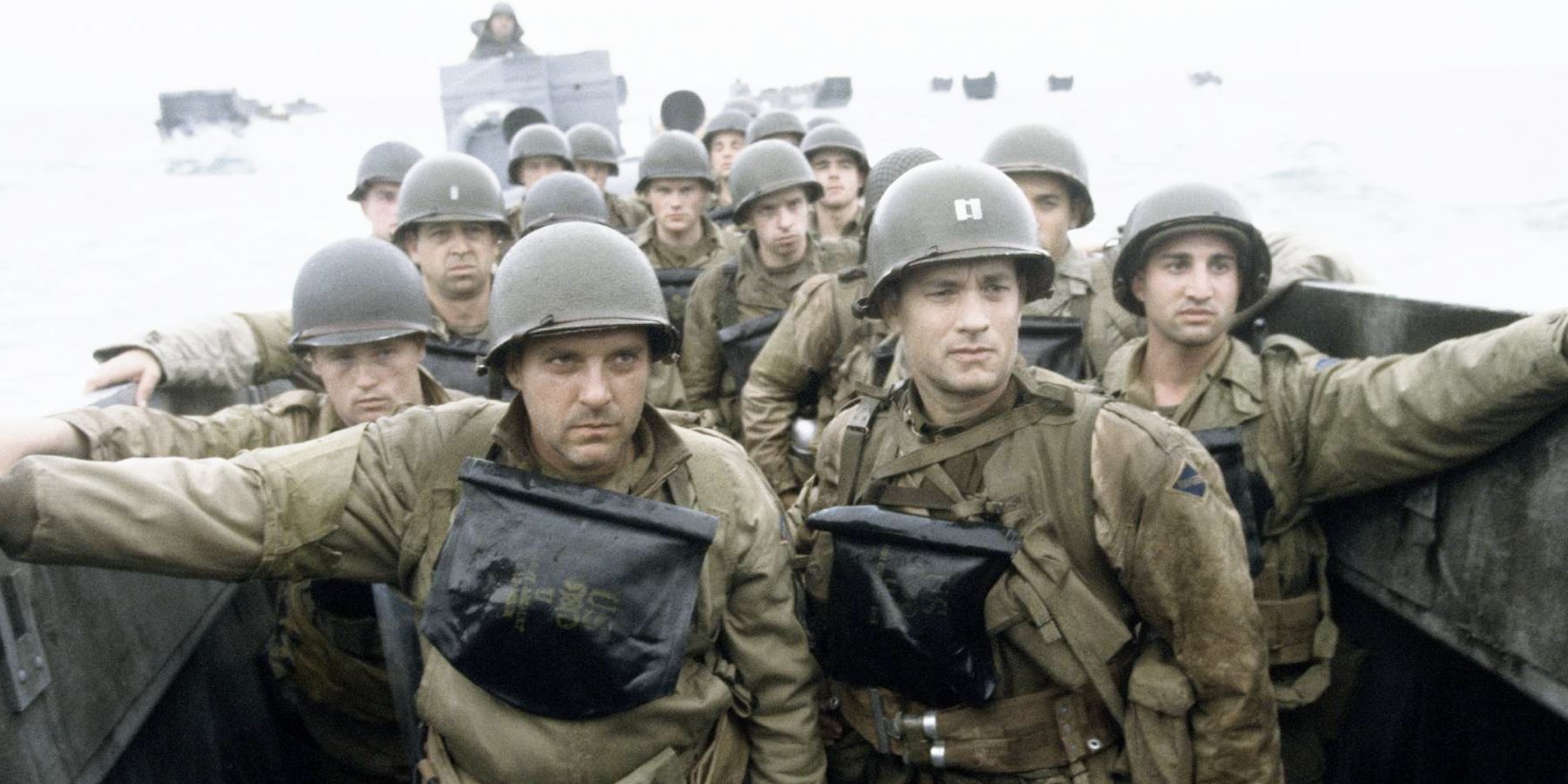
“What the hell do we do now, sir?” Few opening sequences have ever struck with the visceral impact of Saving Private Ryan‘s Omaha Beach landing. Clocking in at nearly twenty-five relentless minutes, this scene is a harrowing plunge into chaos, brutality, and terror. It vividly brings a pivotal historical moment to life. Steven Spielberg‘s masterful use of handheld cameras (including one that gets splattered with blood), muted color palettes, and intense sound design places the audience right in the line of fire.
Bullets whiz through the surf, explosions drown out the screams of the dying, and soldiers cry out for limbs, loved ones, and meaning. The experience is relentlessly immersive. Tom Hanks‘ Captain Miller navigates through the carnage, appearing dazed and almost robotic. Soldiers are taken down moments after disembarking from the boat; one man even runs carrying his severed arm, as if there’s a chance it could be reattached. Simply put, this scene transformed the portrayal of war in cinema forever.
5
The Chilling Final Interview Scene in ‘Zodiac’ (2007)
The Gripping Final Interview Scene
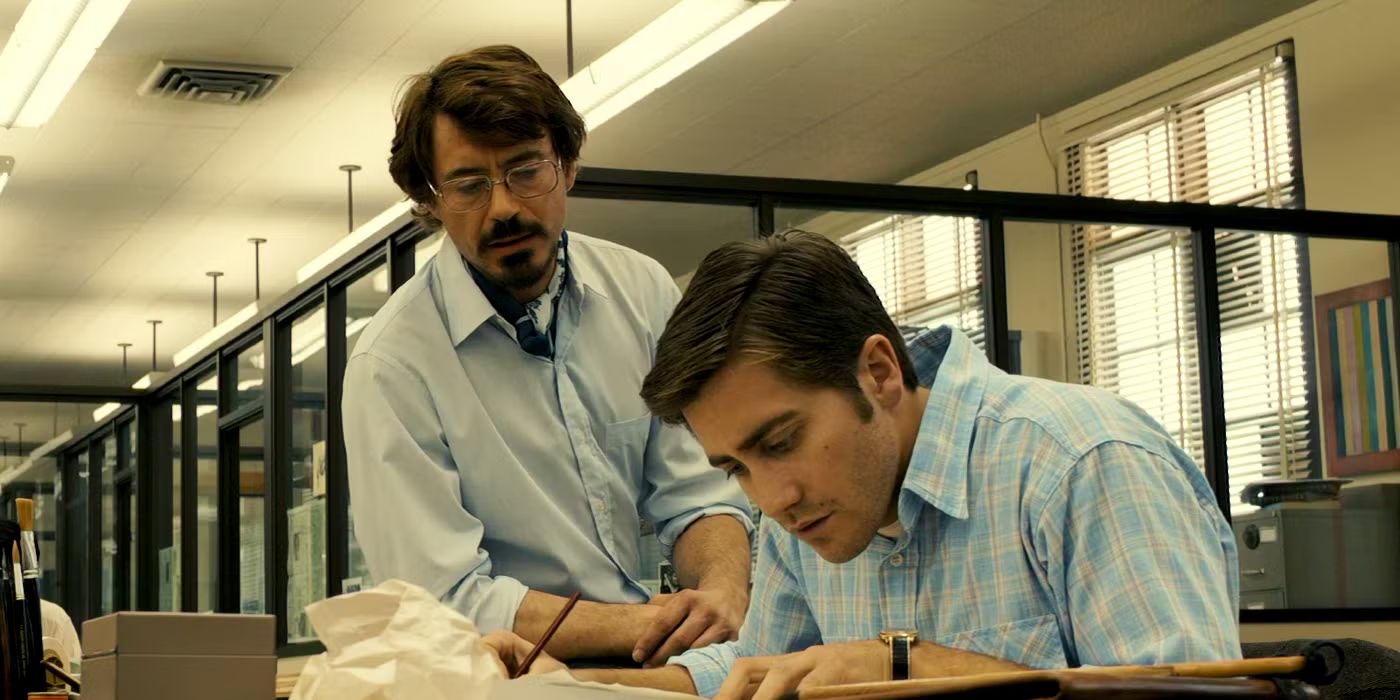
“This is the closest you’ll ever get to the Zodiac.” When Robert Graysmith (Jake Gyllenhaal) locks eyes with the man he believes is the Zodiac Killer, the moment is chilling not for what is said but for what remains unspoken. In this drawn-out scene, David Fincher chooses to forgo flashy editing in favor of a slow, suffocating stillness. The interaction between Graysmith and Arthur Leigh Allen (John Carroll Lynch) is heavy with implication yet devoid of closure (much like the case itself). As with the film as a whole, the scene stubbornly evades catharsis.
There’s no outburst, no confession, no escape—just an atmosphere thick with dread, ambiguity, and a lingering sense that evil does not always announce itself. Sometimes, it simply waits and watches… and smiles. The pacing is hypnotic, with silences becoming a weapon, and Gyllenhaal’s performance powerfully conveys the weight of obsession closing in. The scene builds to a climax, only to end with a simple, devastating look.
4
The Tense “Sicilian” Scene in ‘True Romance’ (1993)
The Gripping “Sicilian” Scene
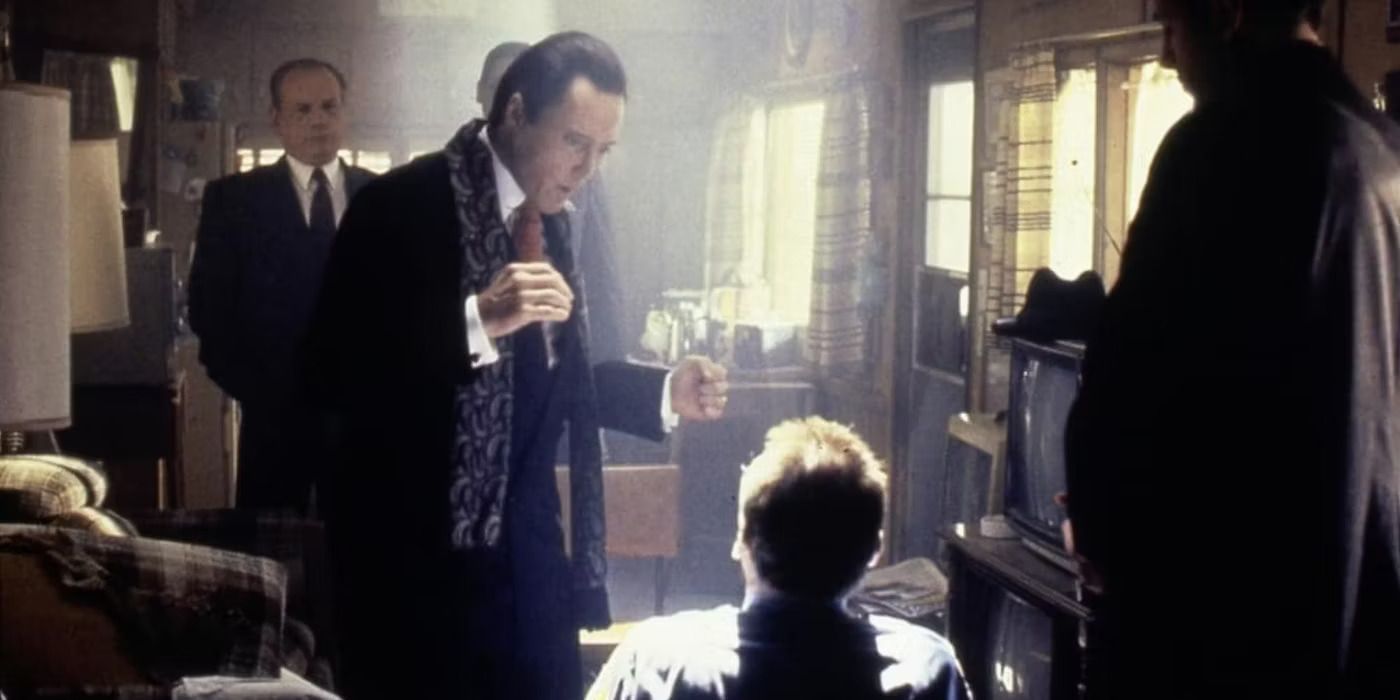
“I’m the Antichrist. You got me in a vendetta kind of mood.” Quentin Tarantino is known for his love of violence, but the tensest confrontations in his narratives are often dialogues. One of the most remarkable is the scene in True Romance where Christopher Walken‘s mob enforcer interrogates Dennis Hopper‘s retired security guard. This interaction transforms into a tense, operatic, five-minute standoff. The dialogue dances between charm and menace, humor and doom, with Walken exuding a charismatic threat and Hopper delivering a fierce, suicidal monologue filled with racial undertones and philosophical gallows humor.
On the surface, this scene is both intense and entertaining; however, a closer analysis reveals it as a powerful commentary on dominance, heritage, and the dignity of choosing one’s own demise. Tony Scott directs with tight close-ups and slow zooms, allowing the language to crackle like gunfire. The scene’s extended duration enables it to breathe and simmer, culminating in an explosion that feels both inevitable and shocking.
3
The Iconic Copacabana Walkthrough in ‘Goodfellas’ (1990)
The Legendary Copacabana Walkthrough Scene
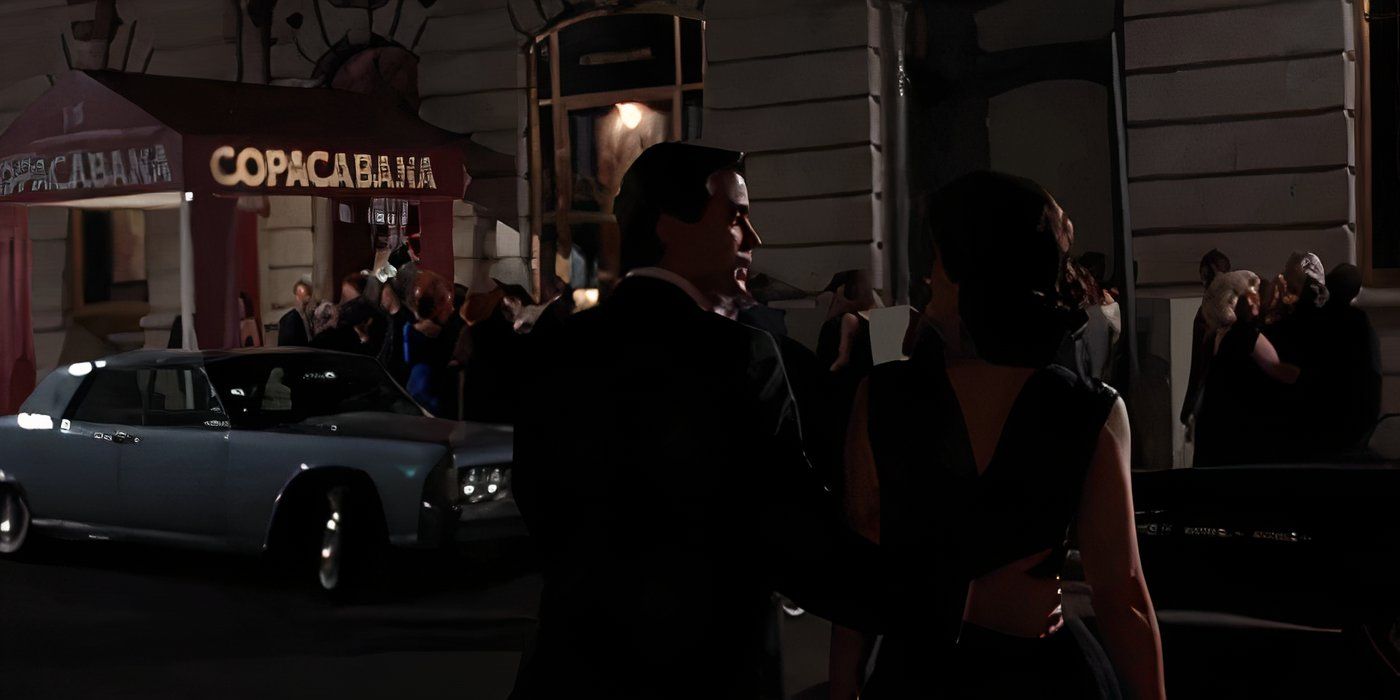
“As far back as I can remember, I always wanted to be a gangster.” This iconic single-take tracking shot follows Henry Hill (Ray Liotta) and his date Karen (Lorraine Bracco) as they navigate the backrooms of the Copacabana nightclub, all set to the tune of The Crystals’ “Then He Kissed Me.” More than just a technical achievement, the shot serves as a profound character study in motion. It offers insight into Henry’s power, influence, and charm without a single word of exposition.
Indeed, the shot is akin to a magician’s flourish, revealing the world Henry has constructed and the awe it inspires in others. Director Martin Scorsese deliberately keeps the camera moving for a full three minutes before even settling at a table, allowing the fantasy to fully sink in. The extended length of this sequence intensifies its dreamlike quality, which ultimately curdles as the film progresses.
2
The Climactic Ending Monologue in ‘There Will Be Blood’ (2007)
The Haunting Ending Monologue
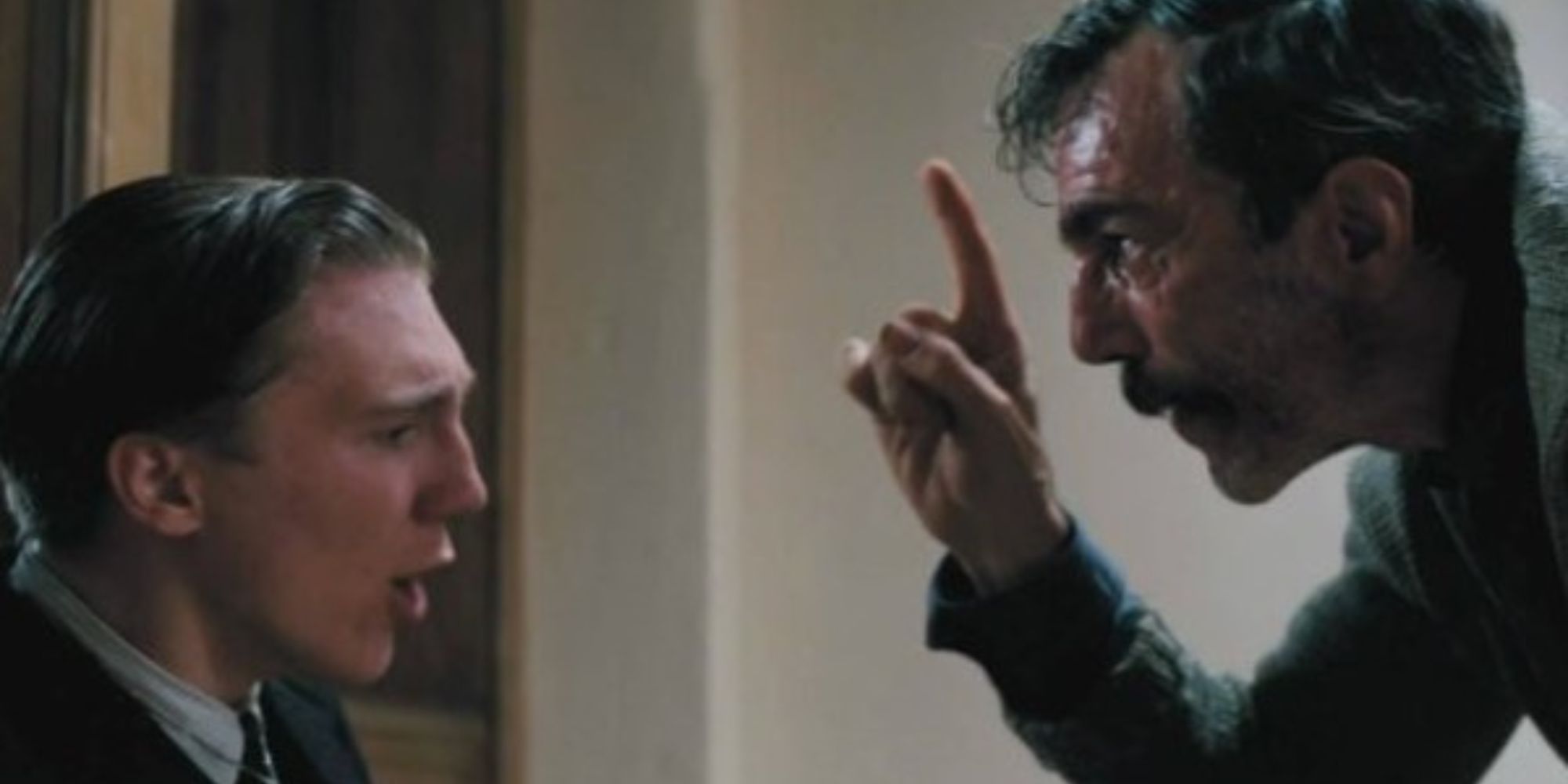
“I drink your milkshake! I drink it up!” The climactic scene of There Will Be Blood is an unholy symphony of arrogance, vengeance, and madness. Daniel Plainview (Daniel Day-Lewis</strong), now wealthy, isolated, and utterly unhinged, confronts his old rival Eli Sunday (Paul Dano) in his private bowling alley. What unfolds is a monologue drenched in venom and spiritual blasphemy. “I drink your milkshake!” might sound absurd (and has become a meme), but it’s actually chilling—a declaration of total, annihilating dominance.
Demonstrating his mastery once again, Day-Lewis transforms the scene into operatic absurdity, oscillating between laughter and horror. Paul Thomas Anderson allows the scene to stretch, seethe, and descend into lunacy. Expertly shot and brilliantly acted, this scene delivers a final note that reinforces the film’s themes. Over five minutes of psychological evisceration culminate in a lifeless body, a smirk, and the quiet, chilling line: “I’m finished.” And so he is.
1
The Iconic Opening Tracking Shot in ‘Touch of Evil’ (1958)
The Groundbreaking Opening Tracking Shot
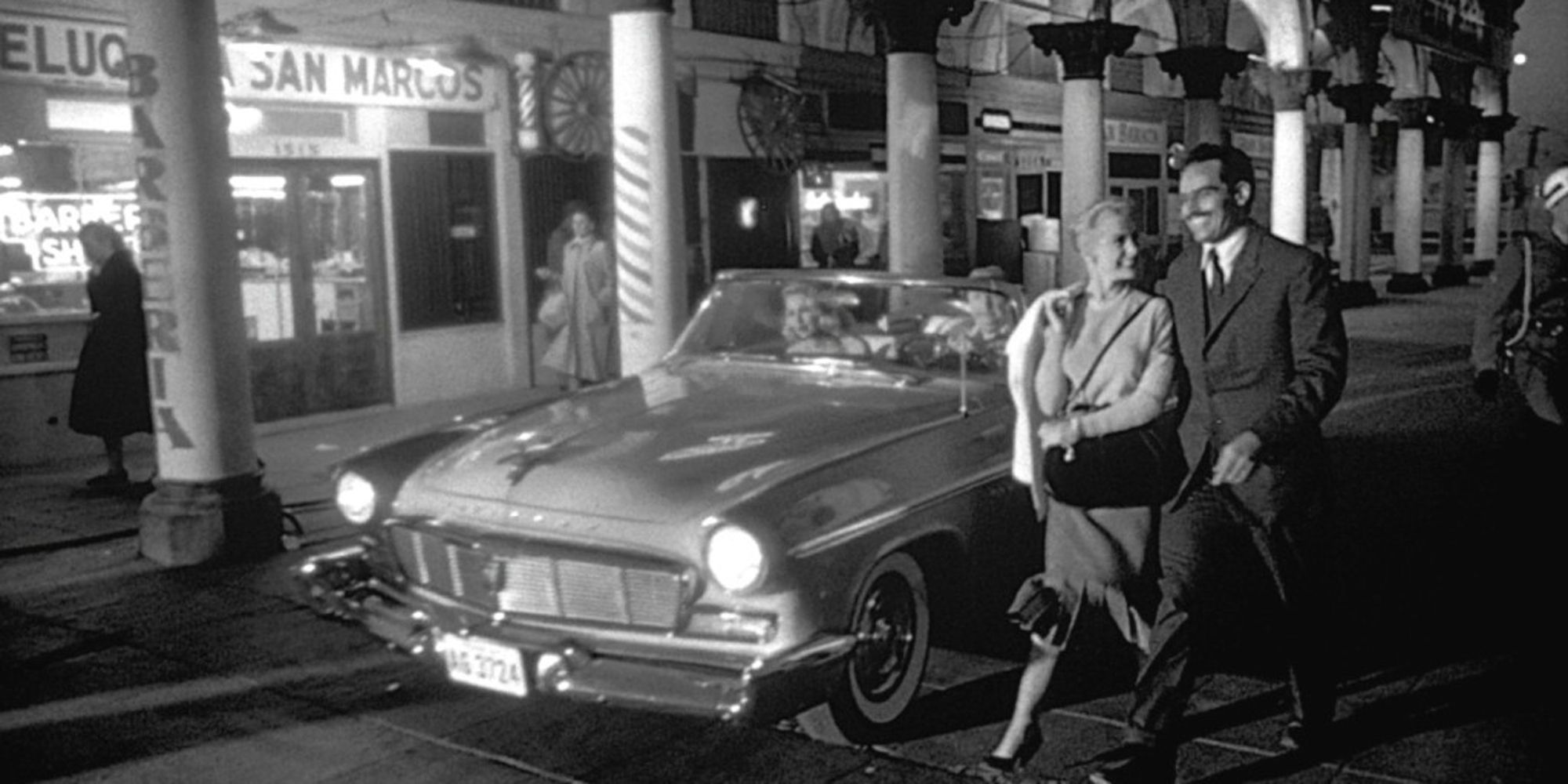
“I don’t understand a thing about this country.” One of the most renowned long takes in the history of cinema, the opening shot of Touch of Evil sets an impossibly high standard for suspense. We follow a car as a bomb is planted in its trunk, watching as it moves slowly through a bustling Mexican border town, all while Orson Welles‘ camera glides and dances in an unbroken, breathless motion.
This sequence is a technical marvel, but more importantly, it serves as a clear statement of intent. From the moment the ticking begins, a sense of dread starts to build. Welles manipulates the tension like a maestro conducting a symphony. He doesn’t indulge in the extended length of the shot because every second serves a purpose. The scene immerses us in the rhythm of this fictional universe just before the explosion shatters it. This iconic scene has inspired countless imitations and remains a masterpiece in its own right.





