We’ve all been in this situation before. You curl up on the couch, teeing up your favorite streaming service for a night of binging one of the classic crime shows from a bygone era. You settle in, popcorn and wine on deck, and press play, ready for a night of reliving nostalgia. Then, 30 minutes into the series, you begin to realize that the protagonist of your “classic” crime show is basically a walking HR nightmare, and you go searching for something that will be easier to watch.
This is the unfortunate fate of some of the shows that were once destined to become classics. Shows that once felt edgy and gritty now feel dated and problematic, according to today’s standards. Whether it’s the glorification of “cowboy” policing, or true-crime documentaries that feel more exploitative than groundbreaking, these crime shows didn’t age like a fine wine from Napa, but more like sour milk that sat on the porch for a week with the sun beaming down on it. So, let’s look at the shows that prove that “law and order” can sometimes become stale.
’24’ (2001–2014)
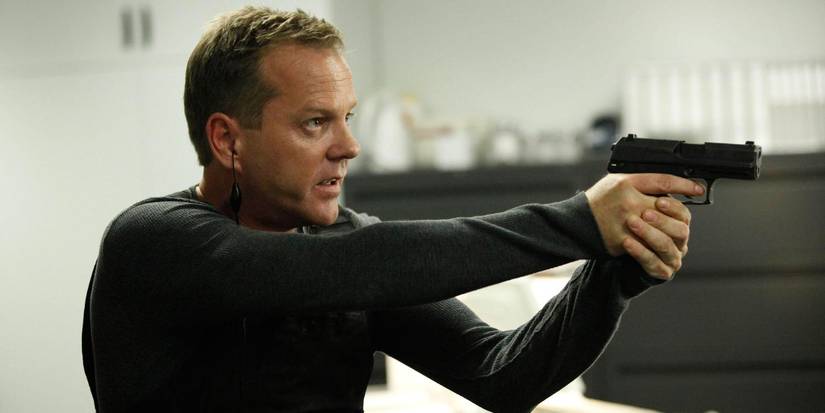
In the 2000s, Jack Bauer (Kiefer Sutherland) was the man that protected America from the terrorists. Created by Joel Surnow and Robert Cochran, <em>24</em> premiered two months after the terrorist attacks of September 11th, and the show ushered in a new age for crime shows as it moved away from the “crime-of-the-week” formula in exchange for high-concept television that was high-stakes, and provided high-drama. Each season of 24 focused on a single day in which Bauer and the FBI must investigate and stop a terrorist attack on the homeland. Back in the 2000s, this was an exciting and genre-bending premise; however, the veneer of 24 has dulled greatly in recent years.
For starters, while 24 focused on terrorism as its central plot, it was often accused of glorifying torture and illegal government surveillance, the latter of which became an issue in real life with the public as the War on Terror dragged on. 24 is also not fondly looked on for the way it portrayed Muslim characters, often stereotyping them as terrorists, along with the fact that the series ran too long. After the fifth season, the quality of the show dropped substantially as its terrorist-heavy, post-9/11 themes began to grow stale among an audience that was clamoring for something fresher. While older viewers may still look at 24 as a groundbreaking series, to those who grew up after its peak, and even those who were around during its original run, its themes and tropes have certainly aged like curdled milk.
‘Cops’ (1989–Present)
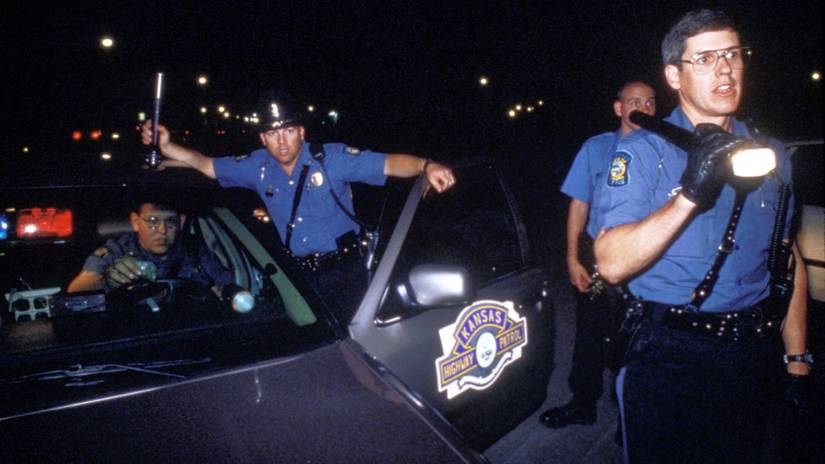
After the murder of George Floyd in the Summer of 2020, Americans began to re-think what they thought of law enforcement, both in how they interact with the public, and how they’re portrayed on television. This reckoning is what led to the cancellation of <em>Cops</em>, a longtime fixture of Saturday nights on Fox that was the vanguard of the reality TV genre. Born out of the writer’s strike of 1989, Cops became a hit among audiences with its portrayal of cops as they busted the bad guys and served their communities. The show blew open the notion that Saturday nights was a “death spot” in the TV lineup, and the action on the screen was often exciting.
But looking at the show from a modern lens, Cops was a very problematic show in which its high ratings help hide its poorly aged concepts. A large portion of the people profiled on the show were often people of color, who were highlighted as criminals who were the scourge of society. Cops also normalized police brutality, as the show framed violent arrests and the harsh treatment of suspects as justified, a thinking that changed dramatically after the death of numerous African American individuals at the hands of the police. While Cops was truly groundbreaking, kicking off the reality TV format that would only grow in subsequent years, Cops is nothing more than police propaganda in the face of other reality shows such as On Patrol Live, a similar show that shows police in real-time and gives a more honest look at policing.
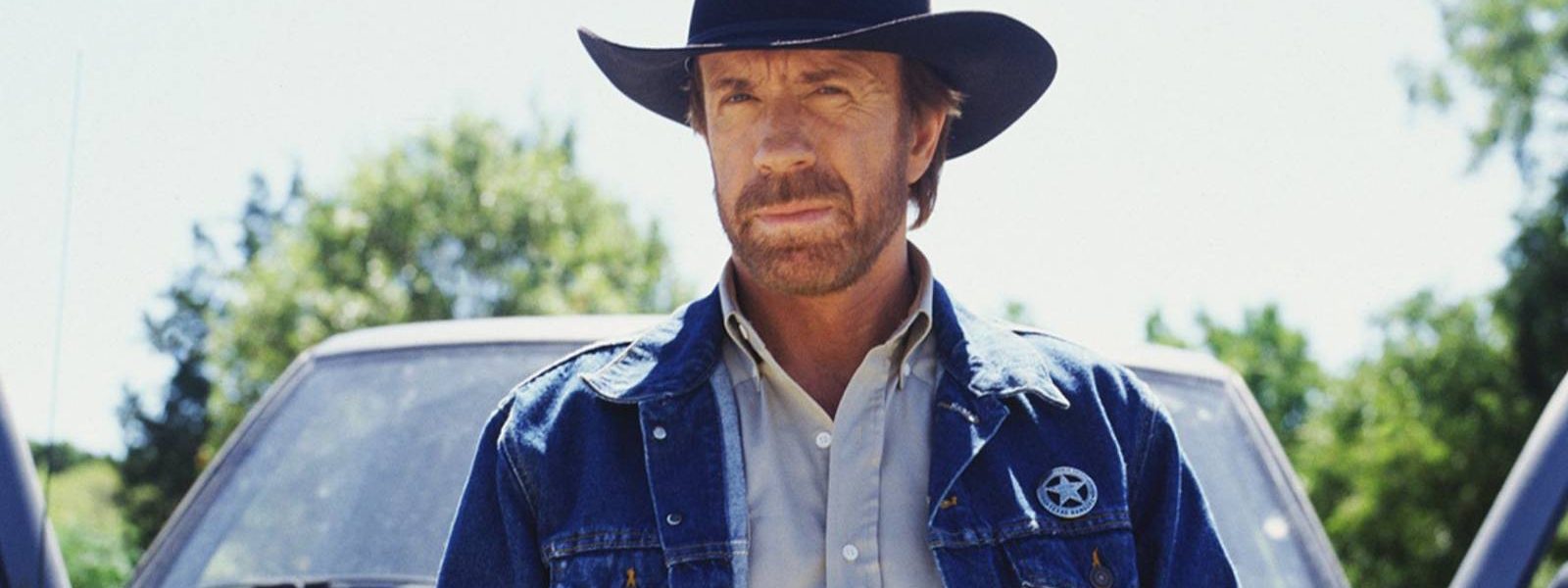
‘Walker, Texas Ranger’ (1993–2001)
in uniform in ‘Walker,
Texas Ranger.’

This one hurts, as this author is a huge fan of
Walker,
Texas Ranger,
and remains so to this day.
However,
while I’m still a huge fan
of this crime procedural,
even I can’t help but notice how poorly
the show has aged.
Inspired by
the 1983 film
Lone Wolf McQuade,
the crime drama stars
Chuck Norris
as Cordell Walker,
a member
of
the Texas Ranger who,
along with his partner,
James “Jimmy”
Trivette (
Clarence Gilyard
)
help
solve crimes
and bring criminals
to justice
in
the Rangers’
Dallas-Fort Worth division.
Airing
in syndication,
Walker,
Texas Ranger
broke through
to become popular among viewers during its initial run,
and has maintained its popularity
in years after it left first-run status
in 2001.
Having said that,
there are a number
of issues that have made this show age poorly.
For starters,
Walker,
Texas Ranger
feels very predictable,
thanks to its “attack first,
ask questions later”
format that it followed with religion,
withCordell being portrayed
as a “Super Ranger”
with near impossible immunity to physical harm,
even though he inflicted
a lot of harm on criminals.
Then there’s
the production quality,
which looked
a bit campy even during its original run,
but it’s even more obvious today.
In many
of
the action scenes,
you can clearly
see Norris’
stunt double,
and
the many mistakes
that are made,
such as clearly-damaged cars repairing themselves
in between scenes.
While many longtime viewers could possibly get past those examples,
what modern viewers can’t get past is how
the show clearly justifies excessive policing,
to
the point that some viewers now view
Walker,
Texas Ranger
as
a “conservative law enforcement fantasy”
that has aged
the show quite poorly according to today’s standards.
‘CSI: Crime Scene Investigation’ (2000–2015)

Crime Scene Investigation’
Back at
the turn of
the millennium,
TV viewers were becoming increasingly interested
in forensic science,
especially when it came to solving cases.
This was thanks to CBS’
highly stylistic crime procedural
CSI:
Crime Scene Investigation,
a show that would go on to launch an entire franchise
that would become
the bedrock of
the network’s
crime procedural programming.
The original
CSI
premiered in 2000,
and took a different take on
the typical crime series,
focusing ona team
of crime scene investigators who use physical evidence
and forensic science to solve murders in Las Vegas.
The science
the CSI team used was high-tech and looked cool to viewers,
with
the show having an outsized effect on real-world use of forensic evidence.
The downside now is that much of what was portrayed in
the original
CSI
was very inaccurate.
The show drastically exaggerated
the capabilities of forensic technicians,
making them look like detectives when,
in reality,
they’re not.
As aforementioned,
the “CSI Effect”
wound up having a negative impact on
the judicial system in real life,
with juries often demanding excessive forensic evidence for convictions,
which was impossible to do.
This was corrected in later versions
of
the franchise,
but they couldn’t fix
the tone and style of
the original
CSI ,
with its highly stylized nature aging rapidly over subsequent years.
Which Fictional Hospital Would You Work Best In?‘
The Pitt · ER · Grey’s Anatomy · House · Scrubs’‘
Five hospitals. Five completely different ways medicine goes sideways on television — brutal, chaotic, romantic, brilliant, and ridiculous. Only one of them is…