Horror thrives on a captivating creature feature, and the most iconic is undoubtedly Jaws. There has always been something uniquely terrifying about what the deep blue waters of the ocean could potentially conceal, with a killer shark at the top of that list. Arguably, what made Steven Spielberg‘s film so frightening is the anticipation; knowing the sharp-toothed monster lurked beneath the surface, but never quite knowing when it would lunge at its prey.
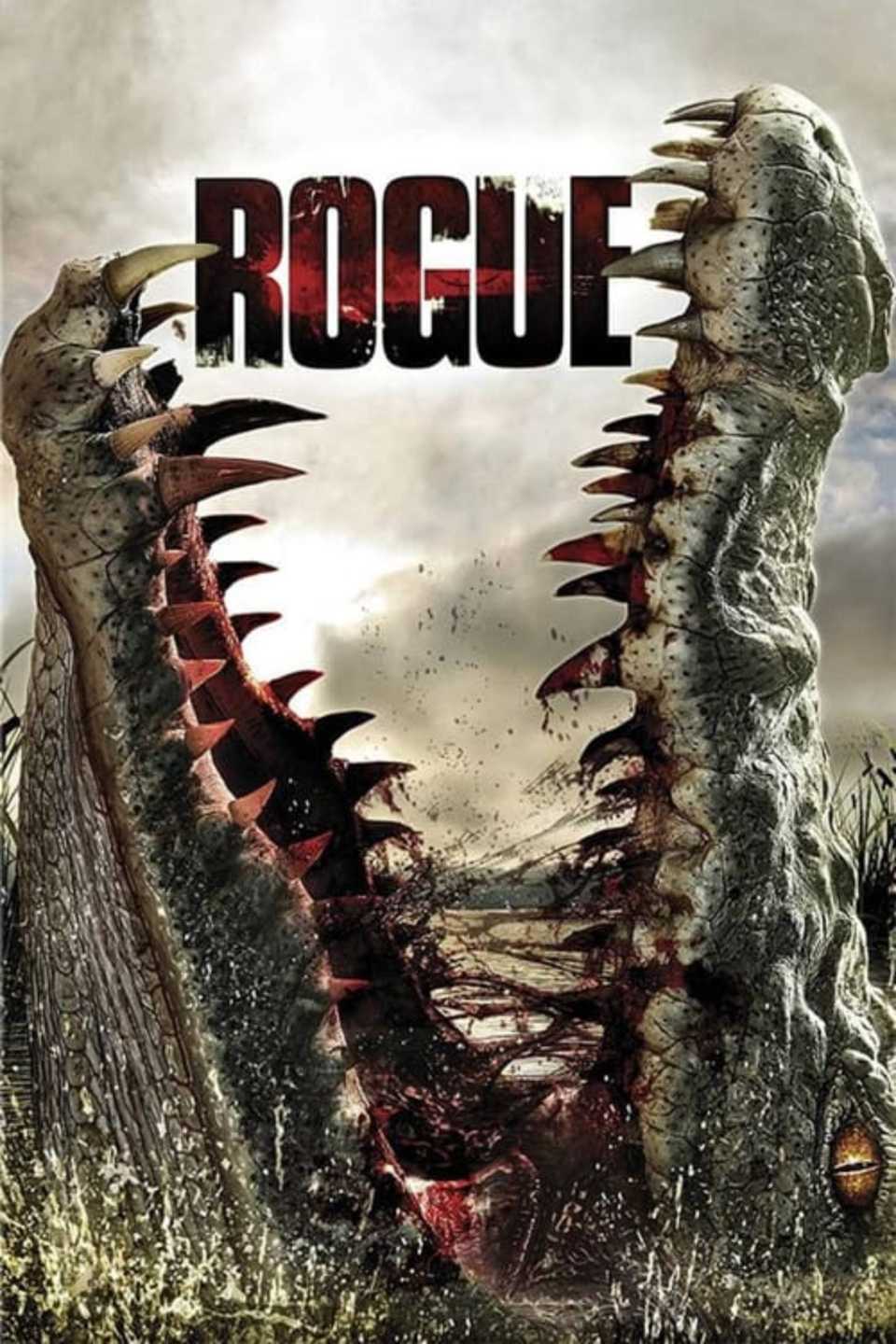
Another creature that evokes similar fear in murky waters is the dreaded crocodile. So, if you seek an equally suspenseful crocodile counterpart to Jaws‘ island beast, look no further than the Australian outback horror, Rogue. It possesses the same psychological intensity and brutality that made audiences scream during Jaws, but instead of razor-sharp teeth, envision gnashing, gnawing chomps that savor each bite of human flesh.
What Is ‘Rogue’ About?
Similar toJaws, the film follows an unsuspecting group that is suddenly attacked by a large underwater sea creature, one that would generally avoid humans, but not this time. InRogue, a group of tourists embarks on a river cruise in the Northern Territory, home to crocodiles. However, during the tour, the passengers spot a flare in the distance, and tourist guide Kate (Radha Mitchell) is compelled to investigate. To take this detour, they must traverse sacred Aboriginal land, which is strongly advised against in Australia, creating an already tense atmosphere.
They eventually discover the potential source of the flare—an upturned boat in the middle of the river. Before Kate can decide their next move, a massive force slams against their boat, and they barely manage to reach a small island in the river. They soon realize it was a huge crocodile that attacked them because they were in its territory, leaving them stranded. This is where the initially serene film transforms into a horrific fight for survival as the desperate group tries to find a way home while evading the powerful jaws of the crocodile waiting to drag them half-alive to its lair for a slow feast.
‘Rogue’ Gives Australian Crocodiles the Suspenseful ‘Jaws’ Treatment
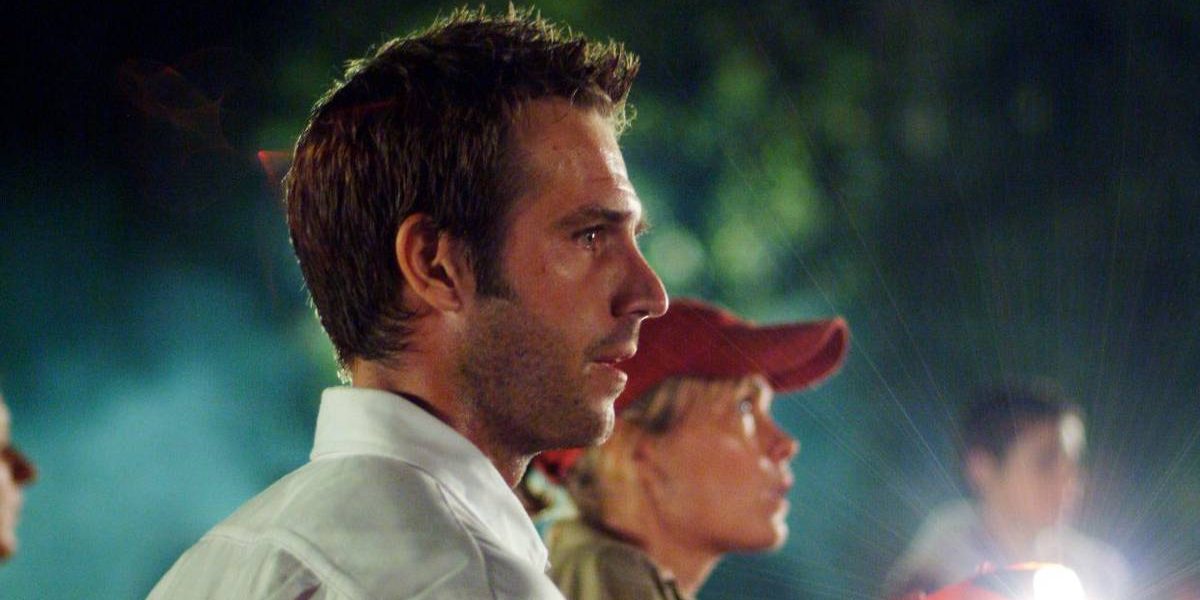
Rogue may initially appear as a cheesy Australian outback B-movie with its opening scene featuring an American journalist, Pete (Michael Vartan), clashing with locals and eyeing tourist families. However, once the main crocodile is introduced, the Jaws-like atmosphere takes over, filled with white-knuckled anticipation and stomach-churning terror. The primary technique it shares with Jaws to achieve this is by withholding early glimpses of the crocodile. Instead, we are left with ripples in dark water hinting at danger or a flashlight desperately swinging along the riverbanks in search of a glimpse of the scaly creature. The cameras focus on the dreadful possibility of its presence, only to be confirmed at the last moment with a blinding flash of teeth.
Another way Rogue creates a tense and panicked atmosphere akin to Jaws is by blending haunting realism with fictional hyperbole typical of creature features. The film begins as a tranquil cruise down the river but lays groundwork for impending terror as Kate casually shares wild crocodile facts. From their ability to launch their entire body out of water to snatch prey to how they can take live victims to their lairs for later consumption, these spine-chilling facts linger in our minds when horror strikes. Like Jaws, it stretches truth almost to disbelief while maintaining balance through psychological tension.
‘Rogue’ Has All the Psychological Thrills of ‘Jaws,’ Plus Crocs
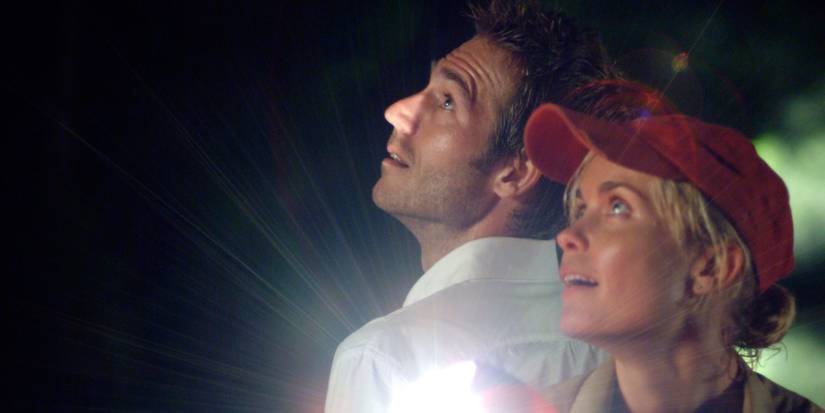
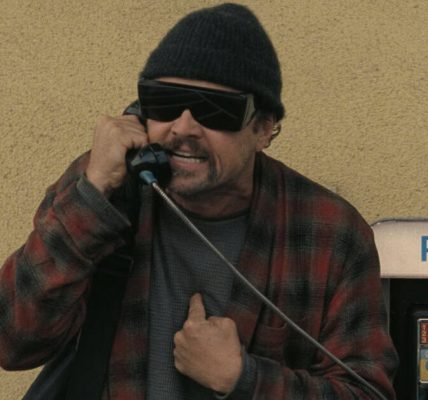
Thus, similar to Jaws, if the formidable creature cannot dominate the screen, then it’s Rogue’s cast who must convey visceral terror from being hunted. From fathers acting irrationally to save their children to wives collapsing as their husbands are dragged into the river, tension rapidly escalates through their individual performances. However, it is John Jarratt who stands out among them as he plays a local grieving widower whose initial sorrow transforms into desperate fear. This marks their second collaboration after director Greg McLean’s feature debut,Wolf Creek. Instead of portraying a crude serial killer, Jarratt’s features soften here, exuding quiet dependability on the cruise. Witnessing him spiral into panic as he yells at others’ irrational decisions or bitterly states he has nothing left to lose carries its own spine-chilling weight.
The true horror lies not only in watching tourists lose their heads (figuratively and literally) but also seeing wildlife experts succumb to terror. The group includes local Neil (Sam Worthington) who must collaborate with Kate despite their differences for survival. Worthington and Mitchell deliver balanced performances as they attempt rational escape plans while their fear of these massive creatures threatens to break through their facades at every turn. If experts panic, what chance do others have?
Evidently, even with a screen between us and the croc, the mounting tension from both cast and storytelling remains potent as Spielberg’s classic from 1975. Rogue delivers all hair-raising psychological thrills that made Jaws a gripping watch, even as we swap deep blue oceans for murky rivers and sharp shark teeth for crocodile death-rolls. If you’ve ever wanted to fear crocs like Jaws would make you fear sharks, then this Australian horror is for you.
Rogue is available for streaming on Tubi in the U.S.
- Release Date
-
November 8, 2007
- Runtime
-
99 minutes
- Director
-
Greg Mclean
- Writers
-
Greg Mclean