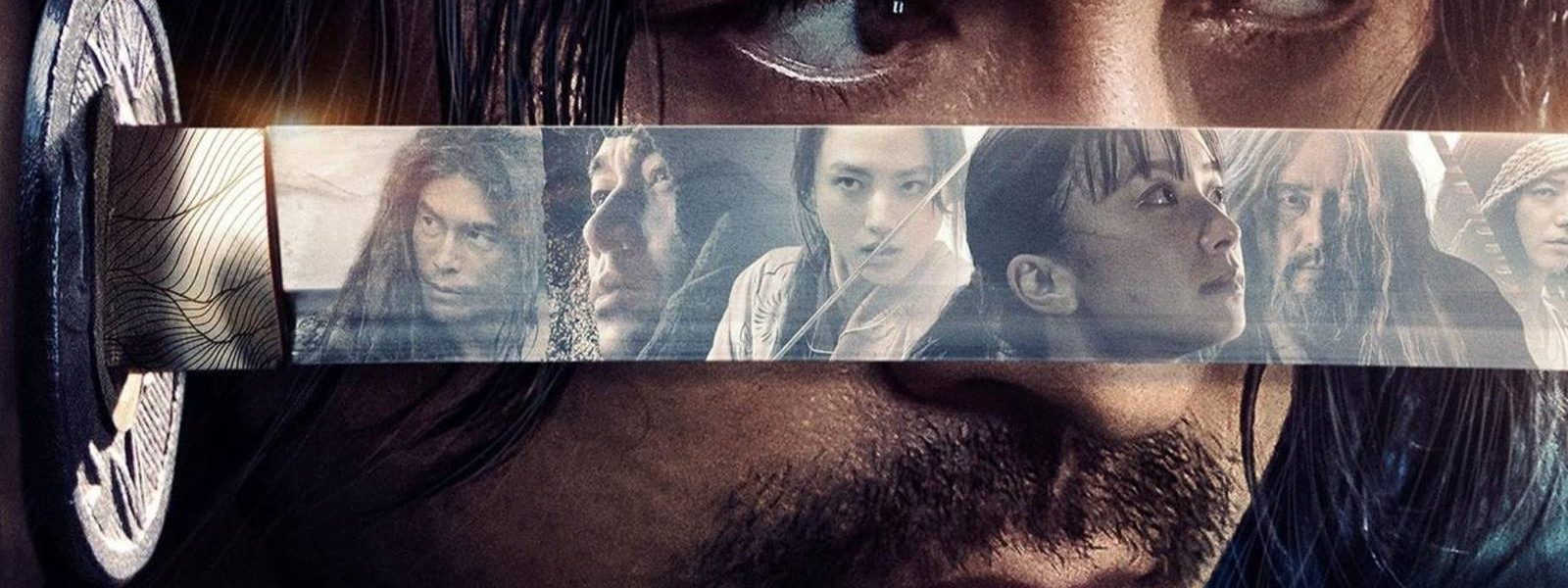
It’s hard to avoid Squid Game comparisons with Last Samurai Standing, the new action-heavy series based on author Shogo Imamura‘s “Ikusagami” novels. Parallels are obvious given the premise: nearly 300 samurai have to survive a long death game for a hefty cash prize, facilitated by a mysterious group of magnates. Leaning on easy shorthand would be a shame, however, for two reasons. On the one hand, Netflix’s new action drama has been in development since before Squid Game‘s notable debut; on the other, the two shows are doing very different things.
Squid Game became an international phenomenon in part because of its excellent writing, performances, and set pieces, but also because of the relatability surrounding a debt-drenched, opportunity-lite capitalism. The action-heavy Last Samurai Standing is set relatively early after the Boshin War (1868-1869), a civil conflict that destroyed the Tokugawa shogunate and turned the samurai from a revered, respectable class into a destitute one. There’s a mystery at its core, on top of top-shelf action, that sets it apart as a stellar series in its own right. At a breezy six episodes, it would benefit from the added depth a longer runtime allows, but Last Samurai Standing still remains an exceptional all-timer in the realm of action television thanks to a unique historical premise and world-class stunt work.
What Is ‘Last Samurai Standing’ About?
292 destitute samurai receive an invitation to join a mysterious tournament, the Kodoku, and are asked to travel seven checkpoints on the Tokaido route to Tokyo. To pass, they need to collect tags from their fellow samurai. You can guess how.
The series follows Shujiro Saga (Junichi Okada), a legendary assassin who joins the tournament to save his cholera-stricken wife and child. He decides to protect the contest’s youngest, Futaba Katsuki (Yumia Fujisaki), along with a growing band of allies that includes his skilled sister-in-law, Ironha Kinugasa (Kaya Kiyohara), the ninja Kyojin Tsuge (Masahiro Higashide), and the devout archer Kocha Kamul (Shota Sometani). All of them have to both survive the tournament and get to the bottom of the powerful conspiracy behind it.
‘Last Samurai Standing’ Is a Great Showcase for Junichi Okada
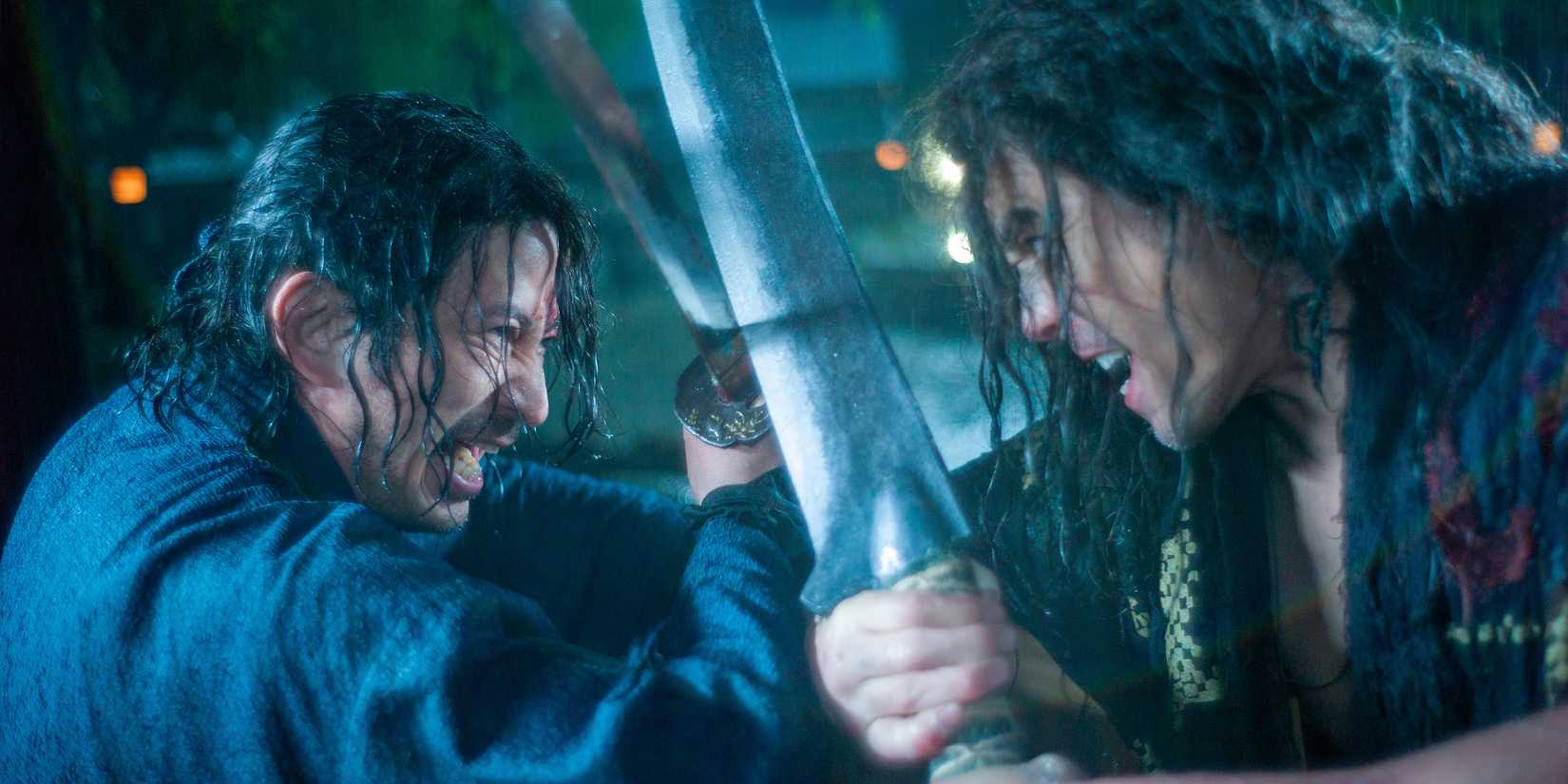
We’re at a new high point for shows set in the era of the samurai thanks to Shōgun‘s blend of complex characters, doomed romance, and courtly intrigue. Last Samurai Standing does contend with the complexity of modernizing forces in Japan, but from a very different angle, with a deeper focus on the everyday samurai who struggled in an era of transformation. There’s also the novelty of a death game run by a mysterious cabal, but the key showcase is the series’s exceptional action sequences. The mystery at the story’s heart works well, taking an absurd premise and giving it not only viability but a mournful, tragic edge through an effort to finish the extinction of a social class.
Junichi Okada is excellent as esteemed ex-warrior Shujiro Saga, formerly known as Kokushu the Manslayer. He gives a stoic but complex portrayal of a traumatized warrior sprung into action to save a young girl. Okada, who produces the series in addition to being its action choreographer, executes said choreography with brilliant ease. Masahiro Higashida is charming throughout in addition to bringing a different action flavor to the series, while Hideaki Ito is memorable and formidable as the murder-happy thug Bukotsu Kanjiya. It’s a series with stellar individual performances alongside top-shelf action, and the entire cast pulls the latter off with adept skill.
‘Last Samurai Standing’ Is Some of the Best Live-Action Television of the Year

Most significantly, Last Samurai Standing boasts world-class duels, with the best samurai action seen since perhaps Takashi Miike’s magnificent 13 Assassins, in addition to some of the best action choreography this year (at least outside the equally excellent The Furious). Distinct fighting styles, lightning-quick sword strikes, and arrows that seem to bend in the air all cement a series that can’t be missed. It sets a high bar, and every moment of combat looks fantastic thanks to carefully staged set pieces and gorgeous period trappings.
Last Samurai Standing could have merely been a fun exploration of a conceit that’s absurd at face value, but a variety of factors elevate the series into something much more. Its tumultuous setting makes the premise chillingly plausible, with added believability thanks to a talented cast and beautiful production design. Junichi Okada excels, both as a traumatized and complicated protagonist and in the excellent execution of action choreography. The series boasts unique fighting styles, great hero moments, and novel developments that stand out in a packed genre. While there are under-explored avenues, backstories, and contexts that would benefit from a longer season, it nonetheless excels as an adrenaline-pumping show that can’t be missed — and the best live-action action television of the year.

- Junichi Okada gives a stellar performance as the traumatized and hesitant but skilled protagonist, supported by a strong overall cast.
- World-class action cements Last Samurai Standing as an all-timer.
- The series’ unique context allows for both beautifully developed historical settings and adds unique plausibility to an otherwise believability-stretching premise.
- In six swift episodes, there are unexplored contexts, backstories, and narrative avenues that would have elevated the series further.