
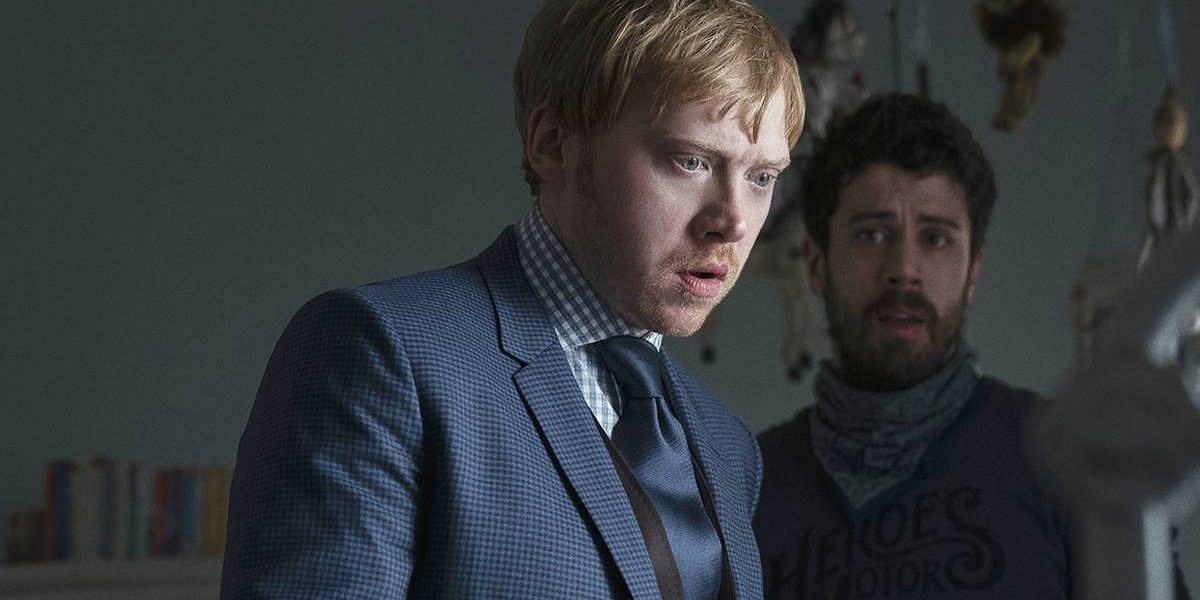
When it debuted on Apple TV, Servant felt like a breath of fresh air. The streaming service may have served up multiple great sci-fi shows and several celebrity-driven projects like The Morning Show, but Servant offered a serialized, half-hour horror mystery that was spooky, unpredictable, and darkly funny in equal measure. In its beginning, Servant felt like early films by its producer, M. Night Shyamalan, who found the same balance between emotional realism and high-concept supernatural intrigue that had made The Sixth Sense and Signs so beloved. Unfortunately, Servant began to make a few missteps in its final season, which started to resemble the disastrous twists of Shyamalan projects like Lady in the Water and The Happening.
Perhaps the biggest issue with Servant‘s final season is that the series started off relatively straightforward before it became far too confusing for its own good. Set in contemporary Philadelphia, the show followed television anchor Dorothy Turner (Lauren Ambrose) and her celebrity chef husband Sean (Toby Kebbell) after the tragic loss of their thirteen-week-old son, Jericho. Although Dorothy’s brother Julian Pearce (Rupert Grint) is able to offer some support, help for the Turners doesn’t really come until the arrival of the mysterious nanny Leanne Grayson (Nell Tiger Free), who has seemingly supernatural abilities. The unusual premise, which revolved around Dorothy believing her son was still alive, was something Servant used to its advantage to blur the lines between healing and madness. Unfortunately, Servant bit off more than it could chew, resulting in a finale that was confusing, underwhelming, and downright mean-spirited.
Apple TV’s ‘Servant’ Lost Its Focus in the Final Season
What had made Servant so successful initially was that the series had a deceptively simple conceit and a relatively narrow scope of focus. The death of Jericho means that the Turners feel trapped within the same apartment where their worst memories were kept, which gave the series an excuse to be primarily set in one building. By keeping the scares contained, Servant was able to create familiarity with the unorthodox relationships between the four leads, each of whom becomes guilty of betraying and double-crossing one another. Unfortunately, the insertion of additional recurring characters in later seasons of Servant meant that the show had strayed from its initial conceit and no longer had the same degree of intimacy. Although police officer Stephanie Reyes (Victoria Cartagena) and cult leader George (Boris McGiver) added significant external pressure to the Turners, Servant was not equipped to develop an entire ensemble without undercutting the original protagonists.

This Gritty Crime Miniseries Is Still One of Apple TV’s Most Captivating Shows 3 Years Later
The 98% RT prison drama features one of Ray Liotta’s best — and last — performances.
Servant also faced issues in that it seemingly changed its approach to horror within the final season, moving away from the more atmospheric vibe that it initially had. While the emotional weight of losing a child meant that Servant was never a “feel-good” show, there was something fascinating in portraying domestic life in a way that was only gradually infected by the supernatural. The end of Servant put more emphasis on the growing influence of the Church of Lesser Saints, a radical cult led by George and his wife May (Alison Elliot). Initially, their presence served as a fascinating allusion to overprotective relatives and a smart satire of religious fundamentalism, but Servant‘s mythology became so dense that it was no longer an easy binge. One reason that the half-hour format had initially been so successful is that Servant didn’t feel burdened by the narrative expectations of an hour-long program, allowing for more unconventional approaches. By the end, the broader spectacle began to resemble the bloat and self-importance that had become far too common on prestige television.
‘Servant’ Completely Failed Its Characters in the End
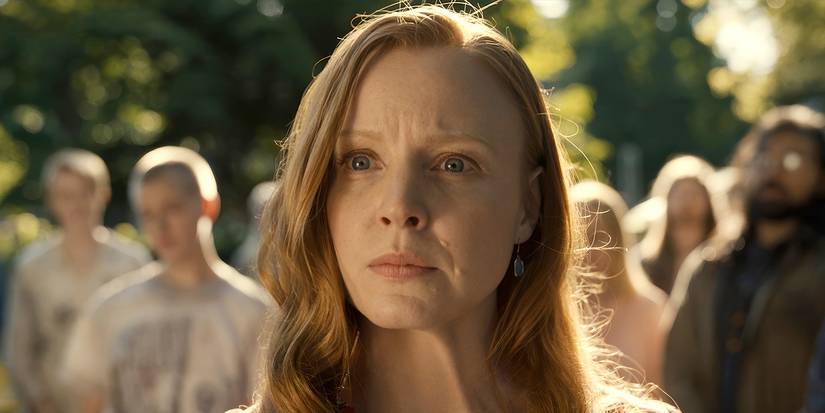
Servant had initially done a good job at walking a fine line of making each character flawed, creating a sense of ambiguity as to who the audience should be rooting for. Even if Sean, Dorothy, and Julian were all narcissistic in their own ways, Leanne was guilty of hiding certain things from them and taking advantage of their grief. The final season edged too far into making Leanne an outright villain, with some twists revealed that suggested she had ulterior motivations for being involved with the Turners from the beginning. Even if Leanne was ultimately intended to be an antagonist in the series, Free wasn’t given room to bring complexity to her role when her actions felt deliberately evil.
The series also struck an odd tone in trying to smooth over many disputes between Sean and Dorothy. Although the couple had always seemed to be at each other’s throats throughout the first three seasons, the last run of episodes featured them reconciling in a way that felt incongruous with their earlier depictions. Grint, who had been giving one of his best performances, was unfortunately sidelined in the final season because Julian seemed to no longer have purpose within the story.
Servant never failed to be unexpected, even in its final season, but the show became more impressed with its own shock value than it was dedicated to asking existential questions. As silly as the plot could get, Servant did evoke interesting debates about faith, grief, and professionalism within healing processes. The scares served as a means of exorcizing these anxieties within characters while the last season began to include gratuitous moments in an effort to mask story weaknesses.
The perpetually morose vibe made it a drag compared to how idiosyncratic and perceptive earlier seasons were in examining familial complexities. It’s far more satisfying to simply ignore all revelations unveiled and pretend that third season was an ambiguous conclusion. Shyamalan may have managed to keep wheels turning and suggest he learned his lesson, but ending of Servant ‘s seemed to confirm that legendary filmmaker would never end story without causing uproar.
 [nospin]Here you can find the original article; photos and images used in our article also come from this source. We are not their authors; they have been used solely for informational purposes with proper attribution to their original source.[/nospin]







