Although Apple TV has been producing interesting shows since its launch in late 2019, the streaming service established itself as the “go-to” place for science fiction fans with the success of <em>Severance</em>. A mind-blowing, philosophically arresting series packed with twists and turns, Severance offered a compelling central mystery that was backed up by strong satire about the unhealthy work-life balance of modern employees. The first season was a masterpiece that stands as one of the best of the decade, but Severance reached its emotional apex in Season 2 with the episode “Chikhai Bardo.” It’s a series that is often defined by its biggest revelations, but “Chikhai Bardo” helped flesh out a second-tier character in the most visceral, heartbreaking way possible.
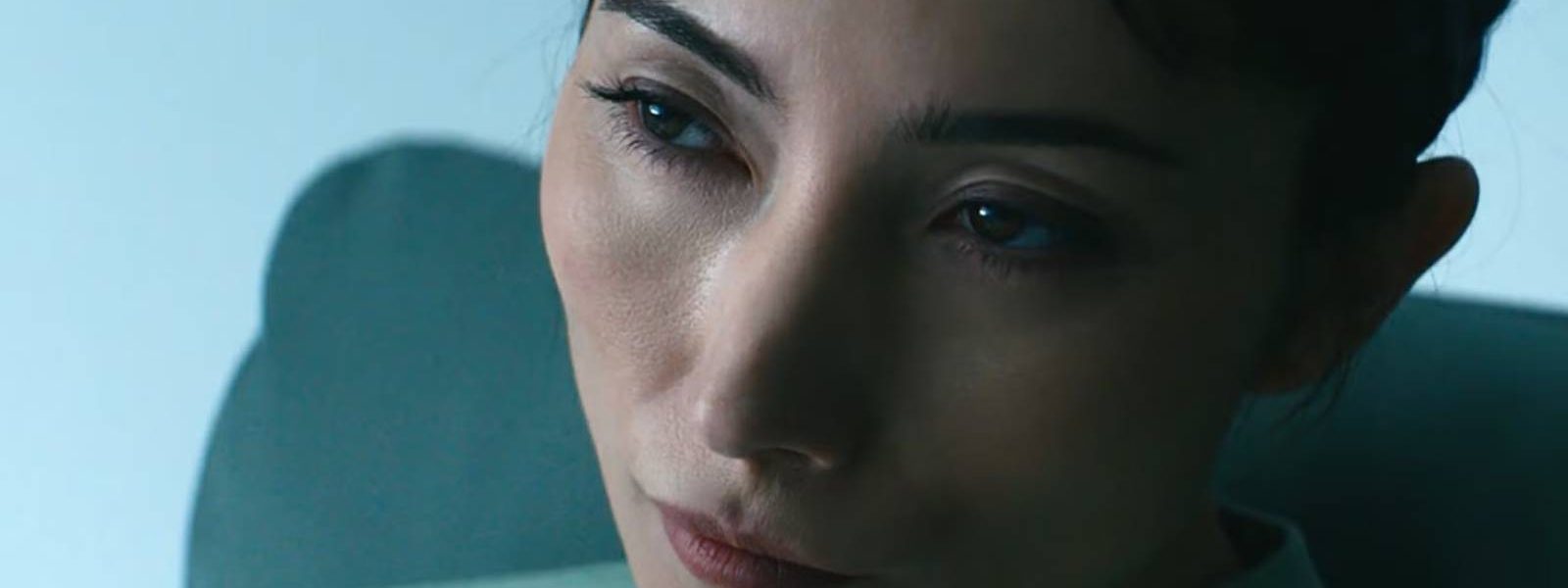
One of the biggest revelations in the first season of Severance is that the enigmatic wellness counselor Ms. Casey (Dichen Lachman) is actually Gemma, the wife of Mark (Adam Scott), whom he previously believed had been killed in a car accident. The twist has significant implications regarding the way that Mark has conducted himself as a Lumon employee, but “Chikhai Bardo” is the first Severance episode to explore events from Gemma’s perspective, providing an opportunity for Lachman to shine. The title itself is a reference to the “moment of death” in Tibetan religious culture, and that theme of loss is presented in complex ways through the growth and collapse of Gemma’s relationship with Mark.
“Chikhai Bardo” Is One of the Best Episodes of ‘Severance’
It may not have been the first episode of Severance to be told in a non-linear way, but “Chikhai Bardo” has a significantly different style compared to the rest of the show because of its director. Ben Stiller is often thought of as the primary creative force behind Severance, and while he directed many of the best episodes, “Chikhai Bardo” was helmed by cinematographer Jessica Lee Gagné in her Severance directorial debut. Gagné had previously worked with Stiller on the underrated crime series Escape at Dannemora, and certainly knows how to heighten suspense within a confined environment. However, “Chikhai Bardo” is the rare flashback episode that doesn’t feel like a hazy memory because reality is always visceral when it’s occurring. By diving back into the events that shaped both Mark and Gemma into the people that they became, Severance analyzes how significantly they have changed during their time at Lumon.
The 10 Greatest TV Dramas You Can Binge in One Week, Ranked
Time to clear the calendar!
“Chikhai Bardo” explores the early romance between Mark and Gemma, and how quickly their relationship fell apart as a result of her miscarriage. The episode was a reminder of how tactile the world of Severance is, and that its reality is one that doesn’t feel that far removed from the present; the fact that Lumon’s technological advances have in no way led to better medical treatment, specifically for women, is certainly something that is discussed. Although the “chikhai bardo” phrase is referenced directly in the episode, it could refer to multiple things; the death in question may have been the couple’s unborn child, but it also refers to the collapse of Gemma and Mark’s relationship as they both grow more insular once she finds it impossible to conceive. Their frustrated, easily manipulated state makes it easier for Lumon to divide them and take advantage of the growing rift. While Mark is lied to and forced to accept the story that his wife was killed, Gemma is slowly adjusting to her new reality on the Lumon testing floor, realizing that she will never be able to revert to her life before.
Gemma Scott Is the Most Tragic Character in ‘Severance’
The thematic “moment of death” in “Chikhai Bardo” isn’t just the erasure of Mark’s memory of Gemma, but also the loss of prior versions of both characters. After spending time under Dr. Mauer (Robby Benson), one of the show’s best villains, Gemma truly becomes “Ms. Casey,” leaving everything in her life outside of Lumon behind. This is also when Mark’s mental health takes a turn for the worse, and his “outie” becomes hounded by grief and depression; his only escape from the tragedy of Gemma’s supposed death is within Lumon, which gives more power to his “innie.” Even if Gemma is alive, Mark grows so adjusted to his role as an employee that his former self begins to fade away. It’s because of events in “Chikhai Bardo” that Mark’s final choice during the now-iconic ending of Season 2 hits even harder.
Severance is often thought of as purely an intellectual series, but “Chikhai Bardo” shows how tragic it can be when its sci-fi ideas are explored deeply for their consequences. That viewers already knew when the episode began where Gemma and Mark would end up only makes it more painful; this kaleidoscopic approach to timeline reflects confusion both characters faced after their minds were corrupted by Lumon technology. Although it stands alone as an installment, “Chikhai Bardo” also functions as an important part of serialization because it sets up Mark’s reawakening. Shocking episodes like “Cold Harbour” and “The We We Are” might be among Severance‘s most iconic moments, but installments like “Chikhai Bardo” raise the bar for what sci-fi television can achieve.