Let’s be honest, dealing with bacne as a teenager or an adult can be quite frustrating. Acne is not limited to just the face; in fact, body acne is incredibly widespread. One of the most prevalent types of body acne manifests on the upper back and is commonly referred to as ‘bacne’. In this article, we will thoroughly explore what bacne is and provide you with an easy-to-follow three-step guide on how to effectively treat and eliminate it.

Understanding Bacne: What Causes This Common Skin Condition?
In simple terms, bacne refers to the acne that develops on your upper back. This area is particularly prone to breakouts due to its higher concentration of oil glands compared to other regions of the body, making it easier for acne to form. Bacne can arise from a variety of factors, including hormonal fluctuations, the presence of bacteria, stress, and even the type of clothing you wear. Understanding these causes is essential in effectively managing and preventing bacne.
Similar to facial acne, bacne often presents as small bumps beneath the skin, known as papules. In some cases, it may appear as pustules (commonly referred to as pimples) or even cysts, along with whiteheads and blackheads. The severity of bacne can be exacerbated by friction from clothing, which can further irritate the skin and worsen breakouts.
So, what triggers bacne? While individual skin types vary, there are several common culprits that can lead to bacne outbreaks. Tight-fitting clothing that traps sweat and creates friction is a major contributor. Additionally, factors such as bacteria, hormonal changes, and genetic predispositions also play significant roles in the development of bacne.
Next, let’s dive into some practical and effective tips for treating bacne.
Effective Bacne Treatment: Your Comprehensive 3-Step Guide
We believe in transparency regarding our monetization. This website uses affiliate links. If you click on an affiliate link and make a purchase, we may earn a commission from the retailer, which comes at no additional cost to you.
- Regularly Change Your Bed Linens– One of the leading causes of bacne is poor hygiene. Just like with facial care, it’s crucial to use clean towels and washcloths on both your face and body. Our bed linens, especially pillowcases, accumulate sweat, oil, and dead skin cells, which can clog your pores and lead to breakouts. To minimize the risk of bacne, make it a habit to change your sheets at least once a week.
- Incorporate Exfoliation into Your Skincare Routine– Exfoliation is a vital step in any effective skincare regimen. For bacne, consider using exfoliating gloves while showering. These gloves gently remove dead skin cells, promoting smoother skin. Pair the gloves with a gentle liquid cleanser that won’t irritate the skin. In the next section, we will share some recommended body washes that are great for this purpose.
- Consult with a Licensed Esthetician for Professional Guidance– A professional esthetician not only has the expertise to treat your bacne but can also provide you with a personalized skincare plan and valuable tips for at-home care. Estheticians are well-trained to address specific skin concerns, so seeking their assistance will be incredibly beneficial in managing and preventing bacne.
If you’re looking to explore specific products designed to help prevent or treat bacne, consider trying out these five highly recommended items:
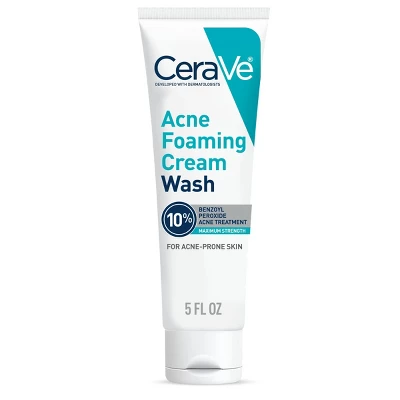
Please note that this product contains 10% Benzoyl Peroxide.
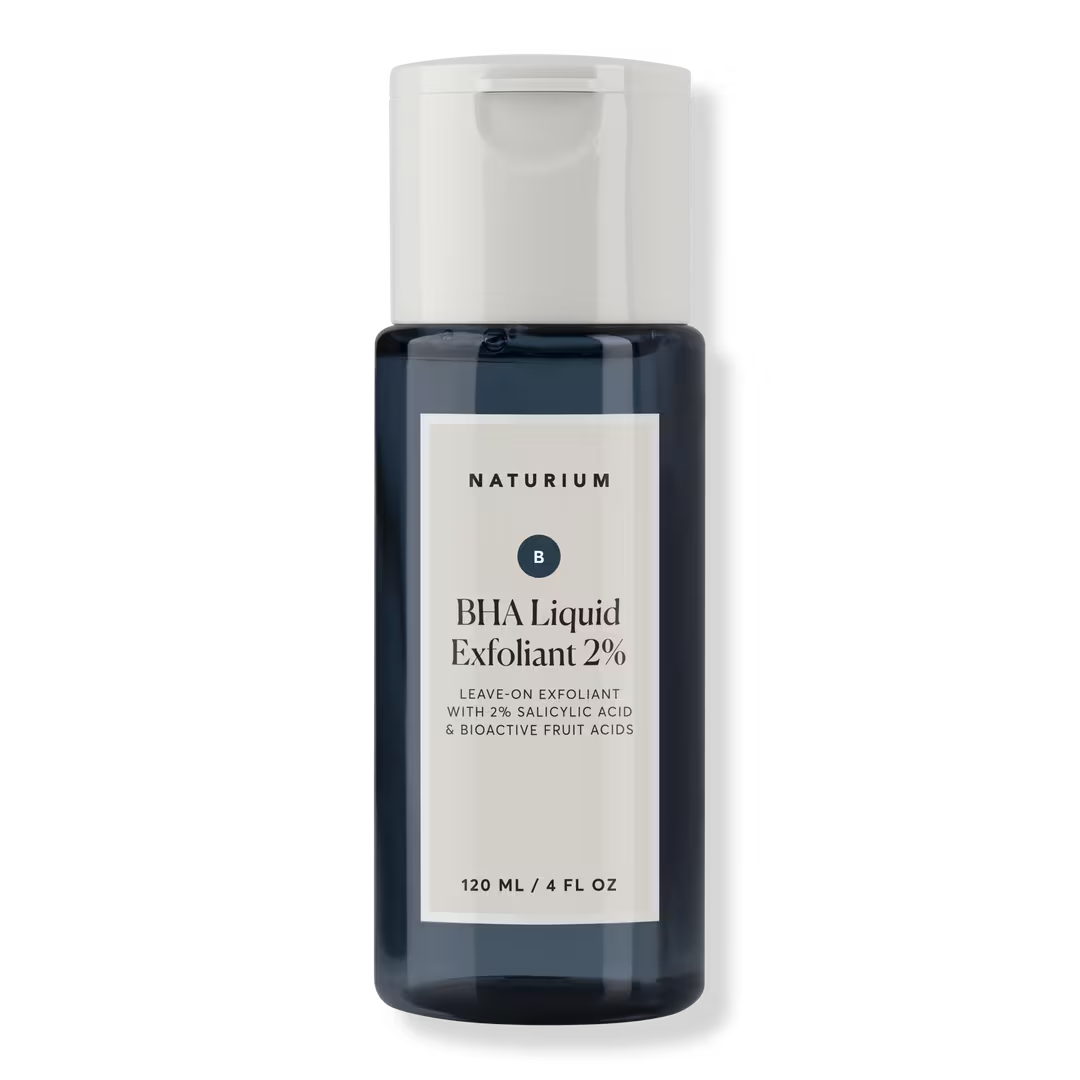
For optimal results, apply this product with a cotton round.
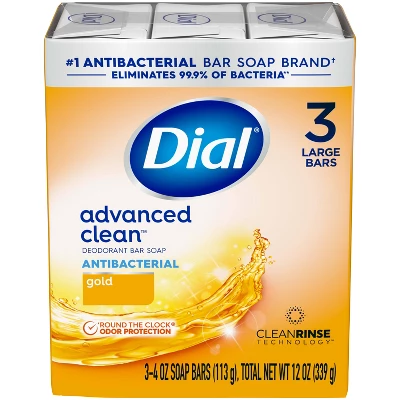
Photo Credit:
www.target.com
Using an antibacterial soap can be a great option for treating bacne, but be cautious as this type of product may dry out your skin. You might need to apply a moisturizer afterward to maintain hydration.
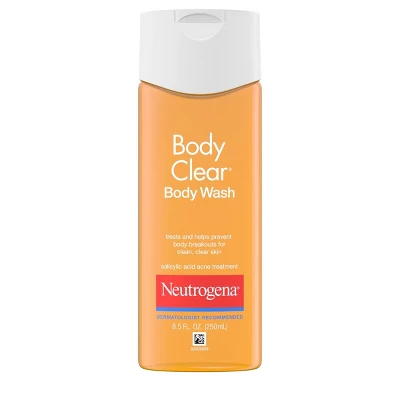
Photo Credit:
www.target.com
This body wash contains salicylic acid, which is known for its effectiveness in treating breakouts.
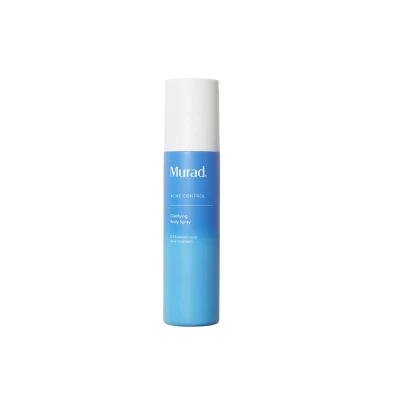
Photo Credit:
www.target.com
This spray is designed to help prevent acne and is particularly effective for hard-to-reach areas like your back.
Keep in mind that every individual’s skin reacts differently to various products. If your bacne is severe and you find that over-the-counter treatments are ineffective, seeking advice from a dermatologist or an esthetician is always the most advisable route.