

There are 11 races in Baldur's Gate 3 with 28 unique subraces collectively. When creating a custom character, your choice of race is arguably the most important. You can always change your class, name, gender, and general appearance, but you’re never able to change your race.
This is also one of the biggest factors in how NPCs will immediately perceive you. Some races have a lot more reactivity than others, so if you’re looking to get fully immersed in your next campaign, here are a few pointers for creating your future Tav.
Human

It’s likely no surprise to see humans at the bottom of this list. There’s a lot you can do to make a human character interesting, especially in DnD, but Baldur’s Gate 3 doesn’t really take the human race anywhere special.
You can’t really blame the developers for this, though. In a fantasy setting, humans are the blankest of slates, and there’s nothing particularly compelling story-wise that makes humans an appealing choice.
Halfling
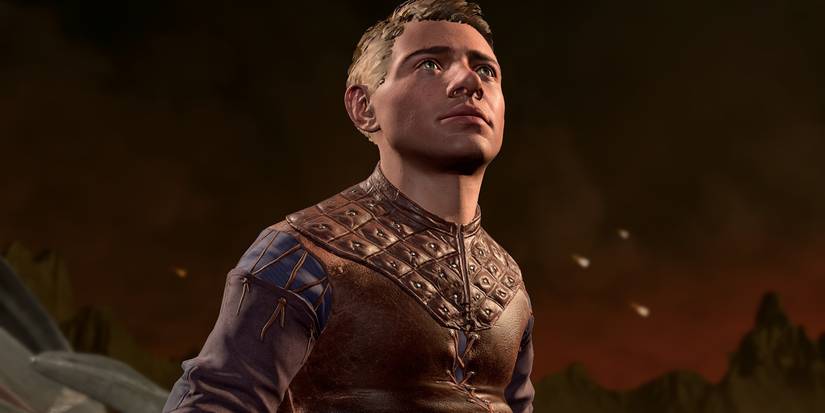
Halflings get very little unique dialogue, but most of what they do receive is very reminiscent of the race’s original inspiration and has a strong personality. Their interactions are either about loving food, partying or trying their best to make peace in a friendly manner.
My favorite piece of halfling interaction has to be when interacting with Dashkent Moliver in Fraygo’s Flophouse during the “Investigate the Temple Murders” quest. If the party has discovered the clue about the murderer being a dwarf wearing red, they can call him out for fitting the description, just to find out that he is, in fact, a halfling.
Doing this as a halfling yourself is absolutely hilarious, as he’ll be completely stumped as to how you failed to recognize your own kin.
Elf

There’s surprisingly not an awful number of unique interactions when it comes to Elves, but similarly to halflings, they come with a distinct personality. This generally consists of comments about your fey ancestry, long life span, or arrogantly looking down on other races.
Half-Elf
<source media="(max-width: 480px)" data-srcset="https://static0.srcdn.com/wor…
…
…
…
…
…
…
…
…
…
…
…
…
…
…
…







