

During the 1980s, television viewers had their choice of multiple outstanding dramas. A growing trend towards serialized drama, where stories were told over multiple episodes, or in some cases, seasons, changed the quality of television. Storylines could be more complex and, in turn, so could the characters at the heart of them.
The changes in programming extended to new, exciting locales, content with a more adult edge, and cultural developments reflected in the stories being told. Heroes no longer needed to be the star of the show, and the traditional depictions of occupations like police officers or doctors gained an authentic voice under the direction of showrunners tired of seeing the same thing. The following '80s dramas were the very best the decade had to offer, leaving a lasting legacy still felt in shows being made today.
10
‘Dynasty’ (1981–1989)
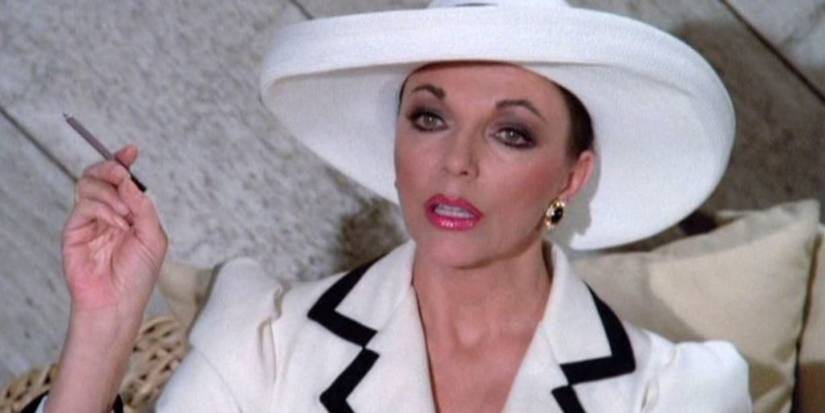
Guilty pleasure programming at its finest, Dynasty was a staple of ’80s programming for nearly the entire decade. Dynasty followed the unpredictable daily lives of the affluent Carrington family as they made being rich look like the greatest burden of all. Although there was a deep cast of characters, viewers were most interested in Joan Collins as the scheming Alexis, who joined Dynasty in the second season.
Initially considered a Dallas clone (because it more or less was), Dynasty found its own identity by leaning into over-the-top storylines designed to lure eyeballs with sensationalism. Critics were never overly kind to the series, but that didn’t prevent viewers from regularly tuning in to get their weekly dose of tawdry entertainment. Eventually, the prime-time soap ran its course, having exhausted viewers’ suspension of disbelief, but not before giving television one of the best ’80s plot twists of all time, the Season 5 cliffhanger known as the Moldavian Massacre.
9
‘Fame’ (1982–1987)
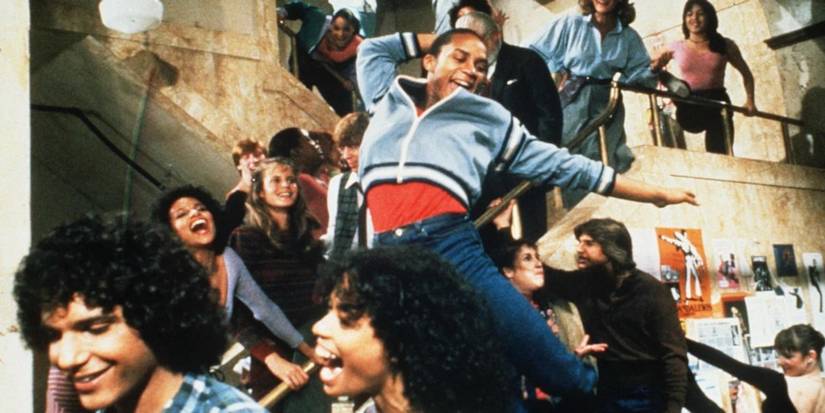
The pursuit of a life in the arts gave the musical drama Fame a fanbase in multiple countries when it premiered. Based on the 1980 movie of the same name, Fame examined the lives of a group of students and their instructors at a New York City school for the performing arts. Each episode would give viewers a glimpse into the high-pressure world of the performing arts, where having talent meant little to the students if they weren’t prepared for the intense competition from their peers.
The combination of musical performances and dramatic tension offered something different for TV audiences, leading to the cast taking part in a concert tour. Fame found an unlikely and passionate audience in the UK, where the series became a sensation that sold millions of albums featuring music from the show. Over its six-season run, Fame would win multiple awards, including Emmys for choreography and a Golden Globe for Best Series – Musical or Comedy.
8
‘Cagney & Lacey’ (1981–1988)
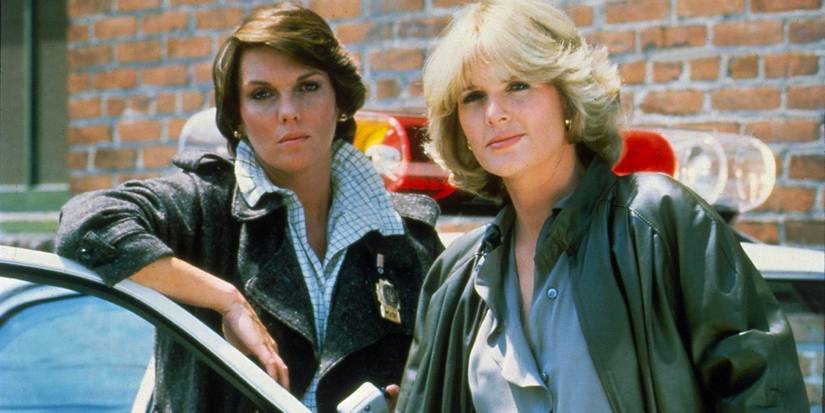
Image via CBS
The CBS police procedural Cagney & Lacey followed two New York City police detectives, Christine Cagney (Sharon Gless) and Mary Beth Lacey (Tyne Daly), as they worked together in a Manhattan precinct. Although their personalities and backgrounds are vastly different, the two detectives are the perfect team to solve an endless stream of difficult cases. Each episode would see the iconic female duo work a new case while also spotlighting different trials in their personal lives.
Cagney & Lacey used the foundation of a police procedural to explore hot-button social issues such as abortion and sexual harassment in the workplace from a female perspective. While there had been a growing female presence in leading roles in sitcoms such as Alice and The Mary Tyler Moore Show, two female lead detectives in a drama series stood out in a genre that predominantly featured male detectives in the starring roles. Throughout the seven seasons of its run, Cagney & Lacey remained a notable presence during awards seasons, with Daly winning four Emmys for Outstanding Lead Actress and Gless winning two.
7
‘LA Law’ (1986–1994)
The issues being fought in real courtrooms during this period were argued more poetically on this hit show representing concerns with well-timed dramatic flair. Although serious subject matter often arose on screen,L.A. Law’s dark sense of humor intelligently satirized greed and hypocrisy found within corporate offices.
6‘China Beach’ (1988–1991)
An ’80s drama that doesn’t get enough recognition for excellence was‘China Beach’. Set during Vietnam War…
The cinematic presentation and nuanced storytelling set‘China Beach’
A small but steady audience appreciated‘St. Elsewhere’
2‘Dallas’ (1978–1991)
The primetime soap opera'Dallas'
This legacy was etched into stone.
1‘Hill Street Blues’ (1981–1987)