Key Insights: Fabrics for Comfort
- Stretchy Blends incorporate spandex, providing exceptional stretch and recovery for a comfortable fit.
- Cotton-Spandex blends offer breathability and flexibility, making them ideal for everyday wear.
- Natural Fibers like cotton and linen enhance comfort through moisture absorption and temperature regulation.
- Layer-Friendly Fabrics adapt to seasonal changes, ensuring versatility in styling.
Stretchy Blends: The Comfort Game‑Changer
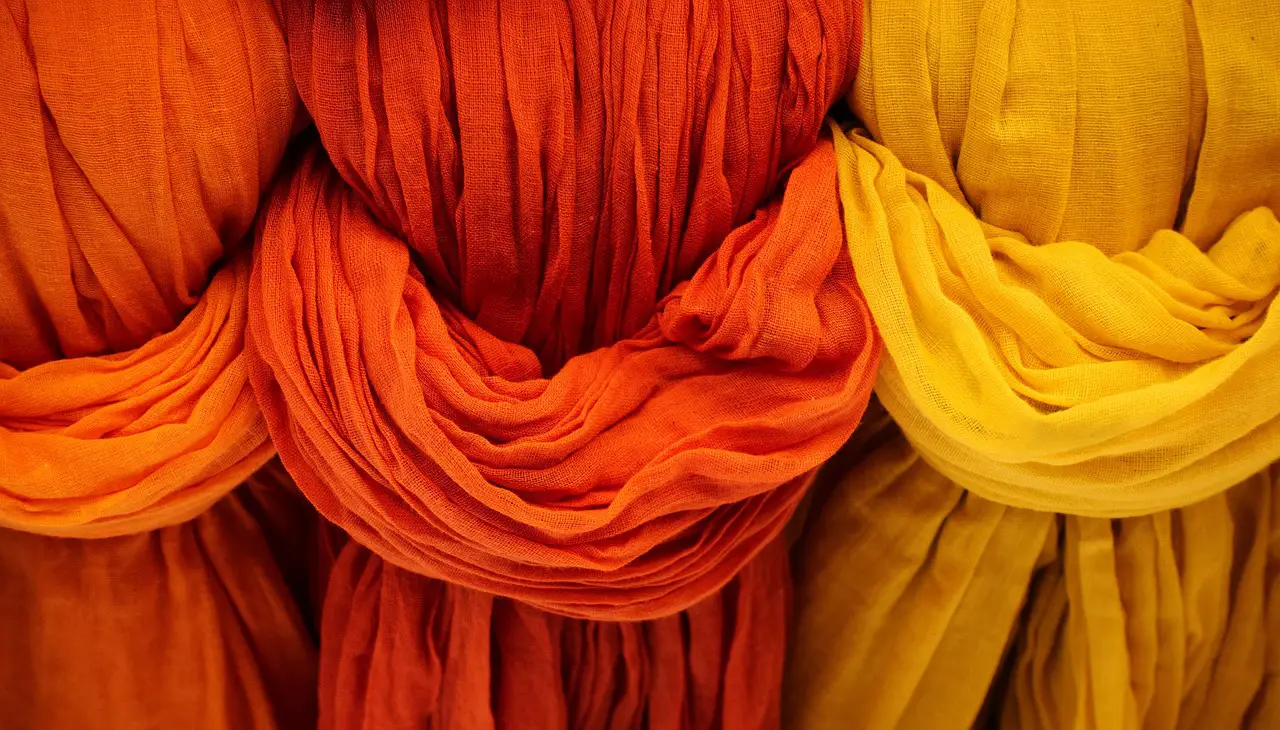
Fabrics that incorporate spandex – also known as elastane or Lycra – stand out for offering exceptional stretch and recovery. These blends comfortably hug curves without losing shape and are prevalent in stretchy everyday wear.
Spandex enables ease of movement and durability, making it a staple in well-fitting plus‑size clothes.
Cotton-Spandex: Soft Meets Support
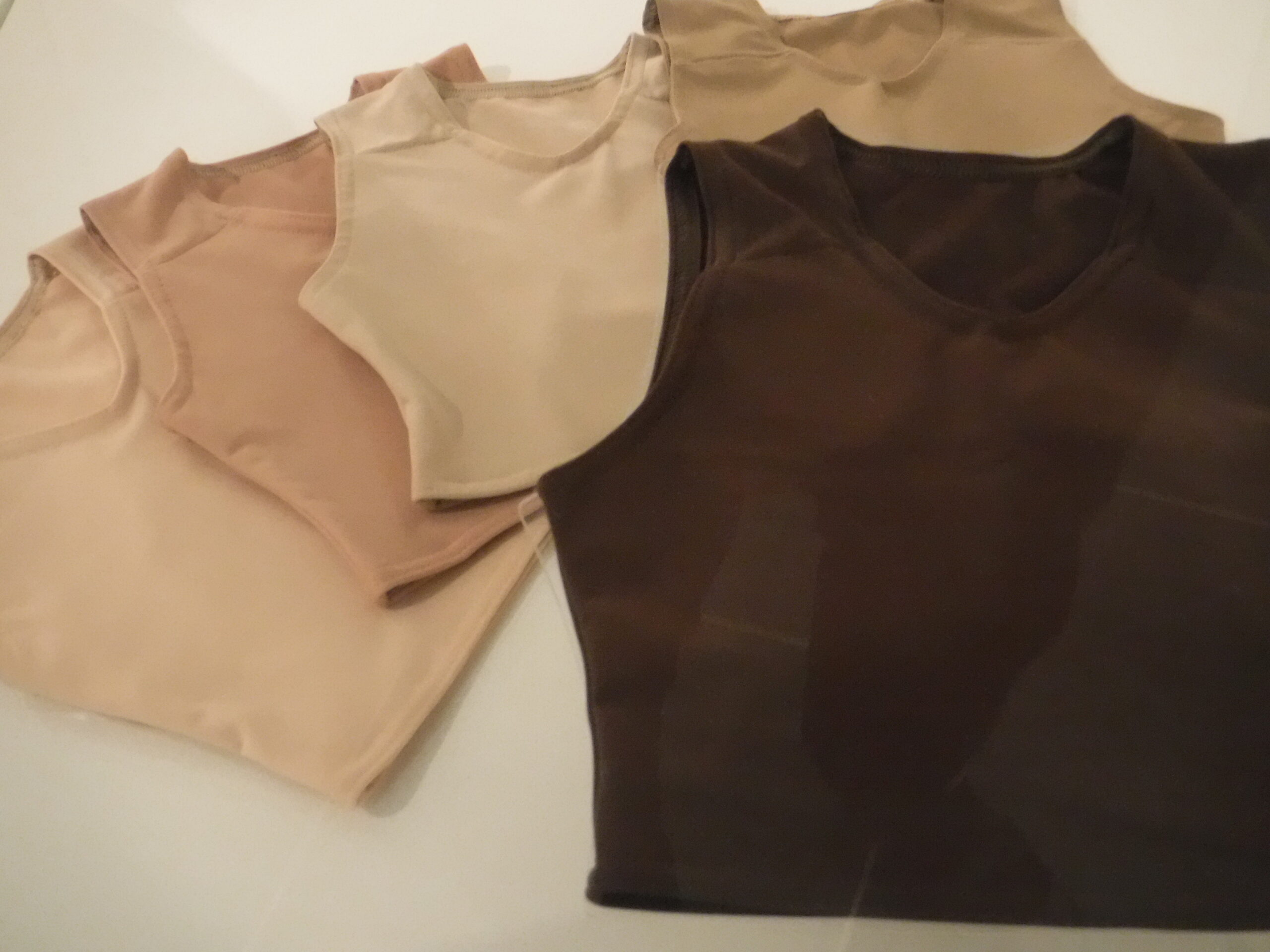
Cotton blended with spandex (often around 95% cotton, 5% spandex) combines breathability, softness, and flexible stretch. This blend delivers both comfort and recovery – ideal for pieces like t-shirts, leggings, and relaxed fitwear.
Many shoppers prioritize this mix, citing how it moves with the body and withstands daily wear.
Single Jersey: Lightweight and Breathable
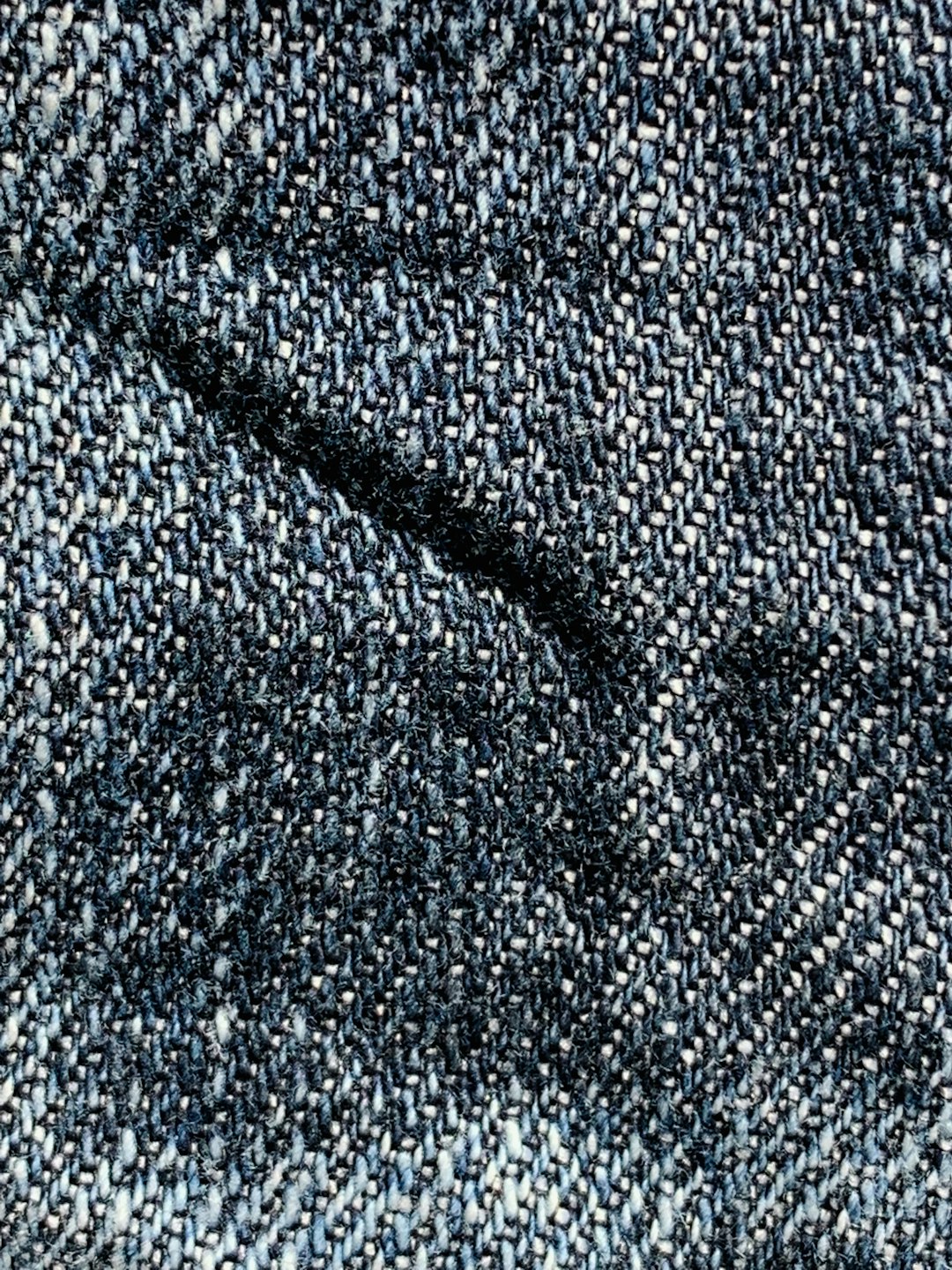
Single jersey knit fabrics are lightweight, soft, and naturally breathable – excellent for casual tops and underlayers. Their drape and gentle stretch make them comfortable for plus‑size silhouettes, especially in warm weather.
These fabrics enhance airflow while adapting flexibly to movement.
Double Jersey (Ponte): Structure with Comfort
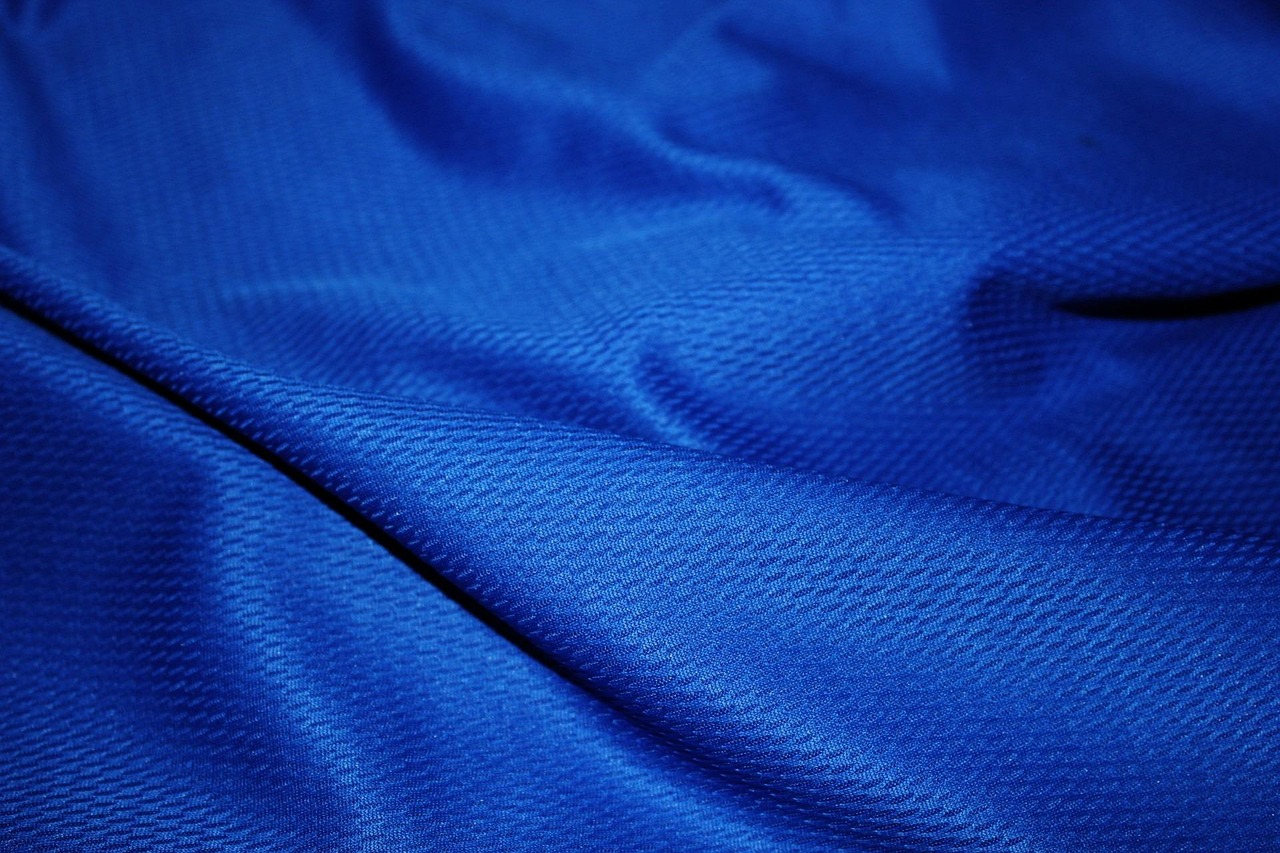
Double jersey, such as Ponte Roma, is thicker and more stable than single jersey, offering structure without stiffness. It maintains shape well and flatters thicker fabrics – ideal for dresses, jackets, and workwear.
The fabric balances firmness with flexibility, making it suitable for structured yet comfortable plus‑size styles.
Natural Fibers: Cool, Breathable Choices
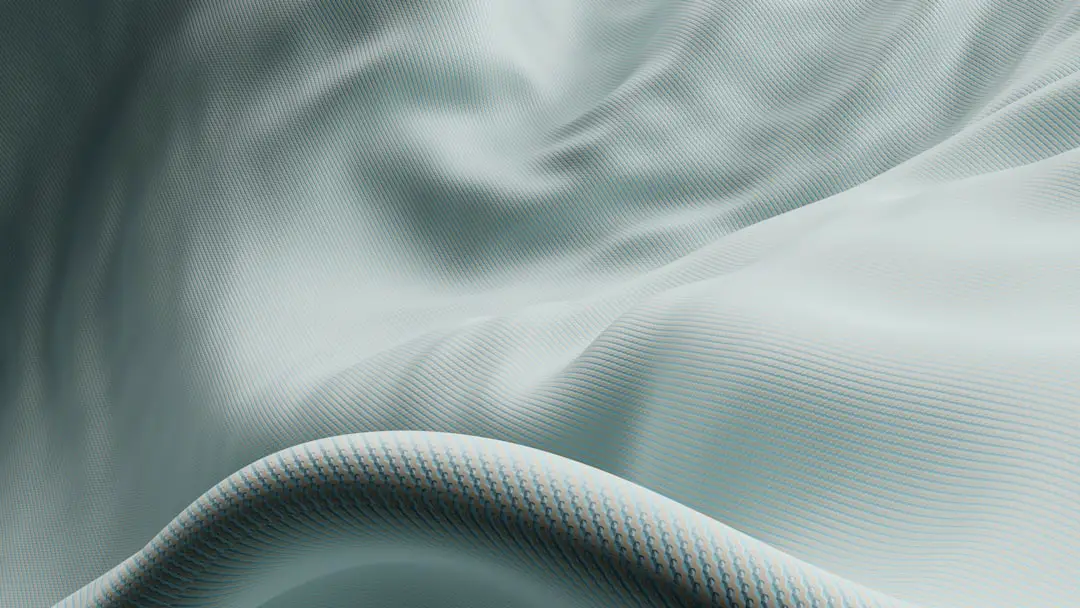
Fabrics like cotton, linen, wool, and silk offer natural properties – like moisture absorption, breathability, and temperature regulation – that support comfort in every season. Merino wool, for instance, also offers warmth and soft texture.
Natural fibers help the body stay balanced, avoiding overheating or sticking.
Draping Fabrics: Flatter with Flow
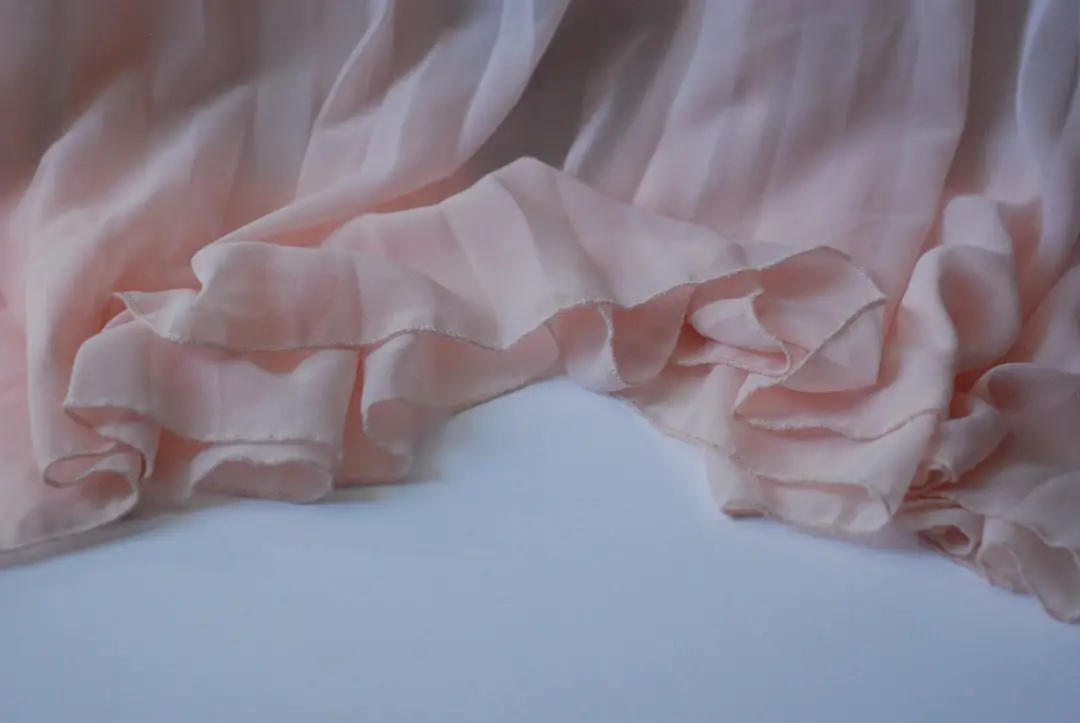
Lightweight, draping fabrics such as rayon, chiffon, and silk gracefully skim curves to create a flattering silhouette. These materials provide elegance and movement, especially in dresses or flowy skirts.
Their airy nature helps reduce cling, offering both comfort and visual softness.
Structured Textures: Define Without Bulk
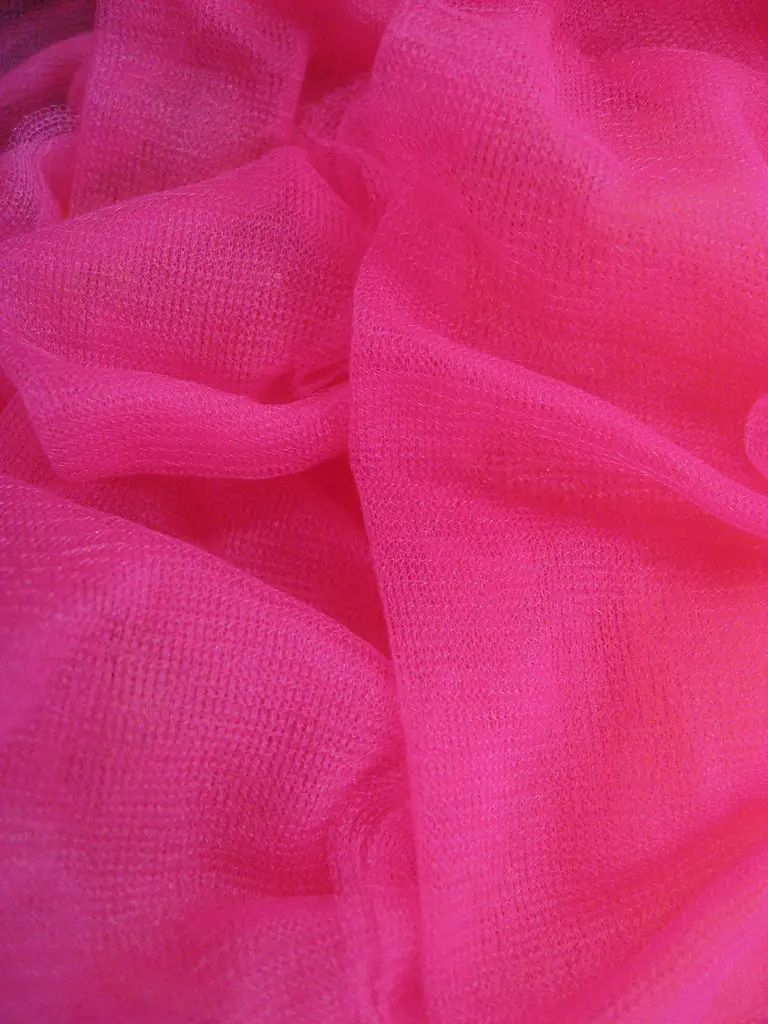
Textured fabrics like Tweed, jacquard, bouclé, or structured denim add visual interest and dimension to outfits. They help streamline appearances by adding form, helping balance proportions without adding bulk.
These materials are great for tailored pieces like blazers, pants, or skirts that still support plus‑size comfort.
Layer‑Friendly Lightweight Fabrics
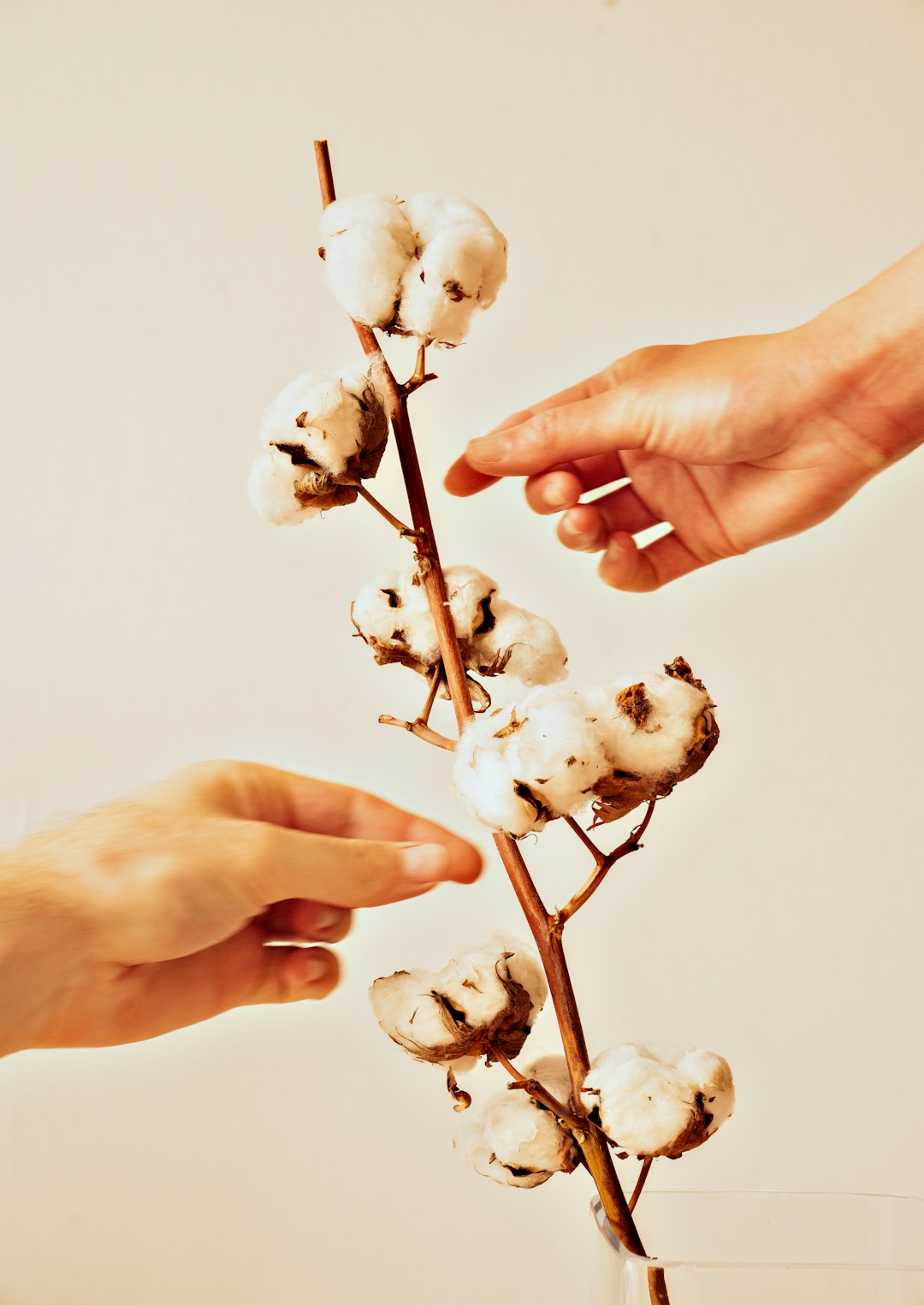
Season‑transition pieces benefit from breathable, layerable fabrics such as light cotton blends, jersey, and silk. These materials adapt to weather changes and pair easily under jackets or over shirts.
Layering with lightweight fabrics maintains versatility and comfort all year.
Breathable Imitations for Everyday Ease
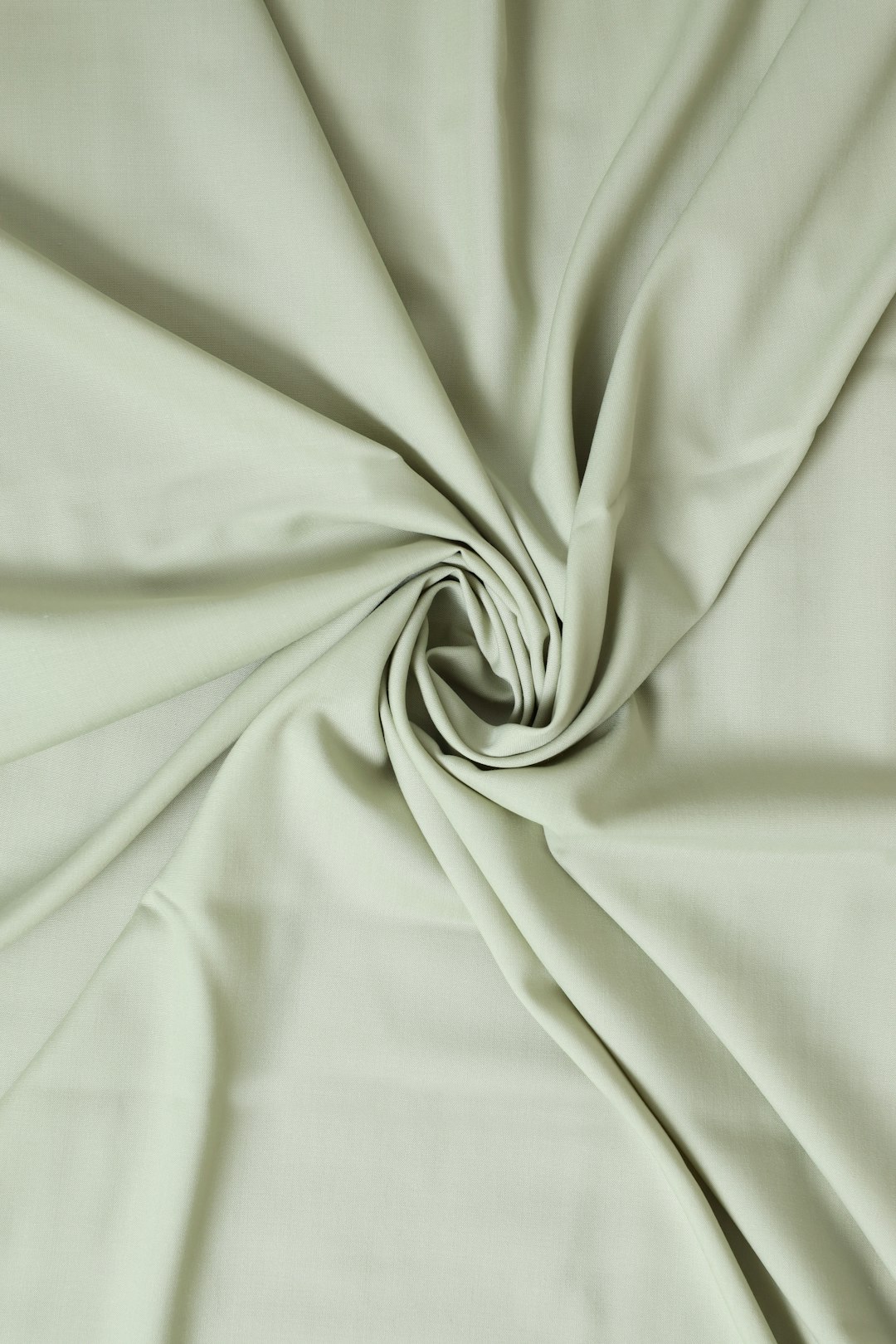
<p<Polyester-spandex blends are common in plus‑size clothing for their durability, stretch, and easy-care nature. They wick away moisture better than some natural fabrics and resist wrinkling.
While not as breathable as natural fibers, their performance and convenience make them a practical choice.
Choosing Fabrics with Care in Mind
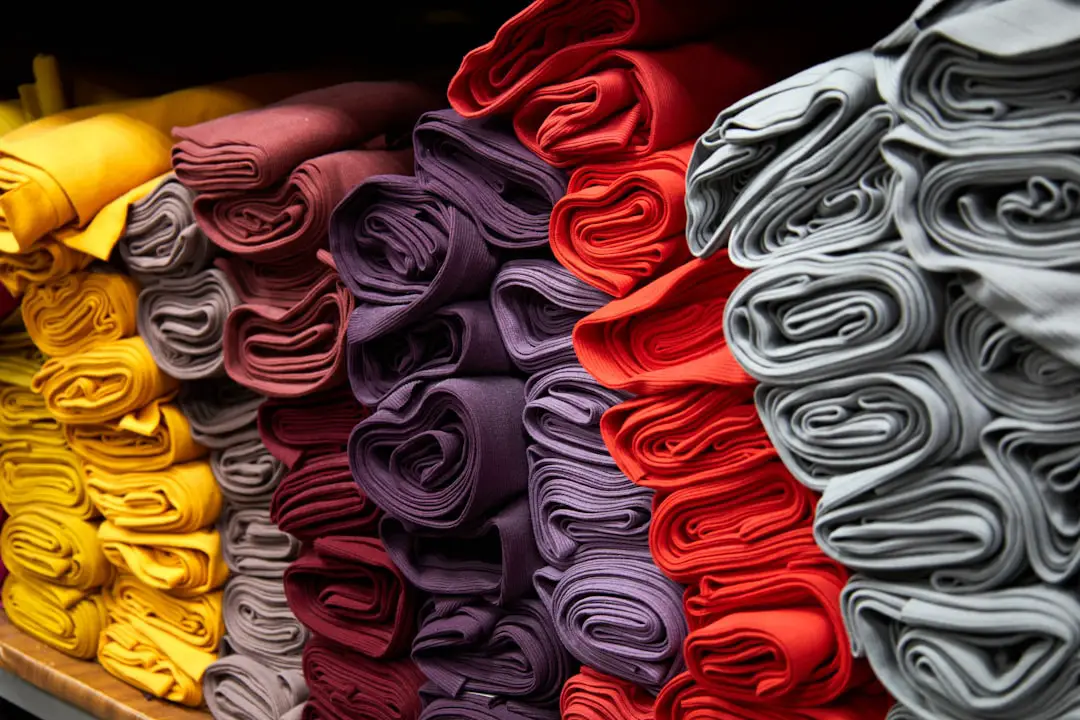
When selecting plus‑size clothing, fabric care matters. Stretch fabrics (especially those with spandex) may require gentle cycles and low-heat drying to preserve elasticity.
Natural fibers may shrink or wrinkle with improper care. Understanding fabric maintenance helps ensure garments retain comfort and fit over time.