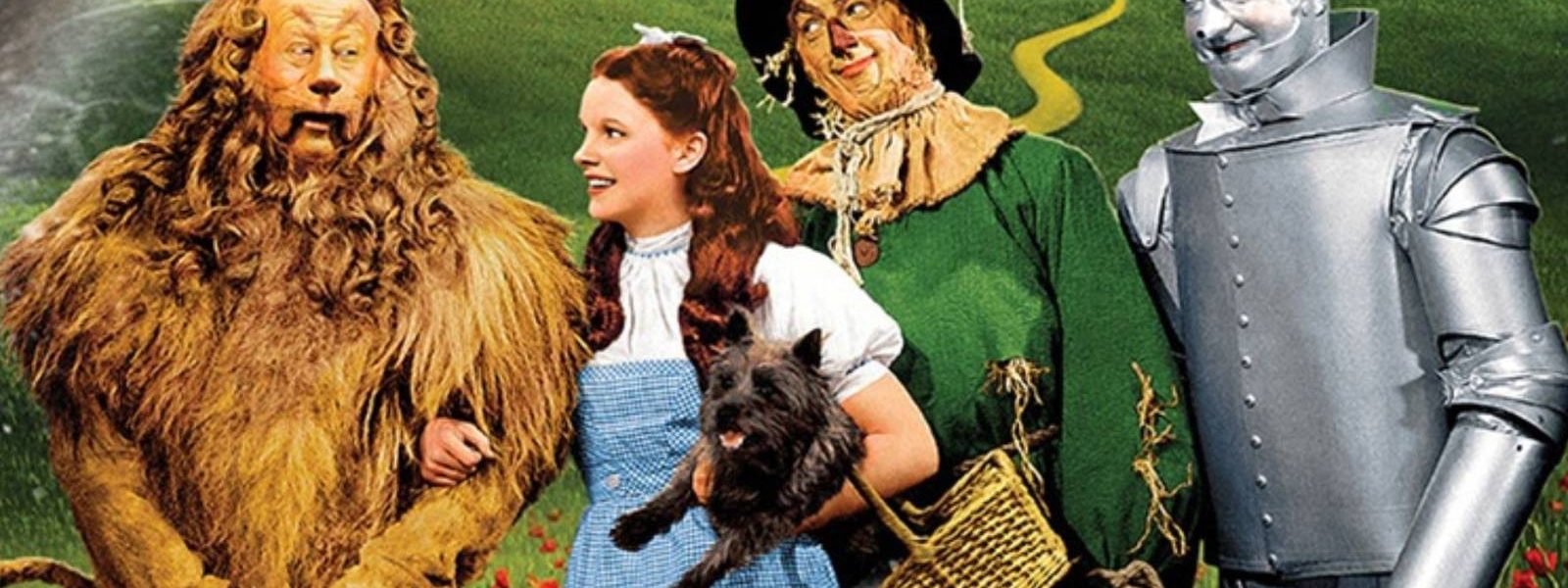
Victor Fleming‘s <em>The Wizard of Oz </em>revolutionized cinema as a whole, but more particularly, it changed the way fantasy cinema was made going forward. From its catchy tunes to its gorgeous three-strip Technicolor cinematography, to all the qualities that have allowed it to become every bit as much of a mainstream classic as it is a cult one (looking at you, Pink Floyd fans), it proved that fantasy could be bright, well-made, and entirely family-friendly.
The Wizard of Oz didn’t originate cinematic fantasy, however. Like virtually every film ever made, it stands on the shoulders of giants, from European classics like Nosferatu to Hollywood landmarks like Snow White and the Seven Dwarfs. Plenty of fantasy masterpieces were released throughout the globe before The Wizard of Oz changed the genre forever on August 10th, 1939.
‘Vampyr’ (1932)
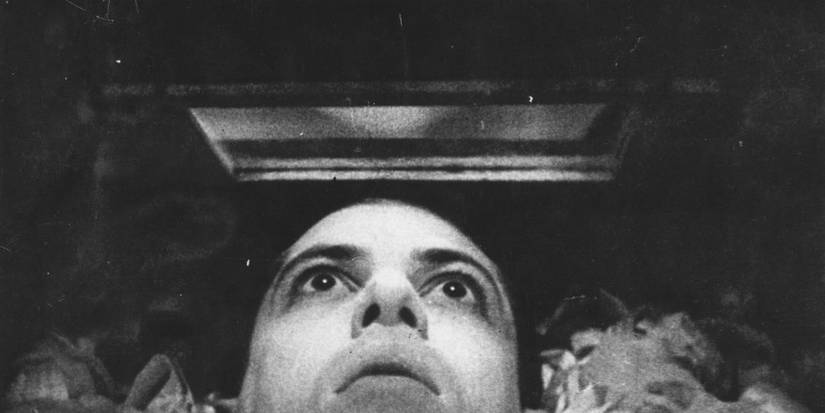
Image via General Foreign Sales Corp.
Directed by Danish filmmaker Carl Theodor Dreyer, one of the greatest and most legendary European filmmakers of his generation, Vampyr is a German-French Gothic horror film about a drifter obsessed with the supernatural who stumbles upon a manor where a severely ill teenage girl is becoming a vampire. It may not be one of the best-known vampire movies out there, but it sure is one of the best.
It was Dreyer’s first-ever talkie, though it uses plenty of title cards, much like a silent film. The movie was poorly received when it came out, but almost a century later, people remember it as one of the best European horror classics of the ’30s. Chilling, atmospheric, disorienting, and visually striking, Vampyr is a radical and ambitious work of art that has aged like fine wine.
‘Die Nibelungen: Kriemhild’s Revenge’ (1924)
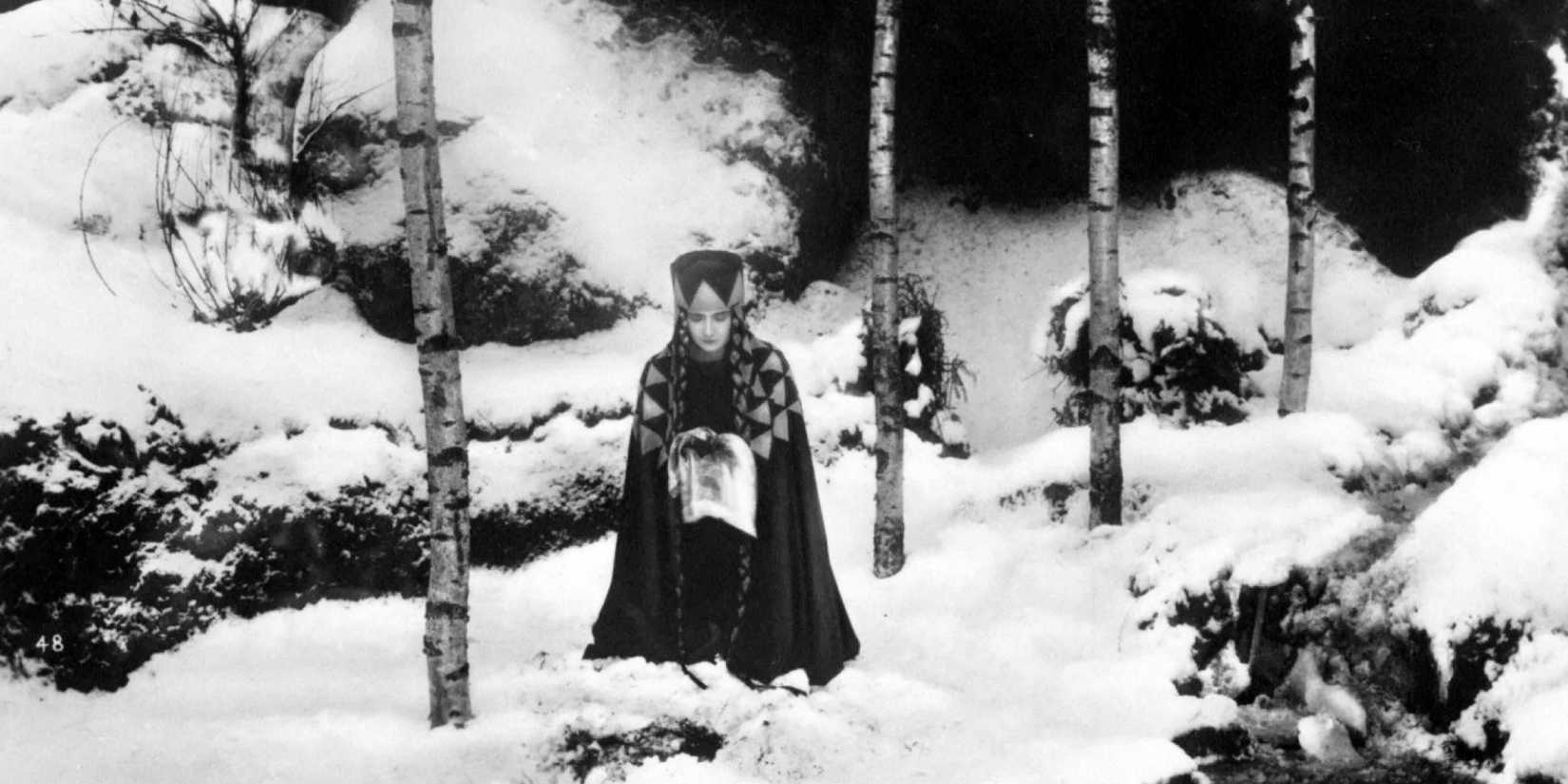
Image via UFA
Fritz Lang was one of the greatest and most groundbreaking filmmakers of his time. Before he made the jump over the pond to Hollywood in the mid-’30s, he made several of the best European movies of cinema’s early years, including his Die Nibelungen duology. Based on the Germanic epic poem Nibelungenlied, the two-part series features two of the best genre films of the ’20s. The second part is subtitled Kriemhild’s Revenge, and it features the titular princess’ vow to avenge her husband’s murder.
While Kriemhild’s Revenge is almost universally recognized as the weakest of the two Die Nibelungen movies, it’s still a must-see classic that shouldn’t be underestimated. Far darker and more violent than its predecessor, it’s one of the most nearly-perfect dark fantasy movies that no one remembers anymore. Kriemhild’s Revenge is visually stunning and full of great moments, but what makes it stand out the most is how unusually emotionally devastating it is for a film of its time.
‘The Adventures of Prince Achmed’ (1926)
Contrary to popular belief, Disney didn’t make the first-ever animated feature. Instead, it’s the 1917 Argentine film The Apostle, today considered lost media, that experts generally agree holds such a title. As for the oldest surviving animated feature film, it’s the 1926 German classic The Adventures of Prince Achmed that we’re talking about. Based on elements from several One Thousand and One Nights stories, it’s one of the most nearly-perfect animated movies that no one remembers today, about a handsome prince who rides a flying horse to faraway lands.
Director Lotte Reiniger enlisted the help of several of the world’s biggest avant-garde animators at the time to make The Adventures of Prince Achmed, and it paid off. Employing a revolutionary silhouette animation technique that Reiniger invented, the movie is capable of charming its way into anyone’s heart. It’s absolute cinematic magic, and unlike many early animated flicks, this one doesn’t look or feel dated in the slightest.
‘Häxan’ (1922)
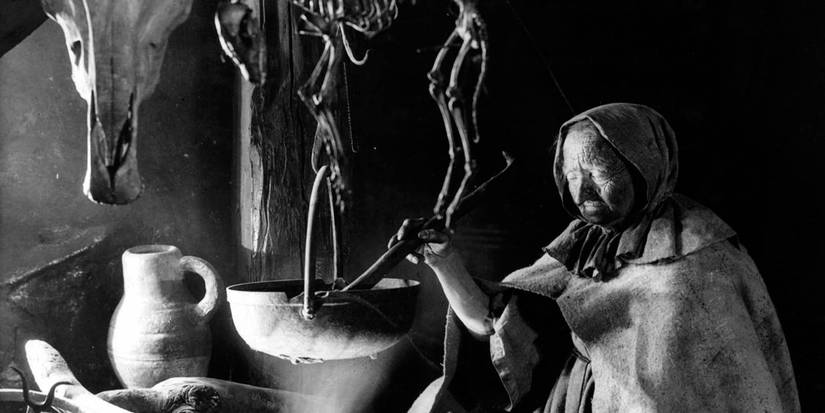
Image via Svensk Filmundistri
Mixing documentary techniques and dramatized narrative sequences, the 1922 Swedish-Danish silent horror essay film Häxan, released in the US in 1968 as Witchcraft Through the Ages, is one of the best arthouse documentaries ever made. It’s a dark fantasy and folk horror masterpiece designed to track the evolution of witchcraft throughout history, from its pagan roots to its confusion with hysteria in Eastern Europe.
The film was the most expensive Scandinavian film ever made at the time, and it’s easy to see why. Häxan is far and away one of the most visually impressive cinematic achievements of its era, and it's still surprisingly chilling for a film that's over a century old. It was originally banned in several countries due to its controversial religious, sexual, and violent content, which has only contributed to its current status as one of the biggest cult classics from the ’20s.
‘The Phantom Carriage’ (1921)