

Horror often gets a reputation for jump scares, gore, and relentless tension, which can understandably be intimidating for many viewers. But what if you want the thrill and intrigue of the stories without diving into a full-on scare fest? Luckily, plenty of series blend suspense, supernatural, psychological drama, and even humor, making them a tad more approachable.
From <em>The Terror </em>to <em>Wednesday</em>, these shows deliver dark, atmospheric narratives while keeping the storytelling engaging for anyone, even those who don’t usually watch the genre. Some lean more toward mystery, thriller, or drama than straight-up terror, but they still capture the essence of the genre (and are classified as such). This list focuses on exactly those kinds of series — the best horror shows for non-horror fans that offer them a way to explore the genre on their own terms.
10
‘The Terror’ (2018–2025)
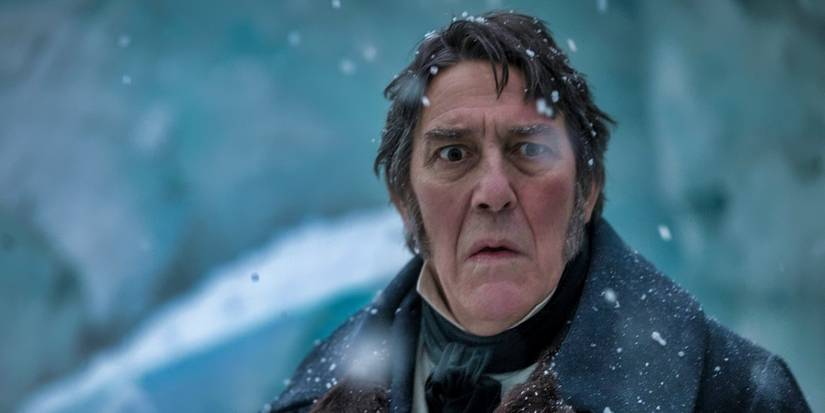
Featuring a rotating ensemble cast over its anthology seasons, The Terror boasts powerful performances that contribute to its unique story — a blend of historical drama with supernatural horror. The first season, for one, is a fictionalized account inspired by the real-life Franklin Expedition, focusing on a doomed Arctic voyage where the crew faces deadly cold, starvation, and a mysterious supernatural threat.
Equal parts atmospheric and cerebral, The Terror is accessible to both horror newbies and fans of the genre, favoring suspense over cheap thrills and pushing the boundaries of the genre by anchoring its scares in historical narratives and character studies, drawing on true events and amplifying them with supernatural dread. Instead of relying solely on monsters, it explores the horrors of isolation, survival, and the darkness within human nature.
9
‘Midnight Mass’ (2021)
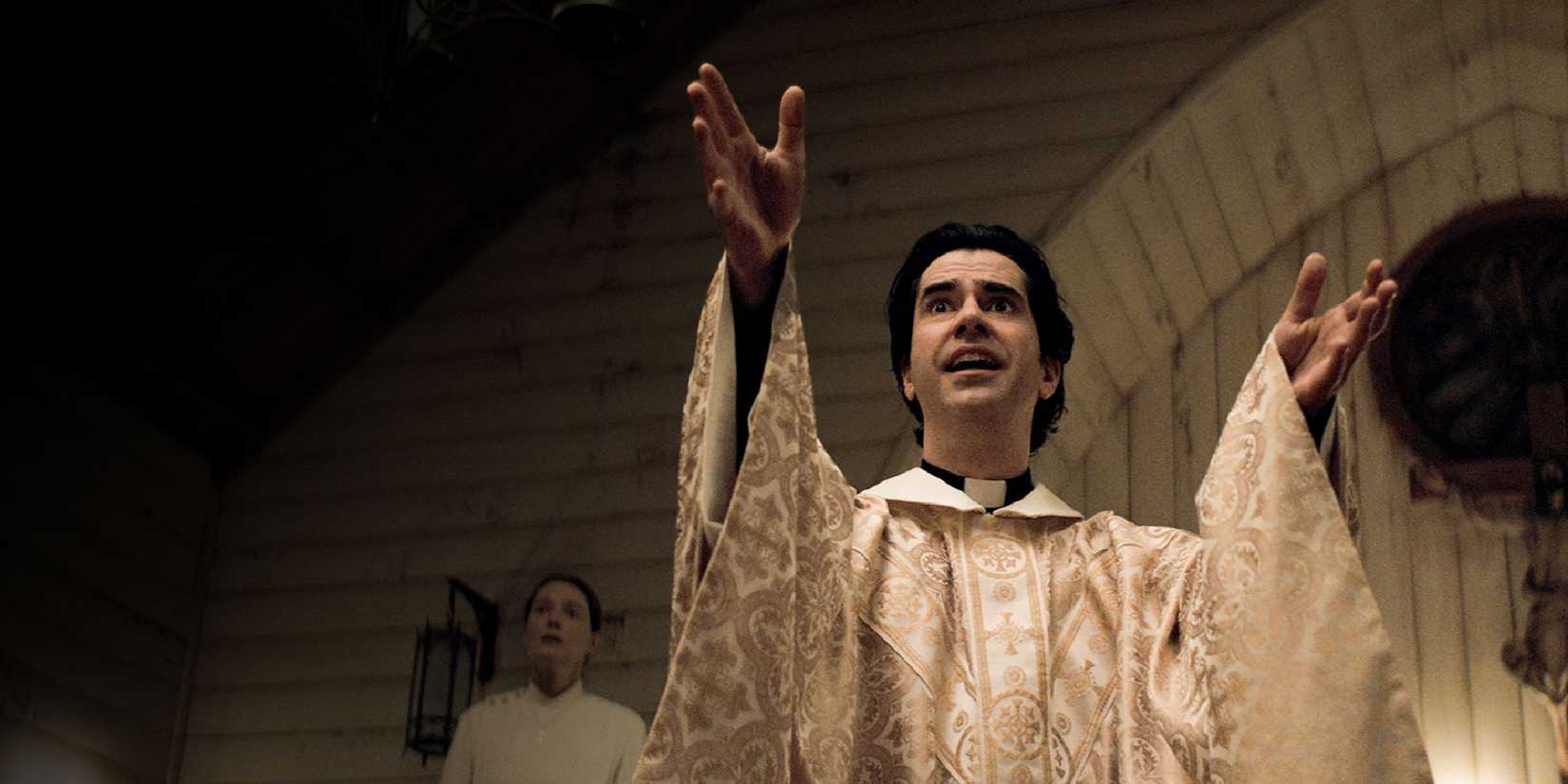
Although other Mike Flanagan shows could’ve taken the spot, Midnight Mass stands out as his most haunting and deeply personal work, and also one of his most accessible. Set on remote Crockett Island, it unfolds as the arrival of a charismatic new priest sparks a wave of miraculous events in the struggling community. At its center is Riley (Zach Gilford), a man wrestling with guilt and loss, and the townspeople who confront faith and fear.
Instead of a scare fest, Midnight Mass is far more a character-driven drama and philosophical/spiritual exploration, though it still delivers unsettling moments and a haunting atmosphere that reminds you you’re watching a Flanagan horror. What really sets it apart, though, is how it rises above typical genre tropes, offering a layered story that sticks with you long after the credits roll, and its refreshing take on the vampire subgenre.
8
‘Evil’ (2019–2024)