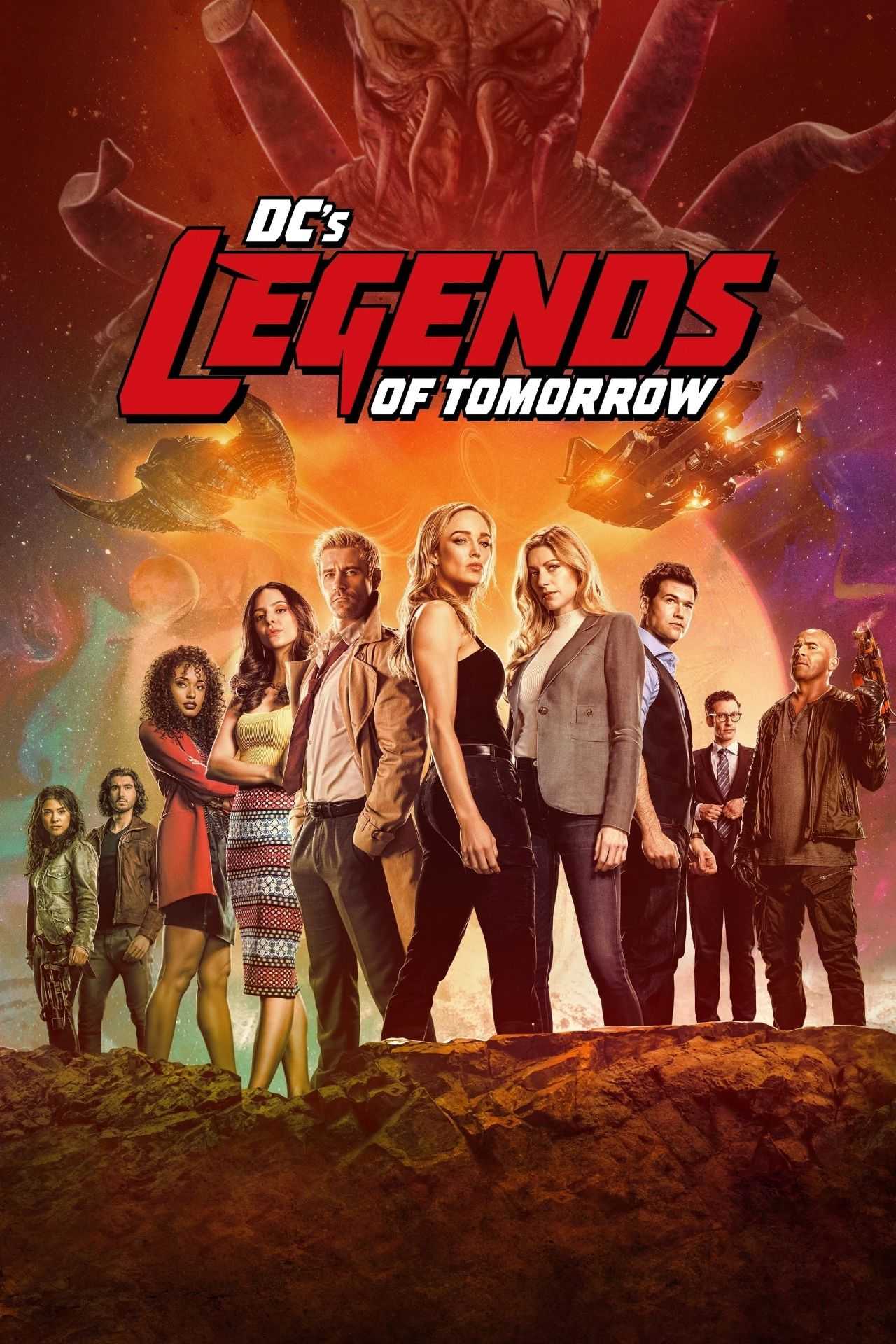
In the 2010s, the CW launched its “Dare to Defy” slogan, emphasizing that its programming would be unique on network television. This was particularly true for its lineup of DC Comics shows, which included <em>Arrow</em>, The Flash, and Supergirl. However, the standout show of CW’s lineup would debut in 2016 with DC’s Legends of Tomorrow. Over seven seasons, Legends of Tomorrow evolved from a typical superhero show to a time-traveling space opera filled with heart, humor, and an ensemble of characters you couldn’t help but adore, even during their frequent mishaps.
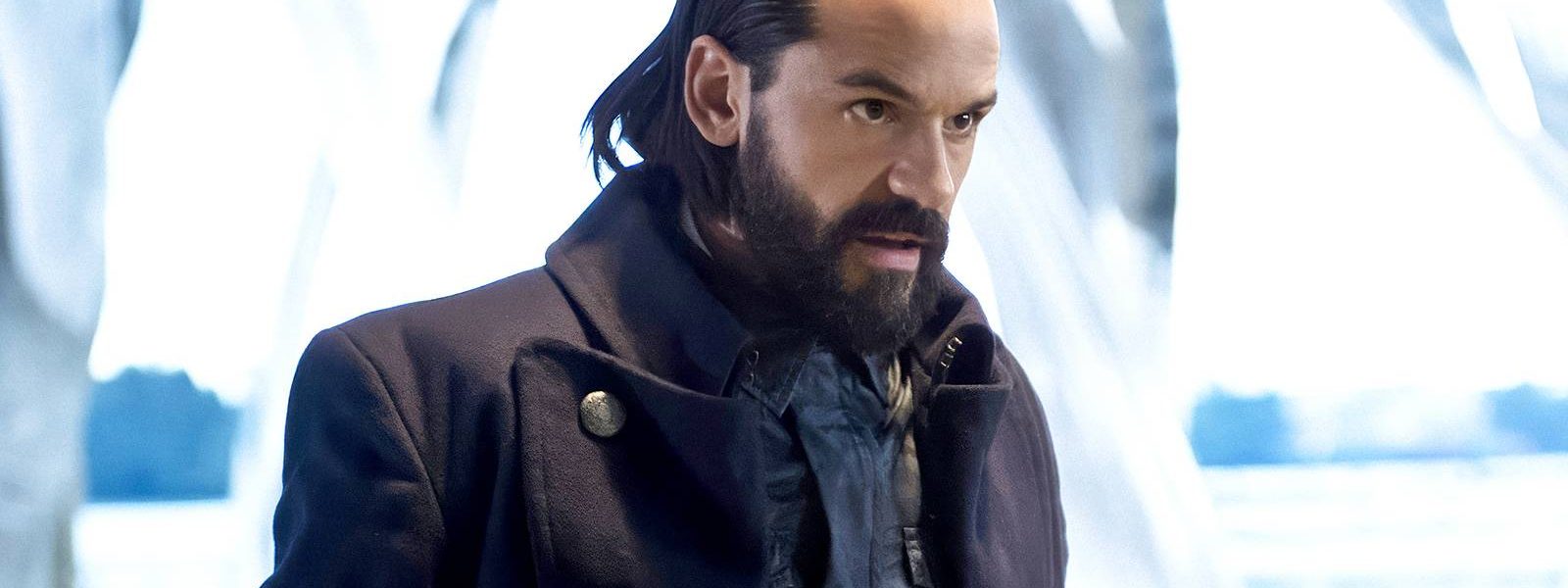
Spinning out of a crossover between Arrow and The Flash, Legends of Tomorrow featured Time Master Rip Hunter (Arthur Darvill) recruiting characters from both shows to combat the immortal warlord Vandal Savage (Casper Crump). Ultimately, the self-proclaimed “Legends” began defending the space-time continuum from various threats, utilizing a mix of superpowers, quick thinking, and a readiness to bend or outright break the rules. What truly helped Legends achieve prominence in the CW’s lineup was its willingness to explore the most bizarre territories, setting it apart from its other comic book counterparts.
‘Legends of Tomorrow’ Thrived on Change
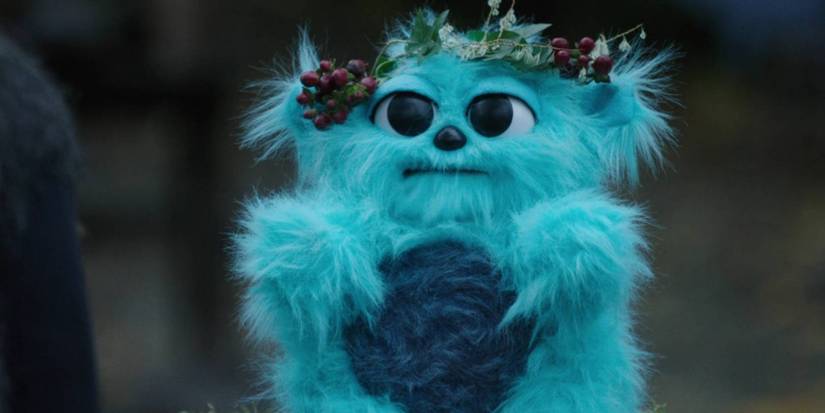
Image via The CW
Legends of Tomorrow didn’t initially impress viewers or critics with its debut season, as many found the large cast of characters and time-travel elements overwhelming. The creators took this feedback seriously, with each following season introducing changes in both the cast and the challenges faced by the Legends. Although he started as the leader, Rip Hunter eventually passed control to Sara Lance (Caity Lotz), also known as the White Canary. Other DC heroes, including Wally West (Keiynan Lonsdale) and John Constantine (Matt Ryan), joined the Legends aboard their ship, the Waverider. Co-creator/showrunner Phil Klemmer summed up Legends‘ approach when discussing how Season 2 would differ from Season 1:
“We’re coming at it from a completely different angle. We’re determined to make every part of season two feel like its own show…The team will basically have to find a new purpose. Once you save the world, what do you do then? The interesting thing about season two is I think it’s going to have a much, much different tone because our Legends are going to have a totally different purpose. They’re actually going to have a totally different constitution. There will be new faces and new everything.”
The episode that best represents Legends of Tomorrow‘s transition from superhero show to comedic sci-fi adventure is Season 3’s “Beebo the God of War,” where the Legends attempt to prevent Vikings from worshiping a popular stuffed toy named Beebo. Beebo exemplifies the combination of absurdity, sentimentality, and heroism that would come to characterize Legends; the very concept of Vikings treating a children’s doll like a deity is incredibly amusing, especially considering this is a show where a psychic gorilla tries to kill a young Barack Obama. Yet it also provided emotional closure for longtime character Jax Jefferson (Franz Drameh) as he confronted a younger Martin Stein, who previously merged with Jax to become the nuclear-powered hero Firestorm. Given that Jax had to witness present-day Stein (Victor Garber) die during the <em>Crisis on Earth-X </em> crossover, this moment resonated emotionally with fans unexpectedly.

A Lightning Round of Riveting Historical Dramas in the Collider TV Quiz!
Television has long been a modern touchstone for events of the past. Let’s look at eight shows that explore eight moments in history.
‘Legends of Tomorrow’ Would Have Brought in a Fan-Favorite DC Hero Before It Was Canceled
Legends of Tomorrow took its boldest turn in Season 7 when the Waverider wrecked due to an unknown force, leaving the Legends stranded in Texas in 1925. In their effort to return home, they meet a mysterious man named “Mike” (Donald Faison) who gets them arrested by an organization known as the Time Police. Unfortunately, the series was canceled on that cliffhanger, which was even more painful when Phil Klemmer revealed that “Mike” was actually Michael Jon Carter, the time-traveling hero known as Booster Gold! Given his knack for being a screw-up and Faison’s comedic abilities, Booster would have been an excellent addition to the Legends.
Although Booster Gold won’t be appearing on Legends of Tomorrow, he’s set to receive his own television series in the future. David Jenkins would be writing the pilot, and hopefully, he will learn from Legends of Tomorrow on how to portray the hero. A decade after it concluded, Legends of Tomorrow still stands out as a truly unique entry in the superhero genre.