Key Takeaways
- Best Title Tracks: The best title tracks not only anchor their albums but also become timeless favorites.
- Iconic Artists: This list features iconic artists such as The Beatles, Bob Dylan, and Elton John.
- Decade Highlights: Most tracks originate from the creative peaks of the 1970s and 1980s.
- Album Significance: These title tracks often serve as introductions and central themes for their respective albums.
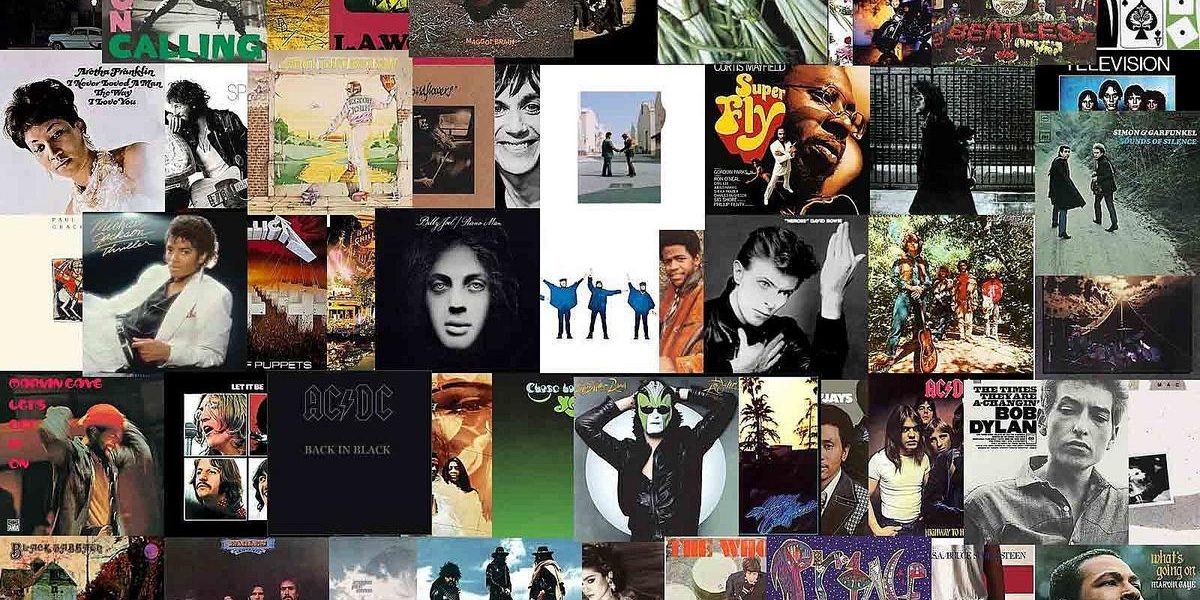
The best title tracks don’t just anchor the classic albums they come from; they also become enduring favorites. They also work as introductions and often the central themes of their parent LPs.
In the list below of the 50 Best Title Tracks From Classic Albums, songs span an early 1960s instrumental through a mid-’90s solo LP by one of rock’s most popular artists. Most of the records come from the ’70s and ’80s, a peak period as albums settled into their creative grooves.
Some of the biggest names of the past half-century are included: the Beatles, Bob Dylan, Elton John, Pink Floyd and Bruce Springsteen, among them. And several are represented by more than one work. Many of the songs were popular hit singles; others are album tracks that have carved out their legacies over the decades. The 50 Best Title Tracks From Classic Albums are undoubtedly great songs. But they’re also the reasons many of these timeless LPs exist in the first place. They’ve all secured their place in music history.
50. Eagles, “Desperado” (1973)
The Eagles’ second album was a concept record about the Old West and real-life characters, such as the Doolin-Dalton Gang. Its title track was a centerpiece: a stirring ballad complete with strings by the London Philharmonic Orchestra. Linda Ronstadt covered it.
49. Curtis Mayfield, “Superfly” (1972)
“Superfly” did triple duty as a hit single, the title track to a soundtrack and the theme song from a Blaxploitation movie. The album, Curtis Mayfield’s third as a solo artist, stayed at No. 1 for four weeks, while the song reached the Top 10. It’s a period classic.
48. Booker T. & the MG’s, “Green Onions” (1962)
Pulled together during a jam session featuring guitarist Steve Cropper, bassist Lewis Steinberg, drummer Al Jackson Jr. and organist Booker T. Jones, who was 17 when he came up with the riff, “Green Onions” is one of the greatest instrumentals of all time.
47. Motorhead, “Ace of Spades” (1980)
Motorhead’s fourth album was the first to be distributed in the U.S. It more than warranted that honor: The LP’s opening song, the title track and lead single is 168 seconds of pure adrenaline. It’s the perfect intro to the metal band’s best album.
46. The Beatles, “Sgt. Pepper’s Lonely Hearts Club Band” (1967)
It’s not even a fully formed song, just reaching the two-minute mark, but the opening track of the Beatles’ magnum opus sets the tone for the album from the fade-in of a murmuring crowd. Everything that follows lives up to the initial anticipation.
45. Michael Jackson, “Thriller” (1983)
The cultural impact of Michael Jackson’s Thriller still resonates decades later. Seven of its singles reached the Top 10. Seven. Its title track – cannily released as the final single – turned into a multimedia event with a nearly 14-minute video. Era-defining.
44. The O’Jays, “Back Stabbers” (1972)
Kicking around since 1958, the O’Jays signed with Philadelphia International in 1972 and immediately scored their first Top 40 hit. “Back Stabbers” went all the way to No. 3 and anchored an equally strong album that also included the No. 1 “Love Train.”
43. Yes, “Close to the Edge” (1972)
“Close to the Edge” isn’t just the title track of Yes’ fifth album; it’s also the only song on Side One. The nearly 19-minute, four-part track is prime prog: long, instrumental breaks, soaring vocal choruses and a section called “The Solid Time of Change.”
42. Madonna, "Like a Virgin" (1984)
Madonna’s 1983 debut was a tentative step; she held little back on the follow-up. Produced by Nile Rodgers, who also supplied guitar, “Like a Virgin” was deliberately provocative. The campaign was a success: By the end of the decade, she had become one of the world’s biggest stars.
41. Black Sabbath, “Black Sabbath” (1970)
The ghostly tolling bell and rolling thunder at the start of Black Sabbath’s debut album told listeners all they needed to know about the band. More than six minutes later, and after a blood-curdling scream by Ozzy Osbourne, a new genre had been forged.
40. Jackson Browne, “Late for the Sky” (1974)
Jackson Browne has slotted some of his best songs as the title tracks of his albums. This is one of his greatest. Bonus points for its use during a pivotal scene in Taxi Driver when Robert De Niro’s unbalanced character snaps one of the last threads of his sanity.
READ MORE: Top 40 Album Opening Songs
39. Prince, “Sign ‘O’ the Times” (1987)
Prince’s ambitious 1987 LP Sign ‘O’ the Times is a cornerstone album of his career. The double LP is an expansive journey through funk, pop, R&B, psychedelia, gospel and rock. The opening title track is haunting, minimalist and the perfect entryway to the record.
38. Fleetwood Mac, “Tusk” (1979)
Fleetwood Mac took two years to make the follow-up to their mammoth Rumours album of 1977. It seemed like an eternity then, but the double album Tusk would be an underdog masterpiece of another color: ambitious, weird and studio-centered – see: “Tusk.”
37. Iggy Pop, “Lust for Life” (1977)
While David Bowie was making his Berlin Trilogy, Iggy Pop was along for the ride, crafting his two best solo LPs — The Idiot and Lust for Life, both from 1977 — in the city with his friend. The latter’s title cut found new life thanks to its part in Trainspotting.
36. Bob Dylan, "The Times They Are A-Changin'" (1964)
Bob Dylan rarely took the straightforward route to song and album titles. His third LP is an exception, named after its standout song, “The Times They Are A-Changin’.” Nobody wanted to miss the opportunity to capitalize on one of Dylan’s most enduring works.