The 2010s were a definitive era for television, marking a near-unrivaled leap in the quality of small-screen entertainment. 2010s TV shows weren’t just good – many of them were among the best series of the entire 21st century so far. From prestige dramas to groundbreaking comedies, the decade reshaped the medium and redefined what audiences expected from storytelling on television.
Part of what made the decade so seismic was timing. The rise of streaming platforms meant accessibility skyrocketed, while social media transformed casual watercooler chatter into a 24/7 cultural conversation. Instead of one or two zeitgeist-defining shows, the 2010s saw dozens take turns dominating the headlines, sparking debates, and inspiring global fandoms that lived online and thrived across platforms.
These shows spanned every genre imaginable, from fantasy epics to satirical comedies. Each managed to hijack the cultural conversation in its own way, proving that the 2010s really were a golden age for television.
Mr. Robot (2015-2019)
Mr. Robot Turned Hacker Culture Into Prestige Television
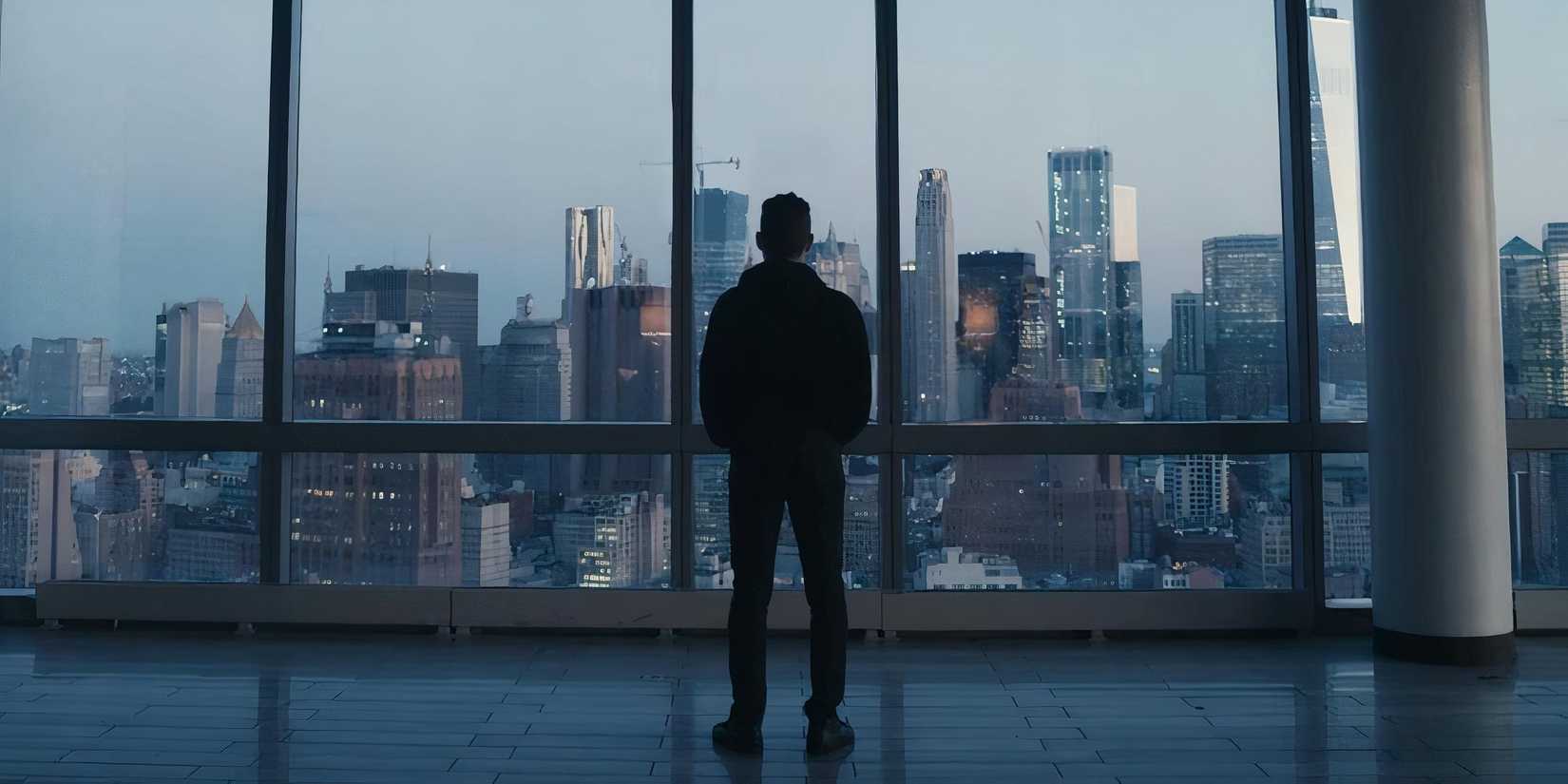
Mr. Robot was unlike anything else on television in the 2010s. Following Elliot Alderson (Rami Malek), a cybersecurity engineer recruited by the anarchist Mr. Robot (Christian Slater), the show blurred lines between psychological thriller, techno-drama, and paranoid nightmare. With its unreliable narrator and audacious storytelling, Mr. Robot constantly challenged its audience to question what was real.
The series tapped directly into the 2010s zeitgeist, reflecting global anxieties about corporate greed, surveillance, and the digital age. Its radical visual style and willingness to embrace narrative experimentation – like the unforgettable “runtime error” episode shot as a single continuous take – set it apart as one of the most innovative 2010s TV shows.
Malek’s performance won him an Emmy, but the show’s legacy lies in how it made hacker culture thrilling and cinematic. Creator Sam Esmail proved television could deliver the kind of layered, mind-bending storytelling once reserved for film. Mr. Robot remains an ambitious, era-defining achievement.
BoJack Horseman (2014-2020)
Bojack Horseman Redefined Adult Animation For The Modern Era
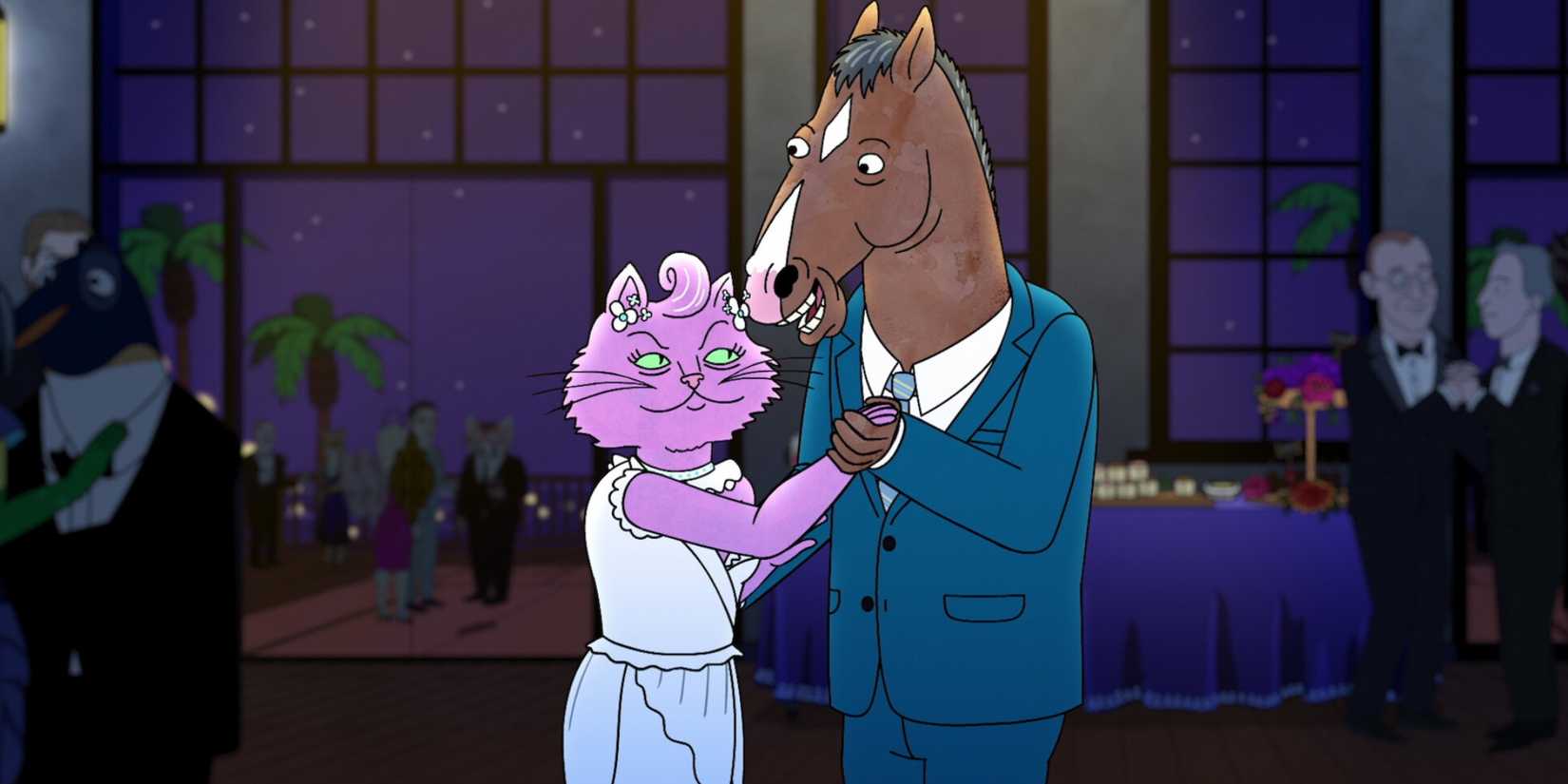
When BoJack Horseman premiered on Netflix, few expected an animated series about a washed-up sitcom star (Will Arnett) to become one of the decade’s most emotionally devastating shows. But across six seasons, it delivered a biting Hollywood satire that doubled as a profound meditation on depression, addiction, and self-destruction.
The show’s mix of absurdist humor and raw emotional honesty was groundbreaking. Episodes like “Fish Out of Water,” with minimal dialogue, or “Free Churro,” built around a single monologue, pushed boundaries of what animation – and TV storytelling as a whole – could accomplish. Each season confronted the messy, cyclical nature of BoJack’s struggles without easy resolutions.
Culturally, BoJack Horseman proved that animated shows could rival prestige dramas in emotional heft. By merging cartoon surrealism with gut-punch reality, it became one of the defining 2010s TV shows and set a new standard for adult animation’s artistic potential.
Veep (2012-2019)
Veep Turned Political Dysfunction Into Pitch-Perfect Comedy
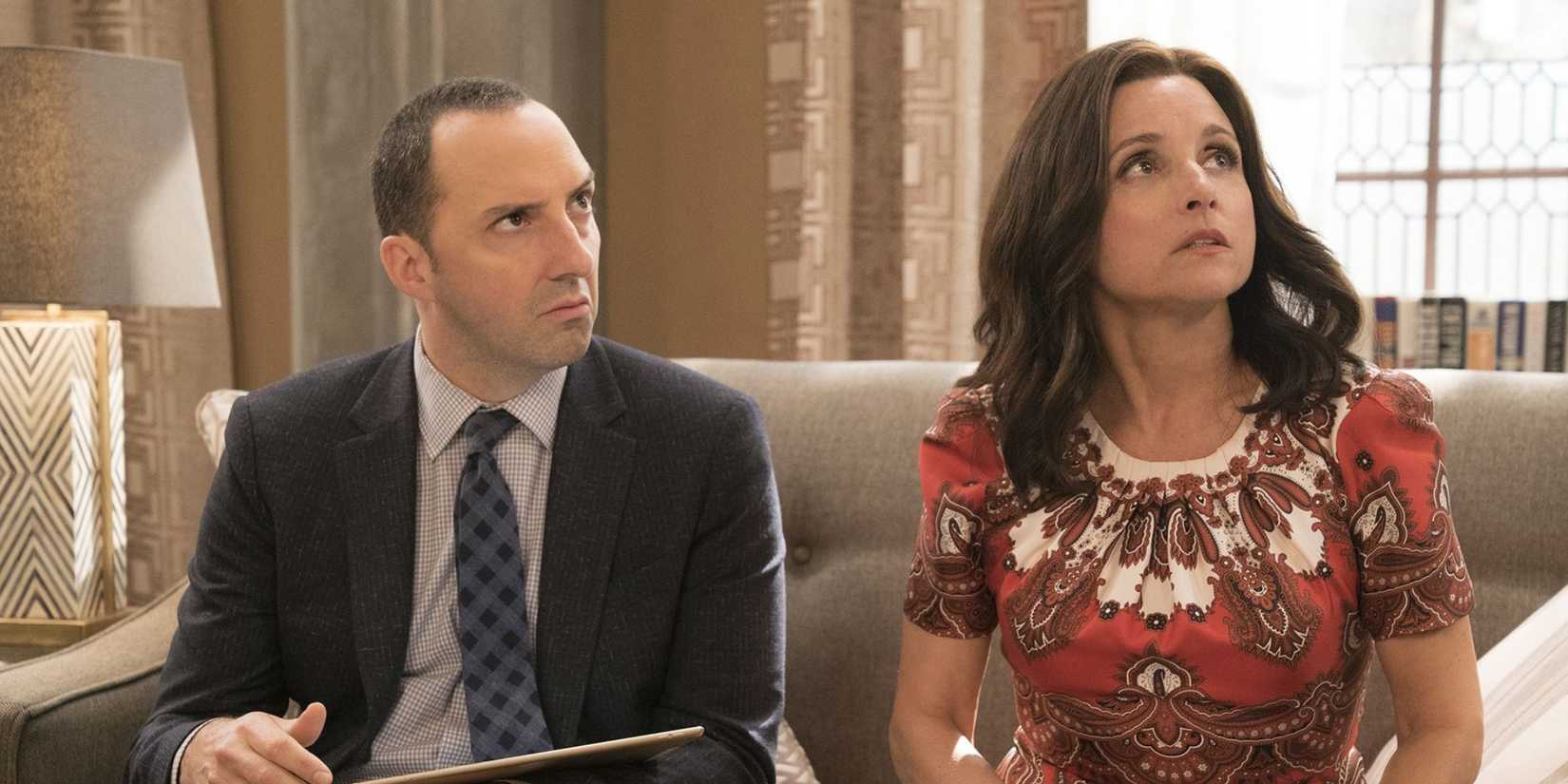
Armando Iannucci’s Veep gave television one of its sharpest political satires ever. Julia Louis-Dreyfus as Selina Meyer delivered a masterclass in comedic timing, embodying a vice president whose ruthless ambition and staggering incompetence were equally hilarious. The show’s profanity-laden dialogue became as quotable as anything in prestige TV dramas.
The series captured the absurdities of Washington politics during the 2010s. Its razor-sharp writing often felt uncomfortably close to reality, blurring the line between comedy and actual political chaos. By the end of its seven-season run, Veep had cemented itself as not just funny but prescient, eerily foreshadowing the dysfunction of modern politics.
Julia Louis-Dreyfus won six consecutive Emmys for the role, and the show remains the gold standard for political comedy. Its impact still lingers in how satire has shaped conversations around real-world governance, making Veep a definitive product of 2010s television.
Downton Abbey (2010-2015)
Downton Abbey Made British Period Drama A Global Obsession
Julian Fellowes’ Downton Abbey was an unlikely global phenomenon. Chronicling the lives of the aristocratic Crawley family and their servants, the series blended upstairs-downstairs melodrama with sweeping historical events, from the Titanic’s sinking to World War I. Its lavish production values and intricate character dynamics captivated audiences worldwide.
While British period dramas had always existed, Downton Abbey turned them into mainstream pop culture staples. Fans across continents obsessed over Lady Mary Crawley (Michelle Dockery), Matthew Crawley (Dan Stevens), and the Dowager Countess Violet Crawley (Maggie Smith), whose one-liners became instantly iconic. It proved appointment television wasn’t limited to fantasy or thrillers.
The show’s success inspired countless imitators. Even after its finale, Downton Abbey spawned a feature film continuation, proving its staying power. As one of the most internationally beloved 2010s TV shows, it showcased the decade’s appetite for sweeping, character-driven storytelling on the small screen.
Sherlock (2010–2017)
Sherlock Reinvented A Literary Icon For The Digital Age
The series defined event television in the 2010s…
Glee Turned Musical Television Into A Pop Culture Juggernaut
Premiering in 2009 but dominating…
Modern Family Redefined Sitcoms For A New Generation
Modern Family entered…
The Walking Dead Made Zombies Mainstream Television
The series defined event television…
Breaking Bad Became The Blueprint For Prestige Television
The cultural conversation around Walter White…
Game Of Thrones Became A Global Cultural Phenomenon
Few 2010s TV shows matched…

[nospin]Here you can find the original article…