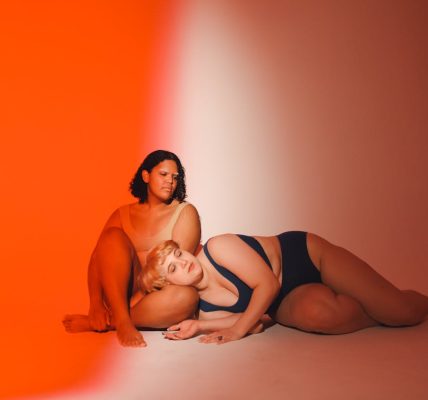
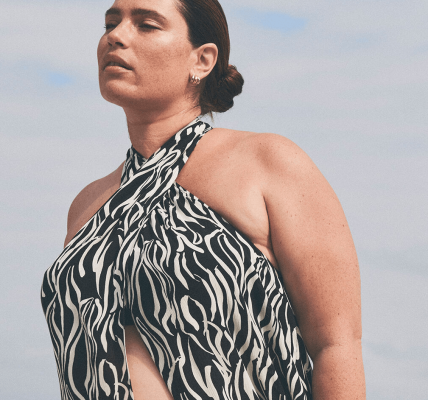
Key Insights on Plus-Size Representation in Media
- Streaming Platforms: Shows with plus-size leads see higher audience retention and engagement rates.
- Box Office Trends: Films featuring diverse body types are breaking financial expectations and challenging industry stereotypes.
- Social Media Influence: Audiences actively demand inclusive casting through platforms like TikTok and Instagram.
- Generational Expectations: Younger viewers prioritize inclusivity in content, making it essential for studios to adapt.
Streaming Platforms Show High Engagement

Streaming giants have access to vast amounts of viewing data, and the numbers are undeniable – shows featuring plus-size leads often achieve higher audience retention and binge rates. Series where body diversity is central or incidental have found loyal fan bases that drive social media chatter and long-term subscriptions.
Platforms are beginning to recognize that inclusive casting isn’t just a social good; it’s also a proven way to keep audiences engaged.
Box Office Success Counters Old Myths

For years, the entertainment industry operated under the false assumption that plus-size actors couldn’t carry blockbuster films. Recent box office results tell a different story. Movies fronted by performers outside of the stereotypical Hollywood body mold have not only broken even but sometimes exceeded projections.
The success challenges outdated industry logic and suggests that audiences are hungry for more relatable, diverse representations on the big screen.
Social Media Drives Casting Demands
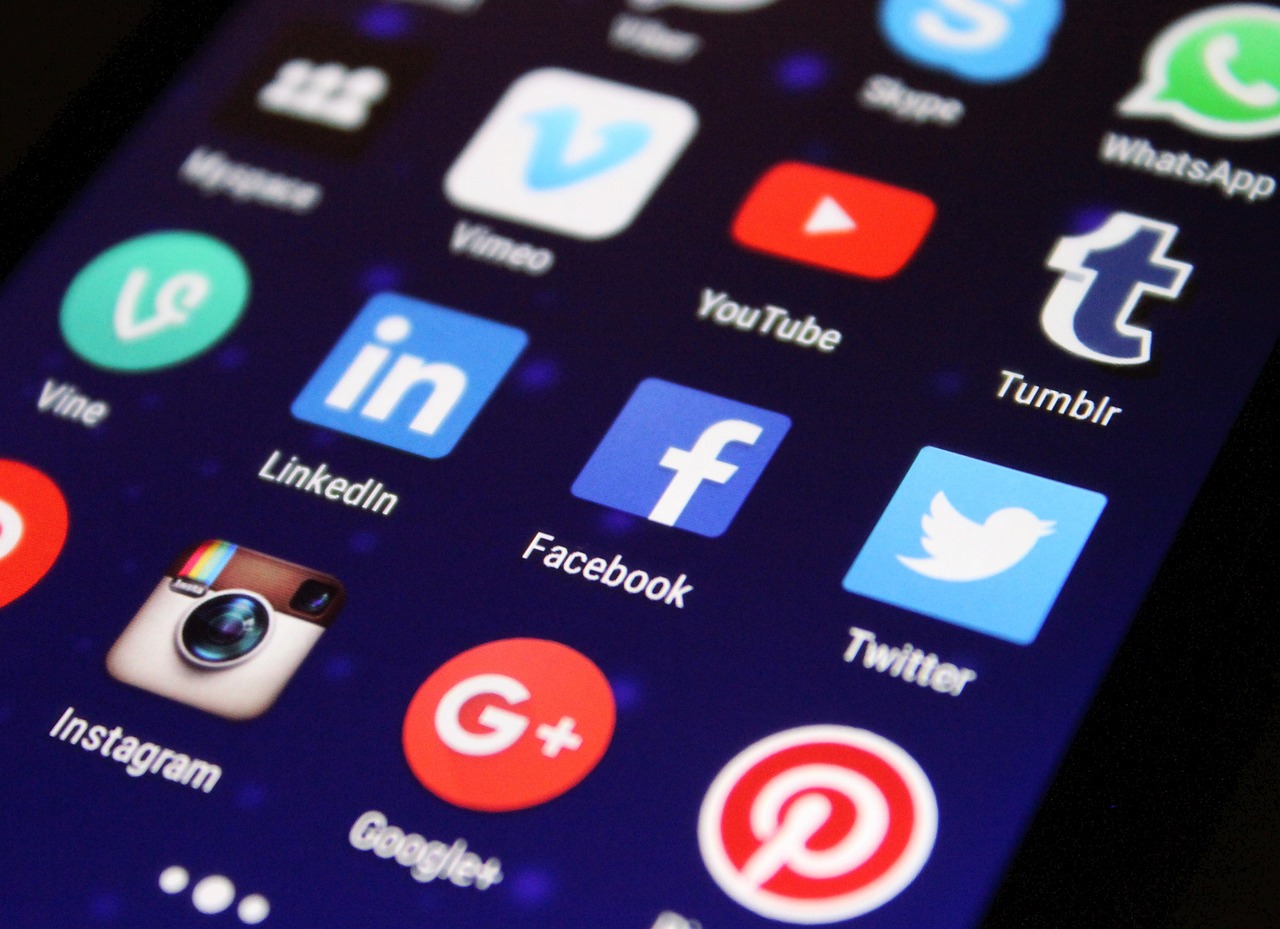
Hashtags and viral campaigns have become powerful tools for shaping casting decisions. Viewers no longer sit back passively – they use TikTok, Instagram, and Twitter to demand that studios and networks consider plus-size actors for major roles. When a casting decision excludes body diversity, backlash is immediate and widespread.
In an age where public sentiment can shape reputations overnight, social media has become a direct line between audiences and decision-makers.
Audiences Reject Stereotypical Roles

Gone are the days when plus-size characters could be relegated to comic relief, sidekick, or tragic storylines without pushback. Viewers now actively call out lazy writing and limited portrayals.
They want to see plus-size characters as heroes, love interests, leaders, and complex individuals with full arcs. This audience demand is reshaping scripts and encouraging writers to expand beyond clichés that no longer resonate.
Fashion & Film Convergence Raises Visibility

When plus-size actors walk red carpets in custom designs from major fashion houses, they break barriers in more ways than one. Fashion and film are deeply intertwined industries, and the visibility of bigger bodies in luxury looks normalizes them as central figures in culture.
These appearances are celebrated online, influencing both public opinion and future casting opportunities by showing that plus-size performers belong in the spotlight.
Data Confirms Younger Audiences Expect Inclusion

Studies tracking audience behavior reveal that Gen Z and Millennials, in particular, are drawn to content that reflects inclusivity. They are more likely to watch, share, and recommend shows or films with diverse leads. This shift in generational expectations means that inclusivity is no longer optional for long-term success – it’s a requirement.
Studios that fail to adapt risk alienating the very audiences that will define future entertainment trends.
Independent Productions Lead The Way
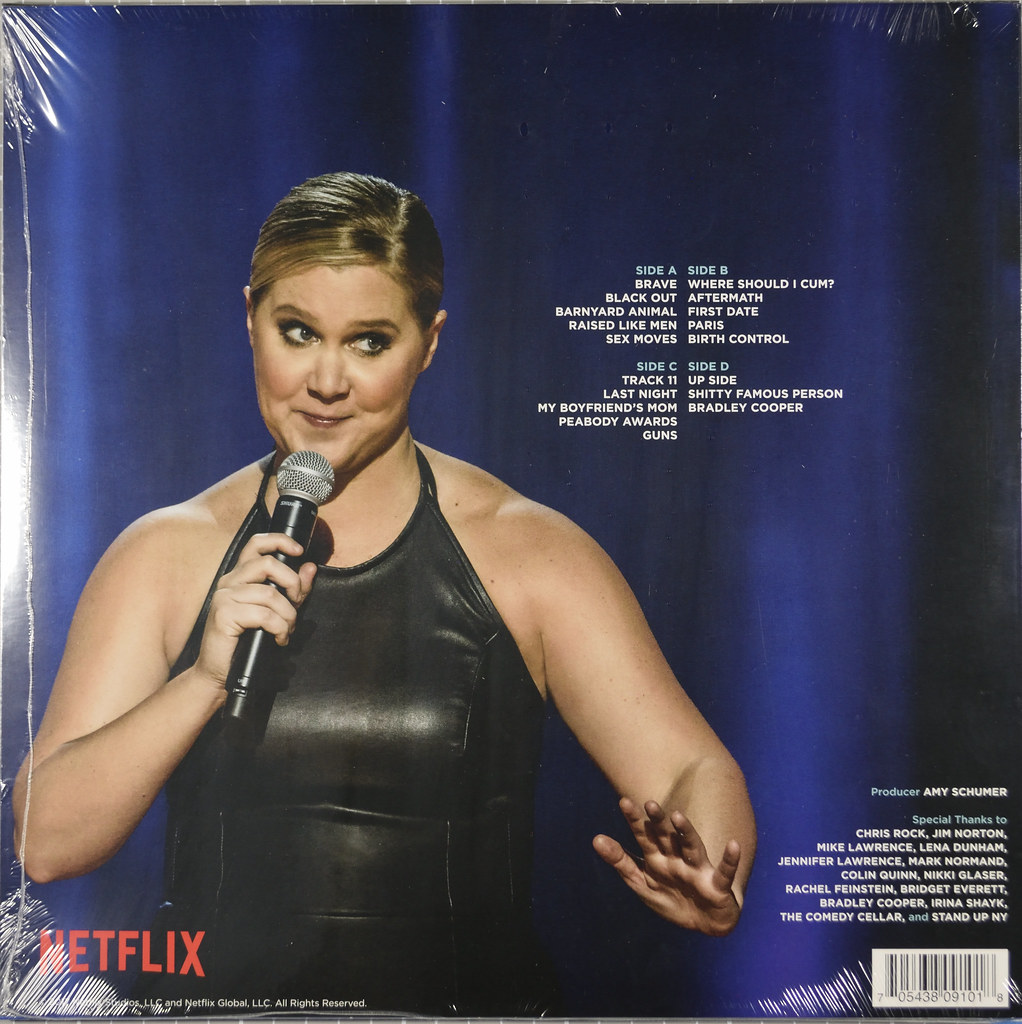
While mainstream Hollywood sometimes hesitates, independent productions are often the first to embrace plus-size leads. Indie films and streaming projects are casting boldly, giving bigger bodies room to shine in leading roles.
These smaller projects frequently achieve critical acclaim and develop cult followings, proving to major studios that inclusive casting has both artistic and commercial merit. The indie scene acts as a proving ground, influencing larger productions to follow suit.
Economic Potential Is Too Large To Ignore
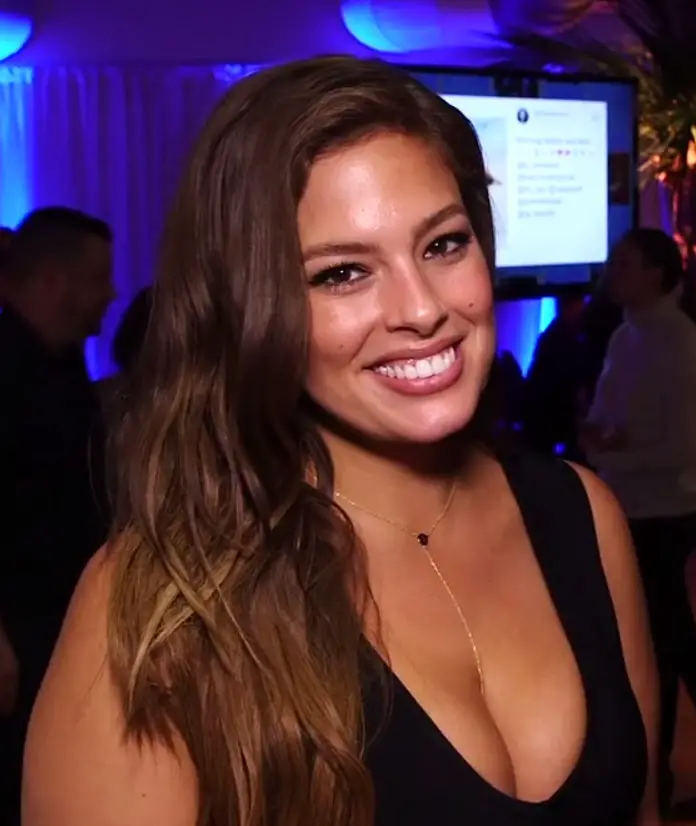
The plus-size fashion and entertainment markets represent billions of dollars in untapped potential. With half the world’s population living in bodies larger than traditional Hollywood norms, excluding them is both unrealistic and financially shortsighted.
Aligning media with consumer realities not only reflects society more accurately but also drives profitability. Inclusivity has become more than a moral stance – it’s a business imperative.