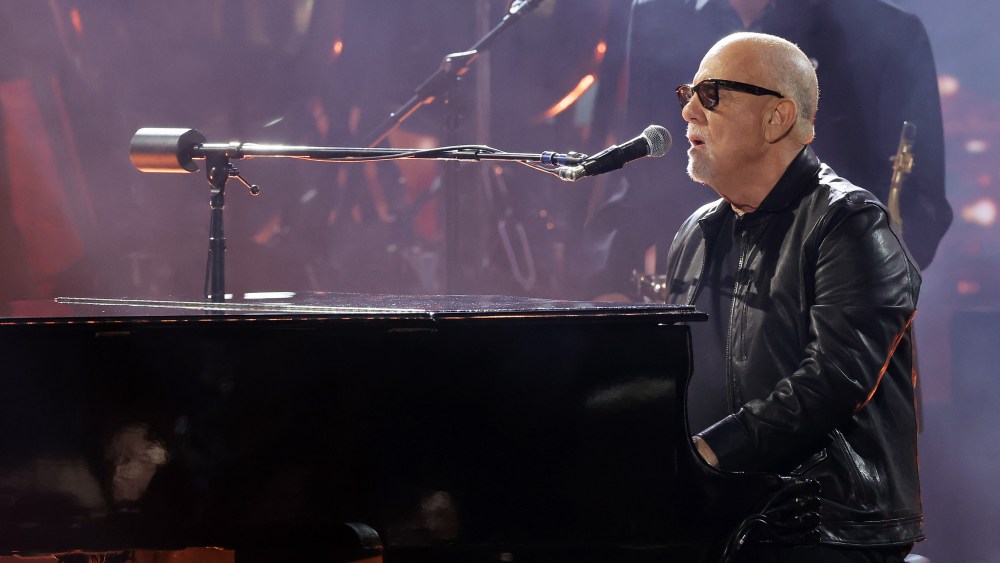

The compelling two-part HBO docuseries “Billy Joel: And So It Goes,” directed by the talented Susan Lacy (“Spielberg”) and Jessica Levin, expertly explores the complex and often tumultuous life of the iconic singer-songwriter. This documentary sheds light on how Joel’s personal experiences and struggles have profoundly influenced the creation of the music that propelled him to rock legend status. Viewers can expect an engaging look into the man behind the music, as it delves into his life story intertwined with his notable achievements in the music industry.
Initially hesitant about participating in the extensive 248-minute documentary, Joel, a celebrated six-time Grammy Award winner and member of the Rock & Roll Hall of Fame, was persuaded by his management that this was the opportune moment to share his story. According to Lacy, Joel’s team believed it was time for him to reflect on his journey. As it turns out, they were correct; the documentary comes at a pivotal time, following the conclusion of his decade-long residency at Madison Square Garden and his recent diagnosis of a brain condition known as Normal Pressure Hydrocephalus in May 2025, raising the stakes for this intimate portrayal of his life.
Despite his initial reluctance to produce the documentary, Joel does not shy away from discussing the difficult aspects of his life and career. The film candidly addresses his three failed marriages, struggles with financial mismanagement, and past issues with alcohol, presenting a refreshing contrast to the glossy music documentaries that often dominate the scene today. This raw honesty allows audiences to connect with Joel on a deeper level, as they witness the real challenges faced by one of the music world’s most beloved figures.
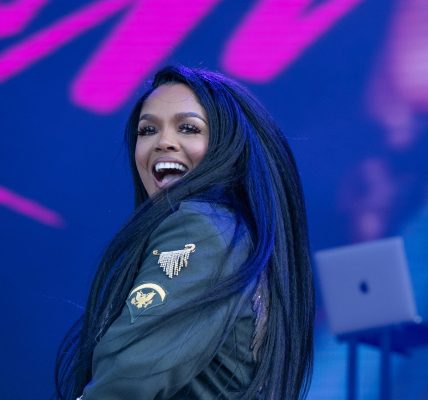
Lacy and Levin skillfully combine archival footage, live performance clips from Joel’s numerous concerts, and insightful interviews with other music icons such as Bruce Springsteen, Paul McCartney, Pink, Nas, and all four of Joel’s ex-wives. This tapestry of stories paints a picture of a boy from Long Island who never envisioned achieving the remarkable status of a rock star that he ultimately attained. The documentary serves not only as a tribute to Joel’s enduring legacy but also as a testament to the power of perseverance and talent in the face of adversity.
While Joel’s commercial success faced criticism, the docuseries highlights how his musical prowess and unique artistry were often overlooked by mainstream media. His collaborators and peers reflect on his contributions, emphasizing how songs like “Piano Man,” “Just the Way You Are,” and “We Didn’t Start The Fire” showcase his undeniable talent. Joel’s journey as a musician is further highlighted through discussions about his craft, illustrating the depth of his songwriting and the stories behind his iconic hits, which continue to resonate with fans and new listeners alike.
The documentary does not shy away from addressing serious topics, including Joel’s pre-fame struggles with suicide, his difficult relationship with his estranged father, the struggles of his single mother with depression and alcoholism, as well as the influence of his Jewish grandparents. These personal narratives add layers to Joel’s life story, appealing to both his dedicated fans and those unfamiliar with his music. By incorporating these candid reflections, the filmmakers provide a comprehensive perspective on the man behind the music, enhancing the documentary’s emotional impact.
Variety had the opportunity to interview Lacy and Levin about their creative process and the making of “Billy Joel: And So It Goes,” which is set to premiere on HBO this Friday. Their insights provide a deeper understanding of the challenges and triumphs faced during the production of this remarkable documentary.
What inspired the creation of this insightful documentary?
Lacy: The journey to creating this film began at the request of Playtone, the production company founded by Tom Hanks. My knowledge of Billy Joel was quite limited before this project, so this endeavor has been a remarkable learning experience for me, uncovering the fascinating details of his life and career. The documentary allowed me to explore not only Joel’s music but also the various elements that shaped his identity as an artist and individual.
Jessica, having collaborated with Susan on numerous documentaries over the past 25 years, what motivated you to co-direct this one?
Levin: The inception of this project was primarily Susan’s vision, rooted in her esteemed reputation as a masterful filmmaker focused on artists. I felt fortunate that Susan recognized my extensive knowledge of music as a valuable asset for this particular film. Our long-standing collaboration has fostered a creative shorthand between us, allowing us to navigate this extensive and complex narrative together. The scope of Joel’s lengthy and impactful career presented challenges, making it essential to have two creative minds contributing to this documentary.
Did Joel have any influence on the production or final cut of the documentary?
Lacy: No, we were granted complete creative independence during the making of this documentary. When I initially spoke with Joel about any sensitivities he might have, he simply stated, ‘Tell the truth.’ He took a hands-off approach throughout the process and did not view the film until it was entirely completed, allowing us to present an authentic portrayal of his life and career without any restrictions.
The documentary touches upon Joel’s struggles with alcohol. His ex-wives mention it, but he seemed hesitant to delve deeper into the topic. Was this a sensitive issue for him?
Lacy: I would say that discussing alcohol was indeed a challenging topic for Joel. We did not shy away from acknowledging his history with alcohol use, as it is a well-documented part of his life. He openly admits to having problems with drinking too much and discusses his experiences with rehab. While he expressed reluctance to attend rehab initially, he ultimately did so. It was a delicate subject, but we aimed to address it with honesty and sensitivity in the documentary.
All four of Joel’s ex-wives are featured in the film, including Christie Brinkley, Katie Lee, and his first wife and manager, Elizabeth Weber. Was it difficult to persuade them to participate in the documentary?
Lacy: We were determined to interview all of Joel’s ex-wives, but Elizabeth was particularly challenging to approach. She had spent 40 years avoiding any mention of Billy Joel and had not spoken about him publicly for decades. In fact, her son, who lived with Billy for the first 16 years of his life, had girlfriends who were entirely unaware of his connection to Joel. This separation from their past made it difficult to convince Elizabeth to participate. I had to put considerable effort into persuading her, emphasizing that I wanted to tell her story, as I believe it has not been accurately represented in media. I told her, “I think your story hasn’t been told. You play an essential role in Billy’s journey to stardom.”
Numerous renowned musicians, including Pink and Bruce Springsteen, share their insights about Joel and his musical impact throughout the docuseries. Why was it important for you to include these interviews?
Lacy: Bruce Springsteen has often been compared to Billy Joel, as both emerged from working-class backgrounds and are recognized as bridge and tunnel artists. However, Springsteen has traditionally received more acclaim from critics. Having someone like Bruce Springsteen articulate how the industry has overlooked much of Joel’s extraordinary work because he does not fit a specific mold was vital. Musicians recognize each other’s talents, and their validation of Joel’s artistry adds significant weight to the narrative. Including such perspectives helps to underscore Joel’s impact on the music world and the appreciation he deserves.
The documentary addresses political themes, particularly regarding Joel’s decision to wear a yellow Star of David at a 2017 concert at Madison Square Garden following the violent white-nationalist protests in Charlottesville, Virginia, and the controversial remarks made by Donald Trump afterward. Did you face any hesitations about incorporating Trump’s presence in the film?
Lacy: From the moment I saw the footage of Billy walking on stage wearing that yellow Star of David, I knew we needed to include that powerful moment in the film. I did have some concern that Billy might object to any mention of Trump, considering the polarizing nature of the figure. However, Billy did not express any reservations when he saw the final cut, allowing us to present a crucial aspect of the narrative that reflects the intersection of music and pressing societal issues.