The concept of wellness has evolved into a cultural phenomenon, resonating across social media platforms like TikTok, brand initiatives, and rejuvenating Sunday rituals; yet, it often overlooks the vital aspect of body diversity.
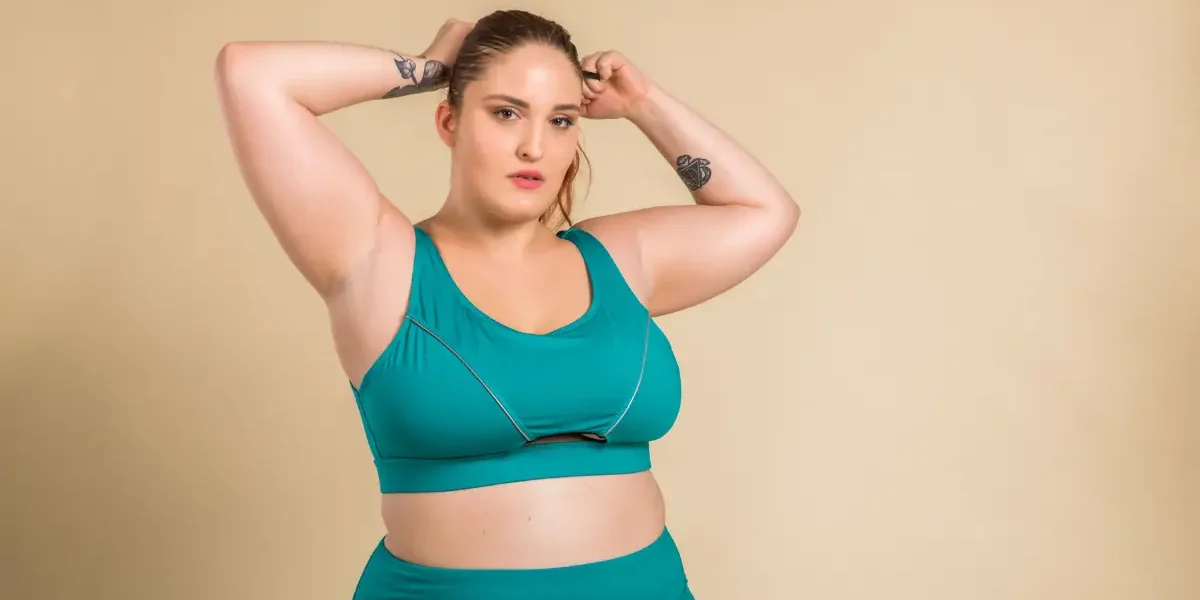
For numerous plus size and curvy women—particularly those who identify as Black and Brown—the polished marketing narratives surrounding self-care frequently fail to represent authentic body diversity. Instead, these narratives often seem to define wellness as synonymous with being “thin, white, and affluent.”
The extensive wellness industry, boasting a staggering global worth exceeding $5.6 trillion, seldom addresses the needs and experiences of women whose bodies diverge from its limited parameters. A simple scroll through Instagram or Pinterest under the hashtag #wellness reveals a repetitive visual theme: slender bodies clad in neutral-hued athleisure, sipping green juice, or lounging in luxurious cryotherapy spas. These portrayals are ubiquitous, yet the representation of wellness for plus size women remains alarmingly scarce. For those of us navigating the intersections of race, size, and class, the message is starkly clear—our inclusion is not a priority.
From the origins of SoulCycle to the contemporary obsession with Erewhon grocery on TikTok, to practices like jade-rolling and microdosing, the current interpretation of wellness often resembles an aesthetic performance rather than a comprehensive journey toward well-being. The financial burden and exclusivity associated with many wellness services serve as significant barriers for the average woman. The emergence of the “that girl” culture—curated on platforms like TikTok and YouTube—has further solidified this narrow view of self-care. This trend often showcases an idealized routine: a 5 a.m. wake-up, drinking celery juice, attending hot yoga, journaling in an expensive notebook, and exhibiting flawless skin without any signs of imperfection.
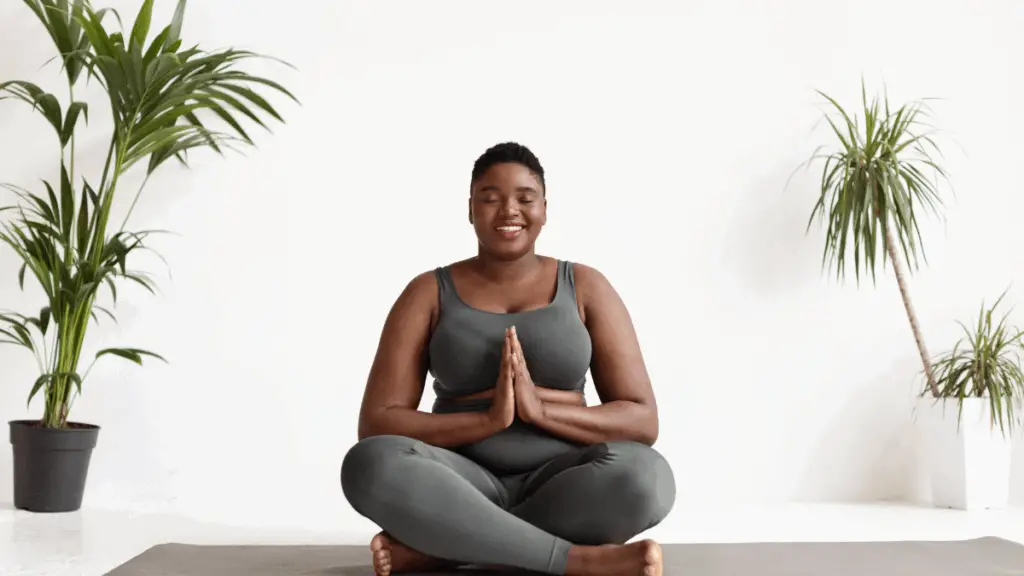
Furthermore, those who profit from brand partnerships often enjoy privileges that come with their appearances, which means they typically do not face the same challenges that women encounter while trying to integrate wellness and self-care into their lives. The question remains: why aren’t there more plus size and curvy influencers featured prominently in these wellness campaigns? The stark reality is that the way we look is often perceived not as an aspiration but rather as a cautionary tale. Our bodies are frequently depicted as what wellness aims to fix, rather than what it should celebrate. When body diversity is excluded from the wellness dialogue, it delivers a clear message: wellness is exclusively for those who conform to the industry’s aesthetic standards.
But what occurs when your body does not align with that ideal? What if your body is round, soft, or distinctly different? What if you inhabit a body that the wellness industry still regards as a “before photo”? This underscores the critical need for body diversity within the wellness sector, as the absence of such representation can prove detrimental to many women in the long term.
Pop culture has begun to grapple with these pressing questions, yet it often fails to maintain a sustained dialogue. Programs like Harlem and And Just Like That… have made initial strides, showcasing characters like Angie, who unapologetically embrace their bodies and personal style. Influential figures such as Lizzo, Tabitha Brown, and Ashley Nell Tipton are also playing pivotal roles in reshaping the narrative, despite frequently facing societal backlash. However, these moments are exceptions rather than the norm.
Empowering Plus Size Women Through Authentic Representations of Body Diversity
Frequently, fat and curvy women find themselves either excluded from conversations about wellness or only spotlighted when their bodies are depicted as undergoing “transformations” or as sources of comfort. Consider the instances when Rebel Wilson and Adele garnered acclaim primarily for their weight loss rather than their numerous achievements. We celebrated them for so long as icons of body diversity in Hollywood, so why did the public’s tone shift when they embraced weight loss? In addition, social media users often label plus size women as “brave” simply for confidently existing in their photos and videos. This reality is telling and underscores the ongoing struggle for genuine representation in wellness.
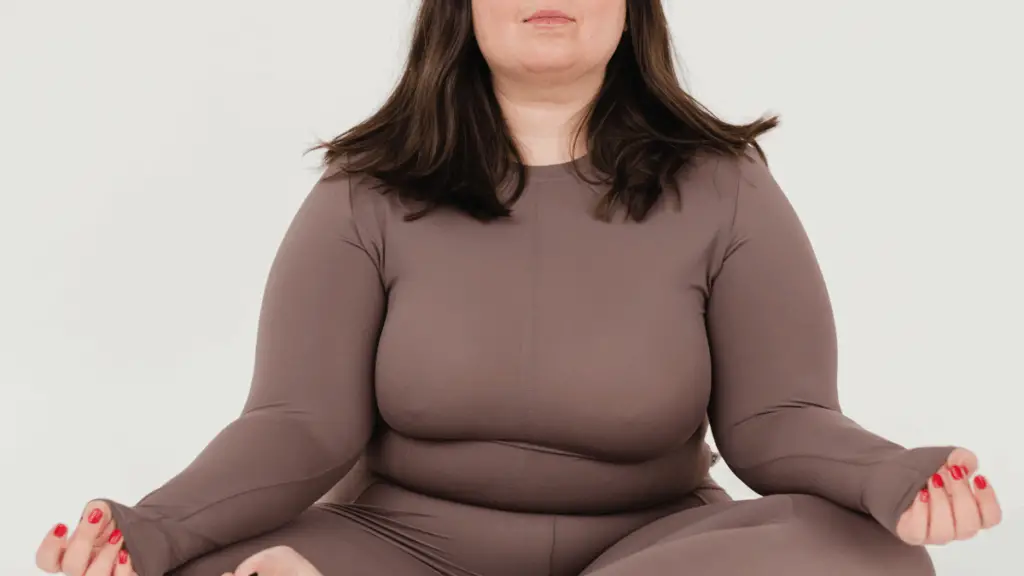
The poignant truth is that genuine spaces for plus size women do exist, born out of the necessity to combat erasure and cultivated by women who were determined to carve out their own paths. These are not merely brands; they symbolize movements that strive for inclusivity and acceptance.
The Nap Ministry, established by Tricia Hersey, redefines rest as a form of resistance, particularly for Black women. Jessamyn Stanley’s initiatives, including The Underbelly and Every Body Yoga, invite individuals to practice yoga authentically without the need to diminish their true selves—both physically and metaphorically. Black Girl’s Breathing creates supportive digital breathwork environments tailored for Black women managing anxiety, burnout, and the emotional burdens of everyday life, without mandating weight loss as a remedy. Furthermore, Body Politic focuses on providing chronic illness support with inclusivity ingrained in its foundation.
These communities serve as a crucial reminder: wellness for plus size women is not a luxury; it is an essential component of life. It is not about aspiration; it is about survival. Moreover, it should never demand that we compromise our identities in order to belong.
True wellness must extend beyond the confines of green juices and spa aesthetics. For many, it encompasses advocating for oneself within biased healthcare systems. It involves seeking therapists who recognize the critical distinctions between trauma and fatphobia. It means being able to move, breathe, heal, and rest without guilt or expectations.
Authentic wellness does not revolve around transforming into someone else. It is about nurturing the body you already inhabit—with compassion, strength, and without shame. If self-care fails to embrace body diversity, it ceases to be care at all; it merely becomes a marketing ploy.