Key Insights
- Body positivity emerged in the 1960s, promoting love for all body types.
- Body neutrality emphasizes acceptance of the body based on its functionality rather than appearance.
- Social media platforms like TikTok are increasingly showcasing body neutrality through authentic representations.
- Both body positivity and neutrality have their strengths and weaknesses, depending on individual experiences.
Origins and Definitions

Body positivity began in the 1960s as a movement to challenge societal norms around beauty and to affirm that all bodies are worthy of love and respect. It encourages people to love their bodies no matter their size, shape, or ability. On the other hand, body neutrality is a newer concept that focuses less on appearance and more on what the body can do. Instead of promoting love for how the body looks, it promotes acceptance without judgment.
Academic Research and Conceptual Overlap

Researchers have pointed out that body neutrality shares many of the same ideas as positive body image. These include appreciating what your body can do, being kind to yourself on bad body image days, and letting go of strict beauty ideals. While neutrality sounds like a new idea, it’s often seen as a more practical version of body positivity. Experts believe both concepts overlap and aim to reduce body shame.
Social Media Trends and Representation
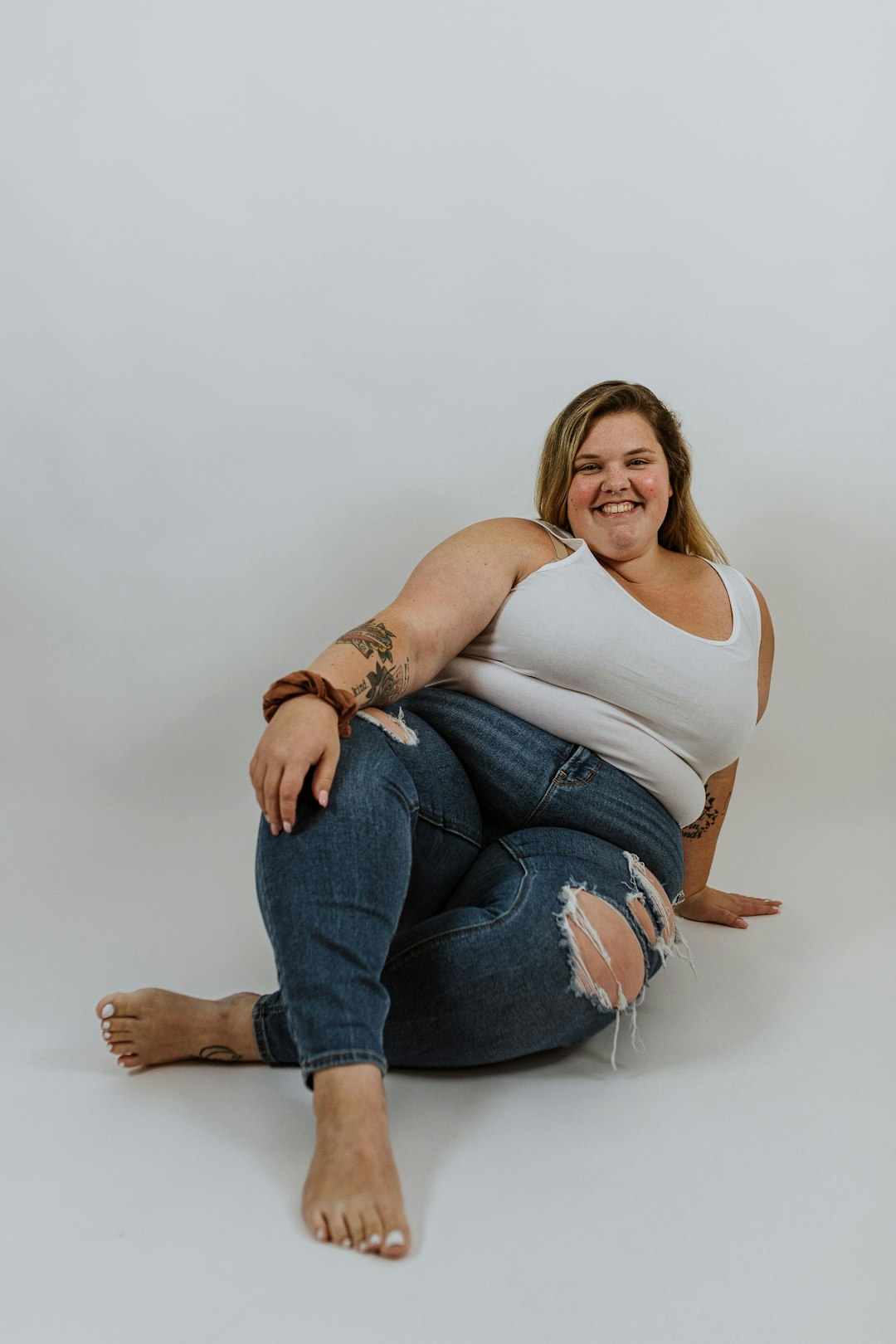
On platforms like TikTok, body neutrality is gaining ground. People post videos that highlight real, everyday bodies and promote the idea that looks aren’t the most important thing. These posts shift the focus from appearance to function, showing people embracing their bodies without needing to love how they look. The tone is often more relaxed than the high-energy affirmations of body positivity.
Benefits and Emotional Impact

Body positivity has been shown to help people feel better about themselves, especially when exposed to inclusive media. It can decrease body dissatisfaction and help build confidence. However, for some people, body neutrality feels more realistic and less emotionally demanding. It offers a middle ground for those who find it hard to love their appearance but still want peace with their bodies.
Criticisms of Each Approach

Some critics say body positivity still keeps the focus on appearance, which may not be helpful for everyone. It can also feel forced or fake, especially for people dealing with poor self-image. Meanwhile, body neutrality has been criticized for lacking inspiration or motivation to improve body relationships. Both movements have strengths and weaknesses depending on personal experience.
Health, Public Discourse, and Policy
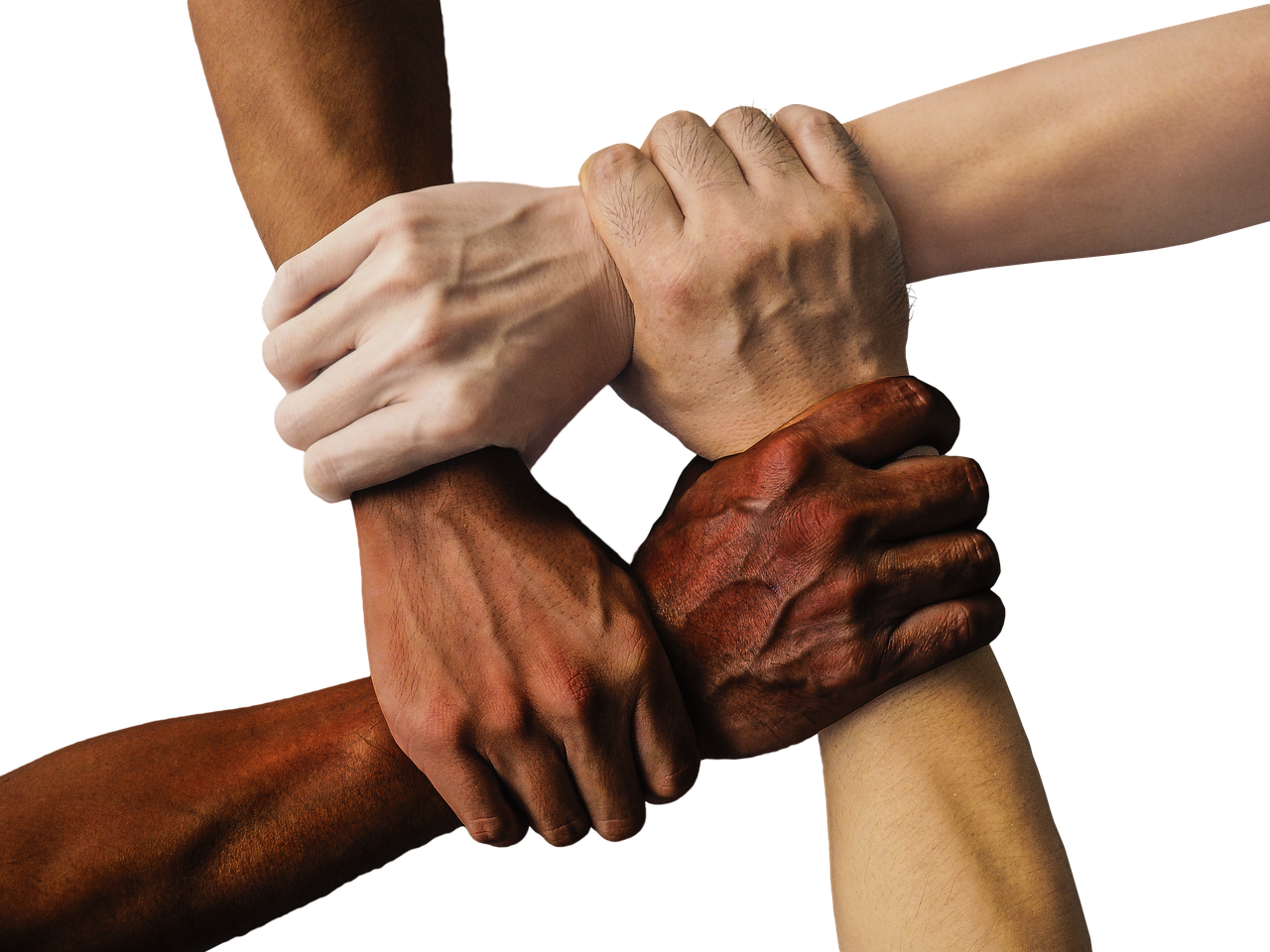
In recent years, health experts and public campaigns have started embracing weight-neutral approaches. These approaches focus on behaviors and well-being instead of numbers on a scale. The message is shifting toward health at every size, acknowledging that fitness and wellness are not limited to a specific body type. This shift is helping reduce stigma and broaden health goals.
Cultural Moments and Visibility
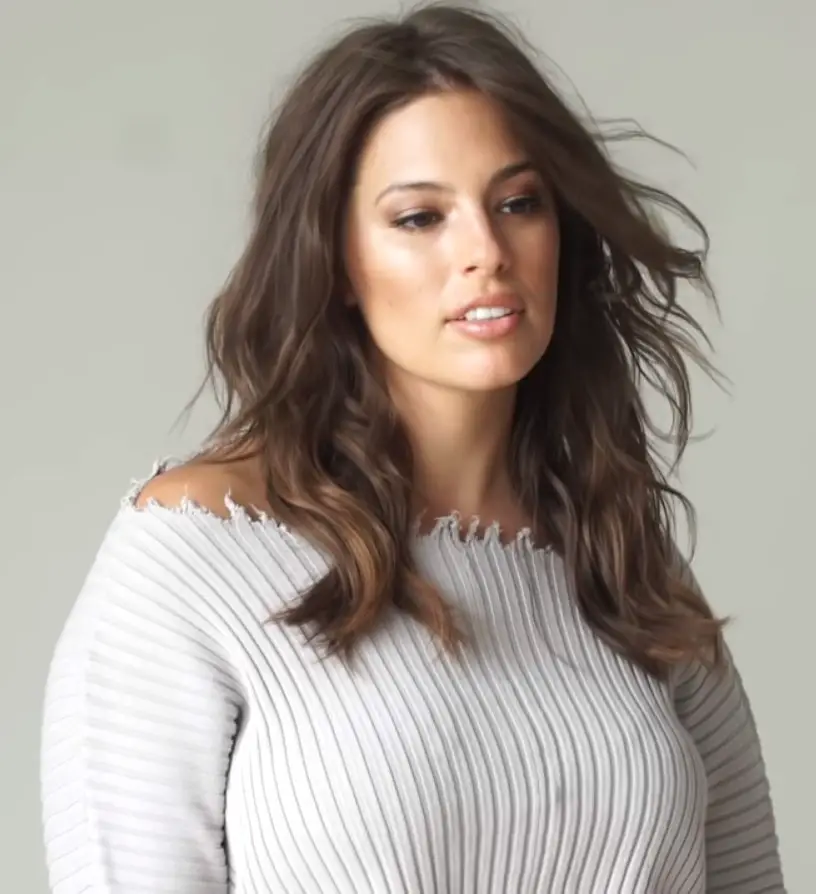
High-profile figures and viral moments have brought attention to both movements. When celebrities show up with natural bodies that defy thin ideals, the public often reacts with support and admiration. These moments help shift cultural standards and spark conversations about beauty, health, and self-worth. Still, reactions are mixed, showing how deeply body ideals are ingrained.
Integrating Approaches – What Might Work for You?
Choosing between body positivity and body neutrality depends on your mindset and what feels helpful. If you enjoy affirmations and celebrating your body, positivity may be more your style. If you prefer a more grounded, practical relationship with your body, neutrality might offer relief. Many people find combining the two – loving what they can, accepting what they can’t – a balanced approach.