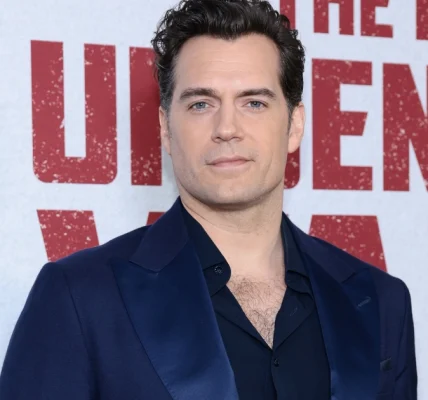
The new movie <em>Swiped</em>, featuring Lily James, narrates the inspiring true story of Whitney Wolfe Herd, the entrepreneur who transitioned from co-founding the dating platform Tinder to establishing her own inclusive, female-centric business: Bumble. While reviews for Swiped have varied, the film generally remains faithful to the actual events.
When depicting real-life figures, it is crucial to find a balance between presenting the factual narrative as it unfolded and ensuring viewer engagement. Swiped largely achieves this balance, portraying Whitney Wolfe Herd’s personal journey while adding fictional elements through new characters and subplots.
How Does Swiped Stay True to Bumble’s Foundation?
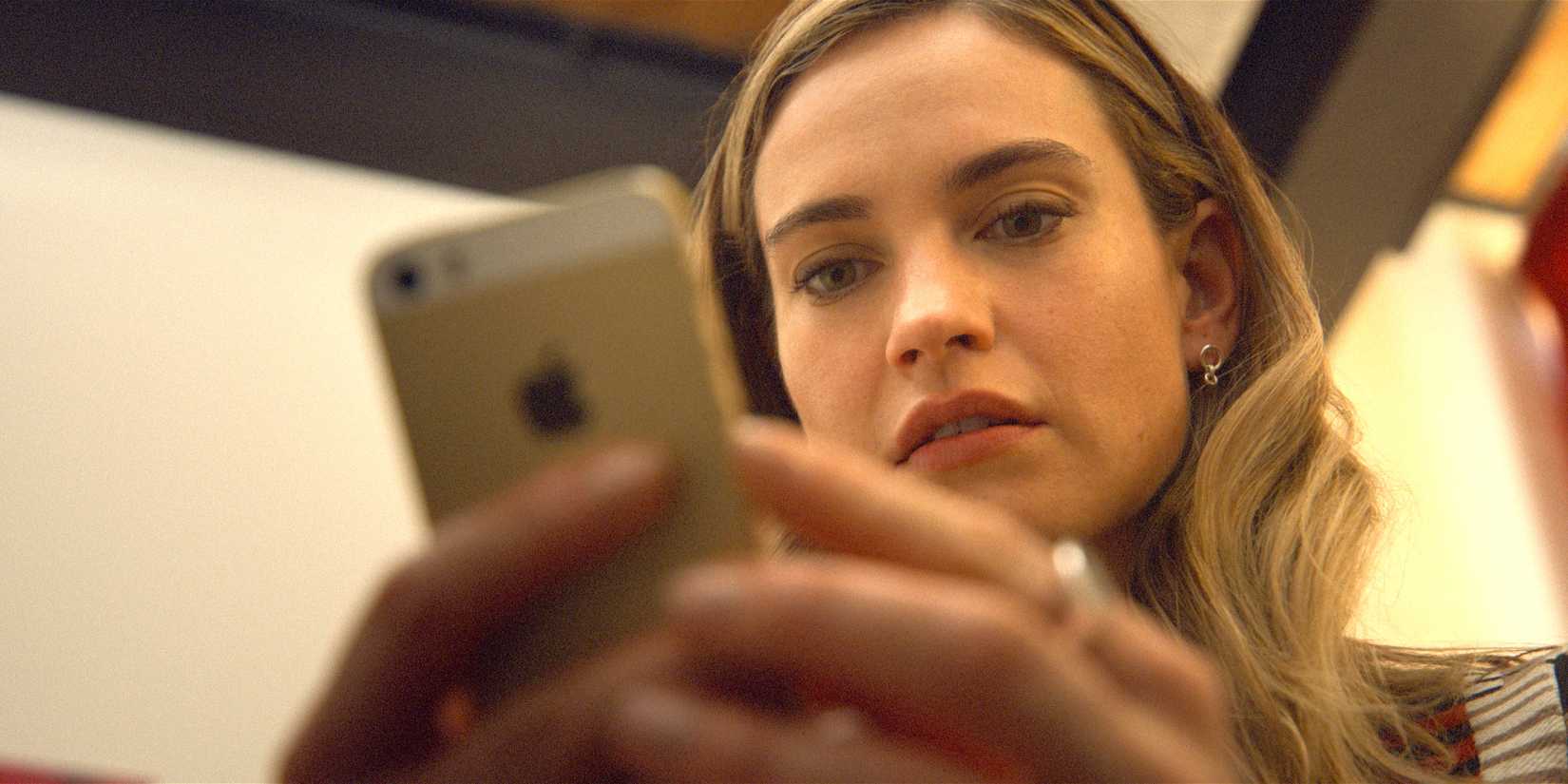
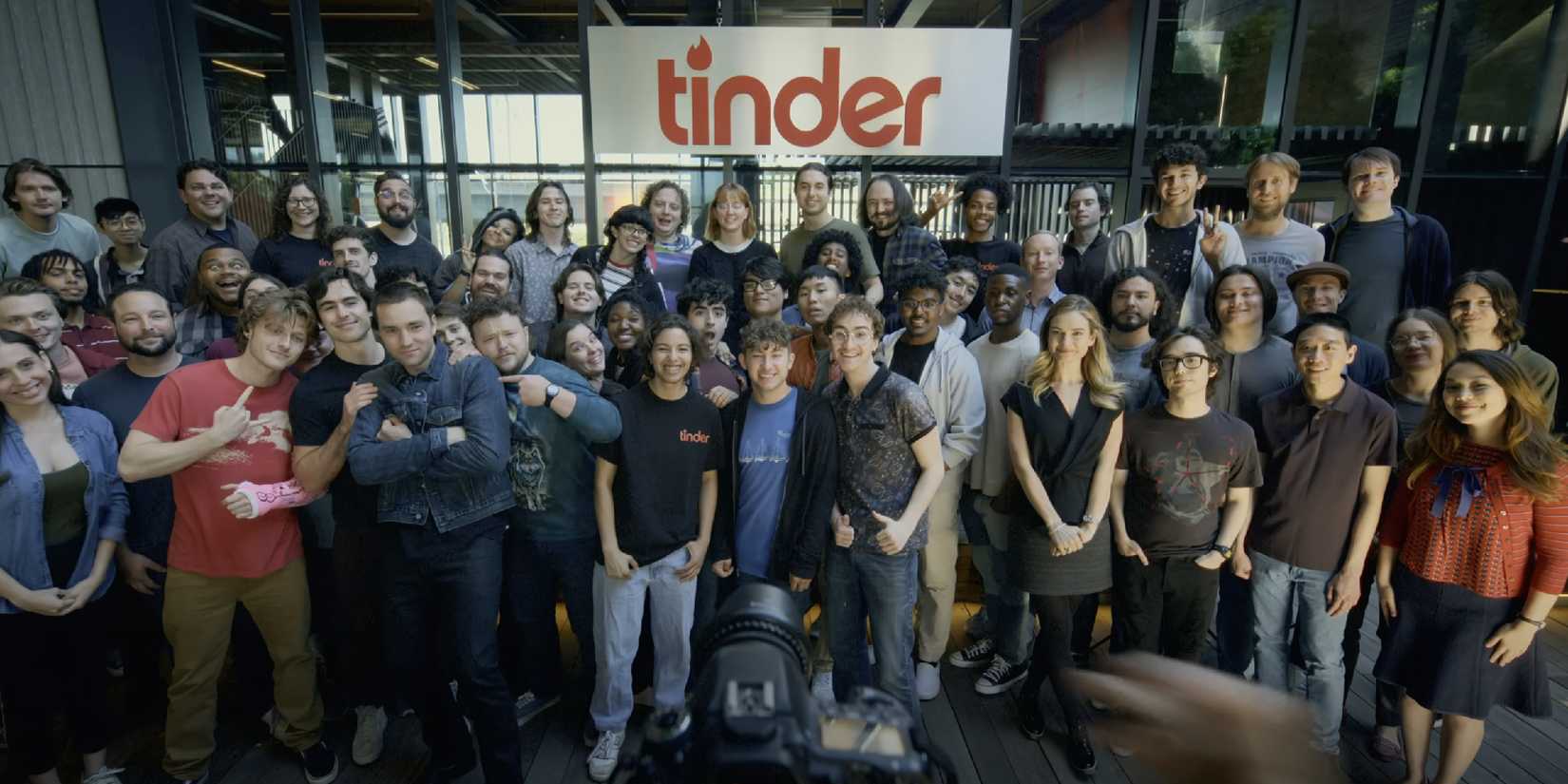
Although Whitney Wolfe Herd is best known for her role in creating Bumble, Swiped primarily focuses on the years leading up to her entrepreneurial journey, highlighting her tenure at Tinder. This narrative is rooted in reality, as Herd was initially recruited by Sean Rad to serve as Tinder’s head of marketing and was eventually recognized as a co-founder.
During her time at Tinder, Wolfe Herd faced a significant amount of sexism, misogyny, and bias as the sole female executive within the company. This ultimately led to her resignation when tensions with Rad and co-founder Justin Mateen became unbearable.
Swiped explores this struggle between the desire to effect change in the tech industry and the challenges of being a woman in a male-dominated environment, creatively enhancing this commentary through original characters that highlight this gender divide.
What Creative Liberties Were Taken with Whitney Wolfe Herd’s Story?

Wolfe Herd filed a lawsuit against Tinder following her resignation, citing “threatening and abusive” behavior as the primary reason for her exit. Swiped does not shy away from depicting this fully, emphasizing the toxic dynamic between Wolfe Herd and Mateen as representative of the company’s “alpha male” culture.
While Swiped may not be Lily James’ most acclaimed film, she effectively portrays Wolfe Herd’s feelings of disgust and paranoia regarding this toxic work environment, which ultimately inspired her to create a healthy and inclusive dating platform through Bumble.
The film glosses over Bumble’s early development, instead focusing on what prompted Wolfe Herd to take such a significant leap — including her lawsuit against Tinder, her out-of-court settlement and NDA, and the subsequent scandal involving Badoo’s founder and CEO, Andrey Andreev. Swiped adopts a factual approach to this narrative, presenting events objectively.
However, while Swiped‘s depiction of business realities is quite authentic, it does not always maintain the same fidelity to Wolfe Herd’s personal life. Several details regarding her relationships and family are altered, including how she met her husband, Michael Herd. In Swiped, they meet at a bar.
In reality, Whitney and Michael were introduced by a mutual friend during a ski trip. Although this may seem trivial, it serves a clear narrative purpose: her initial attraction to Michael at the bar inspires Wolfe Herd to conceptualize Bumble’s key feature of women always making the first move.
This may not reflect how events transpired in real life, but it functions as a straightforward storytelling device that enhances plot flow without significantly altering the overall narrative. Characters like Myha’la’s Tisha serve a similar function. This fictional character exists solely to provide Wolfe Herd with a crucial female ally at Tinder.
This technique is common in many successful biopics — specific interaction details often matter less than their narrative function. However, in Swiped, there may be a particular reason for the ambiguity surrounding Wolfe Herd’s personal life during her time at Tinder.
Why Can’t Whitney Wolfe Herd Discuss Her Tinder Settlement?
As part of her out-of-court settlement with Tinder, Whitney Wolfe Herd was required to sign a non-disclosure agreement that prohibits her from publicly discussing the entire process. This agreement remains effective today, and the closing credits of Swiped clearly state that Wolfe Herd was not involved in the film’s production.
This detail is significant because it indicates that Swiped can only speculate about certain aspects of Wolfe Herd’s life — such as her relationship with Mateen, her marriage to Michael Herd, and her personal experiences founding Bumble. The credits even clarify that “some characters, relationships, [and] incidents have been fictionalized for purposes of dramatization.
This leads to an impression that while Swiped‘s recounting of business formations is quite objective and informative, its portrayal of Whitney Wolfe Herd’s personal life during these years is less reliable. The film utilizes Wolfe Herd’s real-life NDA to explore themes of female silence and male toxicity through narrative gaps.
…
…
…
…

Here you can find the original article. The photos used in our article come from this source. We are not their authors and have used them solely for informational purposes with proper attribution.[nospin]