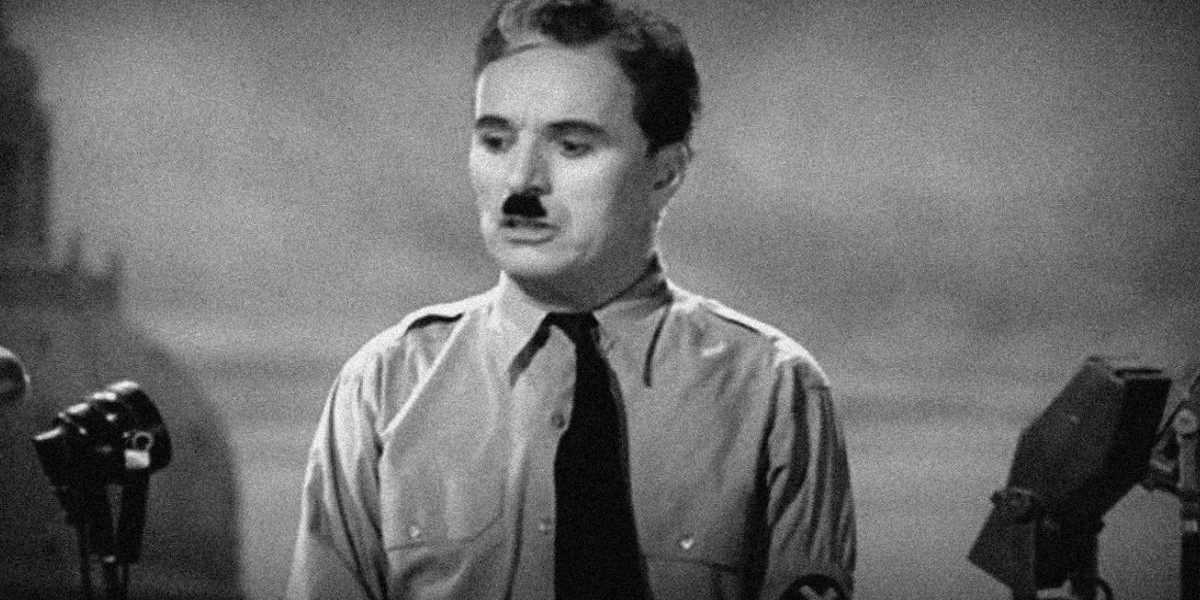
Charlie Chaplin is famous for many reasons. As a silent actor, he pioneered physical comedy in classics such as <em>The Circus</em> and City Lights. When he transitioned to using sound elements after 1936’s <em>Modern Times</em>, people were amazed by his command over the English language, leading to perhaps his most iconic performance coming with his climactic monologue in The Great Dictator. However, there was an event that not only could have prevented the second half of his career in non-silent films but was also designed to act as a catalyst for a war that would have altered the geopolitical landscape of the early 20th century. This was known as the May 15th Incident, when Japanese ultranationalists attempted to assassinate Chaplin along with a host of other Japanese politicians to restore the emperor’s power in an increasingly democratic Japan. The event not only reflects how the world was changing at this point in history, but also just how influential and popular Chaplin was that people believed his death could spark outrage enough to go to war.
Sumo Saved Charlie Chaplin From a Political Assassination
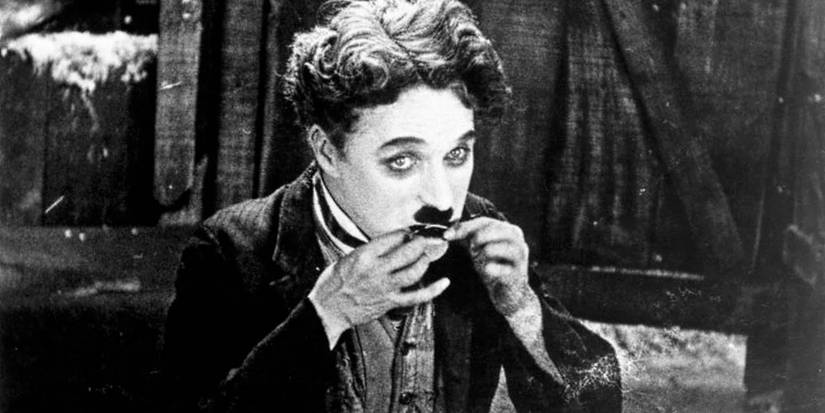
Political assassinations are always thoroughly complex topics with countless political actors holding different motivations and a long chain of events that lead to the eventual attack. However, for a summary, much of the May 15th incident revolves around the signing of the London Naval Treaty in 1930, which limited the ships in the British, U.S., and Japanese navies to a ratio of 10:10:7, respectively. Even though this was a ratio more favorable to the Japanese than the originally planned 5:5:3 ratio, certain junior officers within the Japanese navy believed this was the result of a weak government and that a Shōwa Restoration, meaning the disbanding of democracy and a return to the rule of emperors, was necessary.
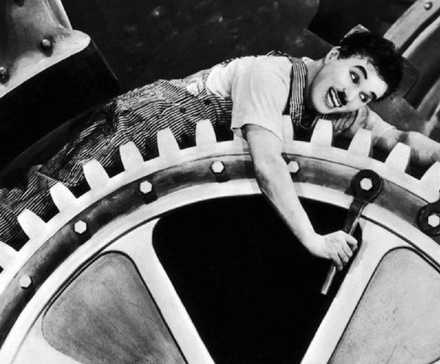
These Are Charlie Chaplin’s 5 Timeless Masterpieces
Goin’ to the Chaplin of love.
With the help of Nisshō Inoue and his League of Blood organization, these naval officers assassinated the Japanese Prime Minister, Inukai Tsuyoshi, and had planned to kill Chaplin too, who was visiting Japan at the time. However, Charlie Chaplin was nowhere to be found due to the fact that he was watching a sumo wrestling match with the Prime Minister’s son at the time of the incident. The reason for targeting Chaplin was that these ultranationalists believed killing Chaplin would begin a war with the U.S., as they admitted during their trial, and their hope was that this catastrophe would force the government to move towards a larger military and imperialistic nature.
Charlie Chaplin’s Planned Assassination Reflects How Influential the Legend Was
Whether Chaplin’s death would have truly been enough to begin a war between what were two superpowers at the time, Japan and the U.S., as it was with Franz Ferdinand’s assassination in 1914 for World War I, is debatable. However, the mere intention reflects an understanding of Chaplin’s value as a diplomat for the West, showing the growing nature of global superstars at a time when film and radio technology began connecting people across continents. As a champion of arts and liberty, as he would prove in The Great Dictator, Chaplin represented Western values that were emulated globally, making an attack on him an attack on those values.
This would not be the only moment where Chaplin and politics interlinked, and it probably isn’t as famous as it arguably should be. If the naval officers’ plan had succeeded, Japan would have been left without a Prime Minister, and both the U.S. and U.K. would have needed to respond to the killing of one of their brightest stars on the world stage. If there had been a war, who knows how that would have affected wider events like Hitler’s tyranny in Europe and how it could have influenced Axis powers against Allied forces later in that decade? Yet, because of sumo wrestling, thankfully, Chaplin’s life was spared, allowing us to experience some truly magnificent art because of it. In conclusion, it shows how one’s success can validate important philosophical values while also placing a target on one’s back. It is up to individuals like Chaplin to shoulder that burden so these ideas never lose their significance.
The Great Dictator is available to stream on HBO Max in the U.S.
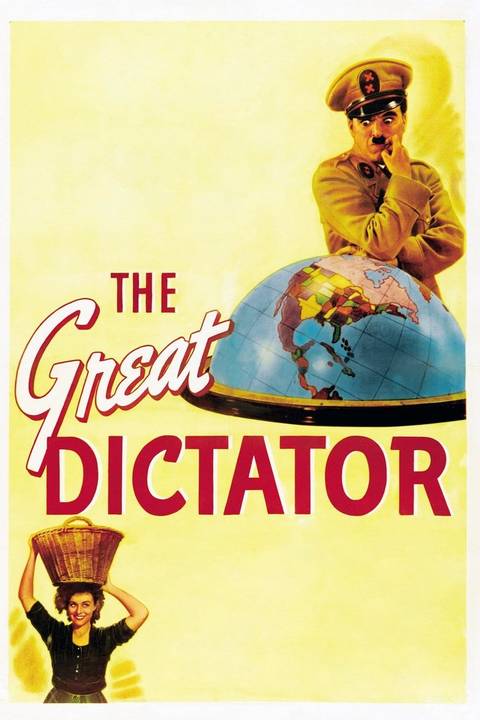
- Release Date
- October 15, 1940
- Runtime
- 125 minutes
-
Adenoid Hynkel, Dictator of Tomania / A Jewish Barber
-
-
“
”
“”
“Jack Oakie
”
“Benzino Napaloni, Dictator of Bacteria
”
“”
- ”
“”
“”
“Reginald Gardiner
”
“Commander Schultz
”
“”
“
“
”
“
”
“
”