
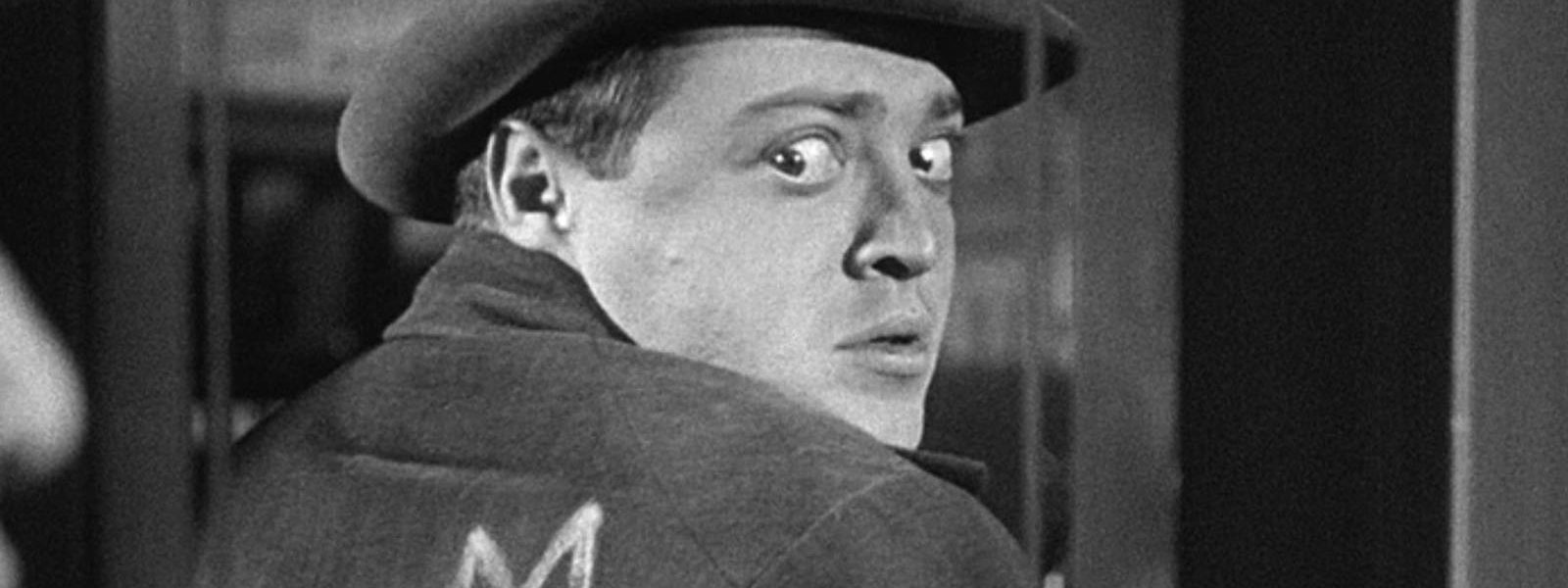
Many of today’s best thrillers have been heavily influenced by thrillers of yesteryear. The classic thrillers have provided us with so many brilliant twists and turns through action, mystery, and extraordinary stories. These masterpieces are so influential that they remain a major part of our cinematic history.
We’re here to celebrate ten classic titles that have earned masterpiece status and continue to hold it today. From visionary directors to prolific stars, these thriller masterpieces have aged like fine wine. Though some have been colorized over time, many of these black-and-white thrillers still yearn for the classics.
‘Psycho’ (1960)
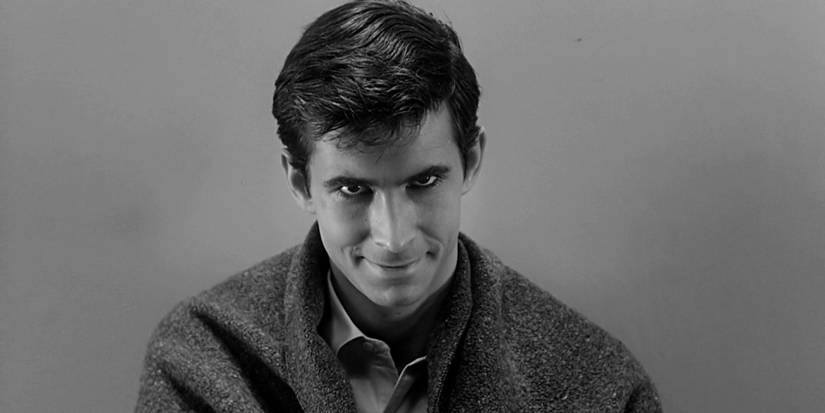
There is simply no film like Psycho. And it all started with the star billing. But first, let’s set up the Alfred Hitchcock masterpiece. Inspired by the novel by Robert Bloch, Psycho tells the story of the chance encounter between on-the-run embezzler Marion Crane (Janet Leigh) and shy motel proprietor Norman Bates (Anthony Perkins). When Marion goes missing, private investigator Milton Arbogast (Martin Balsam), Marion’s lover Sam Loomis (John Gavin), and her sister Lila Crane (Vera Miles) investigate her disappearance.
Known for the early murder and the most disturbing mother-son relationship you’ll ever see, Psycho is the gold standard of horror. A departure from other Hitchcock films at the time, Psycho was more than just a shocking story, instantly influencing filmmakers seeking to replicate the magic Hitchcock captured. The film may have been divisive, but everyone can agree that its influence outweighs any pushback it ever received. We’ve seen some truly remarkable horror scenes, but the shower murder is unmatched. Leigh was the star of the film, so to kill her off in such glorious fashion shocked the world, giving future filmmakers the freedom to shock audiences in the same way.
‘M’ (1931)
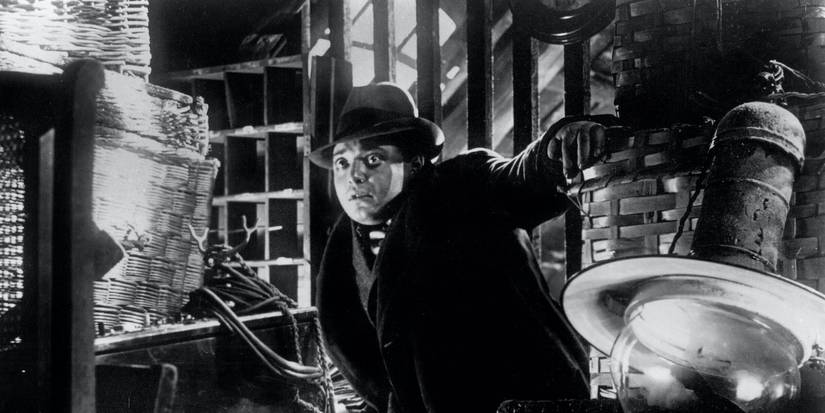
One of the first procedural dramas to reach cinemas was 1931’s M. Directed by Fritz Lang in his first sound film, M tells the story of Hans Beckert (Peter Lorre), a serial killer who preys on children. Becoming the prime focus of a Berlin manhunt with an M marked on his back, his despicable crimes earn the ire of the city, and he is soon targeted by others in the seedy underworld. On the run from both cops and criminals, Beckert rushes into a tense, panicked attempt to escape justice.
Inspired by the real-life “Vampire of Düsseldorf” case from 1929, M reflected the era’s social anxiety. The film revolutionized filmmaking, introducing sophisticated sound techniques and establishing the language of the modern thriller. For Lang, it served as a departure from his previous films, focusing on sound, silence, and visual storytelling to create intense psychological suspense, a major departure from the dialogue-heavy talkies. One of the most brilliant aspects was the usage of a musical leitmotif to identify our killer, using the evocative “In the Hall of the Mountain King.” Through German expressionism and societal commentary, M was a film leagues ahead of its time, establishing how thrillers would be made.
‘The Maltese Falcon’ (1941)
<source media="(max-width: 1023px)" data-srcset="https://static0.colliderimages.com/wordpress/wp-content/uploads/2024/12/screenshot-2024-12-19-at-2-02-39-pm.jpg?q=70&fit=crop&w=825&dpr=1" srcset="https://static0.colliderimages.com/wordpress/wp-content/uploads/2024/12/screenshot-2024-12-19-at-2-02-39-pm.jpg?q=70&fit=crop;amp;width:825;&amp;amp;amp;amp;amp;amp;amp;amp;amp;amp;amp;amp;amp;amp;amp;amp;amp;amp;amp;amp;amp;amp;&&&&&&&&&&&&&&&&&&&&&&&&&&&
[nospin]Here you can find the original article. The photos and images used in our article also come from this source. We are not their authors and they have been used solely for informational purposes with proper attribution to their original source.[nospin]
[INPUT_HTML_END]