
Let’s discuss one of the most prevalent myths in fashion: the notion that the hourglass figure is the norm. You’ve heard it. You’ve seen it. However, the reality is that only 8% of women naturally possess that shape. Yet, this remains the standard many brands use to create clothing. This disparity between fantasy and reality is why plus size fashion sizing continues to disappoint numerous shoppers, leaving plus size women with limited options and frustrating shopping experiences.
So, what occurs when your body doesn’t conform to that narrow mold? You end up with clothes that pinch in uncomfortable areas, gape where they shouldn’t, and fail to celebrate your shape. This disconnect between fashion fantasy and real-world bodies is at the heart of many fitting room frustrations, and it’s time we addressed it.
Let’s break it down.
The Reality Check: Who Are We Designing For?
The average American woman wears a size 16 to 18. This isn’t a guess… it’s based on a study published in the International Journal of Fashion Design, Technology and Education. Yet, many brands still cap their sizes at 14 (if we’re fortunate). This leaves a significant portion of the population with limited options, particularly regarding fashionable clothing rather than merely functional attire.
And let’s not even begin to discuss the runways. At Fashion Week for Autumn/Winter 2023, only 0.6% of models were plus size (US 14+). The majority of looks, over 95%, were presented in sizes US 0 to 4. This isn’t just out of touch; it’s deliberate exclusion.
Plus Size Fashion Sizing Isn’t Just About Scale… It’s About Shape
This is where the fashion industry often gets it wrong. You can’t simply “make a size 4 into a 24” by scaling up measurements. Our bodies don’t grow in that manner. Real curves, rolls, hips, and bustlines don’t adhere to a mathematical formula. That’s why “extended sizing” frequently misses the mark; it’s not just about size but also about proportion.
Two women can wear a size 20 yet have entirely different body shapes. One may carry more weight in her hips, while another may carry it in her bust. Therefore, we need designers who comprehend fit for all types of curves… not just those trained on a straight-size block.
Yes, Plus Size Fit Models Exist and They’re Crucial
Let’s debunk another myth while we’re at it. Yes, there are plus size fit models, and they are the unsung heroes ensuring clothes actually work for larger bodies.
They evaluate the fit, movement, comfort, and drape of garments before they ever reach the sales floor. Without them, you end up with awkwardly tight arms, baggy busts, or waistbands that roll down every time you sit. Does this sound familiar?
Research supports this: when plus size shoppers see bodies resembling theirs, they are more inclined to purchase and feel confident about their choice. Yet, most brands still depend on one “ideal” fit model that does not represent the majority of their customers. It’s no surprise that fit is such a mess.
The Try-On Game That Never Ends
Shopping as a plus size individual means navigating an exhausting maze of size charts, guesswork, and returns. Some women order multiple sizes hoping one will fit while others avoid shopping altogether due to the emotional toll being too high.
And when it comes to special occasion wear? Forget about it. Sample sizes in boutiques rarely exceed a size 10; thus larger plus size customers either cannot try anything on or spend extra time and money altering something that kind of fits.
The Cost of Being Left Out
We hear all sorts of excuses: it’s too costly to grade for plus sizes, demand isn’t sufficient, or it’s too “complicated.” However, the numbers tell a different story.
The global plus size market was valued at $114 billion in 2023, with projections indicating continued growth. This isn’t niche; this represents the majority. Brands that persist in ignoring this market? They’re not merely missing out on profits… they’re forfeiting customer loyalty and cultural relevance.
When Fit Fails, Confidence Suffers

This issue transcends returns and hemlines. When an entire industry behaves as though your body doesn’t exist or shouldn’t exist, it erodes your confidence. Studies indicate that over 60% of models are advised to lose weight, with more than half engaging in disordered eating behaviors. The message is clear: fit in or be left out.
For many individuals, fashion represents more than mere clothing; it symbolizes how we present ourselves to the world. It serves as our armor, our identity, our joy. When we cannot access it, that inflicts pain.
There’s a Better Way
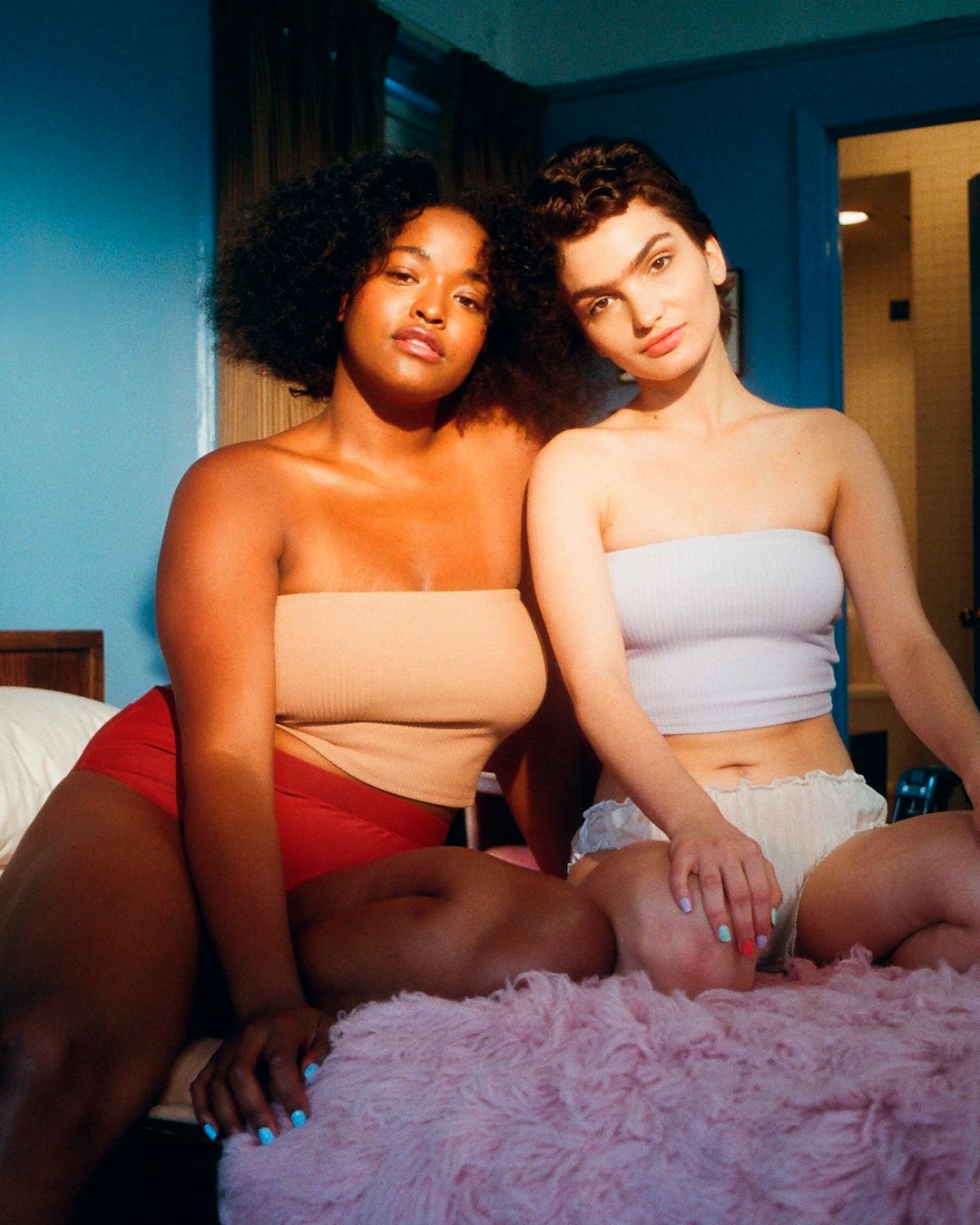
Certain brands are finally beginning to understand this issue. They are hiring plus size fit models, utilizing flexible fabrics, offering adjustable sizing options, and designing with genuine proportions in mind. They are investing in technology such as 3D body scans and virtual try-ons. They are listening <em>and</em> learning.
However, let’s be clear: genuine change isn’t merely about adding a few extra sizes and labeling it “inclusive.” It involves integrating body diversity into every aspect of the process; from product development to marketing to who gets to walk the runway.
It’s Time to Design for All of Us
Fashion doesn’t need to alter our bodies; it needs to correct its bias. Two-thirds of American women are plus size. We deserve more than mere scraps; we deserve beautiful, well-crafted clothing that fits our bodies… not just resized versions of someone else’s.
If you want our money? Provide us with clothing that respects our curves.
If you want our loyalty? Show us bodies that resemble ours.
If you want our attention? You have it… now take action.