

Key Insights
- Body Language: Confident body language communicates authority and presence before you even speak.
- Posture Importance: Standing tall with relaxed shoulders conveys self-trust and leadership.
- Eye Contact: Maintaining eye contact shows clarity and confidence, enhancing connection.
- Intentional Movement: Walking with purpose and intention reflects assurance and comfort in your space.
You already know this feeling. You walk into a room, and something clicks, or it does not. People look up. Conversations pause. Energy shifts. And no, it is not always about the outfit, the hair, or the latest trend. Often, it is about confident body language and how fully you allow yourself to be seen. Before you say a word, your body has already told a story. The good news is that the story is editable.
Somewhere along the way, many of us were taught that being called cute was a compliment. And sometimes it is. But when what you are actually going for is authority, magnetism, or undeniable presence, cute can feel like a soft dismissal. The difference between cute and captivating is rarely about size. It is about how you move, how you hold space, and how comfortable you are taking up exactly as much room as you need. Confident body language changes how people read you, long before they decide what they think about your body.
Stand Tall Without Apologizing
Posture is the original confidence cue. When you stand upright with your shoulders relaxed and your head level, you communicate self-trust instantly. Studies in social psychology suggest that expansive postures are associated with higher perceptions of confidence and leadership, both internally and externally. This does not mean rigid or forced. It means grounded.
Think about the last person who walked into a room and immediately commanded attention. You probably remember their energy before you remember their outfit. That is posture doing its job. Confident body language begins with allowing your body to exist fully without shrinking or folding inward.
Try this as a reset. Stand with your feet hip-width apart, take a deep breath into your belly, let your shoulders drop down and back, and lift your chest just slightly. That is not performative. That is alignment. When you stop physically apologizing for your presence, people stop expecting you to.

Eye Contact That Holds the Room
Eye contact is one of the most underestimated tools of confident body language. Holding someone’s gaze communicates clarity, assurance, and interest. It says you are present, you are listening, and you are not looking for permission to be there.
Many of us were socialized to look away quickly or soften our gaze to appear polite or agreeable. But steady, relaxed eye contact is not aggressive. It is grounded. It creates a connection and signals confidence without saying a word.
You do not need to stare. Aim for comfort, not intensity. Hold eye contact while listening, glance away naturally, then return. When someone feels seen by you, their focus shifts away from your body and toward your presence. That shift matters.
Let Your Hands Speak Too
Hands tell stories. When your hands are hidden, clenched, or constantly fidgeting, they signal discomfort. Open, expressive gestures signal confidence and ease. Confident body language includes allowing your hands to move naturally and take up space.
Using your hands while speaking reinforces your message and draws attention to your words rather than your body. People who gesture freely are often perceived as more persuasive and engaging. The key is intention, not exaggeration.
Notice where your hands go in conversation. If they constantly reach for clothing or disappear into pockets, try keeping them visible and relaxed. Rest them on a table. Gesture outward. Let them support what you are saying. It is a subtle shift with an outsized impact.
Walk as You Belong There
The way you walk through space sends immediate cues about confidence. A rushed, hesitant walk communicates anxiety or self-doubt. A steady, purposeful walk communicates assurance.
Walking with intention does not mean moving slowly or dramatically. It means grounding each step, keeping your head up, and moving as though you know where you are going even if you are still figuring it out. Confident body language shows up in how you enter rooms, cross streets, and approach groups.
Practice at home if it helps. Walk across your space with your shoulders relaxed and your pace even. Feel your feet connect to the floor. That muscle memory carries over into public spaces more than you think.
Stop Smiling on Autopilot
Smiling is lovely. But smiling constantly can dilute your presence. When people default to smiling to appear approachable or non-threatening, it can unintentionally signal uncertainty.

Captivating presence comes from range. Let your face reflect curiosity, focus, amusement, or seriousness when appropriate. This emotional variation adds depth and authority. People are drawn to those who feel real rather than rehearsed.
You do not need to eliminate your smile; just let it arrive naturally. A genuine smile paired with confident body language carries far more weight than a constant one.
Sit Like You Mean It
How you sit communicates just as much as how you stand. Perching on the edge of a chair or collapsing inward suggests discomfort while sitting fully in your seat suggests confidence and ease.
Place both feet on the floor; let your back rest against the chair; allow your arms to rest naturally. Take up the space your seat offers without apology; confident body language is not about dominance but comfort in your own presence.
In meetings or social settings, choose your seat intentionally; avoid automatically shrinking or deferring; you are allowed to occupy space without earning it.
Your Voice Is Part of Your Body Language
Voice projection is physical; when your posture collapses, so does your voice; when aligned properly, it carries naturally.
Breathing deeply into your diaphragm supports vocal clarity and confidence; this does not mean being louder but being heard without strain; a single grounding breath before speaking can shift your entire delivery.
Confident body language supports confident speech; when your body believes that what you say matters, so does your voice.
The Power of Stillness
Stillness is underrated; constant movement or fidgeting can distract from your message while stillness communicates comfort and control.
You do not need to freeze; simply reduce unnecessary motion; when stillness exists people focus on your face and words; that focus changes how they perceive you.
Practice pausing; let silence exist; stillness creates gravity.
Presence Changes Perception
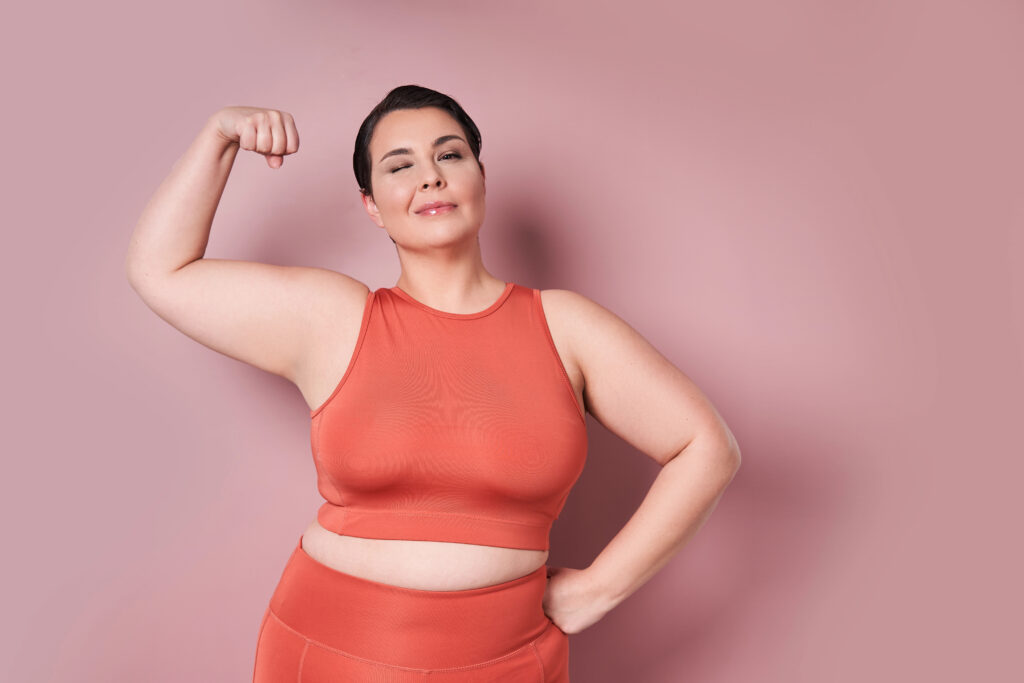
Beyond posture and gestures lies presence; this occurs when you stop fighting against yourself and start inhabiting fully within yourself; when you allow yourself to exist without minimizing or performing differently than who you are people respond differently.
Confident body language does not involve pretending but rather alignment; when internal self-trust matches external cues people feel it deeply.
This presence becomes magnetic because it remains grounded; it signifies that you are not here merely to be tolerated but rather here to participate actively.
From Trying to Being
Initially confident body language may seem intentional which is normal; over time it becomes embodied practice turning into habit transforming effort into ease.
Confidence develops through repetition alongside self-acceptance rather than perfectionism; some days will feel stronger than others but the goal should never be flawlessness but familiarity with one’s own power instead.
Why This Matters
Changing how one moves alters how one feels; research indicates that posture alongside body language influences mood along with self-perception creating feedback loops between mind-body interactions; standing tall enhances feelings of confidence while feeling confident encourages standing taller still!
This shift from cute towards captivating grants others permission for similar transformations especially within plus-size bodies conditioned towards shrinking which represents quiet revolutions!
Confident body language does not erase identity but amplifies it instead! When individuals cease attempts at disappearing opting instead for full presence others take notice—not due solely because physicality altered but due instead towards enhanced presence!
So next time entering any room try implementing one small shift—hold eye contact slightly longer sit fully within chairs walk intentionally observe what changes occur chances remain high exceeding expectations!