
Key Insights
- Sustainable Practices: Curvy fashion brands prioritize sustainability by using recycled or organic materials to reduce environmental impact.
- Circular Fashion: Many curvy fashion labels support circular fashion through resale programs and upcycling initiatives.
- Inclusive Sizing: A growing number of ethical brands are offering stylish options for plus-size consumers, challenging the fast fashion norm.
- Ethical Supply Chains: Curvy fashion consumers demand transparency and fair labor practices from brands, promoting higher industry standards.
Promotes Sustainable Practices
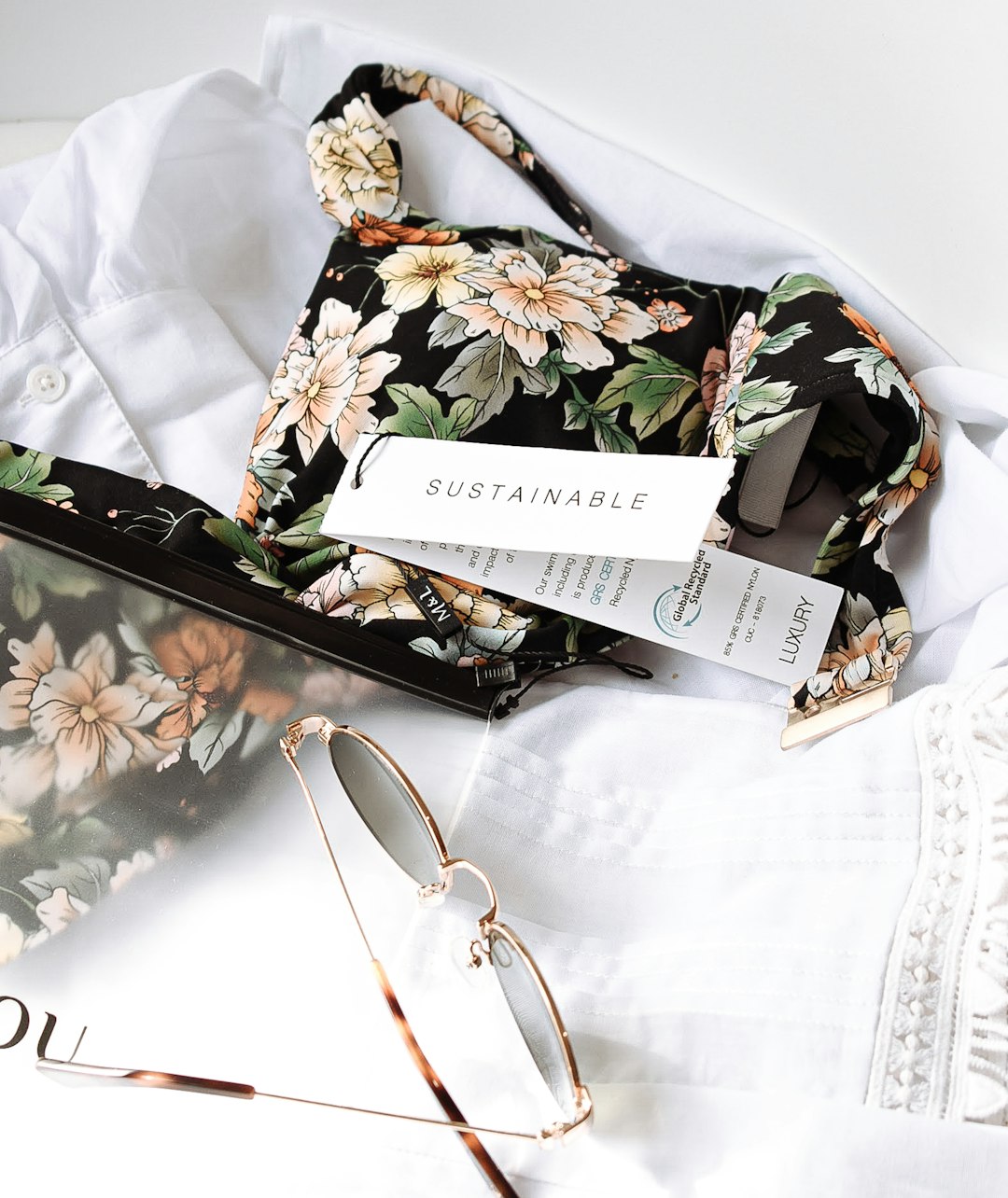
Fast fashion is responsible for about 10% of global carbon emissions and generates massive textile waste. Curvy fashion brands that prioritize sustainability – often using recycled or organic materials – help reduce this environmental burden.
By offering durable, thoughtfully designed pieces, they counter the waste-heavy model of throwaway trends.
Supports the Circular Fashion Movement

Circular fashion emphasizes reducing waste by extending garment life through reuse and recycling. Many curvy fashion labels participate in resale programs or encourage repairs and upcycling, aligning with this eco-conscious model.
These efforts help combat the fast fashion cycle of “take-make-dispose.”
Fosters Inclusive Sizing in Sustainable Apparel

Historically, sustainable fashion brands have overlooked plus-size consumers due to design complexity. Now, there’s a growing number of ethical, size-inclusive brands stepping up to close that gap.
These brands challenge fast fashion’s one-size-fits-all mindset by offering stylish, eco-friendly options for all bodies.
Encourages Longevity Over Disposability
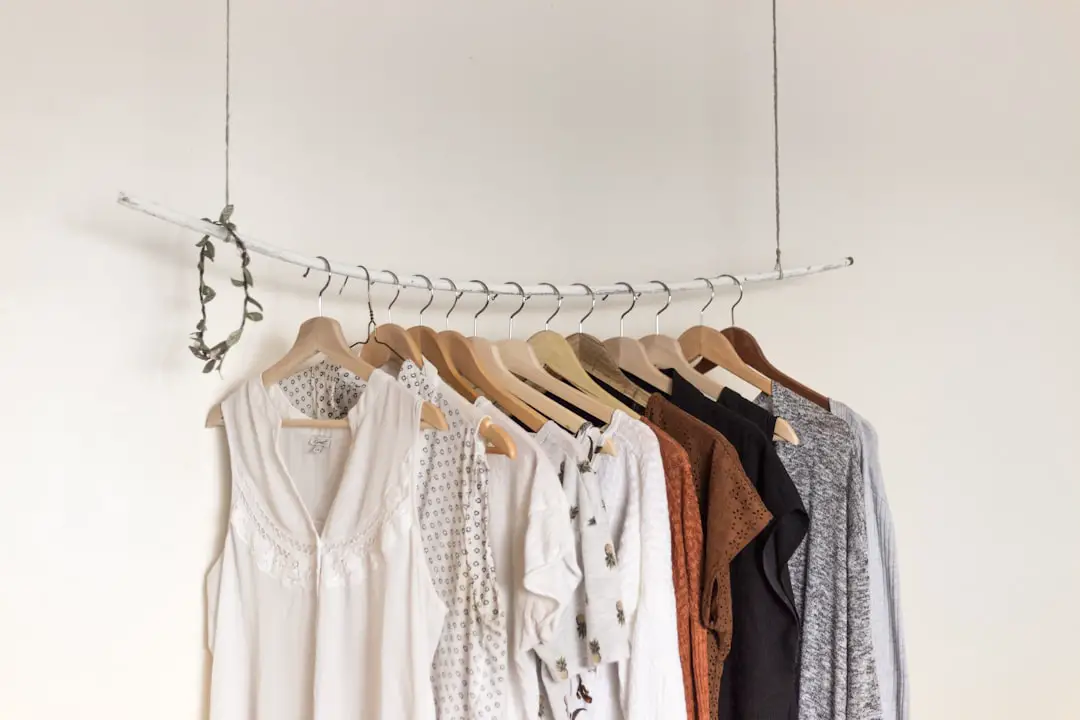
Fast fashion garments are often worn just seven times before being discarded. In contrast, curvy-focused brands typically prioritize quality and fit, encouraging customers to hold onto pieces longer.
This shift fosters a more sustainable mindset about clothing and style.
Drives Demand for Ethical Supply Chains

Curvy fashion consumers often demand transparency and fairness in production. Brands that meet this demand adopt fair labor practices and traceable materials, which directly counters fast fashion’s labor exploitation and pollution.
These higher standards help elevate industry norms.
Expands Market Access for Underrepresented Bodies

With increasing demand, the plus-size sustainable fashion market is growing rapidly, especially in North America and Europe. As more curvy individuals seek eco-conscious options, brands are responding – making sustainability both inclusive and accessible.
This creates pressure on mainstream fashion to evolve.
Reduces Microplastic and Resource Footprint

Fast fashion heavily relies on polyester and synthetic fibers, contributing significantly to microplastic pollution. Curvy fashion labels that use natural, biodegradable fabrics reduce this environmental harm.
Choosing better materials means fewer plastic fibers entering waterways.