
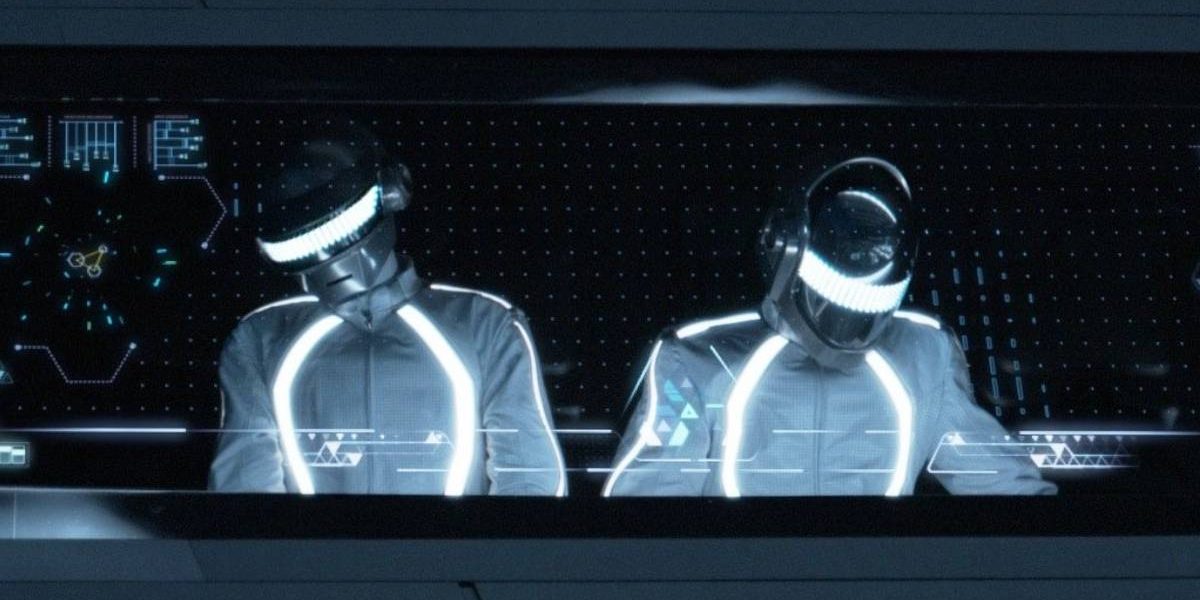
It’s unfortunate that you can rank all the Daft Punk albums, as ranking implies that all their work is complete. The duo, consisting of French musicians Thomas Bangalter and Guy-Manuel de Homem-Christo, officially broke up in 2021, with their last release being back in 2013. While this wasn’t hugely surprising at the time, it remains disappointing for fans hoping for another album from Daft Punk.
So, while it’s sad that their albums can be ranked, that’s what the following intends to do. The definition of a “Daft Punk album” will be slightly expanded here. The duo released four studio albums, which are included below, along with two live albums that remix and reinterpret recognizable Daft Punk tracks in interesting and sometimes radical ways, and one noteworthy soundtrack album. Thus, there are seven collections of music categorized as albums, ranked from good to great (there isn’t really anything by Daft Punk that comes close to being genuinely bad).
7
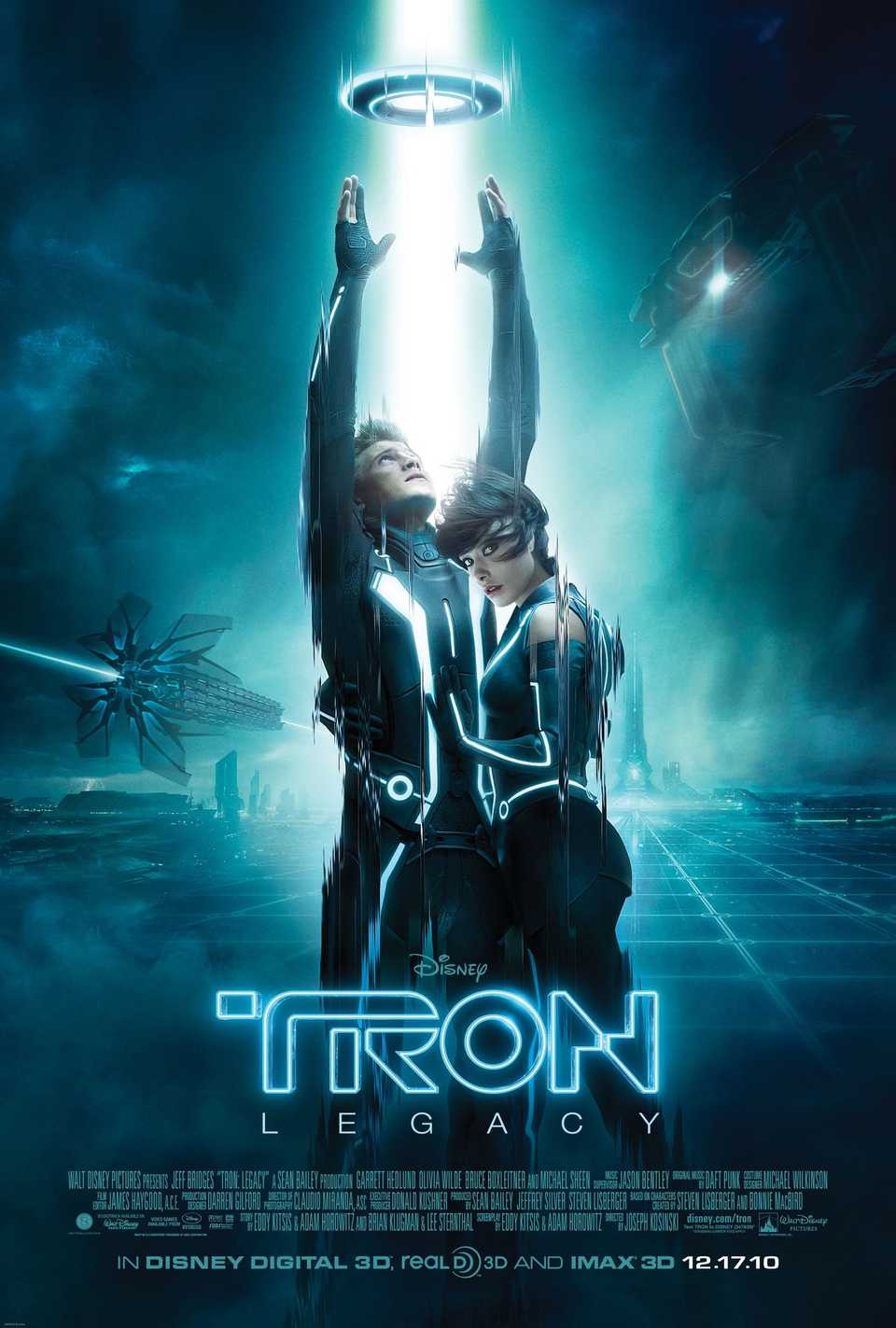
‘Tron: Legacy (Original Motion Picture Soundtrack)’ (2010)
With Tron: Legacy (Original Motion Picture Soundtrack), it’s often considered the best and most memorable aspect of Tron: Legacy (though the movie did feature some interesting sci-fi visuals, its story was rather lackluster). However, this soundtrack is the closest thing Daft Punk has to a weak release. Note “closest thing.” It is not bad at all; as a score, it is quite good, and certain tracks do enhance the movie itself, but it’s also challenging to enjoy as more than just a score.
Some scores can be appreciated without the accompanying visuals, and while there may be some enjoyment to be found in the Tron: Legacy soundtrack without the film, it may not meet expectations. Additionally, the movie isn’t great, so even a good score can only do so much (apologies to the 17 Tron fans out there). It’s commendable that Daft Punk created this soundtrack; it’s decent but arguably the least interesting Daft Punk-related project to listen to on its own.
6
‘Alive 1997’ (2001)
Alive 1997 serves as a cool historical document of sorts, recorded after their first studio album’s release but not officially released until 2001 after their second studio album. More on those later since they are both at least somewhat better listening experiences than Alive 1997. However, this album holds value for capturing how Daft Punk sounded live early in their careers before they achieved international fame.
By 1997, they had gained some popularity in France due to their first studio album’s success. Their second album was a significant leap in popularity. Discussing either album now is slightly ahead of things. However, Alive 1997… well, it’s good. It stands out as one continuous track lasting just over 45 minutes, making it difficult to discuss individual moments. Recognizable tracks are present but are all mixed together in a way that’s certainly interesting to listen to if you’re a fan of Daft Punk’s early (and comparatively rougher) first studio album. It offers a novel and energetic way to revisit some of that material.
5
‘Human After All’ (2005)
In some respects, Human After All shares a similar vibe with the Tron: Legacy score but is more structured as an album (obviously) and thus more listenable. It’s somewhat divisive among Daft Punk fans because it leans more minimalist and repetitive compared to that legendary 2001 album that established Daft Punk’s fame. However, if you approach it without expecting something akin to Discovery 2.0, you might discover much to appreciate here.
As its own album, Human After All represents a refreshing change for Daft Punk and demonstrates that the duo was never inclined to merely repeat themselves.
Human After All may be one-note, but that note is a good one. It becomes easier to appreciate after hearing how some songs were reworked in Daft Punk’s second live album. As its own work, however, it is acool change of pace for Daft Punk and shows they never intended to simply replicate their past successes. It also aligns spiritually with the unique arthouse film from 2006 titled Electroma, which Daft Punk directed but did not star in—despite the lead characters resembling them in their iconic outfits.
4
‘Homework’ (1997)
Even more so than Human After All,Homework is raw and minimalist but in an especially cool and novel way for its time. It feels more approachable than the divisive nature of Human After All, even though it’s considerably longer at nearly 75 minutes compared to that album’s 45-minute length. The singles likely contribute to this appeal sinceHomework is renowned for featuring hits like “Around the World” and “Da Funk,” which effectively established Daft Punk’s style early on.
The more approachable tracks don’t seem designed for radio play like some songs from two soon-to-be-mentioned Daft Punk albums do, but that’s acceptable. This album showcases a darker and more mechanical side of the duo without being as robotic or harsh asHuman After All. It likely strikes a better balance than that 2005 release while also highlighting how there are more similarities between it andHomework, which some fans might overlook.
3
‘Alive 2007’ (2007)
This top three was particularly challenging to rank since all albums from this point onward are incredible and historically significant. Nevertheless,Alive 2007 is positioned as the “worst” among these best albums. It stands out as an extraordinary live album—possibly one of the best across any genre—remixing songs from Daft Punk’s first three studio albums (with many fromHuman After All) into new arrangements.
The reworking ofHuman After All‘s songs enhances appreciation for that earlier release because they sound superior here. The combinations with tracks fromDiscovery, through various mash-ups… create transcendental experiences. More thanAlive 1997,Alive 2007‘s energy illustrates how incredible it would have been to witness Daft Punk live. Every piece on this recording was captured during a single night—anyone who attended might have experienced one of the greatest concerts ever held. Fortunately, this performance can still be enjoyed today by those who missed seeing Daft Punk live during their active years.
2
‘Discovery’ (2001)
If we’re honest,Discovery likely ranks #1 in most people’s minds—be they die-hard fans or casual listeners—since almost everyone enjoys at least some aspect of this duo’s work. This album boasts iconic singles that have left an indelible mark on music history. There’s a strong argument thatDiscovery‘s tracklist containsthe three best songs ever released by Daft Punk: “One More Time,” “Digital Love,” and “Harder, Better, Faster, Stronger.”
The impact of these tracks is timeless—“Aerodynamic” also deserves mention—and while “Too Long” may have been too lengthy at exactly ten minutes for single status, it’s still remarkable. A potential critique lies in having four standout tracks front-loaded at the beginning of the album while “Too Long” closes it out—between these highlights are several songs ranging from good to very good but perhaps not quite reaching greatness in this writer’s opinion as a dedicated fan of Daft Punk. Despite this middle section being less exciting overall,You’re still left with an impressive overall rating for this album—9 out of 10 or higher—even if its center isn’t as thrilling.
1
‘Random Access Memories’ (2013)
The pinnacle achievement is undoubtedlyRandom Access Memories. This is regarded as Daft Punk’s finest work—a sentiment I stand firmly behind. Perhaps this perspective has evolved post-2021 now knowing thatRandom Access Memorieswould serve as something akin to a farewell for Daft Punk or simply due to time allowing for reflection on how significant this work truly was beyond merely capturing the essence of its era in 2013.
This album perfectly encapsulated nostalgia while resonating with listeners who might now feel reminiscent about those times—if you find yourself longing for early memories from the decade prior or if you’re starting to view the early 2010s as “the good old days,” giveRandom Access Memoriesa fresh listen—you might be surprised by its sound and emotional depth.
The pacing is superior compared toDiscovery, with tracks #9 and #10 (“Beyond” and “Motherboard”) being where things slow down slightly—but even these moments work beautifully following an incredible middle section filled with outstanding tracks (#5 through #8). The closing track “Contact” delivers an euphoric experience that’s often underrated.The opening tracks set an ideal tone with “Give Life Back to Music” followed by “Giorgio by Moroder.” Everything sounds fantastic here—this album represents an incredible evolution of Daft Punk’s sound largely due to its collaborators while ensuring none overshadowed their unique influence as a duo.This truly is an exceptional album deserving endless praise.