
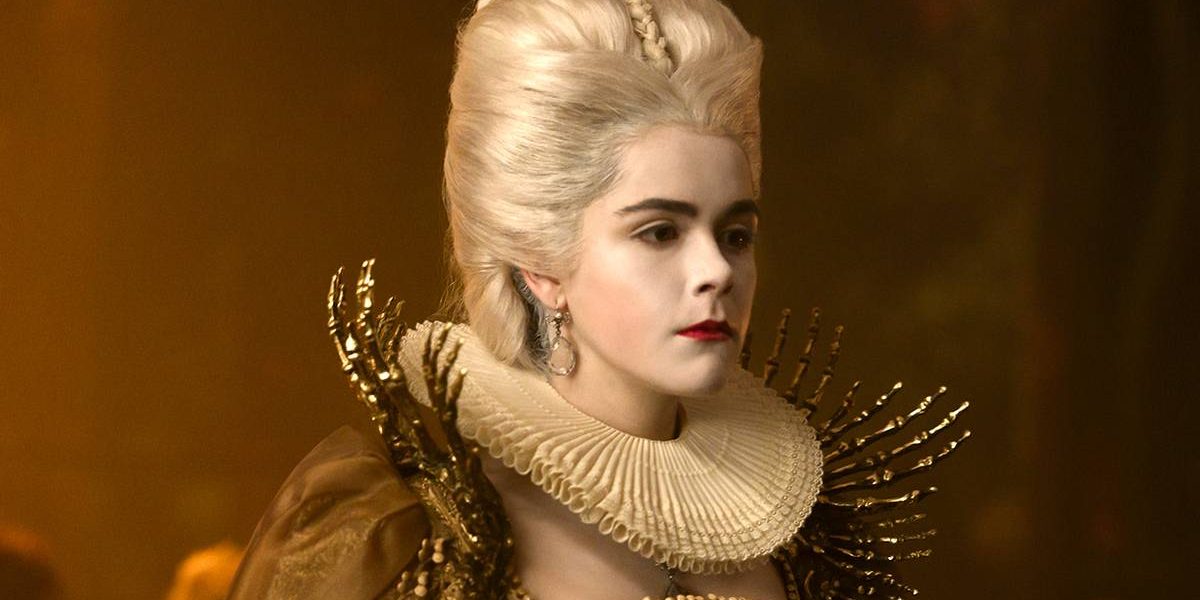
When <em>Chilling Adventures of Sabrina</em> debuted on Netflix in 2018, it was not a gentle introduction. This series was bloody, loud, and openly weird from the start, featuring goat imagery, Satanic rituals, and a teenage protagonist who defied the norms around her.
This bold approach paid off. After years off the air, Sabrina is reconnecting with its audience. Following its cancellation by Netflix in 2020, Sabrina has accumulated 41.5 million hours of viewing time over a six-month period, indicating that viewers are actively choosing to watch Sabrina rather than relying solely on nostalgia.
What to Know About ‘Chilling Adventures of Sabrina’
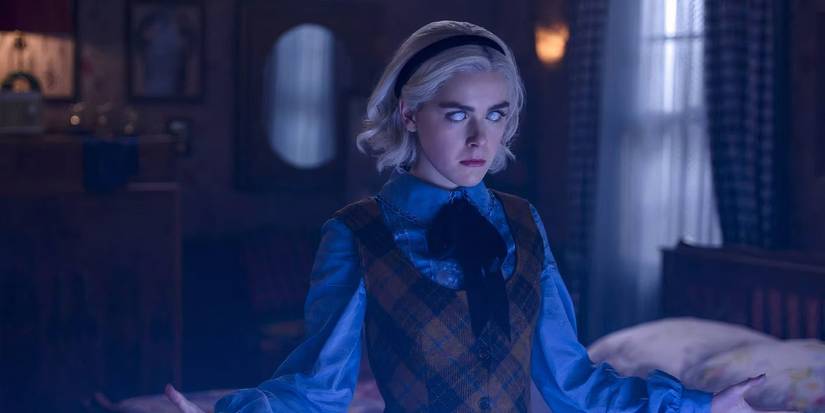
Roberto Aguirre-Sacasa’s series follows the journey of Sabrina Spellman (Kiernan Shipka), who, being half-witch and half-mortal, navigates both realms while residing in the eerie town of Greendale. Although it may initially appear to follow a standard coming-of-age narrative, it delves into a more profound conflict often experienced during adolescence — the struggle for individual power versus the challenge of independence from parents or adults.
Sabrina is raised by her aunts Zelda (Miranda Otto) and Hilda (Lucy Davis), lives above a funeral home, and juggles typical high school drama with her studies at the Academy of the Unseen Arts. From the outset, the series establishes that witch society is not a glamorous escape. It is rigid, patriarchal, and harsh — and throughout the series, Sabrina actively resists these constraints.
This resistance provides the early seasons with their intensity. The show does not merely use witchcraft as decoration; it employs it to explore themes of obedience, tradition, and authority.
Why the First Two Seasons of ‘Chilling Adventures of Sabrina’ Hit So Hard
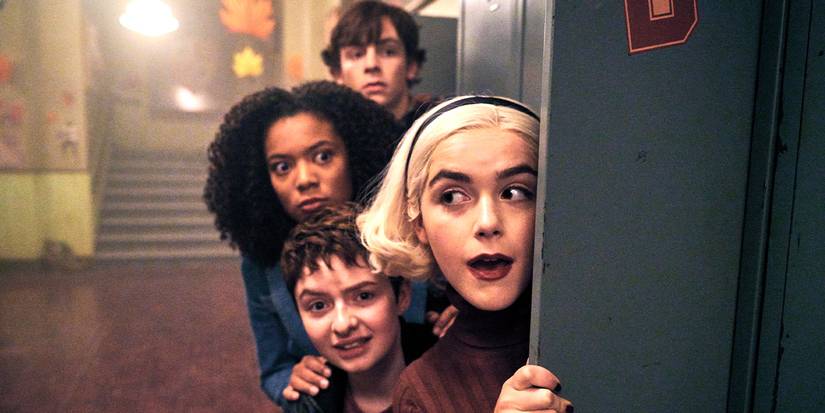
The strongest moments of Sabrina occur early on when the mythology is still being established and the stakes feel personal. Sabrina’s confrontations with the Church of Night — and later Father Blackwood — provide focus for the show. The horror elements feel intentional rather than merely ornamental.
Shipka’s performance carries much weight here. She portrays Sabrina as impulsive and headstrong, occasionally to her detriment, which prevents her from becoming a typical chosen-one archetype. Surrounding her is a talented cast. Otto and Davis anchor the series as Zelda and Hilda, while Michelle Gomez’s Lilith emerges as one of the show’s most intriguing characters, constantly adjusting her own survival strategies. The show also strikes an effective balance early on between monsters and rituals alongside school dances, friendships, and complicated relationships. The coexistence of these elements results in its best moments.
Netflix Had One of the Best Fantasy Series Ever, but Cancelled It After 2 Seasons and Outraged Fans
There was so much more to adapt!
As each season progressed, the narrative increasingly addressed broader themes such as power struggles within Hell, pagan invasions, musical numbers, and apocalyptic threats. This shift began to overwhelm the storyline, with many plots accelerating too quickly for proper development. For some viewers, this change was enough to break their engagement with the show. The feminist tensions that characterized earlier seasons became diluted as the Churches of Night disintegrated, hindering character-driven storytelling that had previously resonated with audiences.
Conversely, some viewers appreciated this evolution as Sabrina embraced its own chaos. Once it stopped pretending to be grounded, it became more playful, campy, and willing to take risks — even if those risks did not always succeed. Part 4’s Eldritch Terror structure is chaotic yet memorable. It is uneven at times and can be confusing but remains ambitious, offering inventive moments even when its narrative struggles to cohere.
Why the Cancellation Still Stings
Netflix announced that Chilling Adventures of Sabrina would conclude with Part 4 in 2020, despite receiving positive reviews and maintaining a loyal fanbase. Like many cancellations on Netflix, this decision stemmed from internal strategy rather than any visible shortcomings. This is what makes its continued popularity so painful. Sabrina has not been forgotten quietly. Viewers continue to watch it even now. The series demonstrated that there was indeed space on Netflix for dark, female-led genre shows that embraced strangeness and confrontation.
The series did not always succeed in its ambitions. However, when it did work well, Chilling Adventures of Sabrina felt audacious in ways few teen fantasy shows manage to achieve. This is why its abrupt ending still resonates years later — and why those 41.5 million hours are significant.

Here you can find the original article; the photos and images used in our article also come from this source. We are not their authors; they have been used solely for informational purposes with proper attribution to their original source.[nospin]







