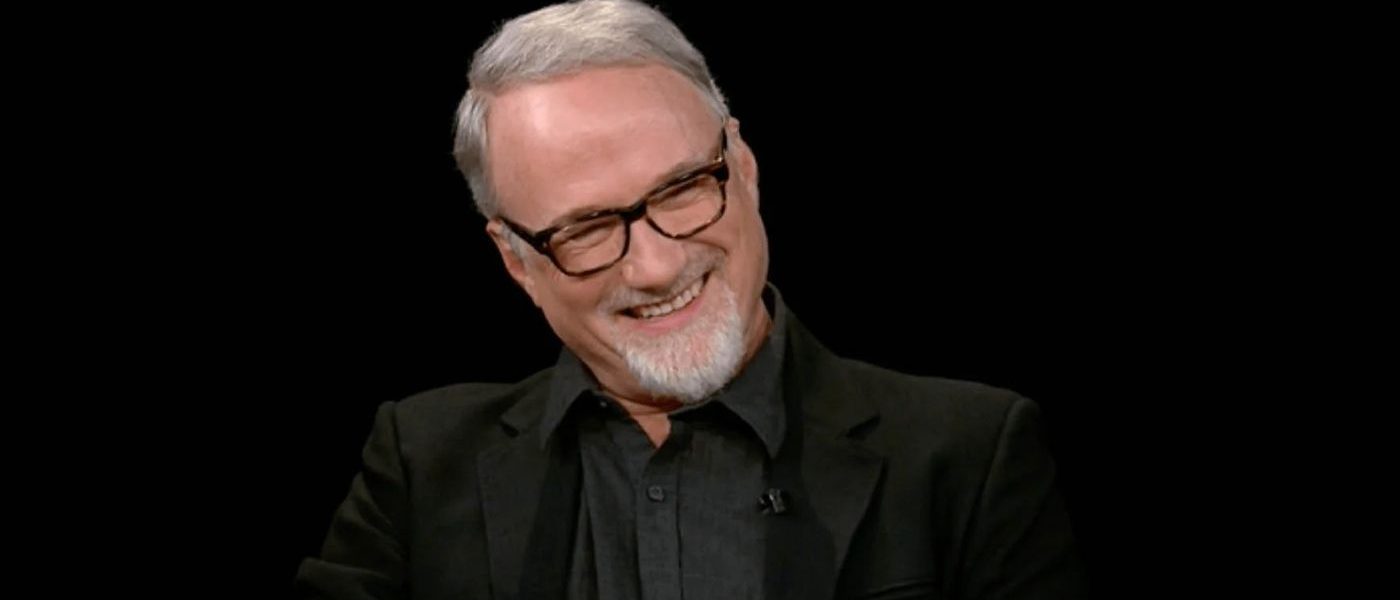

Renowned filmmaker David Fincher has profoundly impacted the cinematic landscape, directing iconic films such as <em>Se7en</em> and <em>Fight Club</em> during the 1990s. His artistic evolution has solidified his status as one of the most influential directors of the 21st century. Notably, The New York Times recognized him three times on its list of the best films of the past 25 years for diverse projects that showcase his range; Zodiac, a meticulous serial killer thriller, The Social Network, a modern commentary on social media’s rise, and Gone Girl, a satirical portrayal of media obsession. While Fincher has exciting film projects on the horizon, his transformative role in redefining the television industry in the 21st century deserves recognition.
Prior to Fincher’s groundbreaking collaboration on House of Cards for Netflix, the idea of a celebrated cinematic director venturing into what was perceived as a “lesser” medium was nearly inconceivable. Although filmmakers like Curtis Hanson and Jay Roach occasionally produced content for HBO, a clear divide persisted between the film and television industries. Traditionally, projects crafted for theatrical release were deemed more artistically valid. However, Fincher created a pathway for streaming platforms to gain serious traction, ultimately producing some of the most compelling work of his career for television.
How David Fincher Revolutionized Television
While Lilyhammer holds the title of the first original streaming series on Netflix, it was House of Cards that marked a significant milestone in the entertainment industry by effectively utilizing the binge-watching model. Initially, Netflix’s foray into original content was met with skepticism, as many considered the platform merely a DVD rental service. However, House of Cards thrived on creative freedom, unrestricted by traditional network constraints regarding content, episode length, or series structure. Fincher’s gamble on the binge model was high-stakes; if audiences weren’t captivated right away, the series risked fading into obscurity. Fortunately, he directed the first two episodes of House of Cards’ inaugural season, which successfully captured viewers’ attention by introducing the chilling character of Frank Underwood, portrayed by Kevin Spacey, and his Machiavellian ambitions to ascend to the presidency. Although Fincher stepped back from directing subsequent episodes, the series maintained critical acclaim as other directors emulated his distinctive style.
This strategic move by Fincher catalyzed a monumental shift in the entertainment industry, leading to the perception of television as a legitimate medium for crafting sophisticated narratives aimed at adult audiences. As Hollywood increasingly gravitated towards superhero blockbusters, the appetite for mid-budget films—which had been Fincher’s forte—diminished. It became commonplace for renowned actors to transition to television roles; shortly after the success of House of Cards, Matthew McConaughey and Woody Harrelson starred in the acclaimed first season of True Detective, while Big Little Lies assembled an all-star cast featuring Nicole Kidman, Reese Witherspoon, Laura Dern, Shailene Woodley, Zoe Kravitz, and Adam Scott. Despite his numerous Academy Award snubs, Fincher’s talent was recognized with an Emmy for Best Directing for a Drama Series for his work on the House of Cards pilot. This accolade underscores his significant contributions to television history, and he has continued to impact the medium profoundly since.
Related
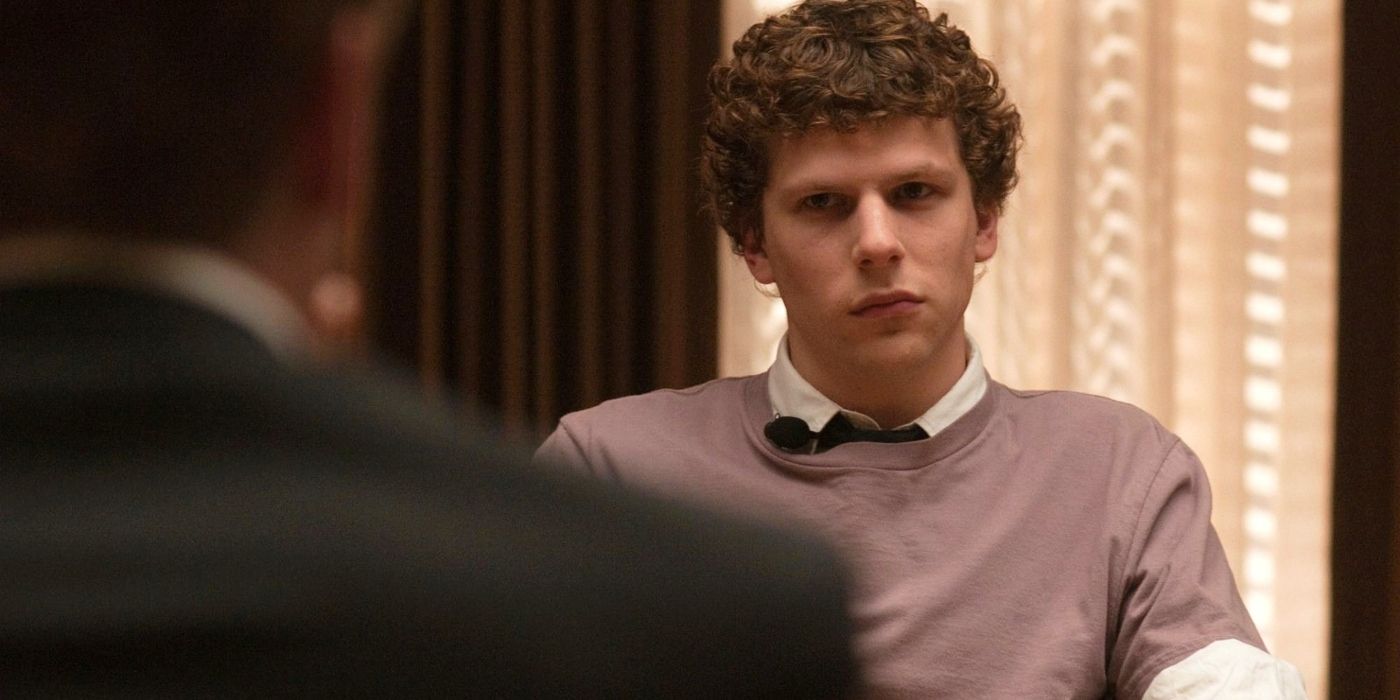
How Does ’The Social Network’s True Story Reflect the Real Zuckerberg Tale?
The David Fincher-directed feature embellished more than a few details from Mark Zuckerberg’s life.
Discover Some of David Fincher’s Most Acclaimed Work on Netflix
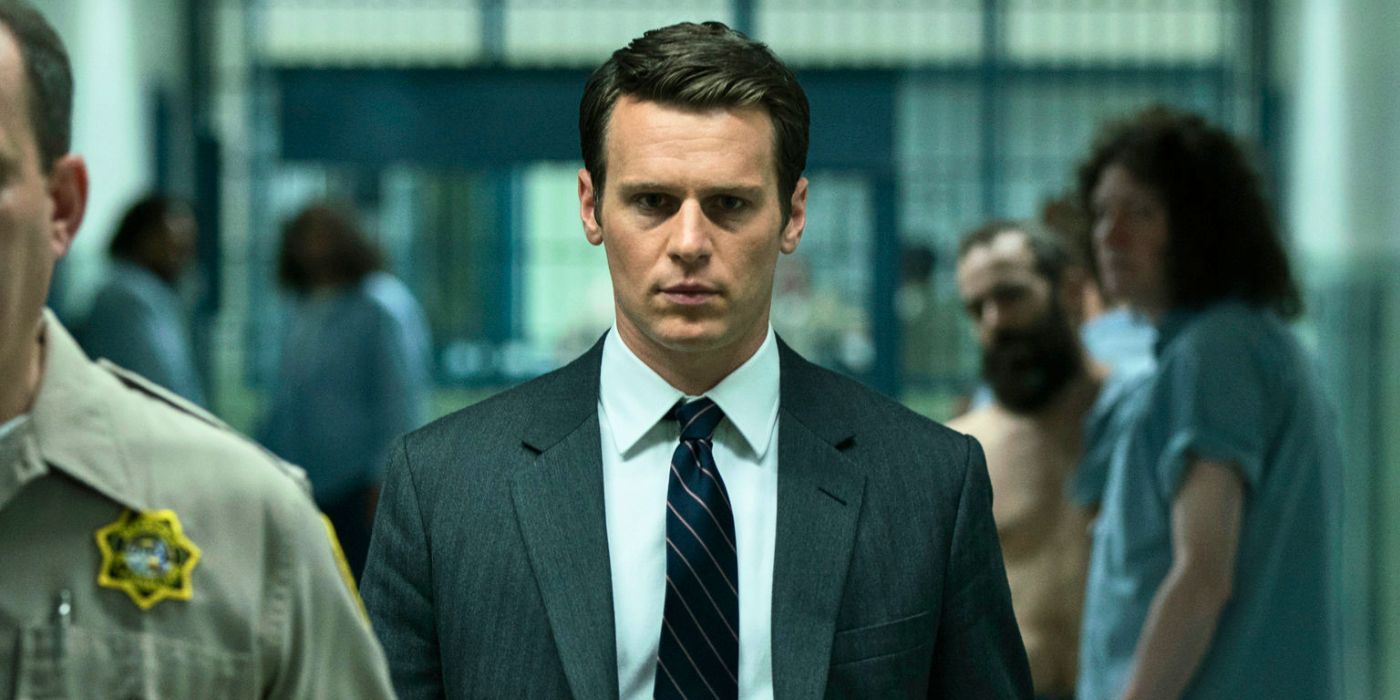
Although the quality of House of Cards declined after Fincher’s direct involvement ceased, he went on to create an even more compelling and unsettling work with Mindhunter. Mindhunter represents the culmination of a long-standing project for Fincher, who has intricately explored the psychology of serial killers in earlier films such as Se7en, Zodiac, and The Girl With The Dragon Tattoo. This series serves as a profound commentary on the genre itself, delving into the historical origins of the term “serial killer” as coined by FBI profilers and examining how, during the late 20th century, media sensationalism transformed these criminals into cultural icons. Mindhunter raises deep philosophical questions about humanity’s inherent darkness, probing themes that would be difficult to adequately explore in the confines of a standard two-hour film. The creative liberties offered by Netflix enabled Fincher to express the graphic realities of these narratives fully. This series also illustrates Fincher’s keen eye for casting; Jonathan Groff was primarily known for his musical performances in Hamilton and Spring Awakening, but Fincher recognized his potential, allowing him to deliver an unforgettable television performance as Holden Ford.
Mindhunter not only allowed Fincher to excel but also paved the way for other filmmakers to benefit from the streaming model; he was not the sole director of the show’s first two seasons. Andrew Dominik, known for his controversial films like Killing Them Softly and Blonde, directed a significant arc in the second season, which examined the public’s obsession with Charles Manson, portrayed by Damon Herriman, while also revealing Holden’s growing anxiety about his unsettling similarities with the criminals he was studying. Furthermore, the latter half of Mindhunter’s second season, entirely directed by Carl Franklin—renowned for films like Devil in a Blue Dress and Out of Time—navigated the harrowing Atlanta child murders. This storyline required a Black director to authentically address the themes of racial guilt and societal ramifications, resulting in a haunting yet essential exploration of these issues. Even if Mindhunter does not return, Franklin’s direction ensured it concluded on a powerful note.
Mindhunter was not the final project Fincher created for Netflix; Love, Death and Robots emerged as a standout “adult animated” show that breaks the mold of typical sitcoms like Family Guy or South Park. This series marks Fincher’s return to the realm of science fiction for the first time since his tumultuous experience with Alien 3. With a rumored Chinatown prequel, a potential series of Mindhunter television films, and the expected American reboot of Squid Game, Fincher has played a pivotal role in positioning Netflix as a platform that champions innovative, idiosyncratic artists who are unafraid to create bold, transgressive content. It is entirely possible that in time, Fincher’s contributions to television will surpass even the legacy of his illustrious films.
Mindhunter
- Release Date
-
2017 – 2019
- Showrunner
-
Joe Penhall
- Writers
-
Joe Penhall