Although it has been over 30 years since the Majin were first introduced in <em>Dragon Ball</em>, it is only now, nearly a year after the release of Dragon Ball Daima anime worldwide, that the franchise has resolved its biggest Majin theory.
For years, fans speculated about why Majin Buu exhibited sudden behavioral changes. While they formed their own theories, the directors of Dragon Ball Daima, Aya Komaki and Yoshitaka Yashima, have finally clarified this in their latest interview included in the anime’s booklet.
The Majin Were First Introduced Over 30 Years Ago
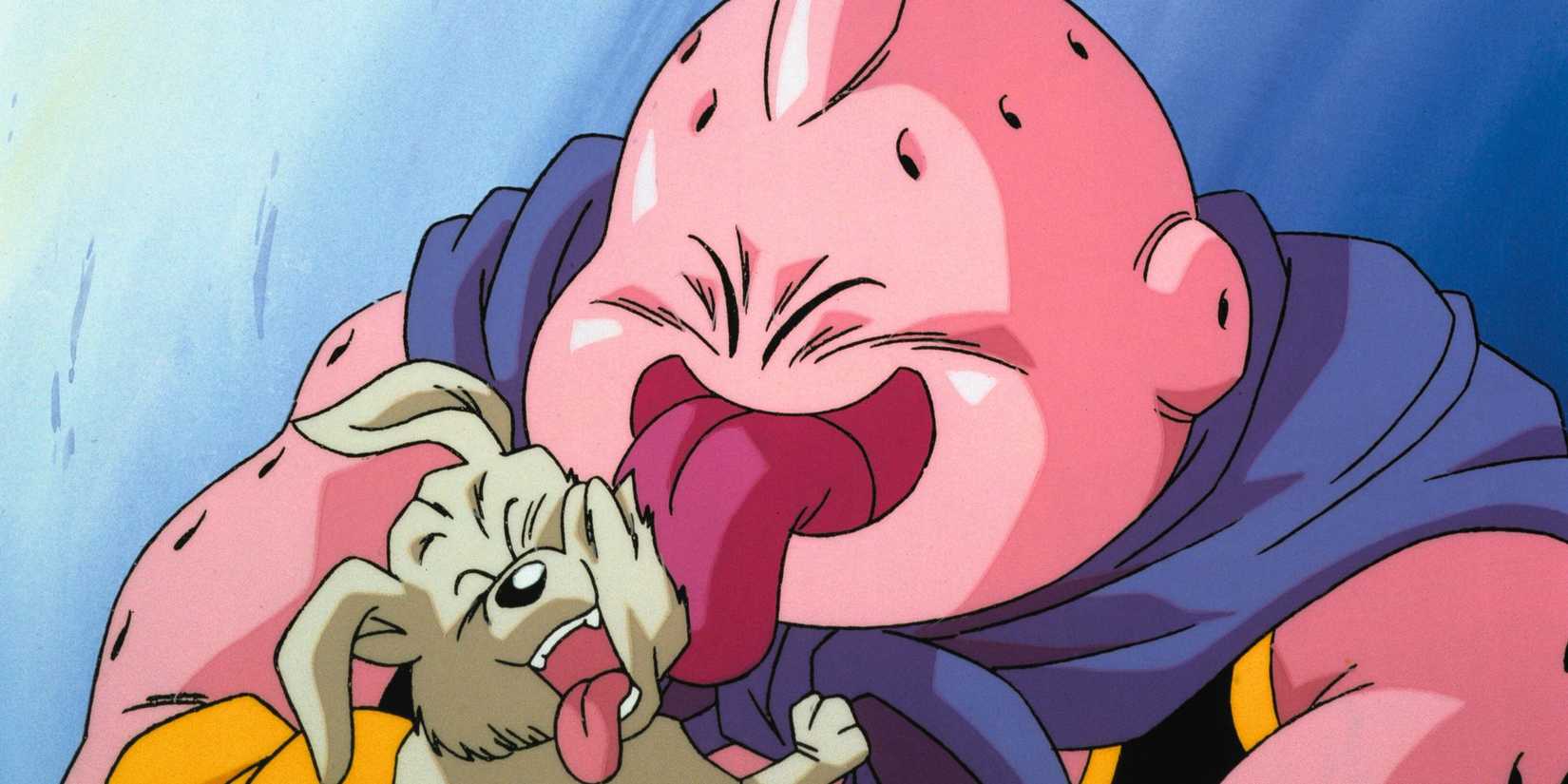
The term “Majin” was first introduced in the Dragon Ball manga in March 1994 with the introduction of Majin Buu. At that time, fans believed that the Majin were a unique species similar to Buu.
However, it was later revealed in Dragon Ball Daima that “Majin” refers to various demonic and magical beings, including the Glinds. Consequently, fans had numerous doubts about the Majin, all stemming from Majin Buu’s actions.
While fans viewed Majin Buu as evil, they also observed his tendency for rapid behavioral shifts. One moment he would be intent on fighting, and the next he would crave something sweet. Thus, both characters in the series and fans perceived Majin Buu as childlike.
After a 30-year wait, the Dragon Ball team has finally addressed the most significant Majin theory in the new booklet for the anime. The focus of Dragon Ball Daima was heavily on the Majin. Therefore, during interviews with directors Aya Komaki and Yoshitaka Yashima for the series’ booklet, they were asked about the Majin.
Dragon Ball Daima Directors Uncover the True Nature of the Majin
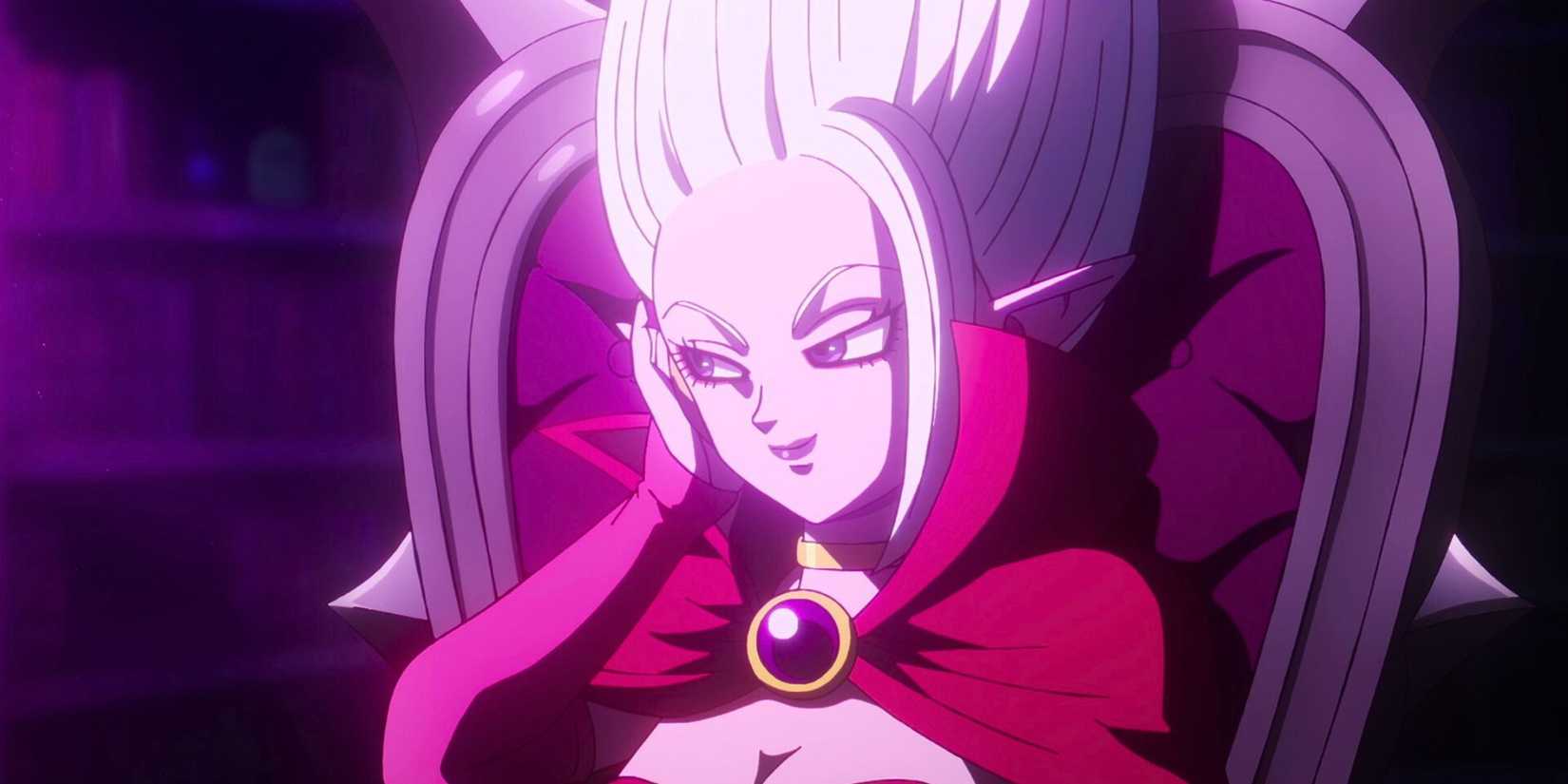
In their interview for the Dragon Ball Daima booklet, Aya Komaki and Yoshitaka Yashima explained how they received numerous instructions from late manga creator Akira Toriyama and Executive Producer Akio Iyoku regarding the anime, including insights about the true nature of the Majin.
Yashima reiterated Toriyama’s explanation about the Majin (translated):
“Majin are Majin, they are not the same beings as humans.”
Initially, Yashima shared how Toriyama clarified that Majin are distinct from human beings. Later, Komaki elaborated by explaining that a Majin’s emotions do not build up gradually like those of humans. Instead, they switch cleanly with each situation, focusing solely on their immediate feelings.
The director further used Dr. Arinsu as an example to illustrate a Majin’s behavioral changes. As fans may recall, Arinsu opposed mini-Goku’s group for a significant portion of the story. However, after battling King Gomah alongside everyone else, she held no grudge against them and appeared to have turned over a new leaf.
This clarified why Majin Buu also quickly altered his behavior based on circumstances. For years, fans speculated that this was linked to Buu’s temperament, but as revealed by Komaki and Yashima, it is all part of a Majin’s true nature.