Epic filmmaking in the 2000s saw a resurgence with significant investments in storytelling.
The best films of this era combined grand narratives with deep character development.
Many of these films are now considered classics, continuing to gain recognition over time.
Themes of honor, identity, and the consequences of violence are prevalent throughout these epics.
The 2000s were a defining decade for epic filmmaking, a period when studios once again committed enormous resources to stories that demanded scale, spectacle, and emotional weight. Advances in visual effects made ancient worlds, vast battlefields, and lost civilizations more immersive than ever, but the best epics of the era understood that size alone wasn’t enough.
The strongest of them combined their sweeping historical or mythic backdrops with layered characters and intimate emotional journeys. These are the best epic movies of the 2000s, serving up big set pieces, along with interesting themes of honor, faith, empire, identity, and the cost of violence. Many of them are now considered classics, and their standing can only keep improving.
10
‘Troy’ (2004)
Achilles (Brad Pitt) in battle on a beach in Troy (2004)Image via Warner Bros.
“Immortality! Take it! It’s yours!” Troy is a glossy, muscular retelling of Homer’s Iliad that leans heavily into physicality and spectacle. It dramatizes the Trojan War through the rivalry between Achilles (Brad Pitt) and Hector (Eric Bana), while weaving in political ambition, personal pride, and doomed romance. It was directed by Das Boot‘s Wolfgang Petersen, who is to be commended for his ambition (though there are some narrative stumbles here).
Firstly, Troy is overlong, trying to cram in too many events and subplots, and the theatrical cut is a little awkward at times. Some critics also took issue with a few of its deviations from the source material. That said, there’s also a lot to praise, and it was certainly a challenging undertaking. Pitt’s performance is great, the battles are large-scale and visceral, and the mood is fittingly tragic. Still, just the fact that anyone was trying to do a big adaptation of an ancient Greek poem was pretty cool.
9
‘300’ (2006)
Image via Warner Bros. Pictures
“This is Sparta!” 300 is less a historical epic than a graphic myth brought violently to life. It recounts the Battle of Thermopylae, focusing on King Leonidas (Gerard Butler) and his 300 Spartans as they face the overwhelming Persian army. The plot is straightforward, built around defiance, sacrifice, and last stands. What makes 300 distinctive is its radical visual style. Director Zack Snyder embraces the operatic and the exaggerated, using slow motion, heightened violence, and painterly compositions to evoke legend rather than realism.
While its politics and simplifications remain controversial (and it obviously doesn’t stick closely to all the facts), the film connected with audiences, grossing a whopping $456m against a budget of just $65m. Several of its scenes became iconic, chief among them the shot of Leonidas brutally kicking an emissary into a pit. All in all, it’s a very entertaining riff on Greek military history, with an underdog spirit and an abundance of glorious mayhem.
8
‘The Last Samurai’ (2003)
“I will tell you how he lived.” At first, this movie seems a little ridiculous (an American is the last samurai?), but it’s actually a fairly reflective epic about cultural collision, loss, and adaptation. Tom Cruise leads the cast as Captain Nathan Algren, a disillusioned American soldier hired to train Japan’s modern army, only to be captured by a group of traditional samurai resisting Western influence. He lives among them, eventually developing respect for their code, customs, and worldview.
High production values and stellar fight choreography keep the viewer engaged throughout, and Hans Zimmer‘s score is fantastic (as usual). The battle scenes are sweeping and emotional, but the film’s heart lies in stillness, ritual, and moral reckoning. While framed through an outsider’s perspective, the story ultimately mourns the cost of progress. The key theme here is the tension between modernization and tradition, which culminates in a tragic final confrontation.
7
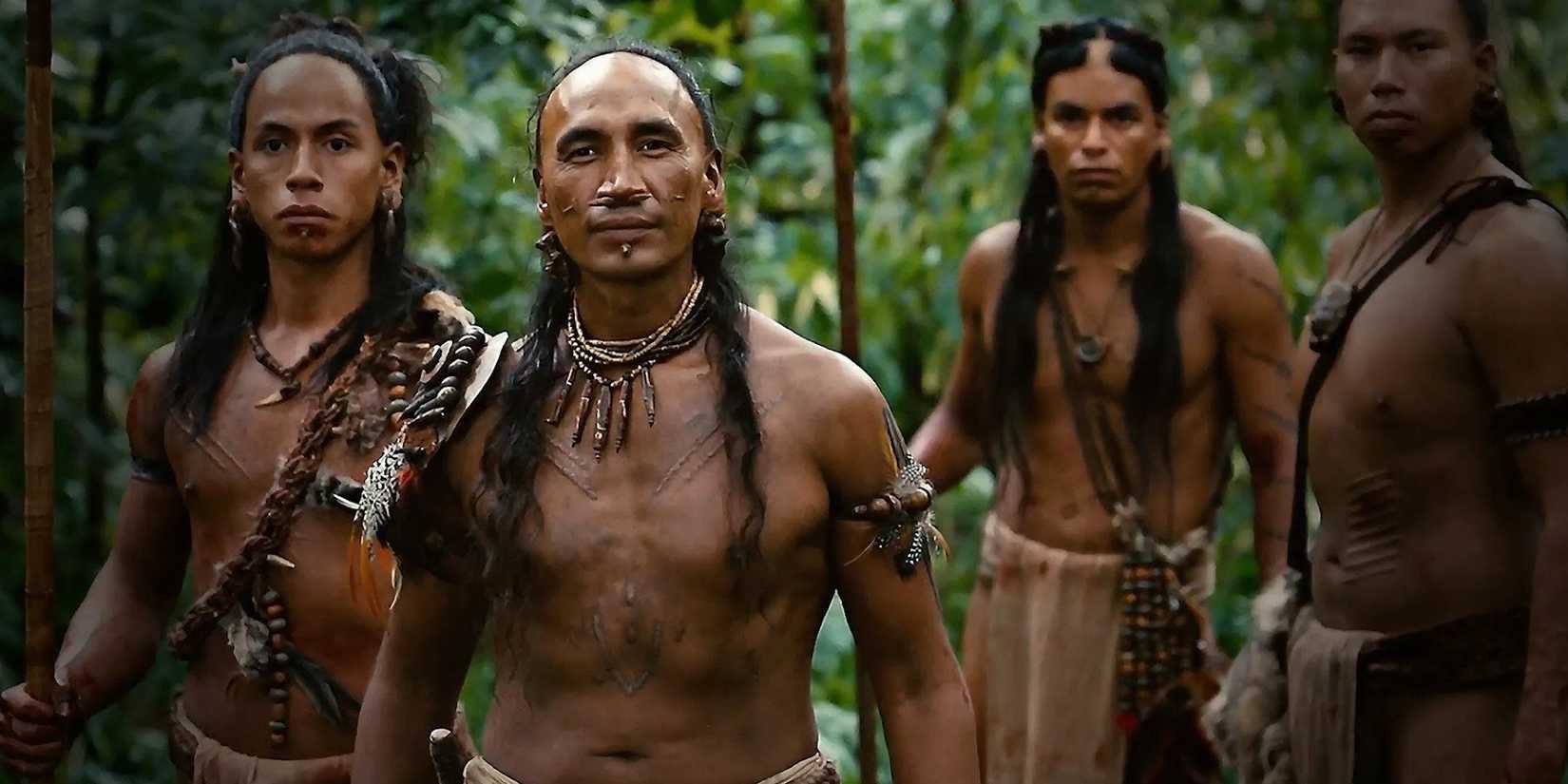
‘Apocalypto’ (2006)
Image via Icon Film Distribution
“A man does not have a destiny apart from his people.” Apocalypto is a relentless survival epic set during the decline of the Maya civilization. The main character is a Jaguar Paw (Rudy Youngblood), a young hunter whose village is violently destroyed, forcing him into a desperate flight through jungle terrain while pursued by captors. The plot is minimal but propulsive, driven by physical endurance and primal fear. There are a ton of tense, thrilling moments, including white-knuckle sequences where Jaguar Paw is literally running for his life.
Another important element that makes Apocalypto stand out from other more mediocre movies is the fact that it’s spoken entirely in indigenous languages. This bold choice significantly adds to the realism and immersion, building up to a striking final shot that reframes the story within a broader historical collapse while giving the chase mythic resonance. Many directors have since hailed Apocalypto as a masterpiece including Spike Lee, Quentin Tarantino, and Martin Scorsese.
6
‘Master and Commander: The Far Side of the World’ (2003)
source media=(max-width:767px)data-srcset=https://static0.colliderimages.com / wordpress / wp – content / uploads / 2025 /09/master-and-commander-the-far-side-of-the-world-russell-crowe-scene.jpg?q =70 & fit = crop & w =800 & dpr =1/>
source media=(max-width:1023px)data-srcset=https://static0.colliderimages.com / wordpress / wp – content / uploads / 2025 /09/master-and-commander-the-far-side-of-the-world-russell-crowe-scene.jpg?q =70 & fit = crop & w =825 & dpr =1/>
img width =1650 height =826 loading = lazy decoding = async alt =”Russell Crowe as Captain Jack Aubrey on a ship in Master and Commander: The Far Side of the World.”data – img – url =” https : // static0 . colliderimages . com / wordpress / wp – content / uploads / 2025 /09/master-and-commander-the-far-side-of-the-world-russell-crowe-scene.jpg ? q =70 & fit = crop & w =825 & dpr =1 “src =” https : // static0 . colliderimages . com / wordpress / wp – content / uploads / master-and-commander-the-far-side-of-the-world-russell-crowe-scene.jpg ? q =70 & fit = crop & w =825 & dpr =1 “/>Russell Crowe as Captain Jack Aubrey on a ship in Master and Commander: The Far Side of the World.Image via 20th Century Studios
“The lesser of two weevils.” Russell Crowe delivers a strong performance in this maritime epic as Jack Aubrey ,a British naval captain relentlessly pursuing an enemy ship across globe during Napoleonic Wars . Here , Crowe reunites with Paul Bettany , who is likewise great as ship’s surgeon . Movie stands out with its attention to process . Battles are chaotic brutal , but much drama unfolds routine hierarchy moral decision-making .
The ship itself becomes floating world governed by tradition necessity . Similarly , film treats empire not spectacle , but labor sustained by sacrifice. Its refusal simplify naval warfare romanticize command gives it unusual maturity . This more complex approach characteristic director Peter Weir , who also made Gallipoliand The Truman Show . Basically , Master Commanderis like anti – Pirates Caribbean , grounded fact reality.
5
‘The New World’ (2005)
< source media =( max-width :767px )data-srcset=https : // static0 . colliderimages . com/worpress/wc/content/uploaded/the-new-world-2015.jpg ? q =70& fit=crop&w=& ddr =
srcset=https : // static Pocahontas in ‘The New World’ Image via New Line Cinema
“Mother , now I know where you live.” The New Worldis historical romance from Terrence Malick , retelling story English colonists arriving Virginia , focusing relationship between John Smith ( Colin Farrell )and Pocahontas ( Q’orianka Kilcher ). As one would expect from director , narrative unfolds impressionistically prioritizing mood landscape inner reflection over conventional drama . Malick treats first contact moment fragile wonder inevitable misunderstanding.
Epic scale lies not battles but worldview collision birth new society through innocence violence . It’s poetic epic one that’s rich food thought doesn’t shove themes your face many viewers found approach little too slow ponderous in recent years appeared several rankings greatest movies all time.
“I see you.” Back in 2009, Avatarwas genuine technological watershed pioneering visual techniques had never really been seen before certainly not this scale plot pretty simple hero’s journey stuff about disabled former soldier ( Sam Worthington ) finding unexpected community alien world but world building CGI faultless.
In many ways, Avatarand its sequels are more like theme park rides than conventional movies they’re definitely not everyone’s cup tea that said one can’t help but respect James Cameron ‘ s ambition has repeatedly broken storytelling ground over course his career Avatarone prime examples that clearly clicked audiences going gross nearly $3 billion making highest-grossing movie all time.
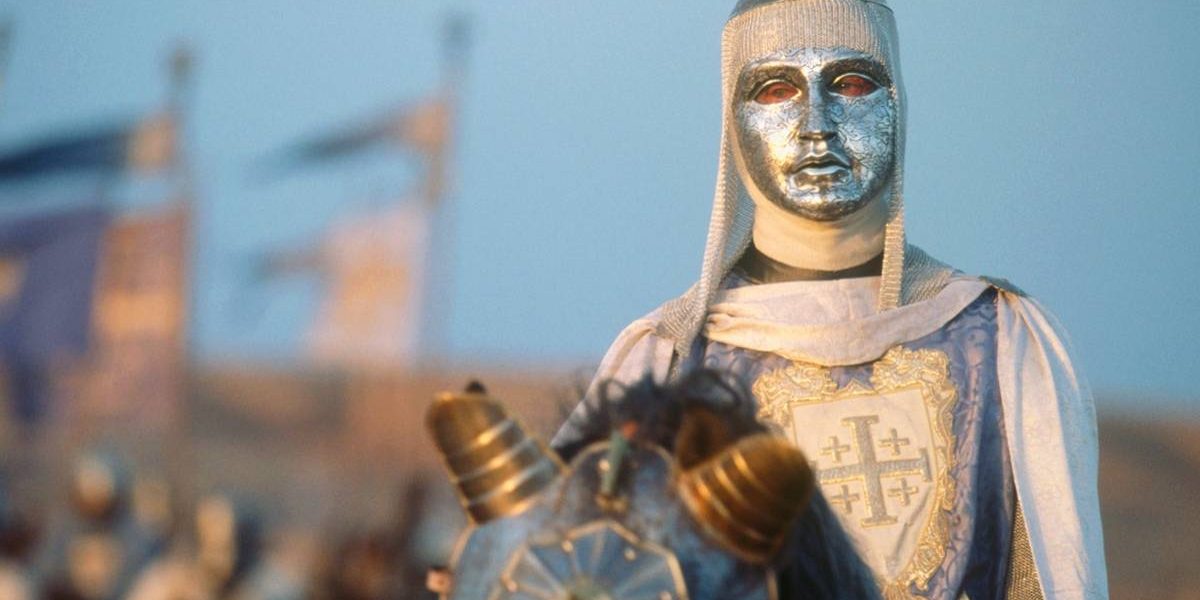
“What man man does not make world better?” Kingdom Heaven opened mixed reviews perhaps because theatrical cut little shaky perhaps because Gladiator had set audiences’ expectations too high while doesn’t rise heights Ridley Scott’s sword sandal masterpiece stilla richly textured historical epic about faith tolerance moral compromise set during Crusades film follows blacksmith ( Orlando Bloom ) rises become defender Jerusalem amid religious conflict.
The epic scale<strong serves philosophical inquiry rather than triumphalism. Battles grand but sobering emphasizing consequence over glory storytelling relatively morally complex making surprisingly serious meditation coexistence power Scott presents all sides flawed driven belief fear ambition least history buffs ought find something appreciate.
“What we do life echoes eternity.” It’s not stretch say Gladiator resurrected historical epic new generation combining operatic emotion brutal spectacle Russell Crowe turns legendary performance Roman general betrayed enslaved rises through gladiatorial ranks seek vengeance against corrupt emperor plot classical structure rooted honor loyalty revenge.
The film balances intimate grief massive set pieces allowing personal loss drive epic momentum iconic imagery rousing score cemented cultural impact while often imitated few films matched fusion mythic storytelling emotional sincerity even sequel while solid fell far short part because few actors today can recapture star power early-’00s Crowe quarter-century on, Gladiator= most influential epic modern era setting standard large-scale historical drama could achieve.
“So it begins.”The Lord Rings Two Towers= represents= epic filmmaking most complete continues fractured journey Fellowship Middle-earth descends open war plot intercuts multiple storylines building monumental Battle Helm’s Deep there’s much story here ents Uruk-hai Fellowship sundered Rohan politics Gandalf’s (= Ian McKellen) return.
The crucially,= Peter Jackson strikes careful balance emotion spectacle intimate character moments coexist seamlessly colossal battles arguably best ever filmed themes courage despair resilience woven into every scale storytelling other words,The Two Towers stands definitive epic ’00s because proves scale soul not opposing forces complementary ones handled care process set high-water mark cinematic fantasy one probably won’t surpassed who needs new fantasy epics when this one has aged so gracefully?
Sarah Parker is a research analyst and content contributor with a strong interest in business strategy, organizational behavior, and social development. With a background in sociology and public policy, she focuses on exploring the intersection between research and real-world application. Sarah regularly contributes articles that bridge academic insights and practical relevance, aiming to foster critical thinking and innovation across sectors.

.jpg?q=49&fit=crop&w=825&dpr=2)
.jpg?q=49&fit=crop&w=825&dpr=2)