

Wildfires linked to the drought have already claimed at least a dozen lives near Almeria, as reported by the BBC. What was once seen as an unusual July occurrence has now become a regular early summer event, with clothing designed for a two-week heat spike now expected to endure for months.
The 2026 heatwaves commenced on May 22, six days earlier than last year’s onset, and the trend has persisted since. June alone pushed western Europe to an average temperature 3.05 degrees Celsius above the 1991 to 2020 baseline, shattering the record set just a year prior.
Portugal and Spain experienced temperatures exceeding 46 degrees Celsius in some areas, while France approached 45 degrees in its southwest. Barcelona recorded its hottest temperature in 112 years on July 9. Climate scientists, including Weather.com meteorologist Jonathan Erdman, attribute this to an omega block, a stalled high-pressure system resembling the Greek letter, which traps hot air from North Africa over the continent instead of allowing it to disperse.
France Just Declared Bermuda Shorts an Acceptable Office Uniform
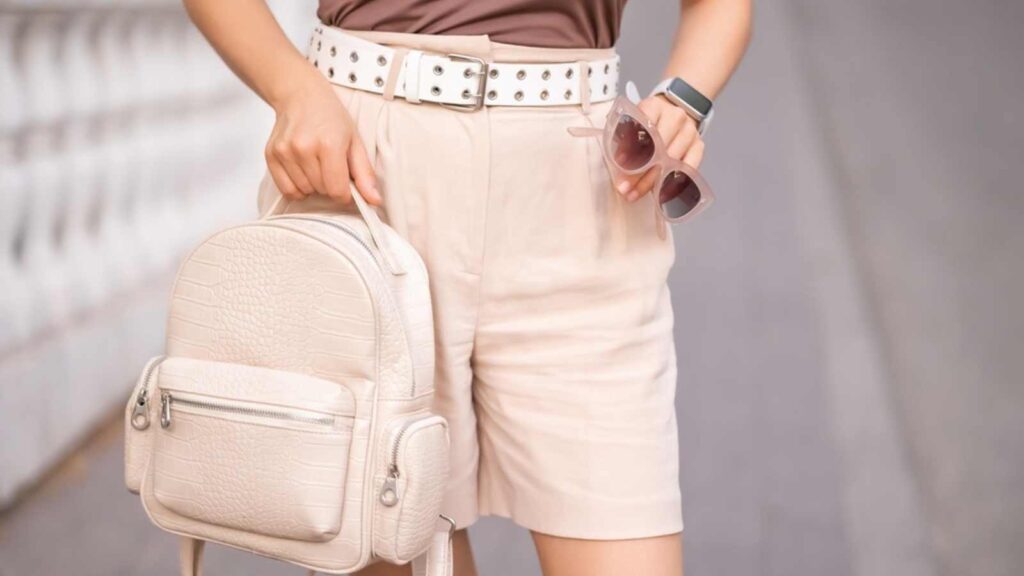
French labor minister Jean-Pierre Farandou informed workers that a tailored pair of bermuda shorts paired with a smart shirt and appropriate shoes qualifies as legitimate office attire this summer, framing the change as common sense rather than a fashion statement.
France has no labor code provision outright banning shorts, meaning the real barrier has always been cultural rather than legal. Farandou contended that the country must adapt to living as a warm European nation like Spain, Italy, and Greece already do.
Savile Row for menswear endorses shorts during heatwaves as long as they are properly cut and made from cotton.
Linen Is Winning on Function
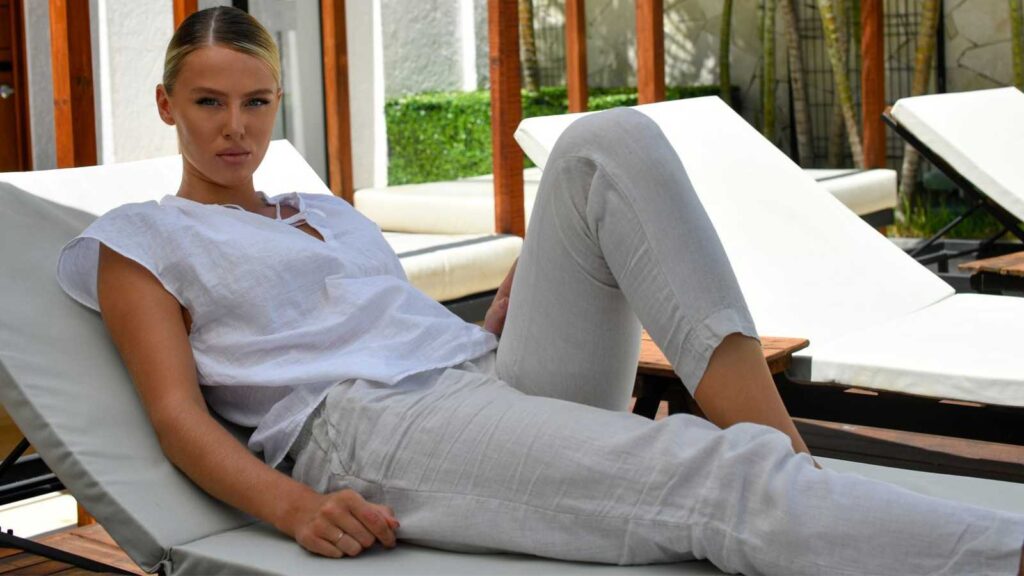
Ancient Egyptians chose linen specifically because the region’s extreme heat required a fiber that would not retain moisture against the skin. By the late nineteenth century, a light-colored linen suit had become standard for upper-class men and women across the American South, Caribbean, and Mediterranean.
The fiber’s coarse structure creates tiny air pockets that allow heat to escape rather than accumulate, which is why it outperforms tightly woven synthetics on a sweltering day.
Fashion has cycled linen in and out of favor for a century, favoring crisp cotton poplin one decade and slick synthetics the next; however, no substitute has matched linen’s thermal performance—only its appearance.
The current heat has compelled the aesthetic argument to align with the physics one; thus linen is returning to runways not merely as nostalgia but as functionality, reclaiming its rightful place.
Cooling Fabrics Are Getting Smarter
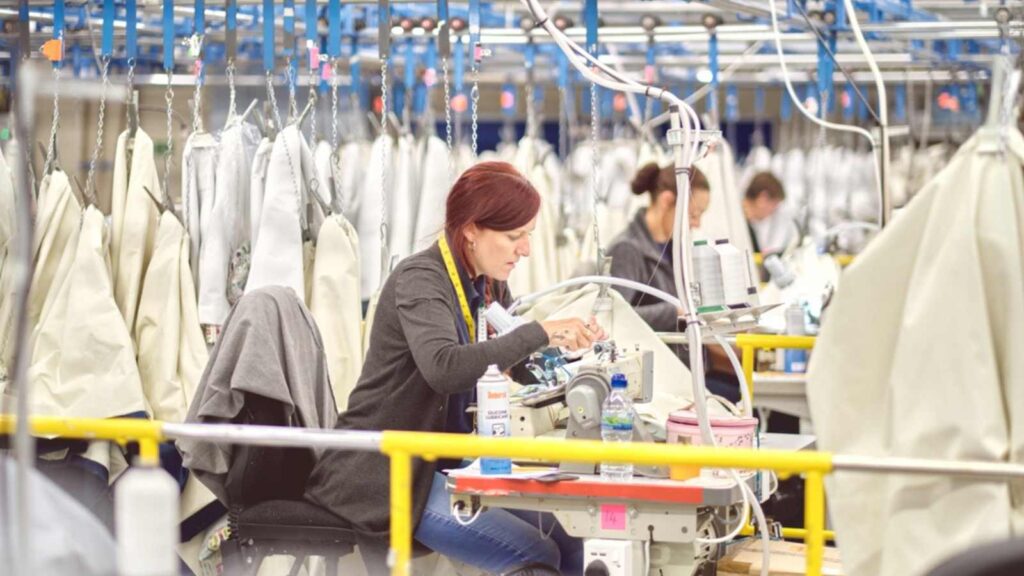
Textile engineers have spent the last two years embedding phase change materials directly into fiber structures so that garments absorb heat when the wearer is active and release it once the body cools down instead of insulating at a fixed rate like older fabrics do.
A dual-layer version published in Advanced Fiber Materials this year recorded a latent heat capacity of 137.7 joules per gram alongside a solar reflectivity of 95.1% on its cooling side—numbers that would have seemed like science fiction for beach cover-ups just five years ago.
Innovative textile and water treatment industries are turning to nanotechnology to enhance thermal performance while meeting sustainability mandates. The integration of graphene and advanced antimicrobial treatments is revolutionizing how fibrous materials manage heat transfer and water filtration across Europe.
The result is clothing that adjusts its own microclimate without any action from the wearer—a significantly different promise compared to what moisture-wicking fabrics offered.
Wide-Brim Hats Become Essential
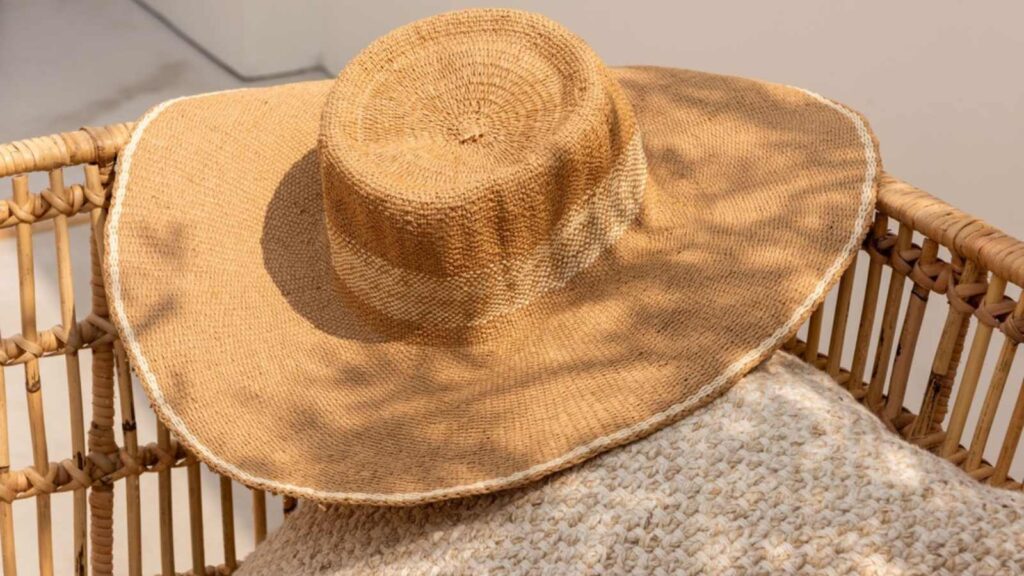
Wide-brim straw silhouettes are dominating both runway presentations and street style in precisely because they solve a problem visors and caps cannot , shading the ears and neck along with the face rather than just the eyes .
Milliners have leaned into Italian straw craftsmanship and packable paper yarn construction so that hats can survive being packed in suitcases without losing their shape , addressing practical objections that previously kept sun hats out of travel wardrobes .
A brim needs genuine width , not merely decorative curvature , to significantly reduce ultraviolet exposure to the face and scalp . This year’s versions are being constructed to meet that standard rather than merely conforming to it .
A rancher hat or boater now appears less like an outfit choice for a resort trip and more like essential gear akin to sunscreen—an integral part of any outfit .
Sunscreen Marketing Being Forced to be Inclusive

Melanoma is diagnosed at an advanced stage in 52% of non-Hispanic Black patients compared with 16% of non-Hispanic white patients.The five-year survival rate for Black patients sits near 70% against roughly 94% for white patients,based largely on later diagnoses often found on palms soles or nail beds instead of sun-exposed skin.
Public health researchers have traced part of this gap to a persistent myth that deeper melanin eliminates the need for sun protection altogether—a misconception that decades of sunscreen advertising aimed almost exclusively at fair skin did little to correct.
This myth is now colliding with heatwaves that keep people outdoors longer and a fashion industry finally producing SPF-forward pieces marketed specifically for darker skin tones rather than around them.Closing this gap is less about beauty trends than overdue corrections; this season’s heat has made it impossible to treat it as optional.
UPF Swimwear Expands for Curvier Bodies
UPF 50 fabric blocks roughly 98% of ultraviolet rays; it has finally reached plus-size swim collections at scale.Brands like Calypsa UV Skinz and Swimsuits For All are building rash guards and swim dresses in sizes up through 4XL and 5X, rather than stopping at large.
TomboyX approached this issue from a gender-neutral angle by creating a UPF 50+ rash guard tee available from extra small to 5X, without separating styles by gender.The modest swim brands have started treating coverage as an actual product rather than merely accommodating those who wanted bikinis but settled for something else.
The extended sizing arrived in technical categories long after it appeared in everyday clothing; leaving larger bodies with fewer sun-protected options during peak sun exposure months.This summer’s heat has forced sun safety and size inclusivity onto the same rack.
Oversized Fits Keep You Cooler
A loose construction allows air circulation along the skin instead of trapping heat against it; making oversized linen shirts or wide-leg trousers functional choices for larger frames rather than merely minimizing them.
The fit and proportion—not just size—determine whether garments breathe; thus well-cut oversized silhouettes with room through the body can move more air than fitted pieces half their volume.
This season’s designers focusing on curvier bodies should embrace drape and movement; proving self-expression can coexist with thermal performance.
Pale Neutrals Are Winning the Color Argument
The light colors reflect more sunlight than dark ones absorb; making cream soft beige and pale pastels genuinely cooler to wear on scorching afternoons instead of merely visually calming.
This logic clashes with Spring/Summer influences leaning toward saturated colors; Tiffany blue was crowned color of the year alongside chartreuse tomato red jewel-toned purple appearing from Prada to Chanel’s couture line.
The tension isn’t truly contradictory once designers differentiate outerwear from daytime pieces where thermal performance matters most from evening wear where bold hues rarely see direct sunlight.
The emerging trend is thus divided along functional lines; pale neutrals are favored for outdoor wear between noon and five while saturated colors are reserved for after sunset when sun damage is less likely.
The Parasol Makes a Practical Return
Queen Camilla was seen using a cream parasol for shade during her visit to London Zoo with King Charles.
The parasol shaded generations through summers without air conditioning; its decline in daily use stemmed less from ineffectiveness than indoor climate control making it seem unnecessary.
A parasol shields skin directly from sunlight which manages body temperature more effectively than fabric choice alone since direct UV exposure raises surface temperature regardless of breathability beneath it.
This return of outdoor time alongside shade being treated as infrastructure rather than an afterthought marks a revival of parasols on European sidewalks.
Sleeper’s Linen Suit Proves Coverage Can Be Sold as Luxury
The Ukrainian label Sleeper crafted its three-piece cream linen suit featuring scalloped jackets interchangeable shorts or trousers specifically designed for flexibility between scorching afternoons and cooler evenings.
This suit’s appeal counters old notions that covering more skin in heat means sacrificing style—a trade-off resort wear has been dismantling quietly over several seasons now.
The right cut fabric weight makes coverage intentional rather than protective; this shift enables sun-safe dressing to command premium pricing instead of being viewed merely as practical fallback options.
The brands successfully making protection appear luxurious rather than cautious are seizing this moment within resort wear trends.
Air Conditioning Can’t Outrun What’s Coming
Global energy demand from air conditioning is projected to triple by 2050, according to International Energy Agency’s Future of Cooling analysis.This requires new electricity capacity roughly equal to combined output of United States European Union Japan today.
Europe’s relatively low historic AC adoption is now colliding with summers regularly pushing past 40 degrees Celsius, Britain’s Trades Union Congress already called on employers relax dress codes adjust working hours rather than rely entirely mechanical cooling many older buildings never wired support.
This gap between infrastructure climate reality explains why clothing increasingly asked do more thermal work previously outsourced thermostat wardrobe regulating temperature through fabric fit shade electricity stops being style preference starts functioning backup system.
American Wardrobes Weren’t Built for This Heat
Most American closets assembled around central air conditioning car commute short outdoor exposure windows assumption held fine summer heat stayed relatively contained predictable.
Europe’s repeating heat domes melting infrastructure newly relaxed office dress codes preview version summer American cities already beginning experience own record-breaking heat waves from Phoenix Atlanta New York.
The fixes aren’t glamorous own linen over synthetic blends wide-brim hat instead sunglasses alone UPF-rated coverage sunscreen single line defense oversized cuts anything fitted warm.
Together they represent first real overhaul how American fashion thinks about heat since air conditioning made possible stop thinking about at all.
Key Takeaways
Disclaimer:This list solely author’s opinion based research publicly available information intended professional advice.
Like our content? Be sure follow us

Here you can find original article photos images used our article also come this source We not their authors they have been used solely informational purposes proper attribution their original source.
[INPUT_HTML_END]