


Spoiler alert! This article contains spoilers for The Fantastic Four: First Steps.
The Fantastic Four have experienced numerous attempts to achieve live-action success; however, many of the film’s most memorable scenes actually originated years earlier in animated formats. Fantastic Four: The Animated Series (1994–1996) was a daring, sometimes campy, yet surprisingly faithful rendition of Marvel’s First Family. This series adapted classic comic book story arcs with a vibrancy that many subsequent films later emulated closely.
The Fantastic Four: First Steps integrates Marvel’s First Family into the MCU timeline, alongside iconic characters like the Silver Surfer, Galactus, and Doctor Doom. Reflecting on this, it’s fascinating to recognize how frequently the Fantastic Four films, particularly the 2005 and 2007 Tim Story adaptations, borrowed directly from this animated series. Numerous iconic moments made their television debuts over a decade prior to their cinematic appearances.
10
Discover How The Team’s Origin Is Uniquely Presented On Television
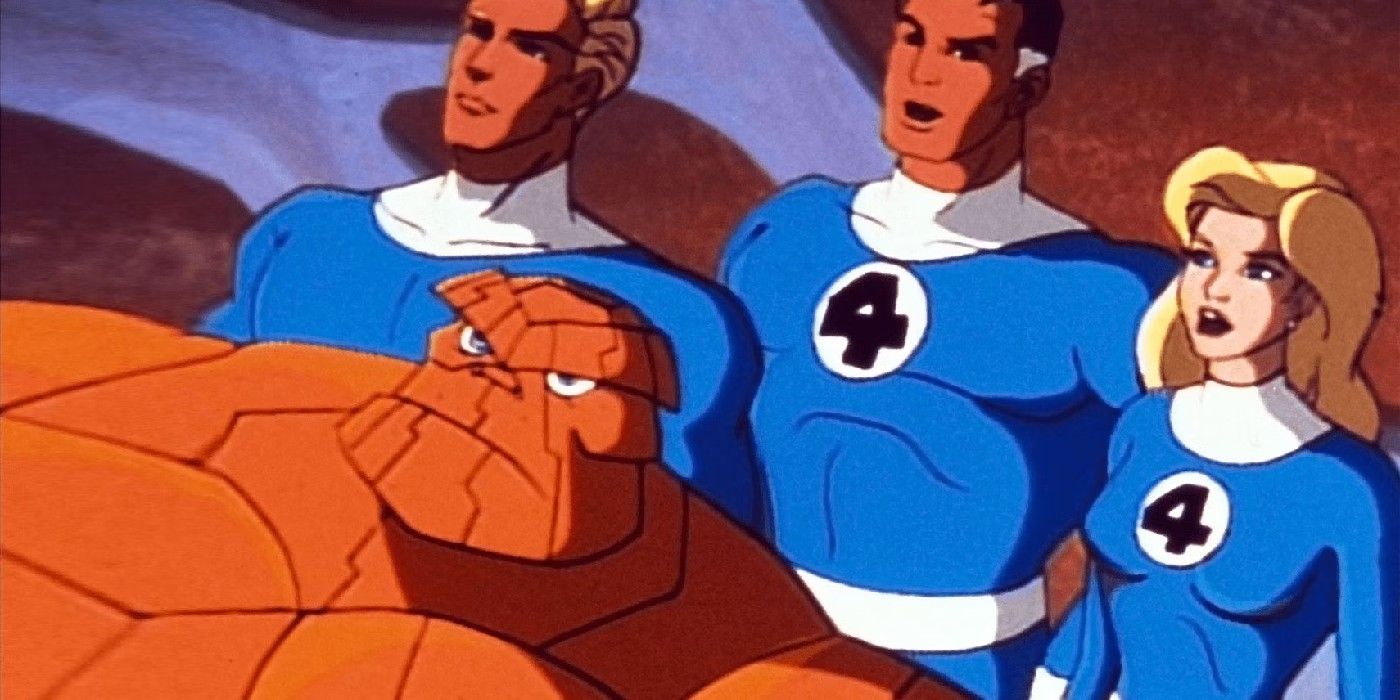
The Fantastic Four: First Steps creatively reintroduces the team’s origin story through an engaging montage. This scene unfolds during a talk show appearance on The Ted Gilbert Show, illustrating how Reed, Sue, Johnny, and Ben transformed into heroes following a cosmic storm. Fans of the ’90s series will recall a remarkably similar presentation.
In Fantastic Four: The Animated Series season 1, episode 1, titled “The Origin of the Fantastic Four, Part 1,” the characters recount their story in a public forum, but this time it takes place on The Dick Clark Show. Both adaptations choose a televised media format instead of a conventional flashback sequence.
The animated series incorporates humor and news clips to present exposition while remaining true to Marvel’s unique universe. This approach demonstrates that the concept of humanizing superheroes through public interviews predates the MCU, tracing back to Saturday morning cartoons.
9
Experience The Team’s First Mission: A Perilous Bridge Rescue
In the 2005 Fantastic Four film, the team’s inaugural public mission was a dramatic bridge rescue. When Ben Grimm unexpectedly encounters a suicide attempt, the resulting chaos leads to a massive traffic incident. Each member utilizes their unique powers to help the citizens, with Ben Grimm heroically saving a fire truck while being misidentified as a monstrous threat.
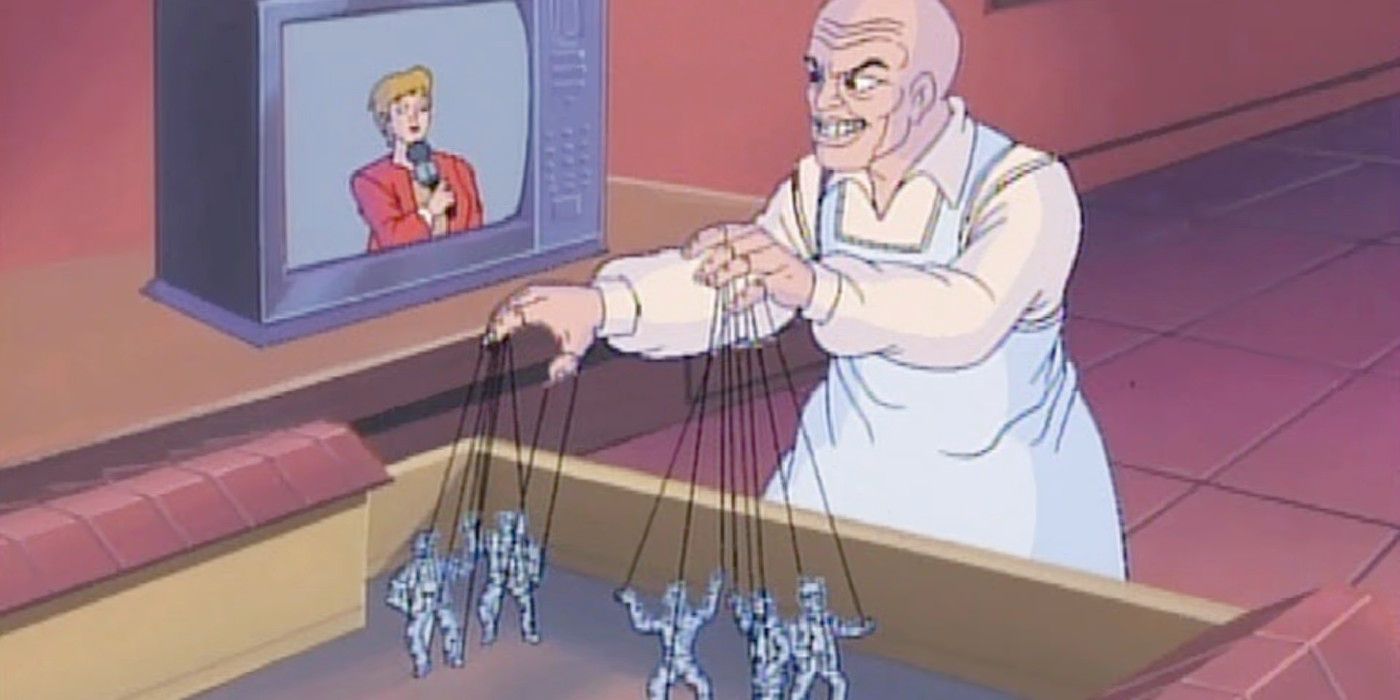
The Fantastic Four animated series pioneered this storyline, introducing a darker twist. In season 1, episode 1, titled “The Origin of the Fantastic Four, Part One,” a civilian, under the control of the Puppet Master, climbs the Brooklyn Bridge in a suicide attempt. The team rushes to intervene, navigating the chaos on the bridge while grappling with their newly acquired powers.
Both adaptations feature a pivotal incident where public fear collides with heroic deeds. The essence of the scene, encompassing chaos, redemption, and media scrutiny, remains strikingly similar. While the films may have modernized the visuals, the original emotional core of this moment was firmly established in the animated series.
8
Explore How The Thing Is Temporarily Cured
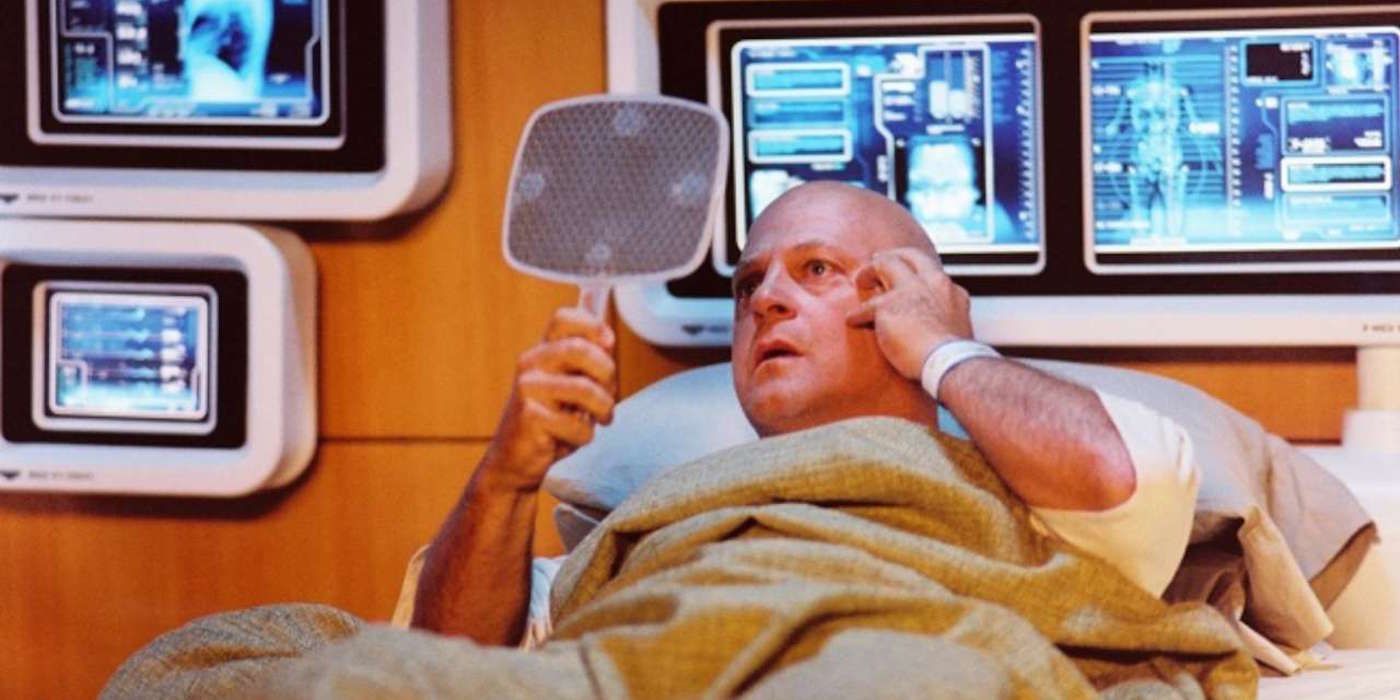
In the 2005 Fantastic Four film, Reed Richards invents a device that temporarily reverses Ben Grimm’s transformation. Subsequently, Doctor Doom exploits this technology, rendering Ben powerless. Ultimately, Ben reverts back to the Thing to rescue his friends, making a significant sacrifice of his humanity.
Fantastic Four TAS explores a nearly identical storyline in season 1, episode 2, titled “The Origin of the Fantastic Four, Part Two.” Reed creates a secret formula that could potentially cure Ben. However, after being manipulated by the Puppet Master, Ben is subjected to the formula and regains his human form.
Despite the temporary joy of his return to humanity, circumstances eventually force him to revert to his rocky form. Both adaptations emphasize the emotional weight of Ben’s condition, highlighting the sacrifices inherent in being a hero. The concept of a fleeting cure followed by a tragic necessity was depicted with equal emotional depth in the animated series long before the live-action adaptation.
7
Uncover How Silver Surfer Leads Galactus To Earth
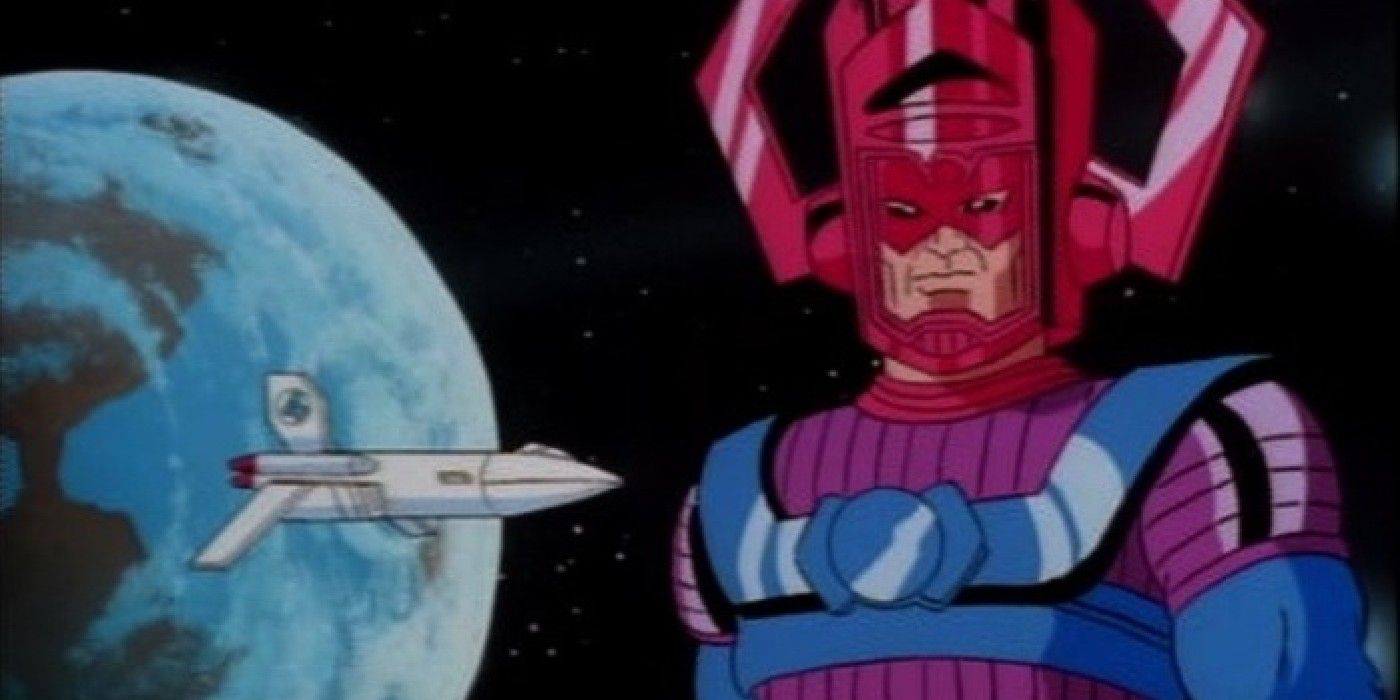
The narratives of Fantastic Four: Rise of the Silver Surfer and The Fantastic Four: First Steps center around the arrival of the Silver Surfer on Earth. In this context, he/she is portrayed as the harbinger of Galactus’ insatiable hunger for worlds. This cosmic sequence of events was first depicted in Fantastic Four TAS season 1, episode 5, “The Silver Surfer and the Coming of Galactus.”
In the animated series, the Surfer surveys Earth. He is captivated by its beauty, yet constrained by his obligations. His arrival triggers enigmatic destruction, leaving the heroes bewildered. Similar to the movie, the Silver Surfer initially functions as Galactus’ herald without disclosing his true intentions.
Both portrayals depict the Surfer as a conflicted entity, whose allegiance to his master begins to unravel as he comprehends Earth’s significance. Although the film enhanced the visual effects, the animated series effectively captured the concept and emotional tone a full decade earlier, embodying the same cosmic dread, intrigue, and character conflict.
6
Witness The Silver Surfer’s Rebellion Against Galactus

The Silver Surfer’s most impactful moment in Rise of the Silver Surfer and First Steps occurs when he rebels against Galactus. At the climax of First Steps, she turns against her master and banishes Galactus into the Fantastic Four’s wormhole, ultimately saving Earth. In Rise of the Silver Surfer, the Surfer confronts Galactus, resulting in their mutual destruction within a cosmic rift.
In the animated series, the Fantastic Four narrative covers similar territory in season 1, episode 6, titled “The Silver Surfer and the Coming of Galactus, Part 2.” In this version, the Surfer realizes Earth’s potential for life, beauty, and love – elements he had long forgotten. He implores Galactus to select another planet.
When Galactus refuses, the Surfer turns against him, instigating a battle that leads to Galactus’ retreat. Both adaptations emphasize the humanity of the Silver Surfer beneath his alien exterior. His choice to defy Galactus marks a crucial turning point, not only for the planet but also for his identity. The films echoed this animated storyline almost precisely, retaining its emotional resonance.
5
Discover How Mole Man Sinks A Famous Landmark
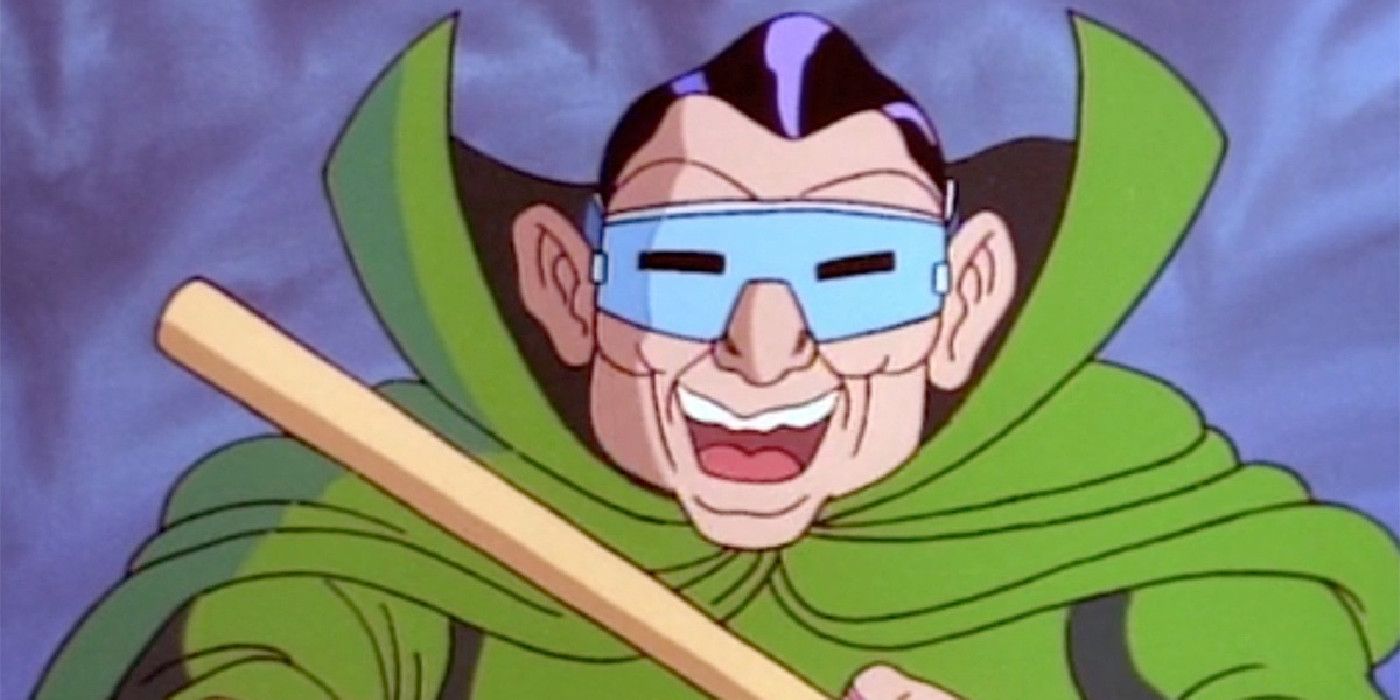
In The Fantastic Four: First Steps, the team’s backstory features a swift montage of Mole Man assaulting New York, culminating in the sinking of the Pan Am building. This moment serves as a nod to an iconic villain and a shocking revelation. However, this precise concept was previously utilized in the animated series.
In Fantastic Four TAS season 1, episode 11, titled “Mole Man,” Mole Man emerges from underground, deploying his technology to sink the Rockefeller Center. His motivations are similarly less about chaos and more centered on blackmail – he seeks respect and recognition. The imagery of a landmark succumbing to destruction remains consistent across both versions.
Both adaptations emphasize Mole Man’s formidable power and deep-seated bitterness. He is portrayed as a villain fueled by resentment, and both versions depict him as an underestimated threat. While First Steps marks Mole Man’s live-action debut, his iconic scheme was conceived years prior.
4
Analyze How Doctor Doom Captures Reed Richards
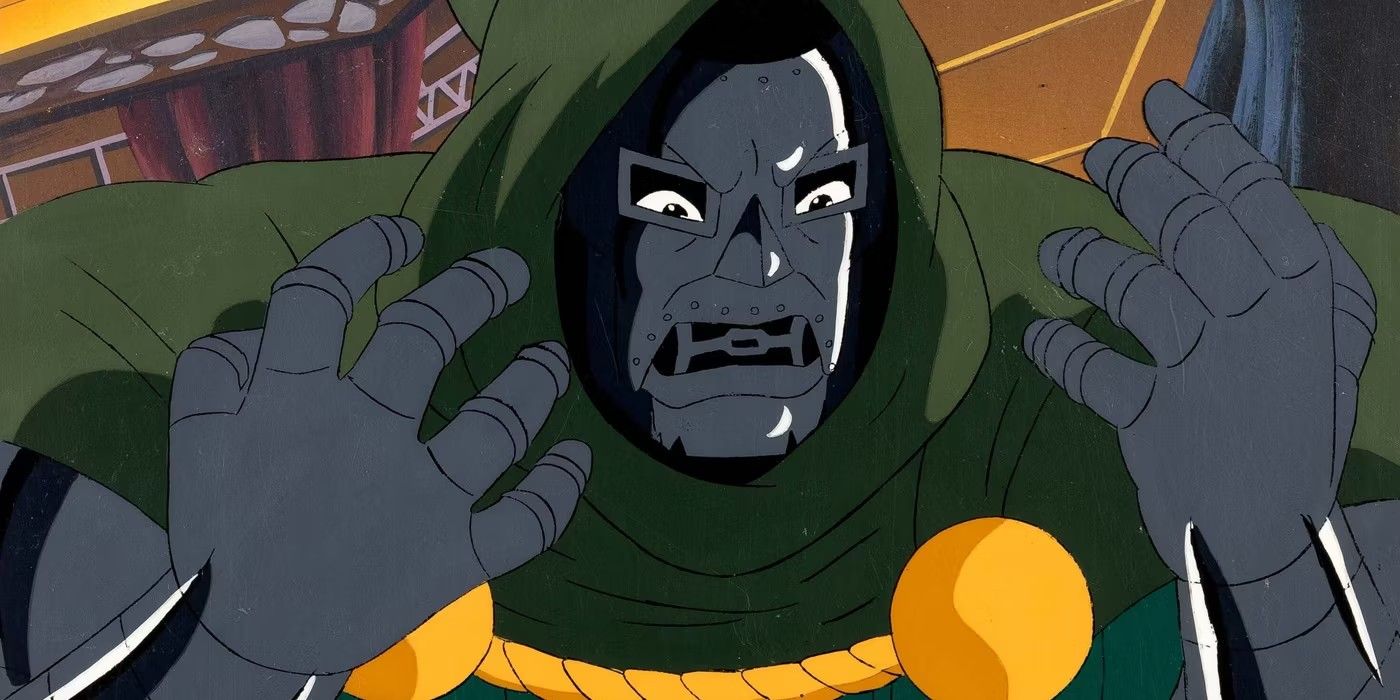
In the 2005 Fantastic Four film, Doctor Doom ultimately captures Reed Richards, freezing him and leaving him helpless and immobile as Doom confronts the remaining team members. The animated series had already set a precedent.
In Fantastic Four TAS season 1, episode 8, titled “The Mask of Doom, Part One,” Doom captures Reed along with Johnny and Ben. He confines them in highly specialized traps, with Reed’s being so elongated that he cannot utilize his abilities, rendering him powerless.
This chilling and inventive scene showcases Doom’s intellect and psychological tactics. While the films adapted this idea in a more cinematic fashion, the animated version exhibited greater creativity in neutralizing each hero. Doom’s capacity for meticulous planning and individual exploitation of weaknesses was not a Hollywood invention; it was conceived in animated form first.
3
Examine How The Fantastic Four Infiltrate Galactus’s Space Station
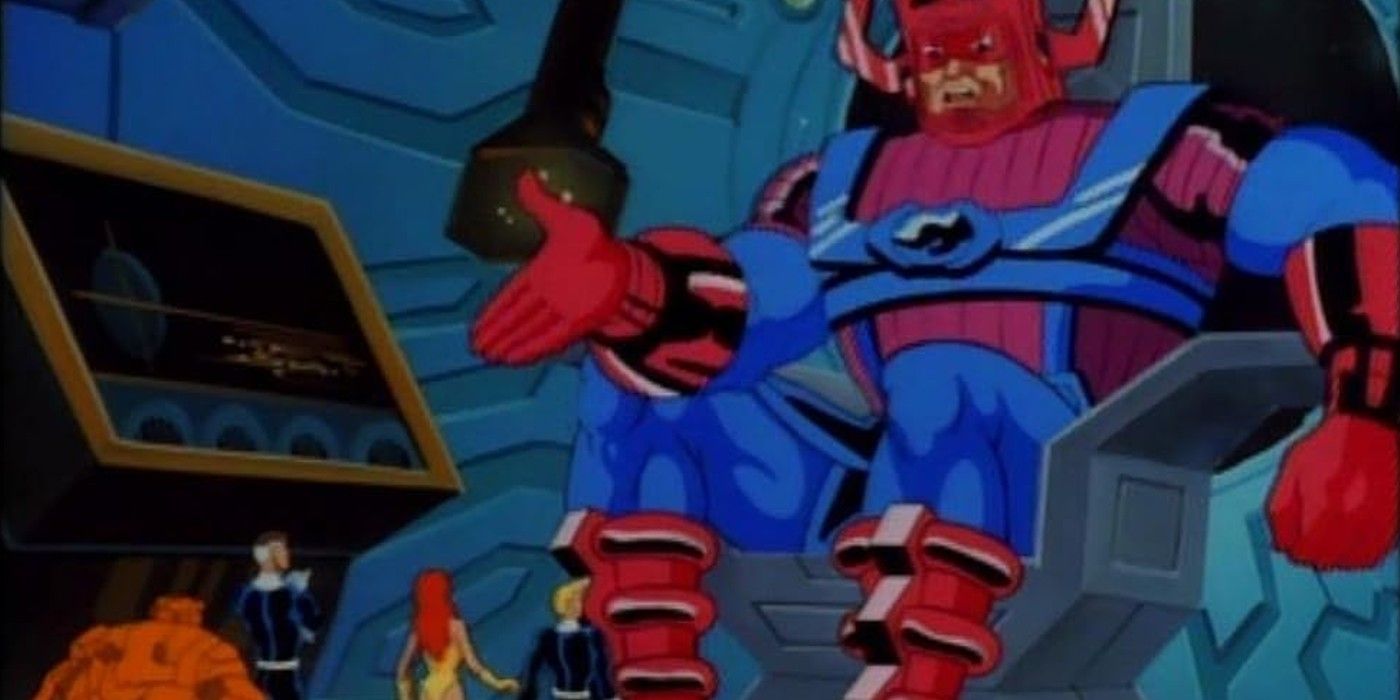
The Fantastic Four: First Steps features the team investigating Galactus’s arrival by venturing into space and infiltrating his massive base. Inside, they confront the Silver Surfer and Galactus in their first attempt to prevent Earth’s annihilation. This scene draws heavily from the animated series’ season 1 finale.
In Fantastic Four episode 13, titled “The Silver Surfer and the Return of Galactus,” the Fantastic Four leave Earth to explore Galactus’ presence in orbit. They board his space station, concerned that the Surfer has led him back to Earth. To their surprise, they discover Doom at the center of the turmoil.
Both scenes incorporate deep-space visuals, alien architecture, and high-stakes negotiations rather than mere combat. This ambitious sequence in animation set the groundwork for future storytelling, and its live-action adaptation preserved the original essence. Marvel’s cosmic narrative techniques owe a significant debt to this early animated depiction.
2
Investigate How Doctor Doom Attempts To Steal The Power Cosmic
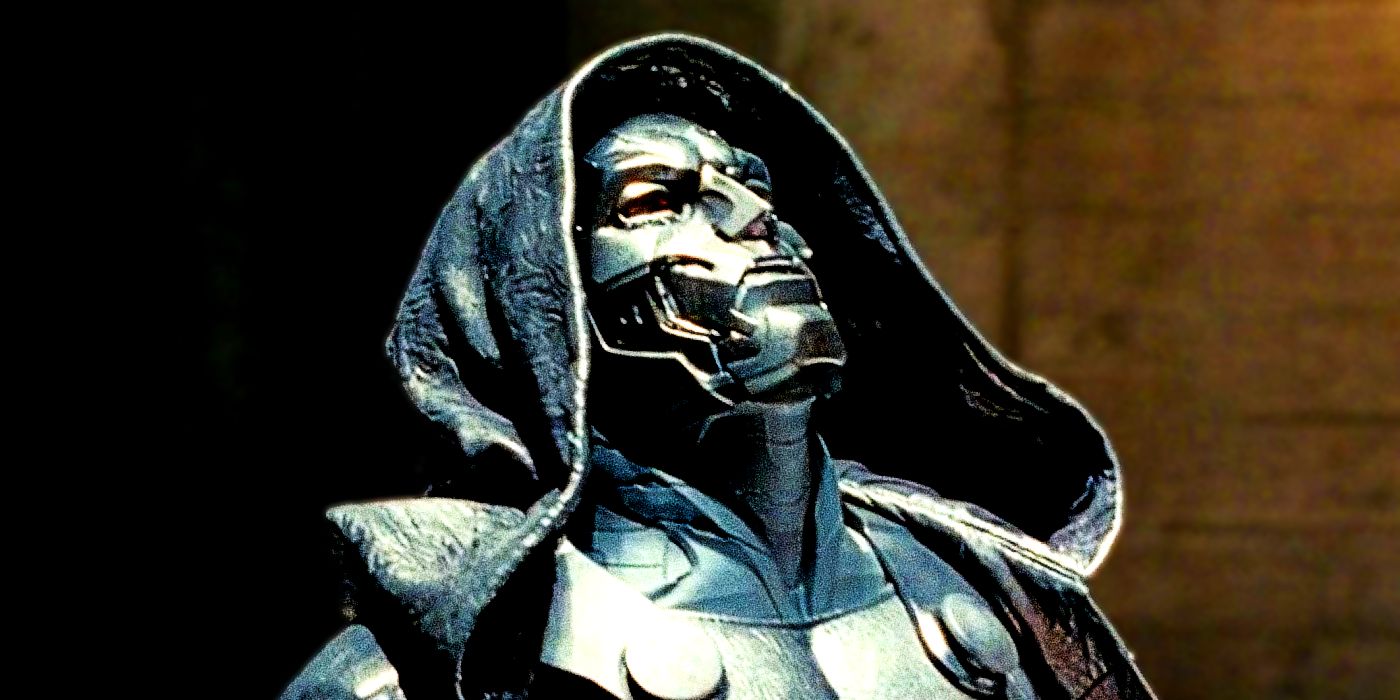
One of the most striking aspects of Rise of the Silver Surfer is Victor Von Doom’s obsession with obtaining the Silver Surfer’s board and cosmic powers. In the climax, he succeeds, albeit temporarily, wielding the Power Cosmic and becoming an almost unstoppable force. This exact storyline was already explored in Fantastic Four: The Animated Series.
In season 1, episode 13, titled “The Silver Surfer and the Return of Galactus,” Doom cunningly deceives the Surfer and siphons his cosmic energy, achieving a god-like status. The outcome is that Galactus himself returns to Earth to confront him. This narrative arc is strikingly similar.
Doom manipulates, ascends, and ultimately falls in both adaptations. The animated series even executed the escalation more effectively by reintroducing Galactus into the conflict. While the movie opted for a more streamlined approach, it was clearly influenced by the series’ bolder, more cosmic interpretation of Doom’s ambitions.
1
Relive The Thing’s Heartfelt Lament Beneath A Streetlight
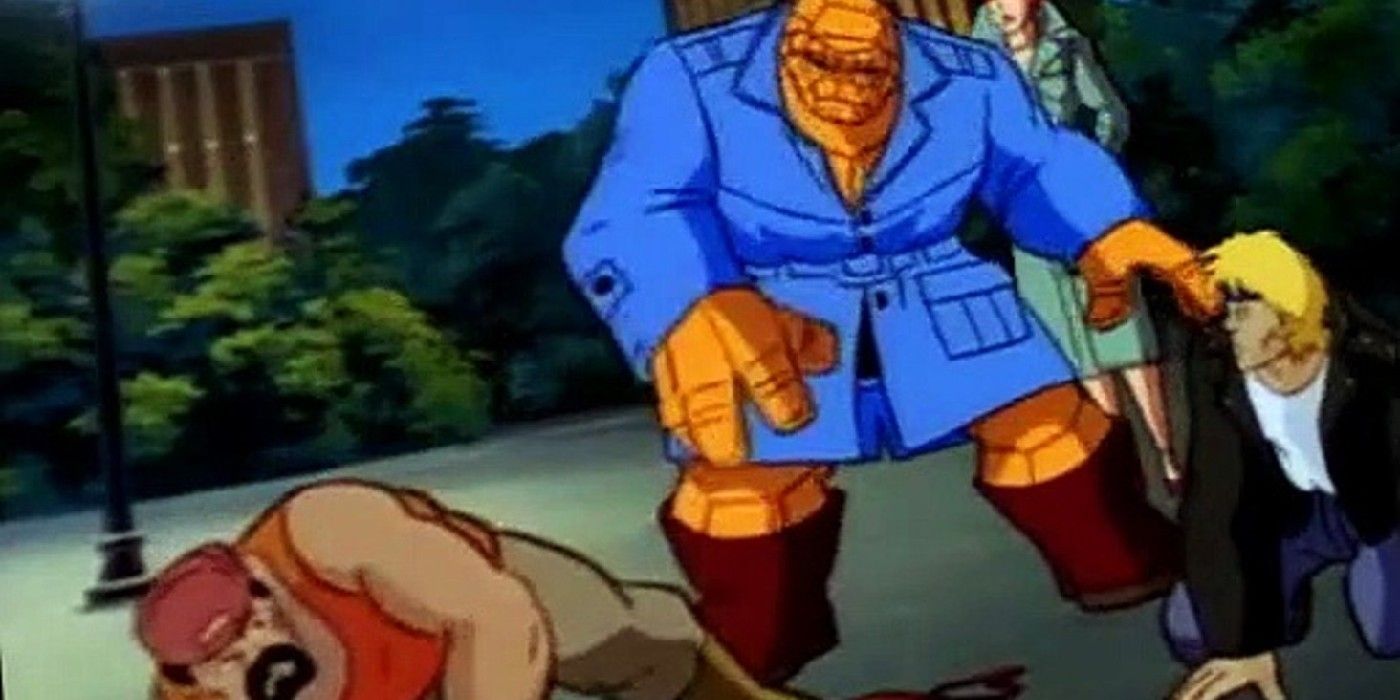
In Fantastic Four (2005), Ben Grimm, heartbroken and transformed into the Thing, attempts to contact his fiancée Debbie from a phone booth at night. Standing beneath a streetlamp, he is enveloped in shadows, with his trench coat and fedora only partially concealing his rocky form. This moment is profoundly tragic.
Long before this, the Fantastic Four animated series captured that same emotional nuance in episode 2 of season 2, titled “Inhumans Saga, Part 1: And the Wind Cries Medusa.” In this episode, Ben stands alone outside Alicia Masters’ apartment, illuminated only by a lamppost, delivering a heartfelt monologue about love, loss, and the yearning to be seen.
The shot composition, lighting, and overall mood are strikingly similar. While the 2005 film brought this moment to life in action, the poignant essence of the Thing’s isolation and misunderstood nature was masterfully portrayed on Saturday morning television years earlier. This serves as a testament to the enduring influence of the Fantastic Four animated series on cinematic adaptations.
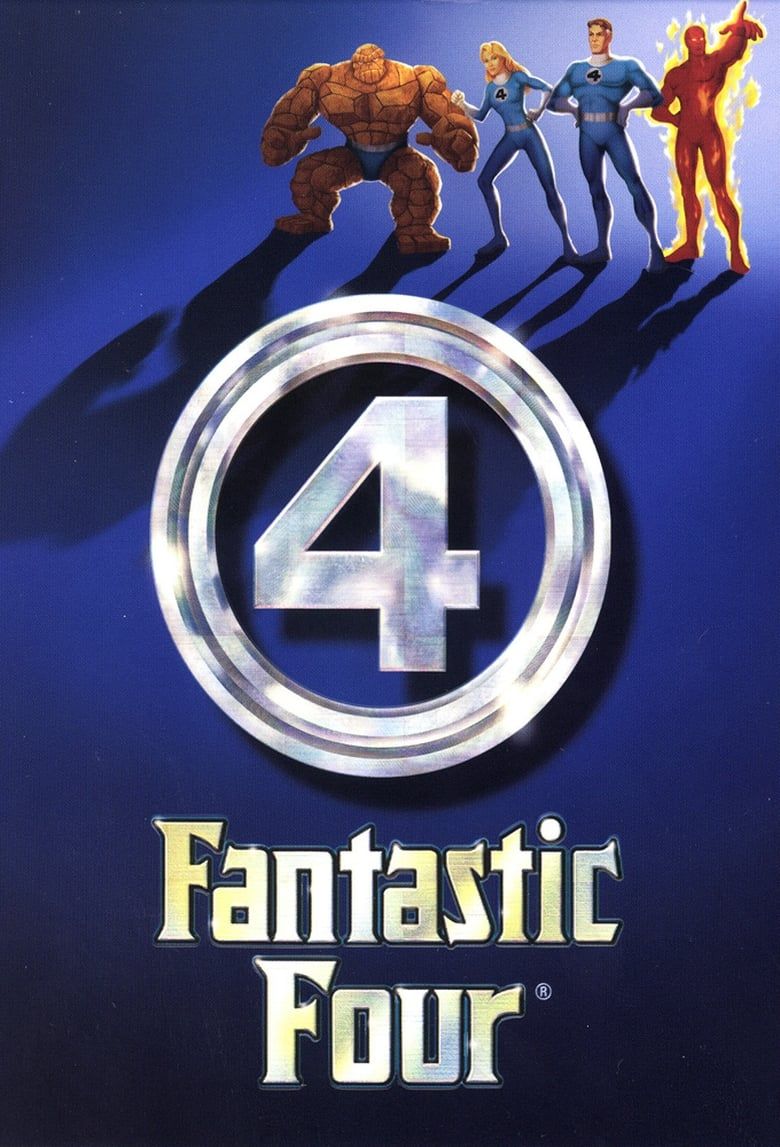
Fantastic Four: The Animated Series
- Release Date
-
1994 – 1996-00-00
- Network
-
Syndication
- Directors
-
Larry Houston, Tom Tataranowicz, Ernesto Lopez
- Writers
-
Glenn Leopold, Jan Strnad, Cydne Clark, David Ehrman
-

Brian Austin Green
Human Torch (voice)
-

Quinton Flynn
Mr. Fantastic (voice)








