
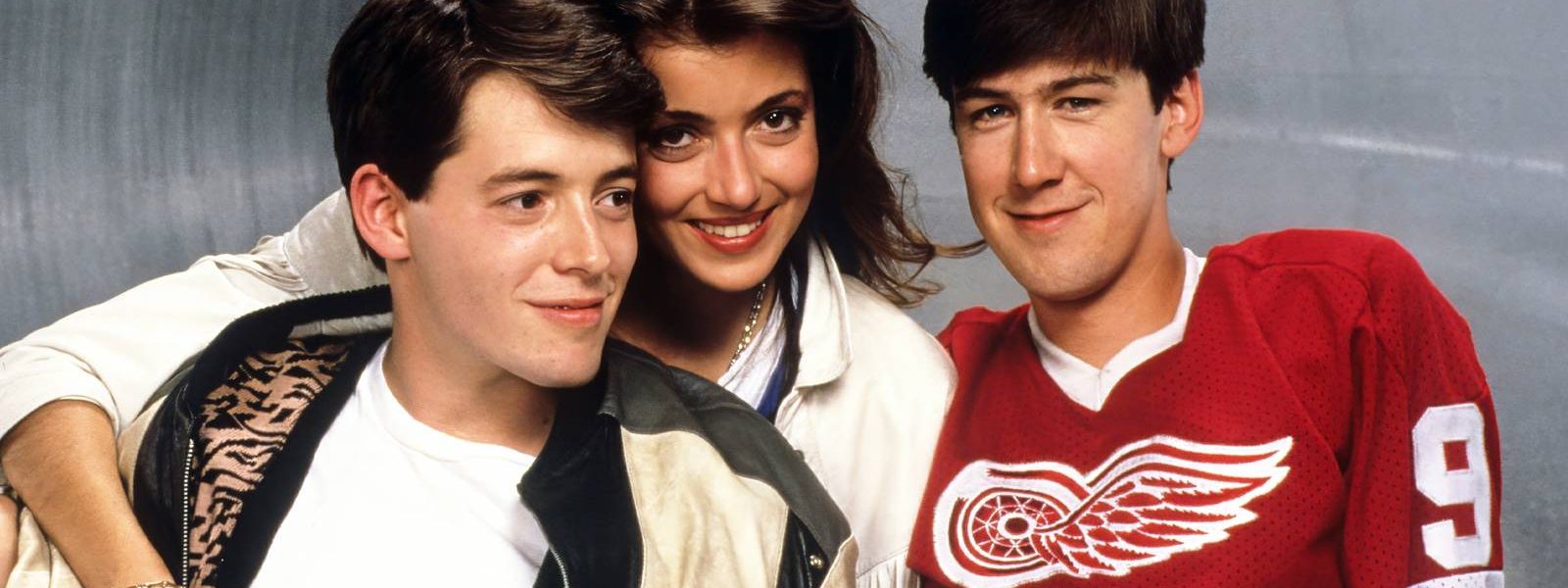
When discussing TV series based on movies, successful adaptations are rare. There’s M*A*S*H, and then there’s… well, it’s challenging to translate the cinematic experience into a television format, especially when a film has established itself as a standalone narrative. Occasionally, a film emerges that seems promising for adaptation, such as John Hughes’ iconic Ferris Bueller’s Day Off. The film is filled with elements that could easily sustain a TV series, leading to an attempt at adaptation. Unfortunately, not only did Ferris Bueller fail after just 13 episodes, but it was also overshadowed by a similar show that outperformed it in nearly every aspect.
‘Ferris Bueller’s Day Off’ Was a Massive Hit for John Hughes
Ferris Bueller’s Day Off premiered in June 1986, serving as Hughes’ “love letter” to the city of Chicago. The film follows a charming high school student (Matthew Broderick) who skips school and takes his friend Cameron (Alan Ruck) and girlfriend Sloane (Mia Sara) on an unforgettable day off. The movie grossed over $70 million against a $5 million budget. Naturally, Hollywood executives sought ways to capitalize on the film’s success, and despite Broderick and Hughes discussing ideas for a sequel, the first project initiated was a TV series, Ferris Bueller.
The Ferris Bueller Television Series Was Doomed From the Start
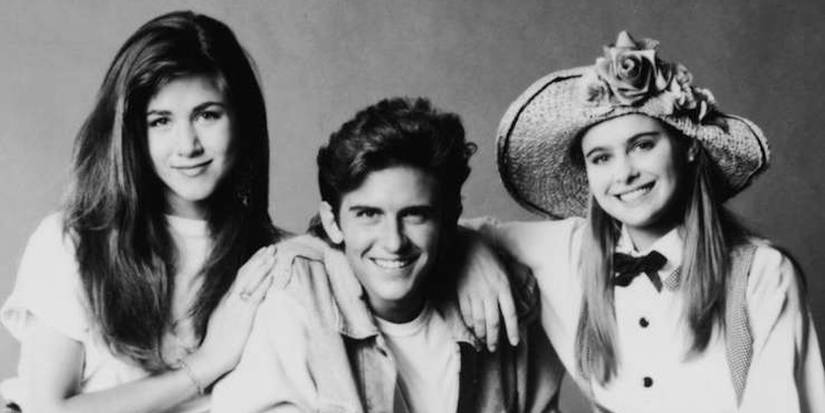
If NBC expected Hughes to participate, they were mistaken. Hughes wanted nothing to do with the series, refused to attach his name to it, and generally aimed to distance himself from the project. Furthermore, none of the original actors reprised their roles for the series. So how can you proceed with a series based on a film when the creative team behind it shows no interest?
Ferris Bueller was set up for failure from the outset, with perplexing creative choices compounding its issues, notably its decision to openly criticize the original film. In this adaptation, the character of Ferris Bueller is portrayed by Charlie Schlatter, who claims to be the “real” Ferris Bueller, asserting that the film is based on his life. However, Bueller expresses disdain for Broderick’s depiction of him (and the movie itself), even going so far as to attack a cardboard cutout of Broderick with a chainsaw in the first episode.
This leaves fans of the original film disappointed, which might have been overlooked if Schlatter’s portrayal had been even half as engaging as Broderick’s — but it wasn’t. Although Schlatter attempted to replicate the fourth wall break and mimicked Broderick’s delivery, he lacked the impish charm and delightful confidence that Broderick brought to the role. The supporting characters, including Ferris’ sister Jeannie (played by pre-Friends Jennifer Aniston), were mere shadows of their original counterparts. While the film was an enjoyable adventure about Ferris’ day off from school, the series took place in school. Most disappointingly, Chicago — an integral character in the film — was completely replaced by Los Angeles as the setting.
‘Parker Lewis Can’t Lose’ Did Way Better Than ‘Ferris Bueller’
Ferris Bueller premiered on August 23, 1990, which Schlatter recalls as having broken the most-watched record at that time — but this record was short-lived. Critics harshly criticized the show, with Greg Dawson from The Orlando Sentinel stating, “As far as I’m concerned, this Ferris Bueller can have more than the day off — he can have the whole year,” while Entertainment Weekly labeled him an “insufferable little twerp.” Critic Tom Shales, writing for the Washington Post, remarked on those infamous opening moments saying, “Oh, then this is the ‘real’ Ferris Bueller? Fine. Now will the real Ferris Bueller please shut up.” Despite airing just 12 episodes before cancellation,, Ferris Bueller’s series finale aired later in 1991 on NBC.
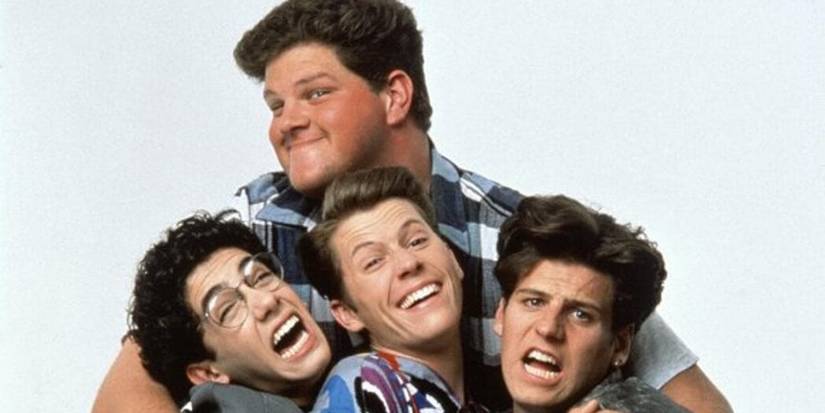
Interestingly, in an interview with PremiumBeat, Schlatter attributed the series’ shortcomings to having talented actors, directors, and writers but perhaps not having the right writers for this project. He suggested that they needed to emulate what was being done with Parker Lewis Can’t Lose. This series debuted shortly after Ferris Bueller, serving as an unabashed imitation that was deemed “much better” than its predecessor by the <em>South Florida Sun Sentinel</em>.
The show quickly established its own identity as a fun, surreal live-action cartoon. What made Parker Lewis Can’t Lose successful — which eluded both the original film and its adaptation — was its exploration of why its protagonist (played by Corin Nemec) was so popular at school and seemingly flawless. In contrast, these themes were neglected in both versions of Ferris Bueller’s story. To add insult to injury, while Parker Lewis Can’t Lose enjoyed three successful seasons with 60 episodes aired after Ferris Bueller’s‘s meager 13 episodes.