
Key Takeaways
- Box Office Performance: Avatar: Fire and Ash has grossed approximately $1.43 billion worldwide.
- Production Costs: The film reportedly cost around $400 million to produce.
- Comparative Success: It has outperformed Dune: Part Two, which grossed $715 million.
- Critical Reception: The film currently holds a 66% rating on Rotten Tomatoes.
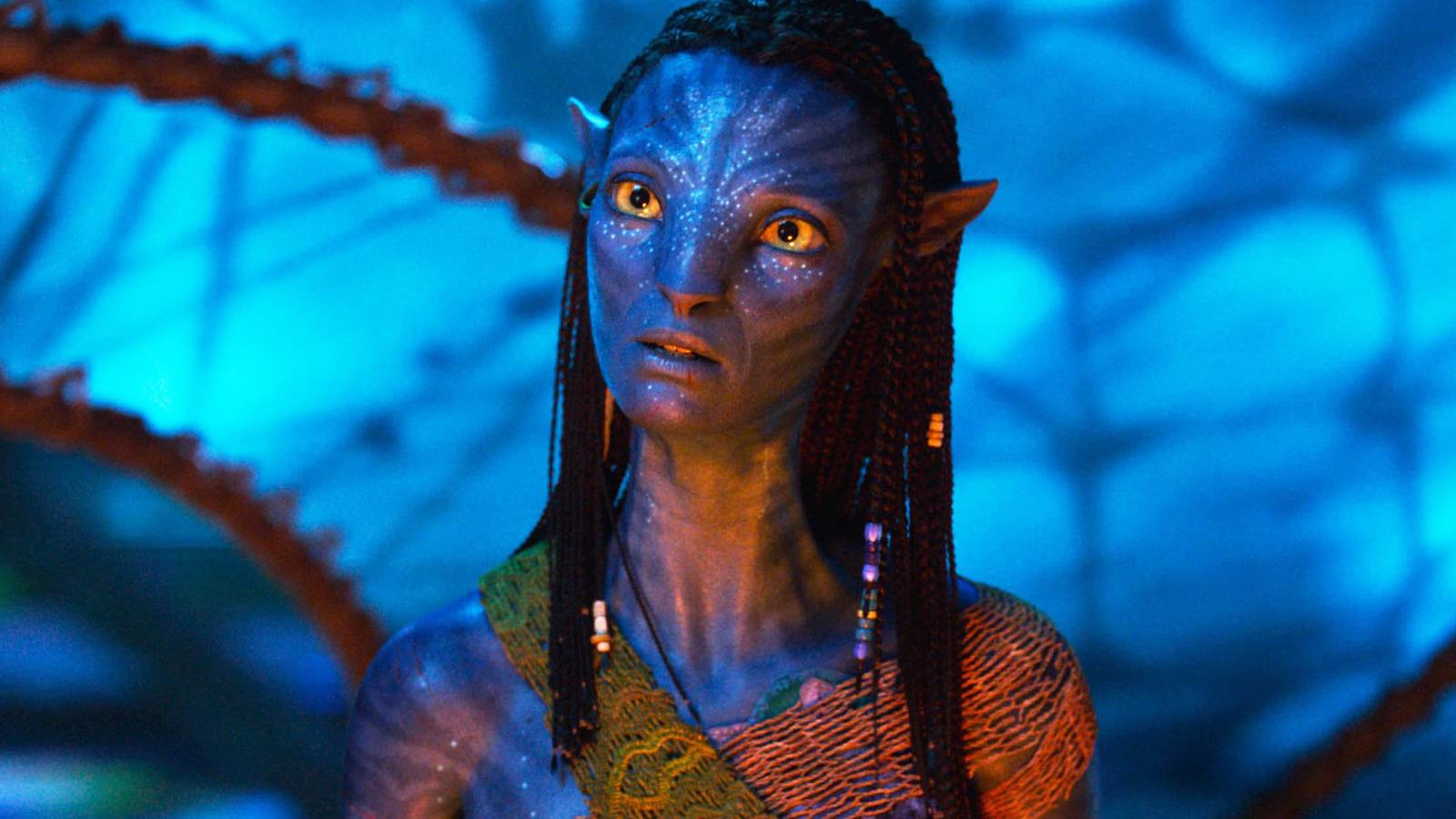
Having nearly completed two months of release in theaters worldwide, director James Cameron‘s Avatar: Fire and Ash is approaching what will likely be its final box office milestones. The film’s trajectory suggests that this may be a more difficult task than expected. Although Avatar: Fire and Ash has established itself among the highest-grossing films of all time, especially when it comes to global numbers, it has fallen significantly short of its two record-breaking predecessors. The movie cost a reported 0 million to produce and perhaps an equal amount to market worldwide. It needed to gross more than $1 billion worldwide just to break even, and has done so. In fact, it became Cameron’s fourth film in a row to pass the $1 billion mark worldwide, a streak that began with Titanic in 1997. But the filmmaker has set an unreasonably high bar for himself, so Avatar: Fire and Ash will likely be viewed as an underperformer compared to the first and second films. Compared to everything else, however, it’s a bona fide blockbuster. For instance, Avatar: Fire and Ash has grossed twice as much as a recent sci-fi classic.
The threequel was released only three years after Avatar: The Way of Water, which defied skepticism to become the third-biggest hit in worldwide box office history. Avatar: The Way of Water grossed $2.3 billion worldwide, versus the original <em>Avatar</em>‘s $2.9 billion lifetime haul. Both the first and second films also earned Best Picture nods at the Oscars, an achievement that has eluded Avatar: Fire and Ash, which remains the lowest-rated film of the trilogy on Rotten Tomatoes. It seems to have settled at a 66% score on the aggregator website, where the critics’ consensus reads, “Remaining on the cutting edge of visual effects, Fire and Ash repeats the narrative beats of its predecessors to frustrating effect, but its grand spectacle continues to stoke one-of-a-kind thrills.”
Here’s the Sci-Fi Classic that ‘Avatar: Fire and Ash’ Has Demolished at the Box Office
With more than $390 million domestically and over $1 billion from overseas markets, Avatar: Fire and Ash has grossed around $1.43 billion worldwide. This means that the movie has made twice as much as Denis Villeneuve‘s Dune: Part Two, which concluded its global run with $715 million against a reported budget of $190 million. While the Dune franchise will return with a third installment later this year, the future of the Avatar series is unclear. Cameron initially expressed excitement to direct at least two more movies but has since downplayed them, citing budgetary constraints and the changing face of the theatrical market.
You can watch Avatar: Fire and Ash in theaters. Stay tuned to Collider for more updates.

- Release Date
-
December 19, 2025
- Runtime
-
197 Minutes
- Director
-
James Cameron
- Writers
-
Amanda Silver, Rick Jaffa, James Cameron, Josh Friedman, Shane Salerno
- Producers
- Jon Landau, James Cameron