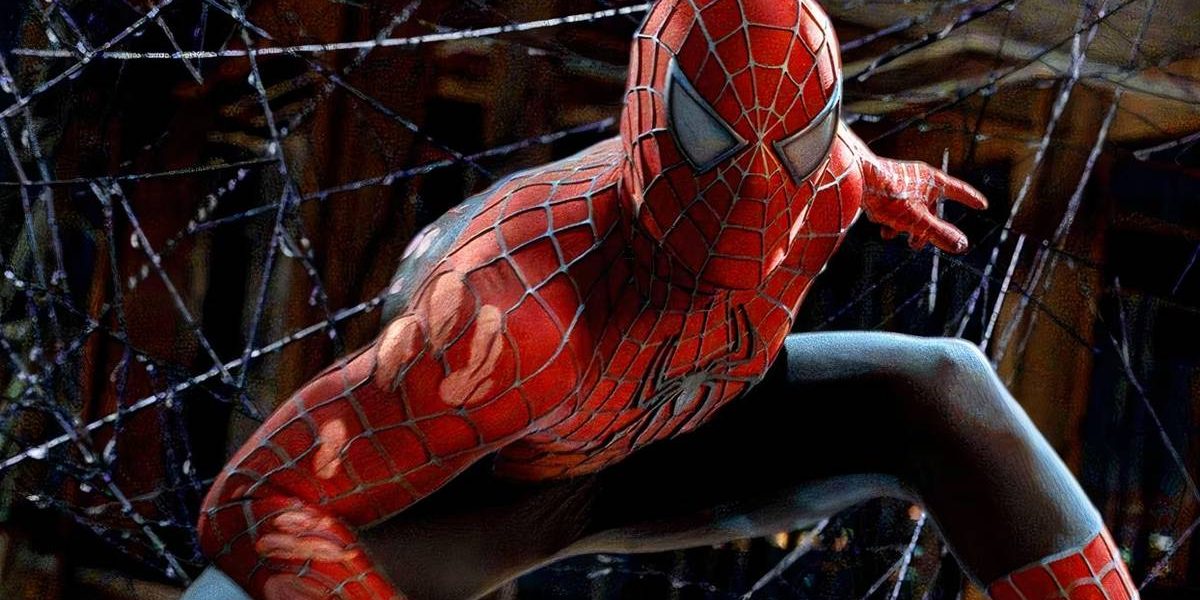
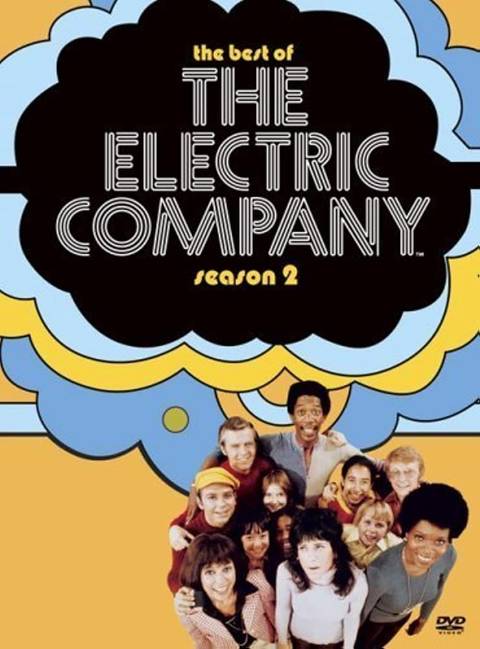
You’d be forgiven for forgetting that there was a live-action Spider-Man on TV years before Tobey Maguire donned the red and blue on film, and you’d be forgiven again if you thought the first one was actor Nicholas Hammond in 1977’s Spider-Man TV series. But fans of a certain age will remember the true first live-action Spider-Man, a hero who didn’t have to speak a word as he fought the likes of Mr. Measles, Silly Willy, the Wall, and the Sandman. No, not Sandman. The Sandman. And not The Sandman either, but a burglar dressed as sleepwalker Wee Willie Winkie. The original live-action webcrawler, played by Danny Seagren, took part in skits, between three and five minutes each, called “Spider Super Stories” in the Children’s Television Workshop PBS series The Electric Company, a hero catching villains and teaching reading while he’s at it.
Danny Seagren Goes from Muppets to Marvel for ‘The Electric Company’
As Seagren tells it, the Children’s Television Network, the production company behind long-running (and, thanks to Netflix, still running) children’s series Sesame Street, got the rights for Spider-Man from Marvel for nothing, looking to add something in The Electric Company‘s fourth season, beginning October 1974, that kids could relate to easily while copying the comic-book format. So a casting call went out for someone to play the web slinger, which Seagren heard about through contacts working with the company, people he had met through his work with Jim Henson and his Muppets. His connections got him an audition with producer Andrew Ferguson, who led him to the music room and said, “Put the costume on. I’ll be back in a couple of minutes.”
The costume fit, but he wasn’t the only one that could wear it. He was, however, undeniably perfect for what they were looking for. Seagren was a big fan of the iconic 1960s Spider-Man cartoon, and his background as a professionally trained dancer allowed him to do the graceful, almost balletic, Spider-Man moves the role called for. Saying you can do something isn’t the same as showing it, of course, so he knew he had to do something special. He looked around and spied a filing cabinet and a desk in the room, and found inspiration. He climbed to the top of the filing cabinet, and when Ferguson reentered the room, he leaped over his shoulder and landed on the desk. Ferguson was startled – who wouldn’t be – but after Seagren did a few more moves, Ferguson said, “You got the job” (per 13th Dimension).
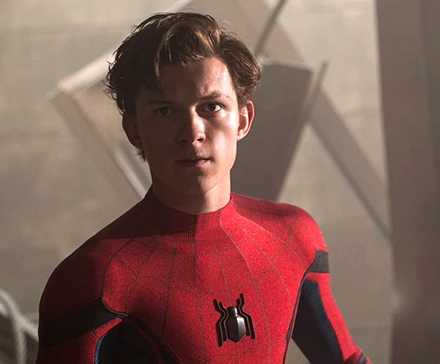
Spider-Man Movie Actors Ranked: Who’s the Best Webhead of Them All?
Let’s settle this.
With their Spider-Man in place, it was time to put the “Spidey Super Stories” into production. Seagren’s Spider-Man would never speak dialogue or be seen in anything other than his costume (so, no Peter Parker). He was, for all intents and purposes, a faceless, silent mime. But watching Spider-Man jumping around on screen doesn’t hold much in the way of educational value, so Spider-Man’s dialogue was shown in the form of thought bubbles with words in them. The purpose was to teach remedial reading for the target audience of 7 to 10-year-old kids who never learned to read in the first and second grade, so if the kids wanted to follow the story, they had to read the thought bubbles.
And even with the free rights to the character, being a PBS show doesn’t leave much for special effects, so comic book panels were interspersed between the live action in lieu of effects, and the web shooting out of Spider-Man’s wrist was added in post-production (Seagren shares a funny story with 13th Dimension about a prop guy bringing in a large web for a practical effect, but the man, clearly unversed in Spider-Man lore, threw the web over Seagren instead of the villain).
Morgan Freeman Swings In to “Spidey Super Stories” on ‘The Electric Company’
The catchy theme song, which never got the same love as the one from the 1967 animated show (quick aside – if you haven’t heard it before, you must hear The Ramones version), played in front of all 29 episodes of the campy show-within-a-show. The skits were farcical in nature and filled with puns, with the cast of The Electric Company, which included Hollywood legend Morgan Freeman, taking turns narrating the story (Freeman, of course, is awesome at it) and playing parts in the sketches as one of a host of ridiculous, non-threatening villains: The Spoiler (Skip Hinnant), who looks to spoil people’s fun; Count Dracula (Freeman), who plans on biting the neck of moviegoers Judy Graubart; a half-human/half-wall creature known as the Wall (Jim Boyd), who spoils Spidey’s enjoyment of a New York Mets game; and Birthday Bandit (Boyd), who steals cake, ice cream, decorations, and presents from birthday parties while detailing his actions à la Dr. Seuss; among others.
Seagren had permission from the show to do live appearances and got many bookings at malls and similar venues. He recalls a particular appearance where he shared stage time with Adam West and Burt Ward, who would appear in their costumes from their 1966 Batman series on the hour while he appeared on half-hour intervals. He also met Stan Lee himself. But when The Electric Company ended in 1977 it brought an end to “Spidey Super Stories” and Seagren’s time as Spider-Man,a mere 6 months before Hammond would don the costume for his take on this iconic character.
- Release Date
-
1971 – 1976
- Network
-
PBS
-

-

-
Joan Rivers
Boy (Love of Chair)
-
<p>
</p>
<p>
Iris – Member of Short Circus
</p>
</div>
</li>
</ul>
</div>

<<input type="text"/>
<<input type="text"/>

<a href="<a href="<a href="<a href="<a href="<a href="<a href="<a href="<a href="<a href="<a href="<a href="<a href="<a href="<a href="<a href="<a href="<a href="Here you can find original article photos images used our article also come from source not their authors have been used solely informational purposes proper attribution original source.[nospin].
.
[INPUT_HTML_END]