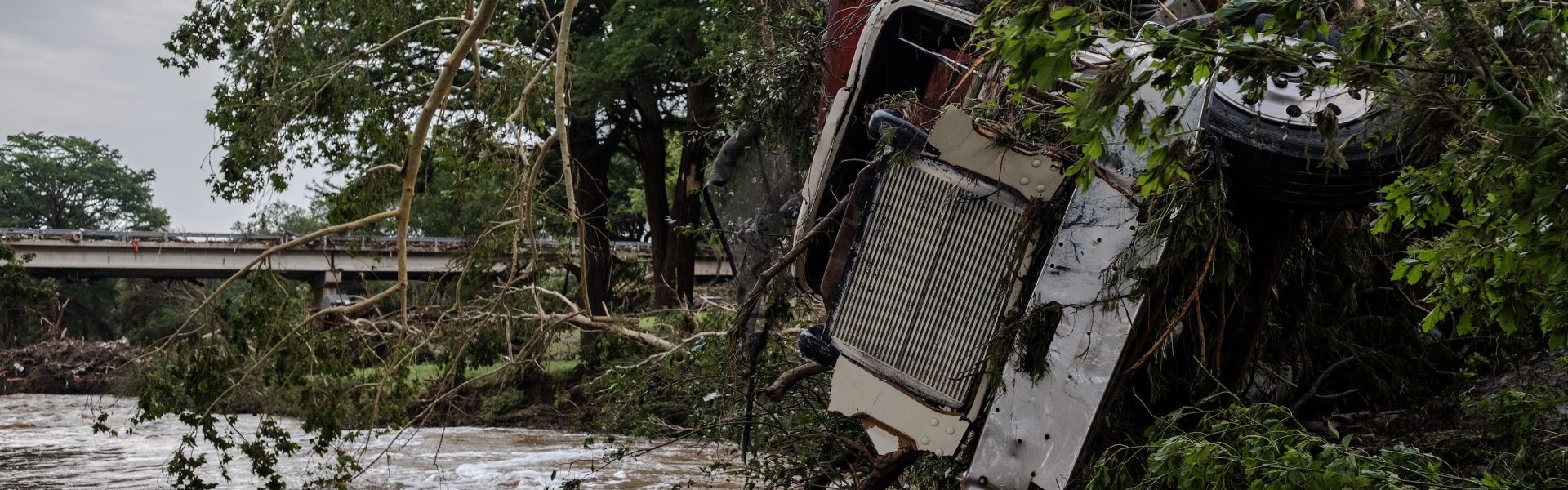

In early July 2025, catastrophic flash floods ravaged Central Texas, resulting in a devastating loss of life, with at least 70 individuals confirmed dead and numerous others reported missing. During a press conference held on July 6, W. Nim Kidd, the chief of the Texas Division of Emergency Management, provided updates on the ongoing efforts, emphasizing that while officials are still “actively searching” for survivors, they anticipate that these efforts will eventually transition into recovery operations. The situation remains critical as families await news about their loved ones, and the community grapples with the profound impacts of this natural disaster.
The unprecedented flooding was triggered by a dangerous combination of remnants from a tropical storm and stagnant weather patterns, resulting in rivers exceeding capacity and flooding towns, camps, and rural areas with little to no warning. As search and rescue operations continue, Texas faces one of the most lethal weather events recorded in its recent history. The state is now confronting the full scope of the destruction, which has not only caused physical damage but has also left emotional scars on the community as they band together to support those affected.
In the following sections, we will delve into the factors that led to this catastrophic flooding, explore the events that unfolded during this crisis, and provide insights into the ongoing recovery efforts. Understanding how such a disaster occurred is crucial for improving future emergency responses and preparedness.
Detailed Overview of the Timeline of the Texas Flooding Events
The National Weather Service meticulously tracked the progression of the flooding throughout Central Texas, starting with the initial alerts issued as the remnants of Tropical Storm Barry approached the area. These warnings were the first indicators of the impending disaster, but many were caught off guard by the rapid escalation of the situation.
- Thursday, July 3: The remnants of Barry moved into Texas, marking the start of heavy rainfall that would soon escalate into severe flooding.
-
Thursday night – Early Friday, July 4: A combination of tropical moisture and Pacific air resulted in torrential rain across Central Texas, leading to alarming conditions.
-
Early Friday, July 4: Rainfall reached up to 6.5 inches in just three hours; in Hunt, the Guadalupe River rose 22 feet within two hours, eventually cresting at nearly 29 feet, creating a dire situation for residents.
-
Friday morning, July 4: Floodwaters overwhelmed rivers, roads, and camps, causing catastrophic impacts in locations like Camp Mystic, where emergency response was critically needed.
-
Friday–Saturday, July 4–5: Search-and-rescue operations commenced as emergency teams worked tirelessly to locate and assist survivors amidst the ongoing flooding chaos.
Understanding the Root Causes Behind the Flooding in Texas
Meteorologists have attributed the devastating flash floods to a combination of Barry’s remnant mid-level circulation and an influx of Pacific moisture over Central Texas, unleashing torrential downpours that overwhelmed the region. The National Weather Service had issued warnings about potential mesoscale flash floods; however, the rapid rise of river levels—some rising up to 29 feet within mere hours—caught emergency management off-guard, highlighting the need for improved predictive measures and community preparedness.
Assessing the Possibility of Preventing the Flooding Disaster
While the National Weather Service did provide advance notice through flash flood watches and warnings, numerous communities and camps were either uninformed or unprepared to act swiftly due to inadequate evacuation protocols. Emergency officials in Kerr County acknowledged that they were unprepared for the speed at which the rivers surged, indicating a critical need for better communication and emergency response strategies to ensure public safety in future weather events.
Latest Developments in Texas Recovery Efforts and Assistance
As of July 6, search-and-rescue operations remain ongoing across the flooded regions of Central Texas, with emergency crews, including members of the Texas National Guard, successfully rescuing over 850 individuals trapped by the floods. These operations are crucial as communities begin to assess the extensive damage and the needs of those affected.
Governor Greg Abbott has officially declared a state of emergency in response to the crisis, facilitating the deployment of resources and support. Additionally, FEMA has initiated the establishment of disaster assistance centers to aid affected residents. On July 6, President DonaldTrump signed a Major Disaster Declaration for Kerr County, enabling the deployment of FEMA, Homeland Security, the Coast Guard, and additional federal assistance to enhance local emergency response efforts.