Sixty years ago, on August 6, 1965, The Beatles launched Help!, a groundbreaking album that quickly became one of the most celebrated entries in their impressive discography. The album features timeless tracks like “Yesterday” and “It’s Only Love,” showcasing the band’s ability to blend vulnerability with raw musical talent. However, amidst this iconic collection, they made the surprising decision to exclude the song “If You’ve Got Trouble,” which was performed by Ringo Starr. There are compelling reasons behind this choice that stem from the song’s composition and its overall fit with the album’s theme. Written by the renowned Lennon-McCartney songwriting duo, “If You’ve Got Trouble” was initially intended for inclusion in Help!. However, it was ultimately replaced by a cover, illustrating the meticulous nature of The Beatles’ creative process. Despite the track being left off the album, Ringo Starr still had his moment to shine in the Fab Four’s legendary lineup.
Why Did The Beatles Decide to Exclude “If You’ve Got Trouble” from Their Iconic Album?
As many fans and music historians know, Starr served as the drummer for the band and was not predominantly known for his vocal abilities. However, for each project and album, the creative minds of John Lennon, Paul McCartney, and George Harrison aimed to ensure that Starr had a chance to showcase his talents, if only on one track, for the sake of experimentation. Yet, during the recording of “If You’ve Got Trouble,” numerous challenges emerged. The reasons for the song’s exclusion from Help! were quite straightforward; it lacked coherence, and the lyrics felt disjointed. In comparison to standout tracks like “Help!” and “Yesterday,” “If You’ve Got Trouble” simply did not measure up. Its overall quality was below the band’s high standards, leading them to make the difficult decision to remove it from the album.
Reports indicate that Starr did not enjoy the process of recording the song, expressing visible frustration during the session. Ultimately, all members of The Beatles reached a consensus to cut the track, as Starr’s vocal performance did not meet their expectations. Although it didn’t see the light of day at that time, a mono mix of “If You’ve Got Trouble” was indeed created. This song was not the sole track to be omitted from the Help! album; the group also recorded “That Means a Lot,” a piece penned by McCartney but credited to the Lennon-McCartney partnership. The Fab Four ultimately decided to pass the song on to a musician named P.J. Proby, as they felt it did not resonate with them.
“Act Naturally” Took the Place of “If You’ve Got Trouble” on The Beatles’ Help! Album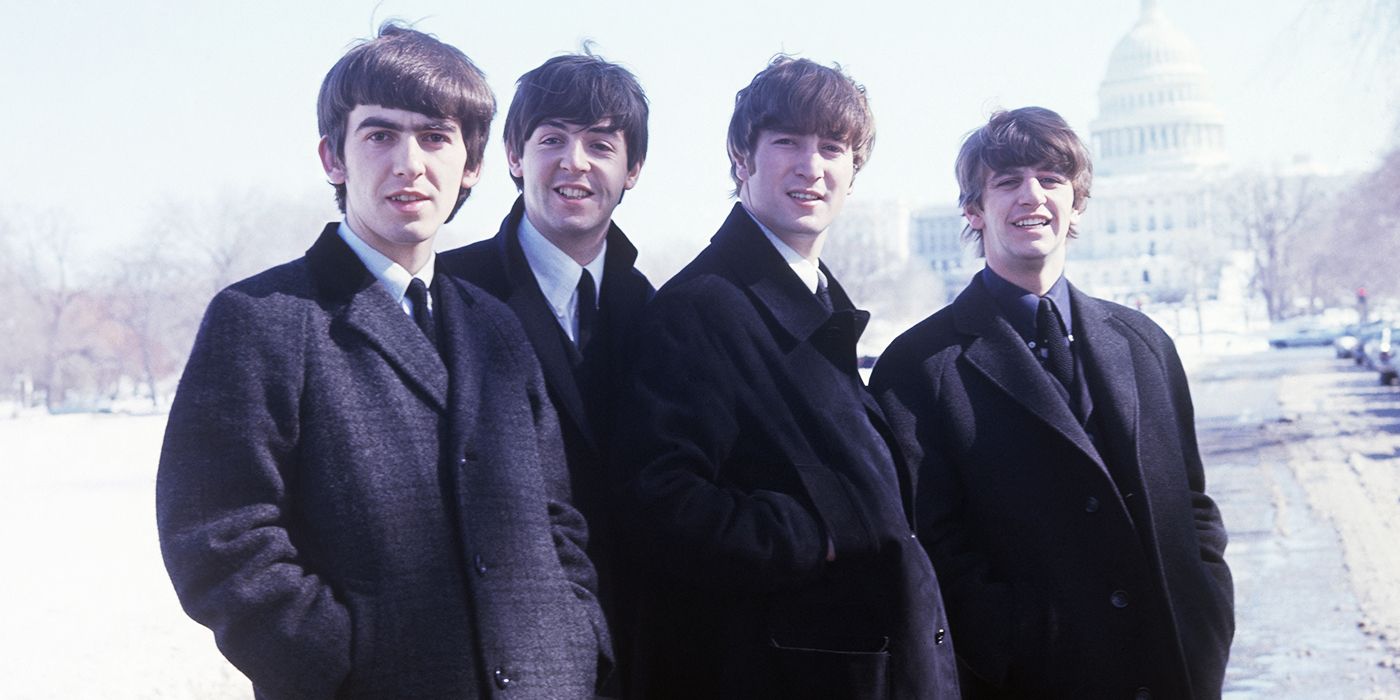
In lieu of “If You’ve Got Trouble,” the band chose to release a cover of “Act Naturally” for the UK version of Help!. This track was originally performed by Buck Owens and the Buckaroos in 1963. The Beatles recorded “Act Naturally” a few months after deciding against “If You’ve Got Trouble,” taking 13 takes to achieve the final version. This cover would mark the last time the Fab Four recorded such a piece until the Get Back and Let It Be sessions in 1969.
“Act Naturally” was also released as a B-side to the monumental track “Yesterday,” making it a non-LP single that was not included in the Help! movie. Starr’s rendition of the 1963 classic reached a peak position of number 47 on the charts in October 1965, while “Yesterday” ascended to become a cultural phenomenon. Both “Act Naturally” and “Yesterday” later featured on the 1966 album Yesterday and Today, which was distributed in the United States and Canada.
After the release of Help!, Starr performed “Act Naturally” with The Beatles, and in subsequent years, following The Beatles’ breakup, he continued to perform the Fab Four version of “Act Naturally” with his group, Ringo Starr and His All Starr Band, starting in 1989. In contrast, “If You’ve Got Trouble” rarely came up in conversation among the band members. However, in 1989, over two decades after The Beatles initially covered the song, Starr collaborated with Owens to release a duet version of “Act Naturally.” Accompanied by a music video, this duet premiered on July 29, achieving a peak position of number 27 on the Billboard country chart and remaining on the charts for 11 weeks.
“If You’ve Got Trouble” Finally Made Its Debut Years Later
“For many years, “If You’ve Got Trouble” faded into obscurity until producer George Martin stumbled upon it in the archives of EMI studios, as shared by Starr in Anthology. Upon its rediscovery, Harrison confessed that he had no memory of creating the track, labeling it “the most bizarre song.” He described its lyrics as “silly” and the overall composition as “naff,” stating, “No wonder it didn’t make it onto anything.”
Harrison was not alone in his sentiments. Music critics also weighed in on “If You’ve Got Trouble,” often echoing similar critiques. Ian MacDonald, a noted critic of The Beatles and other artists, referred to the song as “the only unmitigated disaster in the Lennon-McCartney catalog.” Meanwhile, Richie Unterberger of AllMusic described the track as “hummable” and “likeable,” highlighting a sense of charm that some listeners found within it.
While “If You’ve Got Trouble” may not represent the pinnacle of Lennon-McCartney’s songwriting prowess, it certainly does not tarnish their legendary legacy or the significant contributions they made to the world of music. The long-lost song finally debuted in 1996 as part of Anthology 2, nearly a decade after it was initially slated for the 1985 Sessions album. Today, “If You’ve Got Trouble” remains an underrated gem and a largely forgotten track in The Beatles’ expansive discography.