
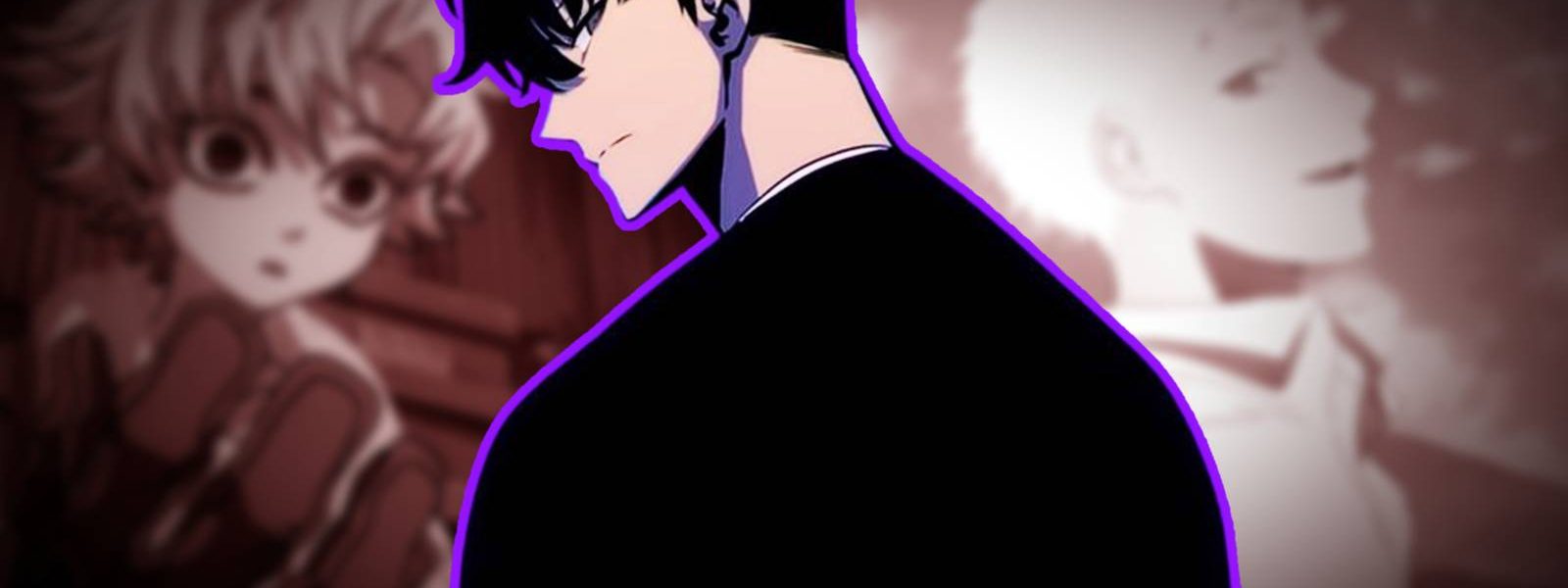
The new hit of Crunchyroll, <em>Gachiakuta</em>, is not only topping viewership charts but also captivating audiences with its intriguing protagonist, Rudo Surebrec. The character’s troubled psyche has endured much even before his fall into the Ground world, and the anime’s English dub star shares insights on how it influences his portrayal.
In an interview with Screen Rant at Anime Pasadena 2025, Bryson Baugus discussed his experiences voicing Rudo, particularly during moments when the character is engulfed in rage. Notably, the Gachiakuta character resonates deeply as he articulates dissatisfaction with the harsh realities of the world. Baugus finds it almost therapeutic to embody Rudo.
The Impact of Expressing Emotions in Gachiakuta’s Rudo
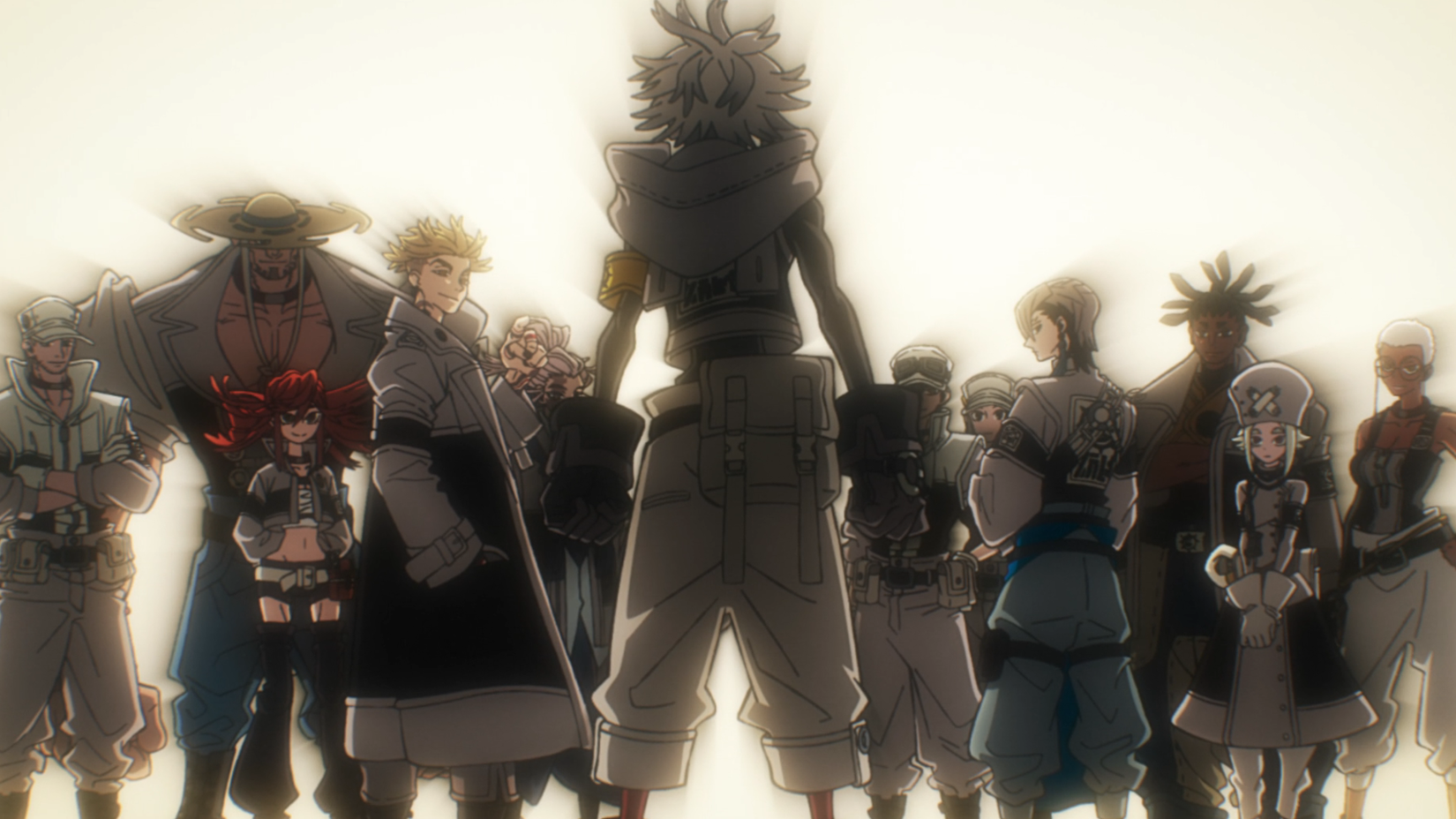
While early episodes of Gachiakuta hinted at a darker trajectory of vengeance for Rudo, fueled by his outsider status in society, later episodes reveal a more nuanced perspective. Rudo desires to transform the world and perceives a broken system that incites his anger. As Gachiakuta unfolds, Rudo’s coping mechanisms evolve.
Baugus reflected on his portrayal of Rudo, noting that it reveals aspects of himself he typically keeps hidden.
“I feel like it taps into a side of myself that I don’t really let show very often. I’m generally a very cordial person. I try to be very nice. If I’m feeling any sort of resentment, I have more of a tendency to hide that in myself.
And I feel like Rudo has been a really good therapeutic outlet for things that I may be feeling deep within myself about certain things and people that may have done me wrong in the past or just different things like that.”
-Bryson Baugus
Baugus highlights the genuine struggle individuals face in maintaining social decorum amid personal or societal injustices. Although Rudo does not provide an ideal solution, his portrayal serves as a powerful outlet. As he learns to rely on his chosen family, the Cleaners, he gradually discovers how to channel his anger constructively.
Rudo’s background of abuse has left visible scars on his hands, and he was ultimately abandoned by his parents. He struggled to communicate with others and project a positive self-image, even finding it difficult to smile. Being wrongfully accused of Regto’s murder in the series premiere and subsequently exiled from his home was undoubtedly traumatizing.
Rudo does not instantly adapt upon arriving in the Ground world, nor is he quickly swayed by friendship’s power. His unexpressed rage leads him to lash out at Amo Empool in episode #12 of Gachiakuta, which proves to be a regrettable choice. However, through communication, Rudo begins to find his way.
The Profound Quotes of Gachiakuta Compared to Solo Leveling
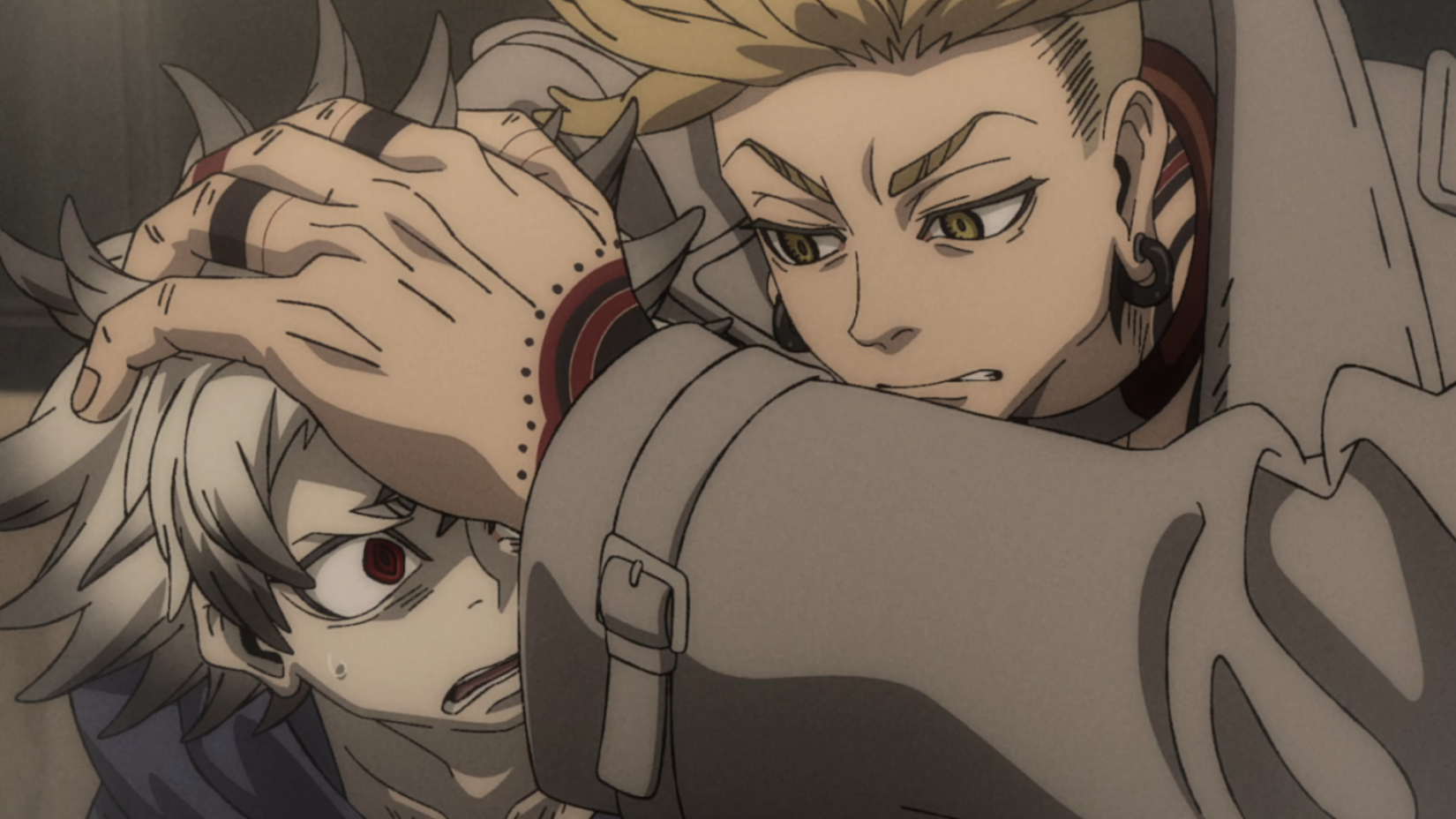
The appeal of Gachiakuta lies in its fresh take while still evoking classic 2000s anime vibes, reminiscent of Naruto’s themes of amiable maladjustment. In contrast, Solo Leveling does not aim to convey such emotions, as many popular anime from that era explore different themes. However, Gachiakuta encapsulates Rudo’s uniquely lovable blend of rebellion.
During the Trash Storm Arc, separated from the Cleaners, Rudo expresses how he has processed recent events. Just before being cast off from the Sphere, he vowed bloody vengeance against those who wronged him—a sentiment rooted in nihilism due to his abandonment by society. In one poignant monologue from Gachiakuta, it becomes evident that his perspective has shifted.
“Trash, humans…none of it is ‘waste’. Meeting you isn’t a waste either. It let me realize what I have that you don’t, Zodyl— a team that held their hands out to me. I was nobody to them— a garbage kid with nothing but anger to his name and they gave me a home. Even though, as a Sphereite, I brought danger to their door, they didn’t treat me like a nuisance either. They treated me like me! The only people besides Regto, on the Sphere or the Ground, who ever saw me as me…were them! My revenge, my anger…I’ll never forget either of them. But…it’s not enough for me anymore! If you want to know what I’m getting at…I wanna live with them, have fun with them, and happily get my revenge! You piece of sh-t!”
-Rudo Surebrec, Gachiakuta Episode #20
This moment illustrates that Rudo can no longer act on the extremes dictated by his rage. It is improbable that upon reaching the Sphere he would still consider committing a massacre since it would alienate him from his Cleaner teammates. His revenge is now more likely manifested through dismantling societal barriers regarding how different classes are treated.
Rudo appreciates the acceptance extended towards him. He is gradually winning over Zanka as an ally while Riyo acknowledges Rudo’s scars and what he endures to maintain them. Enjin takes on an older brother role for him. There are now many more people who accept him for who he is—gluttonous and sweet-obsessed—than ever before.
This acceptance empowers Rudo and gives him a sense of purpose, contributing to significant quotes this anime season. While still too early for comprehensive evaluation, moments like these leave a lasting impression for a complex protagonist who is piecing himself back together just like the refuse he diligently repairs.








