If you’re willing to broaden the definition of “classic rock,” there are numerous albums from the 1980s that deserve recognition. Classic rock is generally considered to have originated in the latter half of the 1960s and dominated the 1970s, a decade known for its remarkable rock albums. It was a time of continuous hits.
By the 1980s, classic rock was beginning to fade. While rock albums were still released throughout the decade, they often diverged from the traditional “classic” sound. The following selections are more experimental, artistic, and slower-paced compared to a similar list of 1970s classic rock albums, reflecting the changing times and evolution of rock music. As usual, only one album per artist is included for variety.
10
‘Appetite for Destruction’ (1987)
Guns N’ Roses
Among all the albums listed here, Appetite for Destruction, by Guns N’ Roses, arguably comes closest to embodying that classic rock sound in its traditional sense. It features loud, aggressive guitar riffs, bombastic vocals, and a high level of passion and energy throughout, while also being quite straightforward. There are certainly criticisms that can be made about this album if one wishes to focus on its flaws.
However, if you prefer to highlight its strengths, Appetite for Destruction can be appreciated for its bluntness and straightforwardness. While some tracks may feel clunky compared to the standout songs, there’s never a prolonged moment where the energy dips. This album delivers an exhilarating experience that bombards your senses for nearly an hour, which is certainly noteworthy.
9
‘Murmur’ (1983)
R.E.M.
If you consider R.E.M.’s debut album, Murmur, as a rock record, it certainly doesn’t fall under hard rock. It carries just enough alternative rock/pop influence to qualify here and is included because it’s an outstanding album. Although Automatic for the People, released in 1992, is better known and features some of their biggest hits, Murmur stands out for its consistent quality and remarkable confidence for a debut.
No track on this album can be deemed weak; each song contributes positively to the overall experience without sounding too similar to one another. While it’s challenging to articulate what makes Murmur so exceptional, it undeniably resonates with listeners. Its quality is evident.
8
‘Violent Femmes’ (1983)
Violent Femmes
Discussing suspenseful music can be more challenging than discussing suspenseful films; however, the self-titled album by Violent Femmes creates a palpable tension. The anxiety conveyed through its introspective lyrics can be quite unsettling. Some may dismiss this comparison due to its connection with Weezer, but Violent Femmes shares similar thematic elements with Pinkerton.
The intense lyrics and self-loathing sentiments are matched by the sound of Violent Femmes, which blends folk, punk, and rock elements seamlessly. The band’s most recognizable song, “Blister in the Sun,” is featured as the opening track, but it’s essential not to limit your understanding of this band to just that song; the nine subsequent tracks are equally impressive.
7
‘The Joshua Tree’ (1987)
U2
Criticism surrounding U2, particularly regarding their ego, has been prevalent; for instance, the documentary Rattle and Hum illustrates this well (with moments reminiscent of This Is Spinal Tap, albeit unintentionally humorous). Nonetheless, U2 has produced phenomenal music, with much of their work from the 1980s and early ‘90s overshadowing their less successful phases.
The Joshua Tree stands out as U2’s most balanced, ambitious, and influential album—even if 1983’s War might pack more punch and energy. This album introduced a distinct sound and scope; however, its only real flaw is that it places its three best songs at the beginning: “Where the Streets Have No Name,” “I Still Haven’t Found What I’m Looking For,” and “With or Without You.” While what follows is still good, nothing quite matches those three tracks.
6
‘Scary Monsters (And Super Creeps)’ (1980)
David Bowie
A few artists achieve immediate popularity; even David Bowie took time before releasing a truly great album. By the early 1970s, he had begun producing remarkable work during what would become his most prolific decade. The 1980s marked a peak in his popularity, although his output’s quality became somewhat inconsistent. Nevertheless, it began with an excellent album like Scary Monsters (And Super Creeps).
Scary Monsters (And Super Creeps) showcases Bowie excelling in art rock just as he did in glam rock at the start of the 1970s.
This album feels remarkably innovative for its time—far ahead of many contemporaries—and showcases Bowie’s artistry at its finest. This is Bowie doing art rock as effectively as he did glam rock during his early years, making it worthwhile for listeners to experience tracks like “Ashes to Ashes,” which stands out as one of his best songs.
5
‘Let It Be’ (1984)
The Replacements
The Replacements were never hesitant to pursue their unique style, even if it meant being perceived as slightly unconventional or alienating—qualities that may have hindered their deserved success. At their peak, they chose questionable titles for their two best albums: Let It Be, which will forever be confused with The Beatles’ final album of the same name (despite no relation or covers), followed by simply titled Tim. This decision evokes humor akin to that found in Monty Python and the Holy Grail.
The band may have struggled with naming their albums but created phenomenal alternative rock music that satisfies classic rock enthusiasts as well. While Let It Be is likely their most consistent work, Tim might feature higher peaks. Both albums are worth exploring if The Replacements haven’t yet caught your attention.
4
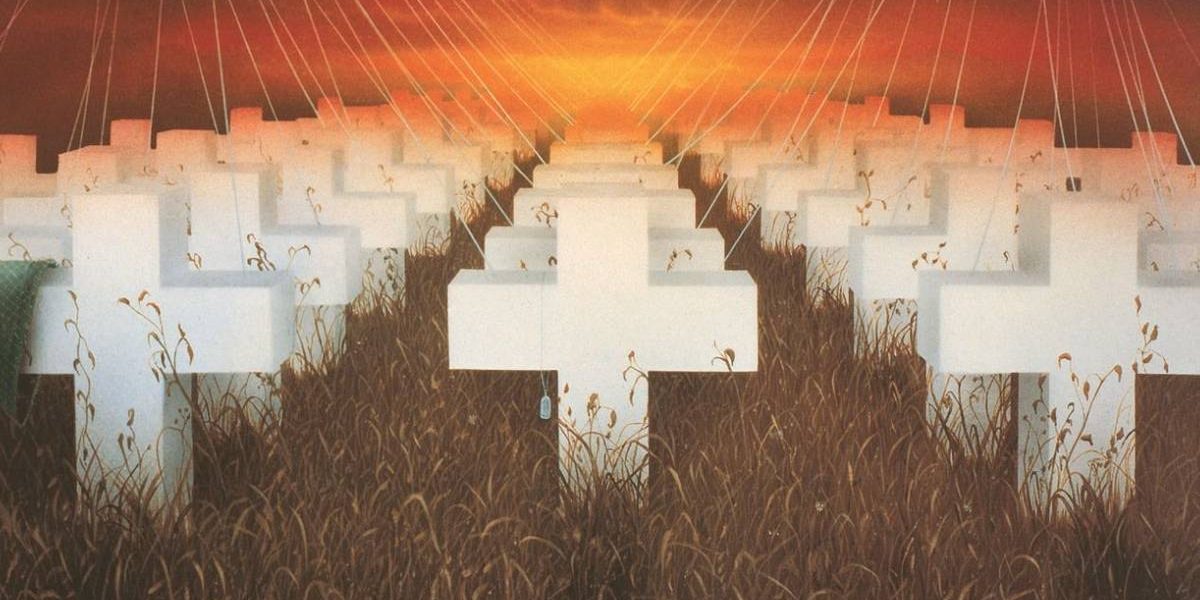
‘Master of Puppets’ (1986)
Metallica
Selecting the greatest album by Metallica, like with The Replacements, can be challenging; two main contenders emerge: Ride the Lightning or Master of Puppets. The latter is chosen here; both albums fulfill similar musical desires without making one feel redundant compared to the other.
This album flows exceptionally well; focusing on Master of Puppets, it boasts several highlights without any truly weak tracks while providing an experience that remains engaging from start to finish. Although it leans more towards metal than traditional rock,, it’s comparable to how one might mention Black Sabbath when discussing great 1970s rock despite their heavy metal classification.
3
‘Disintegration’ (1989)
The Cure
The band known asThe Cure, formed in the 1970s but reached their peak in the 1980s (and perhaps into some of the 1990s). “They” is mentioned cautiously since The Cure primarily revolves aroundRobert Smith, who serves as lead vocalist and guitarist while being the only member present throughout their entire career. To draw a modern comparison: he is to The Cure whatKevin Parker is to Tame Impala.
The definitive album by The Cure is undoubtedlyDisintegration. This assertion can be made confidently; however, it isn’t their only remarkable work. This album represents an incredible epic within gothic/alternative rock while also including punchy tracks alongside more atmospheric ones qualifying it for this ranking.
2
‘Doolittle’ (1989)
Pixies
If classic rock as a subgenre concluded in the 1980s,Doolittle byPixies stands among the last potential “classic rock” albums. Released in the same year as Disintegration,Doolittle offers a harder edge and feels rawer overall; consisting of 15 songs yet running about 38 minutes total means each track averages just over two-and-a-half minutes long.
This album exudes energy and engagement; looking back now reveals its influence on indie/alternative rock that wouldcome close to mainstream success over a decade later throughout much of the 2000s. Pixies also releasedSurfer Rosa during this period; another great album featuring “Where Is My Mind,” likely their most famous song… but Doolittle remains unparalleled.
1
‘Remain in Light’ (1980)
Talking Heads
Diving into the 1970s,Talking Heads produced memorable tracks like “Psycho Killer” along with several solid albums; however,it was in 1980 when they truly realized their full potential. Their fourth album,Remain in Light represents an astounding listen—alien yet endlessly engaging.
Bowie was previously mentioned as someone ahead of his time; similarly,Talking Heads were right there alongside him—possibly even surpassing him when comparingScary Monsters (and Super Creeps) withRemain in Light.
The first half of this album excels especially well—building intensity through long yet immediate songs—with “Once in a Lifetime” serving as both an outstanding standalone track and an exceptional centerpiece for this record.The subsequent four shorter songs gradually decrease energy levels—contrasting how dynamically this album began.
This record remains captivating throughout; while Talking Heads released other good albums after this one—alongsideStop Making Sense—their most significant single work remainsRemain in Light.
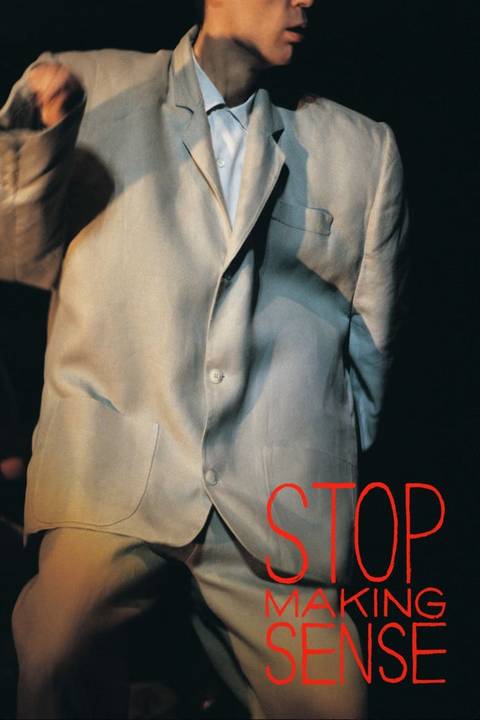
Stop Making Sense
-

Chris Frantz
Self – Drums, Vocals
-
David Byrne
/div/
/li/
Jerry Harrison
/ p >
Self – Guitar,
Keyboards,
Vocals/ p >
/ div/
/ li/
Tina Weymouth
/ p >
Self – Bass,
Percussion,
Vocals/ p >
/ div/
/ li/
/
ul/
/ div/
/ div/
/ div/
/ div/
/ div/

Here you can find the original article; photos and images used in our article also come from this source. We are not their authors; they have been used solely for informational purposes with proper attribution to their original source.[/nospin][nospin]