
Some of the greatest ballads of all time are rock ballads, which offer a slower pace and more sentimental tone than the typical rock song. Think Queen‘s “Love of My Life,” Jethro Tull‘s “Wond’ring Aloud,” Led Zeppelin‘s “The Rain Song,” Lynyrd Skynyrd‘s “Tuesday’s Gone with the Wind,” The Beatles‘ “Yesterday,” or John Lennon’s “Imagine.” Fleetwood Mac‘s “Landslide” is another big one, and these all are great enough to be on anyone’s top ten list. Also note that the songs shown below are going to be coming from the era of classic rock, so power ballads such as Metallica‘s “Nothing Else Matters” and “The Unforgiven” technically don’t qualify despite being among the greatest of all time.
Since most of the greatest ballads wind up becoming very famous, a number of these classics have accumulated a reputation for being overplayed. But hey, that’s business. There are so many famous rock ballads to choose from that it’s easy to overlook some of the lesser known ones. It’s also occasionally easy to not even recognize a certain song as a ballad, either because of its tone or experimental nature. While the following list comprises mostly famous songs from extremely famous artists, it also tries to expand beyond the normal definition of the ballad genre. Ranked by their unique qualities, complexity, emotional depth, and creativity, these ballads show that classic rock’s softer side is just as compelling as its harder one.
10
“Changes”
Black Sabbath
Let’s kick things off with a curveball. Black Sabbath has a top-notch ballad that doesn’t even have any guitar. “Changes” goes all in on the keyboards, piano, and the lead singer’s pipes—resulting in what feels like a tremendous and vastly underappreciated accomplishment that went largely unnoticed by the Sabbath crowd. Lead singer Ozzy Osbourne shows his versatility in handling this heartrending ballad when he’s so much more used to belting out vocals over some of the period’s heaviest form of rock.
One might not be expecting this kind of song from Sabbath, much less one without any percussion whatsoever, but this is just another lesson to not judge a book (or album) by its cover. This is one of Black Sabbath’s best songs, and it’s a song that can shake you to the core. Regardless of what changes the listener is going through, they should be able to relate to Ozzy’s mournful cries.
9
“Rocket Man”
Elton John
Elton John sings “Rocket Man” brilliantly. The chorus feels like it was relatively easy to figure out, as that’s where the hook is, but most others would probably struggle with figuring out how to sing the verse in an interesting way. Many might have phoned it in, but Elton brings passion to every syllable he utters—raising his voice to that famous high pitch and sustaining it on such words as “tiiiiiiimeless flight.” The result is a song that holds our attention during the slower verse, as if we too are floating in the middle of nothingness.
The outro is also very impressive. As Elton repeats “And I think it’s gonna be a long, long time,” special effects produce an aura that makes it feel like we’re traveling through the cosmos. Everything fades away, and we’re left thinking that it won’t be very long until we’re listening to this song again and again.
8
“Dust in the Wind”
Kansas
It’s impossible to mistake this introduction for anything else. Once you hear those fingers picking on the C and Am chord variations, you know this is Kansas‘ “Dust in the Wind.” Even if fans forget how to sing the middle parts, they probably know that the lyrics start with “I clooooose myyyyy eyyyyyes….” It’s so easy to remember because it’s so elegantly and passionately sung.
Sometimes an introduction does something different from what the main part of a song does, but this one doesn’t; this is the perfect mood-setter, and deviating from it would only distract from the song’s devastating sadness. The picking pattern remains pretty similar as the song goes on, making the song’s transitions feel effortlessly smooth. In the end, it may feel a bit cliché to claim that “Dust in the Wind” ranks among the best ballads of all time, but it’s true.
7
“Something”
The Beatles
Abbey Road‘s “Something” makes so many interesting choices. Most ballads are led by a guitar or piano, but these verses don’t really do that. While there are keys and an electric guitar present, they’re more in the background. If anything, the drums are at the forefront (besides George Harrison‘s voice). As the string orchestra comes in, it feels like the music is just floating along—and it works.
The verse starts off slow, but the pre-chorus builds tension. This eventually leads to a surprisingly powerful chorus, which stands among The Beatles’ very best. Not only are the vocals profoundly heartbreaking, but Ringo‘s underrated drumming here does an excellent job of sustaining the drama. We then hear a great guitar solo, which helps the emotions simmer back into another verse. Another strange thing about this love song is that there is only one chorus, which also works for some reason. Leave it to George Martin to make such bold and brilliant choices.
6
“Dream On”
Aerosmith
“Dream On” is not Aerosmith‘s only great ballad (“Seasons of Wither” is ridiculously underrated, for instance), but it is the band’s greatest. The opening riff sets the tone so well, as the band employs a guitar for a part that most other bands would use a piano for. Steven Tyler‘s voice is off the charts here, taking on a softer tone than usual without losing his personality and power.
This is one of the great classic rock ballads that actually retains the band’s hard-rock sound. Whereas a song like “Changes” technically qualifies, it would be difficult to tell from that particular song alone that the group who made it was a major precursor to the metal and punk genres. “Dream On” also stands out as being so much more polished than the rest of its album (Aerosmith’s eponymous debut), which largely sounds like it was recorded with minimal production value (in a good way). Clearly the band knew what kind of tone to strike with this one.
5
“Bridge Over Troubled Water”
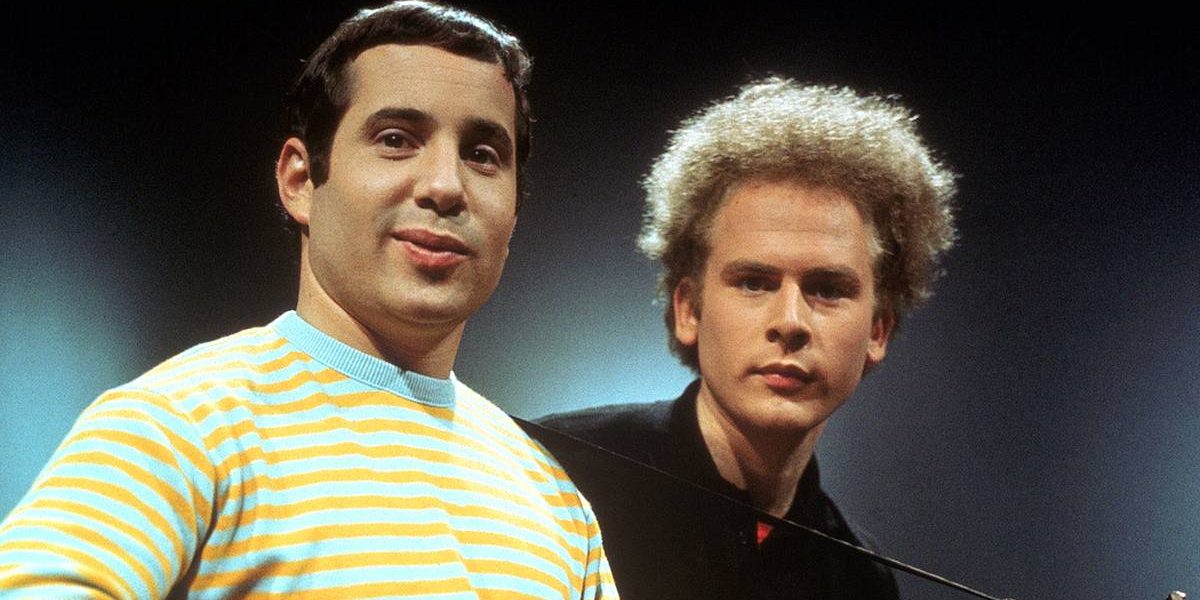
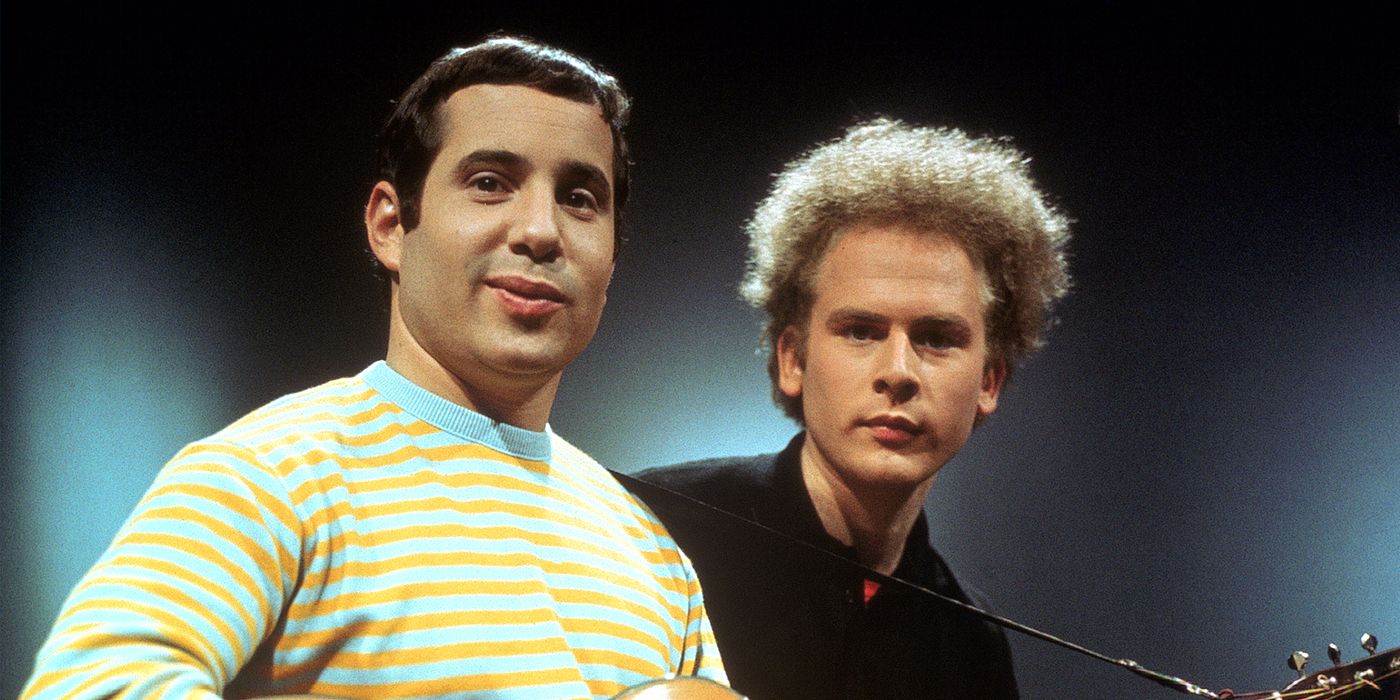
Simon and Garfunkel
Simon and Garfunkel weren’t known for gospel, but boy could they pull it off when they felt like it. The title track of their final album, “Bridge Over Troubled Water,” is one of their most unconventional but most beloved songs in their repertoire. At first it’s just Art Garfunkel singing, whose voice is just as angelic as ever. Frankly, we can listen to him accompanied by a piano until the end of time.
Even when the second verse begins, it’s still just Garfunkel. There have been no additions to the band, either, but the piano and vocals do grow more intense. Through sheer force and execution, enough suspense has been built for things to take a sudden turn in the third section. Now we do have drums, we have strings, and Paul Simon has entered the party. It’s a gorgeous finale to a song that still sends shivers down our spines well over half a century after its initial release.
4
“Hey Jude”
The Beatles
On a list of the best classic rock ballads, “Hey Jude” is pretty much a given. We all know that Paul McCartney wrote more than one classic ballad for The Beatles (“Let it Be,” “Yesterday,” and “The Long and Winding Road” could have been on this list, too), as well as after the band broke up (e.g., “Maybe I’m Amazed” and “My Love”), but “Hey Jude” is largely considered his magnum opus in this department. From the way he sings “Hey” before playing the piano to the fade in the end, this seven-minute epic is rock royalty for good reason.
The melody can still move us to this day, mixing a downcast spirit with hope in a way that feels so poignant. The rest of the band gradually joins in until McCartney eventually screams “aaaahhhhhh” before the anthem section—which is one of the best segues in rock history. Honestly, this song’s famous second half (technically more than half) does overstay its welcome a bit. Most songs of this grandeur do; but there’s no doubt that “Hey Jude” is still one of the greatest of all time.
3
“New York State of Mind”
Billy Joel
1976’s Turnstiles marked Billy Joel’s return to the East Coast, and he came back in a big way. Addressing his time missing New York while living in California,“New York State of Mind” capturesthe melancholyof homesicknessandthe anticipationof returningto theplacewhere you know you belong. Given his years-long residency at MSG,it feels like New York Cityis the only place that can serveas such amoving musefor Joel.
Some may not generally thinkof aballadas jazzy,butthissongproperly enlightens us tothe possibilities.Notthe crazy upbeat jazz,mind you;thisistheslow,moodykindof jazzthatyoucanimagine apianoplayerperformingin adimlylitrestaurantin anoldmovie.Thatwordlessintrosets thetoneimmaculately,Joa’svoicehasneversounded stronger,andtheorchestrain thebackgroundaddsjusttherightamountof smokiness.Thissix-minutewonderdoesn’twasteasecond,andit’sarguablyevenbetterlive.
2
“Comfortably Numb”
Pink Floyd
The beginningof”Comfortably Numb”isso disorientingthatit immediatelyputs listenersintheheadspaceofitsstory’stroubledrockstar.Roger Waters singsin awaythatconveysthatthespeakerisdistantfromthepersonhe’stalkingto,Anidea thatalso comes throughclearlyinthelyrics.It’sdifficulttoevenrecognizethisasaballaduntilthechoruscompletelyswitchestoneand<strongDavid Gilmour<strong becomes thesinger.Atthispoint,itfeelslikewe'refalling.
Thismasterpiecehasnotonebuttwoofthegreatestsolosinrockhistory.Thefirstoneissadinabeautifulkindofwaywhichworksasamagnificentcontrasttotherestofthe song’stone.The secondoneoperatesintheminkey,takingonamuchangrytoneandtakingupmorespacetoconveyhowthissinger’smindandbodyare depleted.“Wish You Were Here”Mightbethemoreobviousballad,theone that’sabitmorepopular—but“Comfortably Numb”hits somuchharder.
1
“Stairway to Heaven”
Led Zeppelin
If“Comfortably Numb”s trikesusasapsychedelic,“StairwaytoHeaven”(stretchestheverydefinitionofaballad.Thefirsthalfofthisincrediblemasterworkdoeshaveaverysoftslow-movingverseandchorus,butthesecondhalfofthesonggraduallychangesthings.Thevocalsfollowshow“RobertPlant”‘sroughersidetothepointwherewemightforgethowthissongevenstarted.Yetthatendinggentlyremindsus,andthosewhohaven’talreadylistenedto thistrackahundredtimes too manyarelefttomarvelatwhattheyjustheard.(Whichisanepicrollercoasterofaballad.)